
Can a Human Get Worms From a Dog? What Border Collie Owners Need to Know

If your dog has worms, the short answer is yes, some dog worms can infect humans. But not every worm a dog carries is a human risk, and the main concern is usually limited to specific parasites and specific exposure routes.
Most dog-worm exposures do not require emergency care, but children, pregnant people, immunocompromised people, and anyone with eye symptoms should contact a clinician sooner.
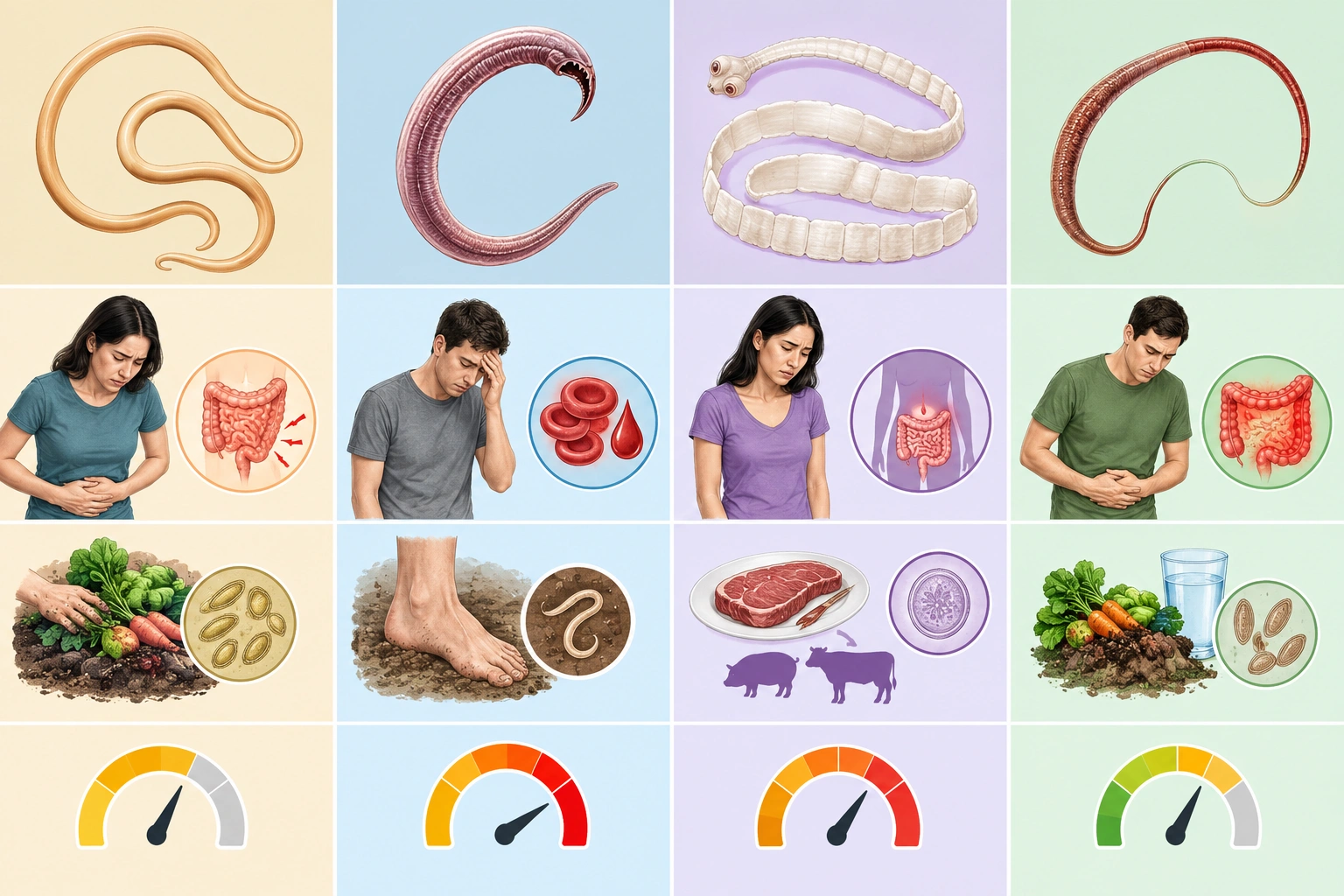
For Border Collie households, the practical question is not “Can this happen?” but “How did exposure happen, and what should I do now?” The biggest risks come from roundworms and hookworms, especially when people contact contaminated feces, soil, or unwashed hands. Tapeworms can also matter, often through fleas or infected material. Whipworms are much less of a human concern than roundworms or hookworms.
That means you do not need to panic, but you do need to respond quickly and cleanly. Prompt feces removal, handwashing, dog treatment, and flea control all help reduce household exposure.
Which Dog Worms Can Infect People — and Which Usually Don’t
The easiest way to think about this is by separating common human risks from less likely human risks.
| Dog worm type | Can infect humans? | Typical route | Common concern level | What usually matters most |
|---|---|---|---|---|
| Roundworms | Yes | Swallowing eggs from contaminated dirt, hands, or feces | Higher | Yard cleanup, handwashing, deworming |
| Hookworms | Yes | Larvae in contaminated soil or feces can enter skin | Higher | Barefoot exposure, contaminated ground, sanitation |
| Tapeworms | Sometimes | Usually through fleas or infected material | Moderate | Flea control and dog treatment |
| Whipworms | Rarely compared with roundworms/hookworms | Soil contamination is possible, but human infection is not a common household issue | Lower | General hygiene and veterinary care |
The CDC notes that roundworms and hookworms can infect people, and the AVMA says roundworm infections are zoonotic and most human infections happen when people accidentally swallow roundworm eggs. The CDC also explains that toxocariasis can spread through contact with dog or cat feces, with eggs getting into a person’s mouth through contaminated dirt or unwashed hands. You can read more in the CDC’s roundworms and hookworms resource and its toxocariasis overview.
Hookworms can be picked up from contaminated ground, especially where dogs defecate and the area is not cleaned well. Tapeworms are a different kind of problem: the human risk is often tied to fleas or infected material, which is why flea control is part of worm prevention, not just a comfort issue.
Whipworms are worth treating in dogs, but they are not usually the first parasite people worry about when asking whether a human can get dog worms.
Practical takeaway
If you are trying to rank concern, think in this order:
- Roundworms
- Hookworms
- Tapeworms
- Whipworms
That ranking is about human risk, not how unpleasant the parasite is for the dog.
How Human Infection Happens: Feces, Soil, Fleas, and Accidental Ingestion
Human infection usually happens in ordinary, boring ways — which is why it catches people off guard.
1) Fecal-oral exposure
This is the classic route for roundworms. A dog sheds eggs in feces, the eggs contaminate soil, hands, shoes, toys, or gardening tools, and then those eggs end up in a person’s mouth. Children are more vulnerable here because hand-to-mouth behavior is normal for them.
A real-world example: your Border Collie poops in the yard, the stool is not picked up right away, your child plays in that area later, and then eats a snack without washing hands. That is the kind of chain that matters.
2) Contaminated soil or sand
Roundworm eggs can survive in dirt. That is why yards, parks, and sandboxes are part of the discussion. If a dog has access to a shared outdoor area, cleanup timing matters more than many owners realize.
3) Hookworm larvae entering skin
Hookworms are different from roundworms. Instead of being swallowed, larvae can enter through skin contact with contaminated soil. Bare feet, kneeling in the yard, or sitting directly on contaminated ground raise the odds.
4) Fleas and tapeworms
Tapeworm risk is often less about poop and more about fleas. If a dog swallows an infected flea while grooming, the dog can get tapeworms; people can sometimes be exposed in flea-heavy environments too. This is why flea control is part of parasite control, not a separate issue.
5) Accidental ingestion from unwashed hands
This is the simplest route and the one people underestimate. Cleaning the yard, picking up stool, gardening, or even petting a dog and then eating without washing hands can be enough to create risk if contamination is present.
What Symptoms to Watch for in Humans
Human symptoms depend on the worm and where it ends up in the body. Some infections cause no obvious symptoms at first.
Roundworms in people
Roundworm infection in humans is called toxocariasis. The CDC says symptoms can vary. In visceral toxocariasis, common signs can include things like fever, cough, or abdominal issues. In ocular toxocariasis, the infection can affect only one eye and may threaten vision.
That eye involvement is one reason roundworms deserve prompt attention. Vision changes after possible exposure should not be brushed off.
Hookworms in people
Hookworm exposure may cause skin irritation where larvae entered, often on the feet or lower legs. Some people notice itching or a rash after contact with contaminated soil. The exact symptoms depend on how much exposure occurred and where larvae entered.
Tapeworms in people
Human tapeworm infections are less likely from casual contact with a dog, but when they do occur, symptoms can be mild or vague. Some people have digestive upset, while others notice nothing obvious for a while.
What symptoms do not prove infection
Stomach pain alone does not prove dog worms. Neither does fatigue, nausea, or a rash by itself. What matters is the combination of exposure history plus symptoms. If someone in the home has possible exposure and develops eye symptoms, unexplained skin irritation after soil contact, or persistent digestive problems, that is enough reason to call a clinician.
Who Is at Higher Risk: Children, Pregnant People, and Immunocompromised Adults
Some people are more likely to be exposed or to have a harder time if infection does happen.
Children
Children are the biggest practical concern in most households. They spend more time on the ground, touch dirt more often, and put their hands in their mouths more frequently. If your child played in an area where your dog defecated, treat that as meaningful exposure, even if the child seems fine.
Pregnant people
Pregnancy does not automatically mean infection, but it does raise the stakes of “wait and see.” If exposure was significant, it is reasonable to call a doctor sooner rather than later.
Immunocompromised adults
People with weakened immune systems should also be more cautious. They may not need emergency care after every exposure, but they should not ignore symptoms or repeated contact with contaminated soil or feces.
Decision rule that helps
If the exposed person is a child, pregnant, or immunocompromised, and the exposure involved feces, contaminated soil, or accidental ingestion, lean toward medical advice sooner rather than later.
What to Do Right Now After Possible Exposure
Do not wait for symptoms before acting. The first 30 minutes matter more than most people think.
If there was a single exposure
For one-time contact, home monitoring is often enough if the person has no eye symptoms, no significant skin irritation, and no ongoing exposure. Clean up carefully, wash hands, and watch for symptoms over the next several days or weeks.
If there are repeated exposures
Repeated contact with feces, contaminated soil, or a dog that is still shedding worms deserves a more cautious response. In that situation, call a veterinarian for the dog and a clinician for anyone in the household who has symptoms or higher risk.
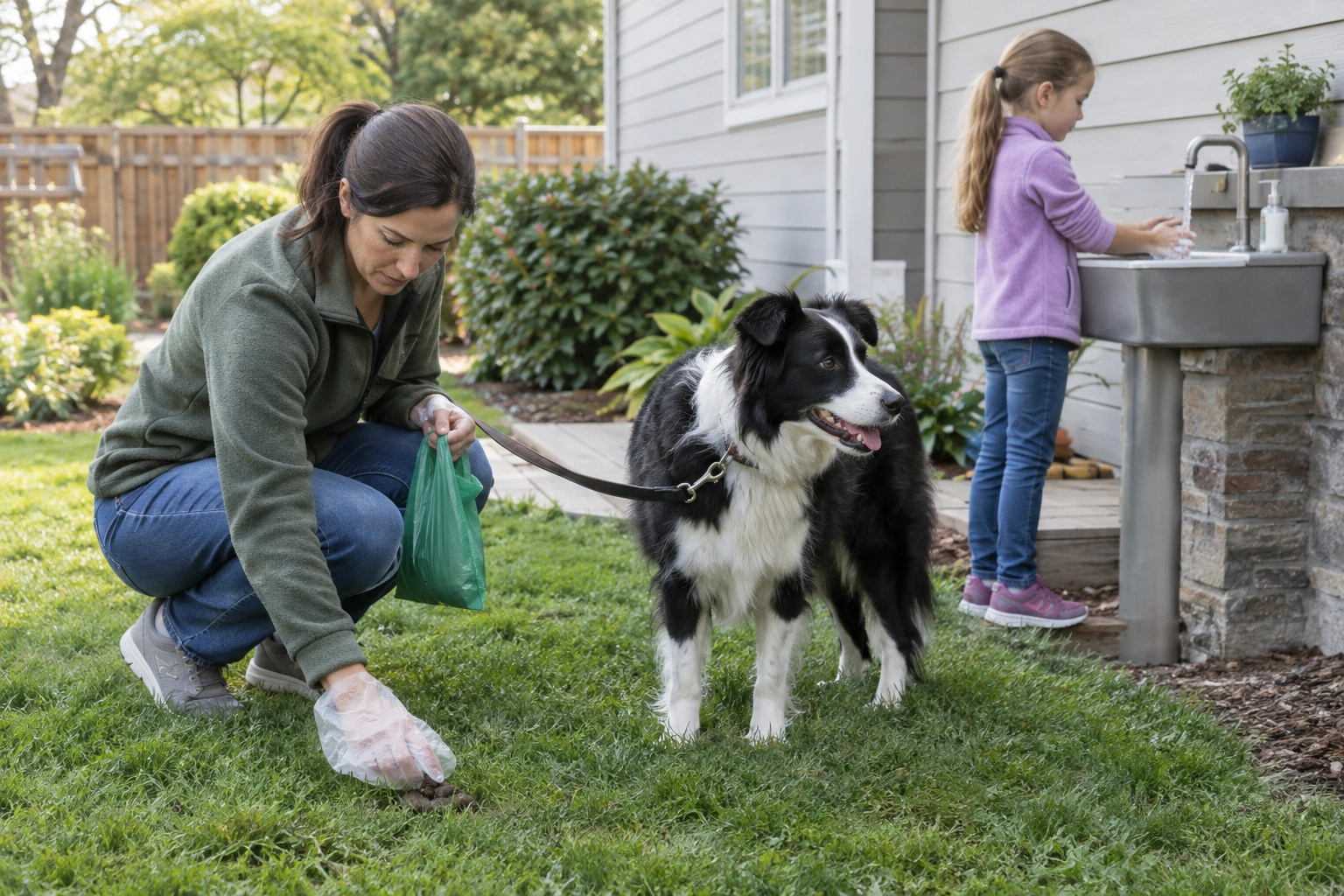
Step 1: Wash hands thoroughly
Use soap and running water after any contact with dog feces, soil, or a contaminated yard.
Step 2: Clean the exposure point
If someone got dirt on their hands, shoes, or clothes, clean those items promptly. If a child played in a contaminated area, wash hands, change clothes if needed, and keep food away until cleanup is done.
Step 3: Pick up feces immediately
If your dog has worms or you suspect worms, do not leave stool in the yard. Prompt cleanup helps keep eggs or larvae from spreading into soil where people walk, kneel, or play.
Step 4: Limit barefoot contact
Until the dog is treated and the yard is cleaned, avoid barefoot play in the area where the dog defecates.
Step 5: Watch for symptoms, but do not rely on them
Some infections show up later, and some never cause obvious symptoms. Monitoring is useful, but it is not a substitute for cleanup and medical follow-up when needed.
When a Human Should See a Doctor or Urgent Care
Most exposures do not require urgent care. The key question is whether the person has symptoms, higher-risk exposure, or eye involvement.
Call a doctor soon if:
- The exposed person is a child, pregnant, or immunocompromised
- There was direct contact with dog feces or contaminated soil and the person may have put hands in their mouth
- Eye symptoms appear after exposure
- Skin itching or a rash develops after soil contact
- Digestive symptoms persist or worsen after possible exposure
Seek urgent care faster if:
- There are vision changes
- Eye pain, new floaters, or one-sided visual problems appear
- Severe abdominal symptoms develop
- The person seems unwell enough that normal activity is difficult
The CDC notes that ocular toxocariasis can affect only one eye, which is one reason eye symptoms deserve quick attention.
What a clinician may do
A doctor may decide whether testing or treatment is needed based on the exposure history and symptoms. Testing and treatment are not automatic after every possible contact; they are usually guided by the exposure plus the person’s symptoms and risk factors.
What Your Dog Needs: Vet Visit, Fecal Testing, and Deworming
If the dog still has worms, the household risk does not end.
A veterinarian can help identify the parasite, recommend the right deworming medication, and decide whether a fecal exam is needed. That matters because different worms are handled differently, and a dog can be treated for one parasite while still needing attention for another issue, such as fleas.
For Border Collies, this is especially important if the dog:
- Roams parks, trails, or shared dog areas
- Chases or mouths wildlife
- Has fleas
- Has recurrent stomach upset, weight loss, or visible worms in stool
A dog may need follow-up treatment depending on the parasite and exposure history. Follow the vet’s timing carefully; stopping after one dose is a common reason parasites come back.
Household Cleanup and Sanitation After Dog Worm Exposure
You do not need to sterilize the house. You do need to be deliberate.
Focus on the highest-value cleanup
- Remove feces promptly
- Wash hands after outdoor cleanup
- Launder bedding or blankets that may be contaminated
- Clean shoes, mats, and tools used in the yard
- Keep children out of contaminated spots until cleaned
What matters most
If you only have time for a few things, prioritize feces removal, handwashing, and dog treatment. Those three steps do the most to break the cycle.
What is optional or lower priority
Deep-cleaning every room is usually less helpful than fixing the actual exposure source. The yard, littered outdoor areas, shoes, and hands are the real pressure points.
How to Prevent Reinfection: Flea Control, Routine Parasite Prevention, and Yard Habits
Prevention works best when it addresses the dog and the environment together.
Quick prevention checklist
- Pick up feces quickly
- Wash hands after yard work, cleanup, or play
- Keep up with flea control
- Follow your vet’s parasite-prevention plan
- Keep children away from contaminated areas until cleaned
Why flea control matters
This is especially important when tapeworms are on the table. If fleas remain in the home or on the dog, the parasite cycle can continue.
Routine veterinary prevention
Your vet can help you choose a prevention plan that fits your dog’s age, lifestyle, and exposure risk. A Border Collie that hikes, herds, or spends a lot of time outdoors may need tighter parasite habits than a dog with a very limited environment.
For broader pet-health guidance from trusted sources, the ASPCA’s pet care resources and VCA Hospitals’ client education library are useful starting points.
Common Mistakes That Make Dog Worm Exposure More Likely
These are the errors that quietly keep households exposed.
Waiting for symptoms before cleaning up
By the time symptoms appear, the exposure may already have happened. Cleanup should come first.
Skipping flea control
If tapeworms are part of the problem, fleas are part of the solution.
Treating the dog but ignoring the yard
A dewormed dog can still live in a contaminated environment if feces are not removed and outdoor areas are not managed.
Using pet medication on people
Never use dog dewormers on a person. Human symptoms need human medical advice.
Assuming one clean-up means the risk is gone
If the dog has repeated exposure, the household may need an ongoing prevention routine, not a one-time fix.
When to See a Veterinarian or Certified Trainer
If your dog has worms, the right first call is usually the veterinarian, not a home remedy aisle. A vet can confirm the parasite, prescribe the correct dewormer, and tell you whether follow-up testing is needed.
A certified trainer is not the right professional for the worm issue itself, but if a Border Collie’s behavior is making cleanup difficult — bolting through the yard, stealing feces, or resisting recall during potty breaks — that is a separate training problem worth addressing. Solving the behavior helps you control the parasite risk more reliably.
Bottom Line
Yes, a human can get worms from a dog — but the risk is concentrated in a few parasites, especially roundworms and hookworms. Most household exposure happens through feces, contaminated soil, unwashed hands, or fleas, not through casual contact with a healthy-looking dog.
If you remember only three things, make them these: clean up feces quickly, wash hands after outdoor contact, and get the dog treated by a vet. That combination is more helpful than worrying in circles about every possible worm.
FAQ
Can you get worms from petting a dog?
Petting a dog alone is usually not the main risk. The bigger concern is contact with contaminated feces, soil, hands, or fleas, followed by accidental ingestion or skin exposure.
Do you need to see a doctor after every exposure?
No. Most exposures do not require urgent care. Medical evaluation is more important if the person has symptoms, eye changes, repeated exposure, or higher-risk factors such as pregnancy, childhood, or immunocompromise.
Can a dog worm infection go away on its own?
Some dogs may seem fine for a while, but that does not mean the parasite is gone. A veterinarian should confirm the parasite and recommend treatment.
Are roundworms from dogs dangerous for people?
They can be, especially if eggs are swallowed or if eye involvement occurs. That is why cleanup, handwashing, and timely treatment matter.
What should I do if my child played where the dog pooped?
Wash the child’s hands, clean any contaminated clothing or shoes, pick up the feces, and watch for symptoms. If the child has eye symptoms, persistent stomach issues, or repeated exposure, contact a clinician.
Should I treat the whole house for worms?
Usually, no. Focus on the source: the dog, feces cleanup, hand hygiene, and flea control. A veterinarian can tell you if anything else is needed.