
What Is a DA2PP Shot for Dogs? A Practical Guide for Dog Owners

If you’ve seen “DA2PP,” “DHPP,” or “DAPP” on a vaccine record and wondered whether they all mean the same thing, you’re not alone. These names are used a little differently by clinics and manufacturers, but they usually point to the same kind of combination vaccine: one shot that helps protect dogs against several serious viral diseases.
DA2PP is a core dog vaccine that helps protect against distemper, adenovirus-related hepatitis, parvovirus, and parainfluenza. DHPP and DAPP are often alternate names used by different clinics or manufacturers, and the exact antigen naming can vary a bit by product.
This matters for a simple reason: active, social dogs are often exposed to more places, more people, and more dogs. That doesn’t make vaccination complicated, but it does make it worth understanding. A clear vaccine plan is part of everyday risk management, just like leash skills, parasite prevention, and routine vet checks.
What a DA2PP Shot Is in Plain English
DA2PP is a combination vaccine for dogs. Instead of protecting against just one disease, it covers four major viral threats in a single product category.
The easiest way to think about it is this: DA2PP is one of the core vaccines most dogs are expected to receive because the diseases it targets can spread quickly and can become severe. It is commonly given to puppies early in life and then boosted later in adulthood.
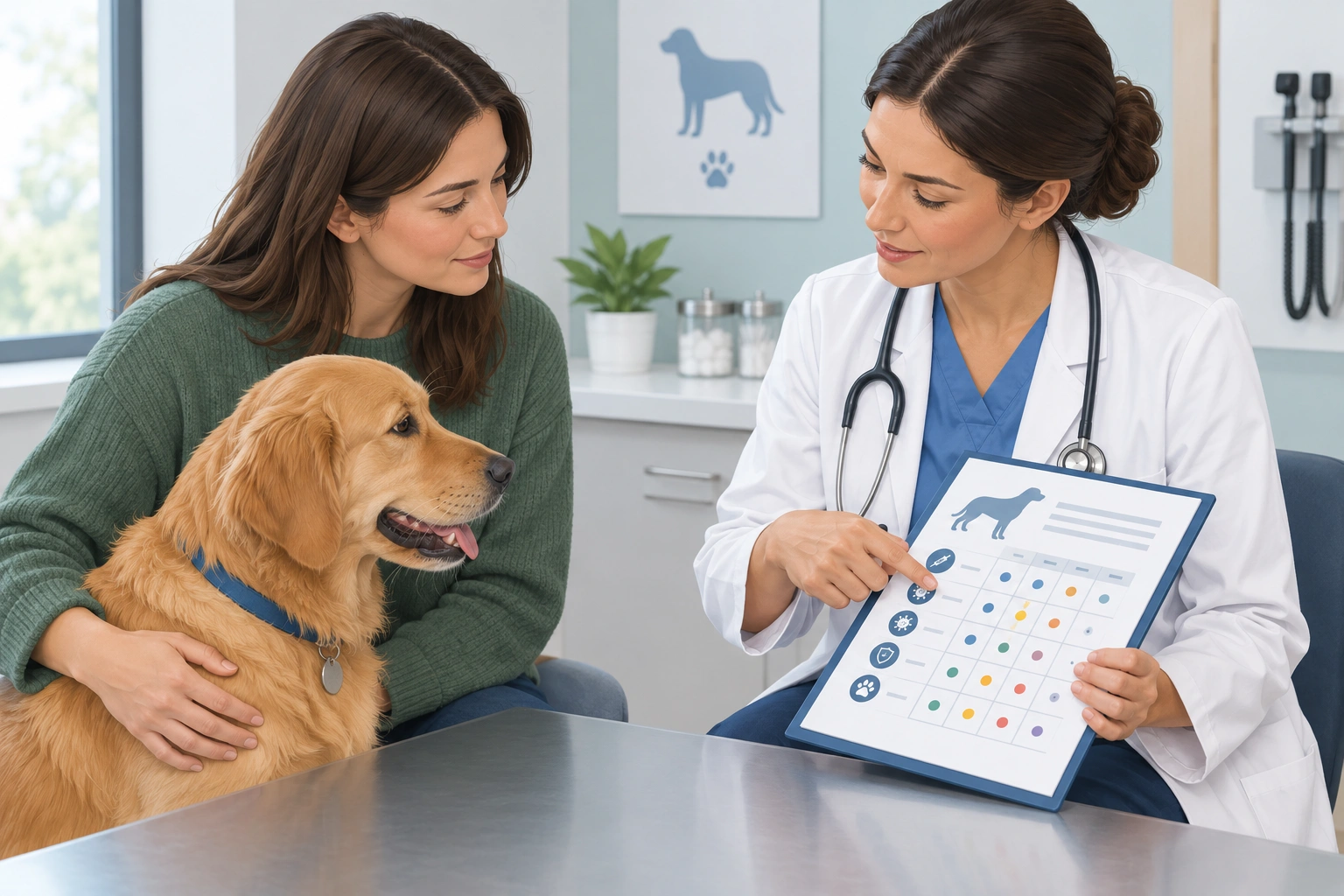
The vaccine works by introducing the immune system to vaccine antigens in a way that helps the body learn to recognize them later. The exact formulation can vary by product, so it’s best not to assume every DA2PP shot is identical.
What DA2PP Stands For
The letters in DA2PP generally refer to:
- D = canine distemper
- A2 = canine adenovirus type 2, which is associated with protection against adenovirus-related hepatitis
- P = parvovirus
- P = parainfluenza
That acronym is the source of a lot of confusion, because some clinics use slightly different naming. The product category is often the same even when the label changes.
What DA2PP does not cover is just as important. It is not a catch-all vaccine for every canine illness. It does not replace rabies vaccination, and it does not protect against every respiratory or gastrointestinal problem a dog can get.
DA2PP vs. DHPP vs. DAPP: Why the Names Vary
You may see DA2PP, DHPP, or DAPP on vaccine paperwork. In everyday use, these labels are often referring to the same combination vaccine family, but the letters emphasize slightly different naming conventions.
Here’s the practical takeaway:
| Label | What it usually means | Why it’s confusing |
|---|---|---|
| DA2PP | Distemper, adenovirus type 2, parvovirus, parainfluenza | The “A2” part can look unfamiliar if you’re used to “hepatitis” wording |
| DHPP | Distemper, hepatitis, parvovirus, parainfluenza | “H” is often used to point to hepatitis protection linked to adenovirus |
| DAPP | Distemper, adenovirus, parainfluenza, parvovirus | Same core idea, different ordering or naming style |
The safest approach is not to guess from the acronym alone. Ask the clinic which product is being used and what diseases it covers. That matters more than the exact abbreviation printed on the invoice.
Which Diseases DA2PP Protects Against—and Why They Matter
The value of DA2PP becomes clearer when you look at the diseases it targets.
Canine distemper
Distemper is a serious, highly contagious viral disease in unvaccinated dogs. It can affect multiple body systems and may lead to neurologic signs, pneumonia, fever, encephalitis, and death.
Canine adenovirus
Adenovirus protection in this vaccine category is tied to infectious canine hepatitis. This is not a mild “upset stomach” type illness; it can cause significant disease and can involve the liver and other organs.
Canine parvovirus
Parvovirus is one of the diseases most dog owners recognize by name because it is so severe, especially in puppies. It can cause serious intestinal illness, dehydration, and rapid decline.
Canine parainfluenza
Parainfluenza is one of the respiratory viruses commonly included in these combination vaccines. It is part of why the shot is so often discussed in shelter, boarding, and puppy contexts.
A useful way to think about DA2PP is this: it does not prevent every contagious dog disease, but it does cover several of the most important ones that veterinarians worry about in routine preventive care.
For a broader look at dog vaccine categories, the American Kennel Club’s vaccination overview is a helpful starting point, and the ASPCA’s vaccine guidance is also worth reading if you want a plain-language summary.
Is DA2PP a Core Vaccine?
Yes, DA2PP is generally treated as a core vaccine for dogs. That label matters.
A core vaccine is one veterinarians recommend for most dogs regardless of lifestyle, because the diseases it prevents are widespread, serious, and worth protecting against even in dogs that seem “low risk.”
That does not mean every dog gets the same schedule automatically. It means the vaccine belongs on the short list of preventive care discussions for almost every dog, including puppies, adult dogs, and many shelter or rescue dogs with uncertain records.
The practical decision rule is simple: if you’re unsure whether your dog is protected against distemper, parvovirus, adenovirus, and parainfluenza, this is a vaccine worth discussing with your veterinarian rather than assuming it can wait.
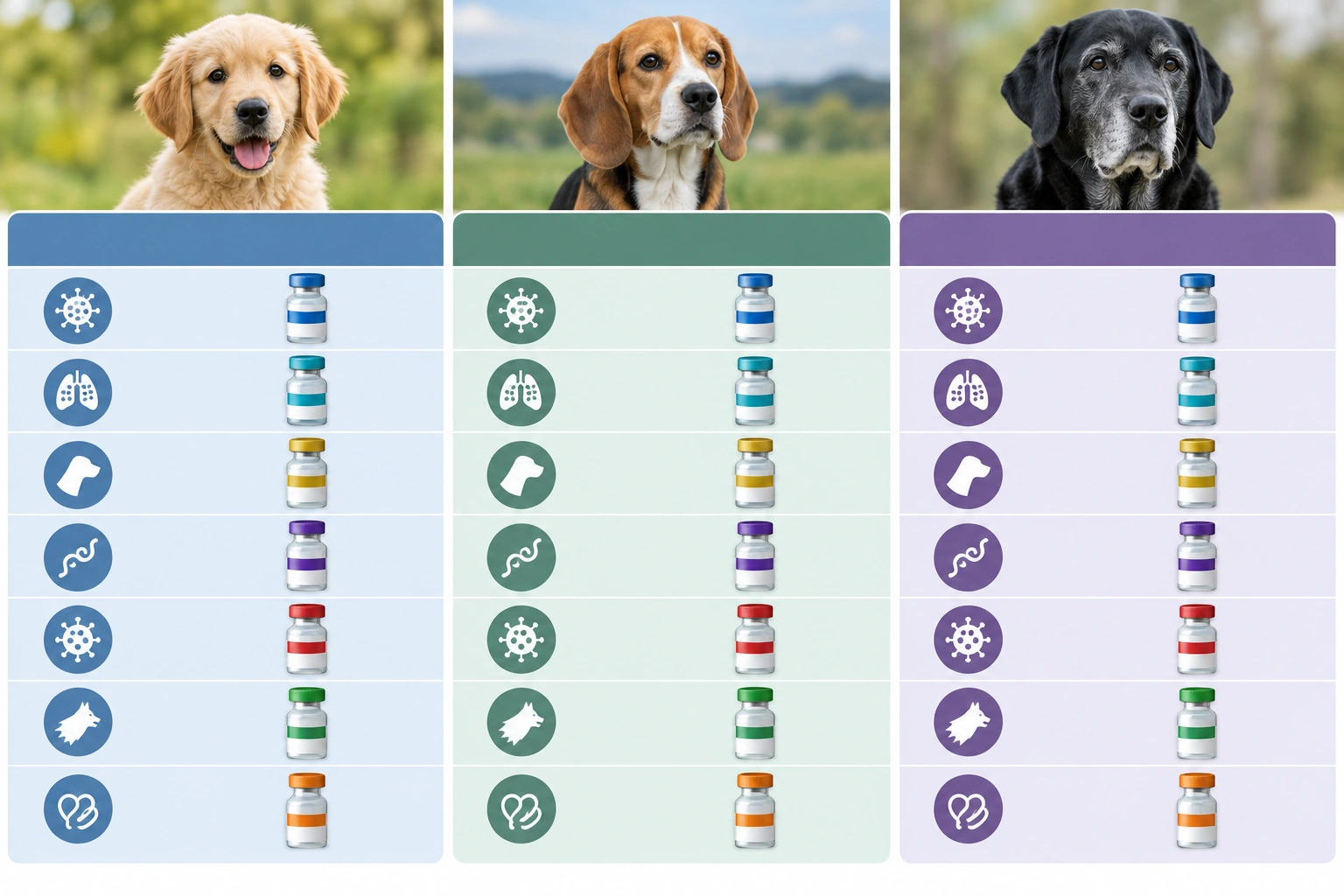
DA2PP Vaccination Schedule for Puppies
Puppies usually need a series of DA2PP shots, not just one dose. The reason is straightforward: very young puppies can have maternal antibodies that interfere with how well a vaccine works early on, so veterinarians use repeated doses to build more reliable protection.
A common puppy framework is:
- first doses beginning around 6 to 8 weeks of age
- repeat doses every 3 to 4 weeks
- the series continuing until about 14 to 16 weeks of age
Some shelter guidance is even more specific. The AAHA canine vaccination guidelines state that, unless reliable documentation exists, dogs and puppies 4 weeks of age and older in shelters should receive an MLV DA2PP vaccine at or before shelter entry and then receive boosters at 2 to 3 week intervals until 18 to 20 weeks of age.
That difference is not a contradiction. It reflects the reality that puppies in shelters may have higher exposure risk and less complete history, so the schedule can be tightened under veterinary guidance.
For owners, the key planning question is not “Did my puppy get one shot?” but “Has my puppy completed the full series on the schedule my vet recommended?”
DA2PP Booster Schedule for Adult Dogs
Adult dogs usually need periodic boosters, but the exact timing depends on the vaccine product label and your veterinarian’s protocol.
In general, many core combination vaccine protocols use a booster after the puppy series is completed, then revaccination at intervals that are often every 3 years for healthy adult dogs, depending on the product and veterinary guidance. Some products or situations may call for a different interval, so the label and your veterinarian’s recommendation matter.
The reason boosters matter is simple: puppy vaccines are designed to establish protection, but adult boosters help maintain it over time.
If you adopted an adult dog with records, the first thing to check is the date of the last DA2PP-type vaccine. If records are missing or unclear, don’t assume the dog is current. A veterinarian may recommend restarting or catching up the series rather than relying on an unknown history.
What to Do If Your Dog Is Overdue or Records Are Missing
If your dog is overdue for DA2PP, or you can’t find vaccine records, contact your veterinarian before assuming the next step. In many cases, the clinic will treat the dog as not reliably current and recommend a catch-up plan based on age, risk, and the product used.
If your dog is a puppy, that may mean finishing or repeating part of the series. If your dog is an adult, it may mean giving a booster now and then setting the next interval from there. The safest move is to bring whatever paperwork you have, even if it’s incomplete, so the veterinarian can decide whether a restart is needed.
When a Dog May Need a Customized Vaccine Plan
Not every dog should be handled with a one-size-fits-all vaccine calendar.
A customized plan is often worth discussing if your dog:
- is currently sick, weak, or febrile
- has a history of vaccine reaction
- is a senior with other health issues
- is a rescue dog with unknown records
- missed part of the puppy series
- needs several vaccines timed around one visit
That doesn’t mean vaccination is off the table. It means the timing may need to be adjusted.
A practical example: a healthy adult dog at a wellness visit may be able to receive DA2PP and another routine vaccine the same day. A dog recovering from illness, by contrast, may need the visit delayed until the veterinarian says it is safe.
Side Effects, Risks, and When to Call a Veterinarian
Most dogs tolerate DA2PP well. Mild reactions can happen, and they are usually short-lived.
Common after-vaccine reactions may include:
- temporary sleepiness
- mild soreness at the injection site
- reduced appetite for a short period
Those signs can happen after many vaccines and often resolve on their own. What should not be ignored are more serious reactions. Call a veterinarian promptly if your dog develops:
- facial swelling
- trouble breathing
- collapse
- repeated vomiting
- severe weakness
- any reaction that seems to be getting worse instead of better
If your dog has a known allergy history or reacted to a previous vaccine, tell the clinic before the appointment. That gives the veterinarian a chance to decide whether to adjust timing, monitor more closely, or choose a different plan.
How Much a DA2PP Shot Costs
The cost can vary a lot by region, clinic type, and whether the vaccine is part of a wellness exam or a low-cost vaccine clinic visit.
In many areas, owners may see the DA2PP vaccine itself priced in a relatively modest range, while the total visit can be higher once the exam fee and any bundled services are included. In other words, the shot price and the final bill are not always the same thing.
What many owners miss is that the price is not always just the vaccine itself. You may also see:
- exam fees
- office visit fees
- bundled wellness packages
- additional charges if other vaccines are given the same day
So when comparing prices, compare the full visit cost, not just the sticker price of the shot.
A low-cost clinic can be a practical budget option for a straightforward booster. A full-service veterinary visit may make more sense if your dog also needs an exam, has a health concern, or has an unclear vaccine history.
Can DA2PP Be Given With Other Vaccines?
Often, yes. DA2PP is commonly given alongside other vaccines during the same visit, but that decision should be based on your dog’s age, health, and prior history.
The trade-off is convenience versus individualization.
- Convenience: fewer visits, less scheduling hassle, faster completion of preventive care
- Individualization: more flexibility if your dog is small, anxious, sick, or has reacted before
If your dog is due for several vaccines, ask the clinic whether they recommend giving them together or spacing them out. That’s especially useful for puppies, rescue dogs, and dogs with previous vaccine concerns.
What to Ask Your Vet Before the Next DA2PP Visit
Use this checklist if you want to walk into the appointment prepared:
- Is my dog due for DA2PP now, or later?
- Which product name are you using: DA2PP, DHPP, or DAPP?
- Is this a core vaccine in my dog’s case?
- Does my dog need a puppy series, a booster, or a catch-up plan?
- Can this vaccine be given with any other shots today?
- Does my dog’s health history change the timing?
- What reactions should I watch for after we go home?
- What is the total cost of the visit, including exam fees if any?
That conversation takes only a few minutes, but it can prevent a lot of confusion later.
When to See a Veterinarian or Certified Trainer
This topic is about medical prevention, so the right professional here is a veterinarian. Contact one if your dog’s vaccine history is unknown, if a puppy missed part of the series, if your dog is currently ill, or if any unusual reaction follows vaccination.
If your dog is healthy but hard to handle at the clinic, a certified trainer can help with fear-free preparation for future visits. That doesn’t replace veterinary advice, but it can make vaccine appointments smoother and safer for everyone.
Final Takeaway
DA2PP is a core combination vaccine that helps protect dogs against distemper, adenovirus-related hepatitis, parvovirus, and parainfluenza. The exact label may vary, but the purpose is the same: reduce the risk of several serious viral diseases that are worth preventing early and maintaining with boosters.
If you’re unsure whether your dog is current, the best next step is not to guess from the acronym. Check the record, confirm the product name, and ask your veterinarian what schedule fits your dog’s age, health, and history.