
How Long Can a Dog Go Without Food and Water? A Practical Guide for Dog Owners

If your dog has stopped eating or drinking, the first question is usually the same: how serious is this, and how long can you wait?
The short answer is that water is the urgent one. A healthy adult dog can sometimes go around 3 days without water, but dehydration can start much sooner, and some veterinary guidance says to call a clinic if your dog has had no water for 24 hours. By contrast, a healthy adult dog may be able to go 3 to 5 days without food if they are still drinking and otherwise acting normal. Those are rough generalizations, not safety guarantees.
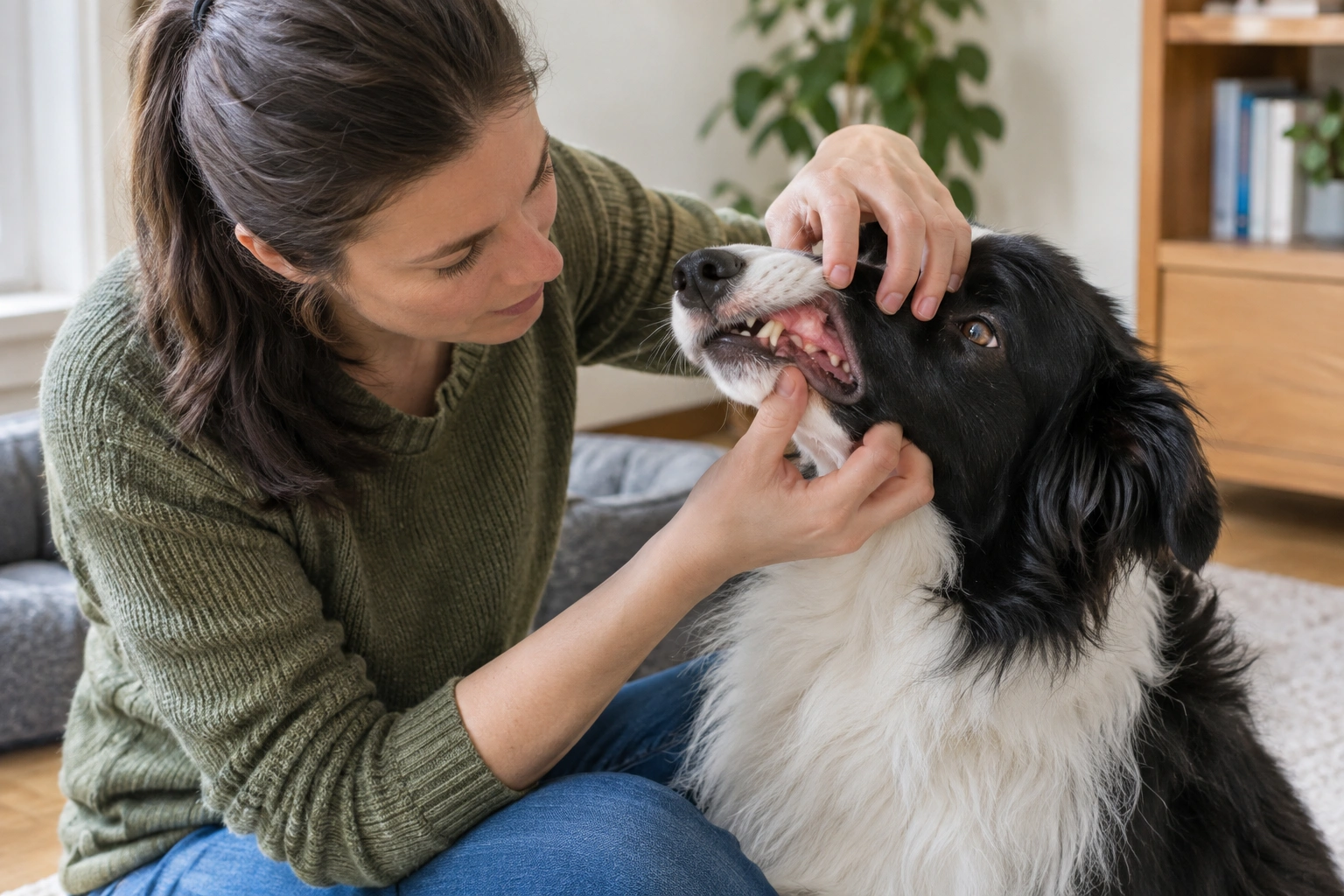
For Border Collies, this matters because a dog that is usually active and alert can still look “mostly okay” while becoming dehydrated or weak underneath. That is especially true after exercise, hot weather, vomiting, diarrhea, or stress.
Food vs water: the timeline is not equal
Think of food refusal and water refusal as two very different problems.
A dog can miss a meal or even several meals and still be stable for a while, especially if they are drinking normally. But a dog that is not drinking is on a much faster countdown. Water loss affects circulation, temperature control, kidney function, and the body’s ability to keep tissues working properly. That is why dehydration can become dangerous before starvation does.
Here is the practical difference:
- No food, but still drinking: often less urgent in the very short term, but still worth monitoring closely.
- No water, even if the dog seems bright: much more concerning, because dehydration can escalate quickly.
- No food and no water: treat this as a higher-risk situation, especially if it has been more than a few hours or there are any other symptoms.
These are not safe targets or “normal” timeframes to wait out. They are only rough, non-safety thresholds, and the real risk changes with age, health, temperature, and activity level. Puppies, seniors, and medically fragile dogs should be escalated sooner than a healthy adult dog.
Quick comparison table
| Situation | Typical urgency | What it means in practice |
|---|---|---|
| Skips one meal but drinks normally | Lower, monitor | Watch for return of appetite, energy, and normal stool |
| Refuses food for 24 hours but drinks | Moderate | Call your vet if it continues or if the dog seems unwell |
| Drinks very little or none for 24 hours | High | Contact a vet the same day |
| No water for 24–72 hours | Emergency risk | Needs veterinary advice; don’t wait if symptoms are present |
| No food for 3–5 days, but still drinking | High concern | Vet assessment is needed, even if the dog is still standing and alert |
The reason to separate these is simple: food can wait longer than water. If you only remember one thing, remember that.
When it becomes an emergency
The safest rule is this: if your dog has not drunk any water for 24 hours, call a veterinarian the same day. That recommendation is conservative for a reason. Some dogs will become dehydrated sooner, especially puppies, seniors, and dogs already sick.
Go to an emergency clinic sooner if your dog has any of these red flags:
- repeated vomiting
- diarrhea, especially if it is ongoing or bloody
- collapse or inability to stand
- pale gums
- severe lethargy or weakness
- dry, tacky gums plus obvious low energy
- sunken eyes
- a swollen abdomen
- trouble breathing
- signs of pain
- a dog that tries to drink but vomits the water back up
- no urination along with poor water intake
A dog that is drinking a little but still vomiting, having diarrhea, or becoming weaker is not “fine because they drank something.” The trend matters more than a single sip.
Same-day vet call vs emergency visit
Use this decision rule:
- Monitor at home for a short period only if your dog is otherwise bright, has mild appetite loss, is still drinking normally, and has no vomiting, diarrhea, weakness, or dehydration signs.
- Call your regular vet the same day if your dog has not eaten for a day, is drinking less than usual, or seems off but is still standing, responsive, and not vomiting repeatedly.
- Go to emergency now if there is no water plus vomiting, diarrhea, weakness, collapse, pale gums, inability to keep water down, or no urination.
If you are on the fence, err on the side of the emergency clinic when water is involved. Waiting is the wrong trade-off when dehydration may already be developing.
What changes the timeline
The “3 days without water” or “3 to 5 days without food” figures only apply to a healthy adult dog in ideal conditions. Real life is messier, and these are rough, non-safety thresholds, not generalized expectations.
Puppies
Puppies dehydrate faster than adult dogs. They have less reserve, smaller fluid stores, and can go downhill quickly if they have vomiting or diarrhea. A puppy that is eating less, drinking less, or becoming quiet should be taken seriously much sooner than an adult dog.
Senior dogs
Older dogs often have less margin for error. Arthritis, kidney disease, dental pain, heart disease, and other common age-related problems can reduce appetite and water intake. A senior dog that skips food and starts drinking less deserves quicker veterinary input than a young healthy adult.
Weather and activity
Hot weather, long walks, intense play, and training sessions all increase fluid loss. A Border Collie that has been running hard on a warm day may need more careful monitoring than a couch-potato dog in a cool house. If the dog is also panting heavily or seems tired in a way that is unusual for them, don’t dismiss it.
Vomiting and diarrhea
These are major accelerators. A dog can become dehydrated much faster when fluid is being lost from both ends, or when they cannot keep water down. If your dog has diarrhea and is drinking less, the timeline shortens quickly.
Chronic illness
Dogs with kidney disease, diabetes, Addison’s disease, cancer, fever, or other long-term health problems have less room to “wait and see.” If that describes your dog, don’t apply the general timeline without caution.
Signs of dehydration and dangerous weakness
You do not need to memorize every symptom. Focus on the ones that change urgency.
High-value warning signs
- Dry or tacky gums: the mouth should feel moist, not sticky
- Sunken eyes: often a sign the body is losing fluid
- Skin tenting: gently lift the skin over the shoulders; if it does not spring back quickly, dehydration may be present
- Lethargy: more than just being “quiet”; think slow, weak, or hard to rouse
- Pale gums: can signal poor circulation and is more concerning than simple appetite loss
- Weakness or wobbliness
- Vomiting or diarrhea
- Collapse
None of these signs alone proves dehydration, but together they raise the stakes. A dog with dry gums and low energy is not a good candidate for a long home trial.
A practical check at home
If your dog is willing, look at the gums, then observe behavior:
- Are the gums moist or sticky?
- Is your dog alert and responsive?
- Is there vomiting or diarrhea?
- Can they stand and walk normally?
- Are they drinking at all?
If the answer to the last question is “no,” the situation moves up the urgency ladder quickly.
For broader context on dehydration warning signs, the ASPCA’s pet care guidance is a useful general reference, and VCA Hospitals also has practical owner-facing veterinary articles.
What to do right now if your dog won’t eat or drink
The goal at home is not to “fix” the problem. It is to avoid making it worse while you decide whether veterinary care is needed.
Safe first steps
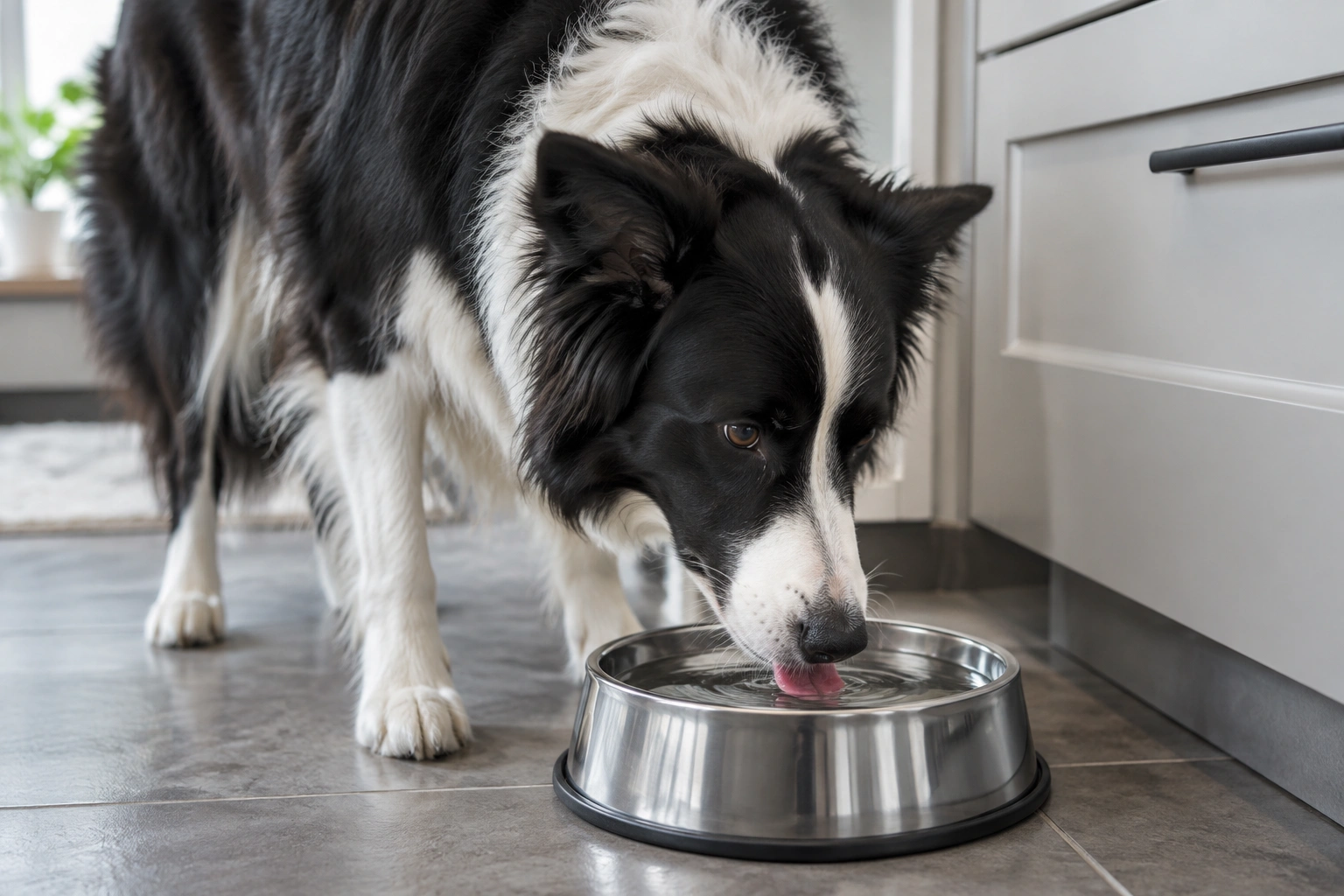
- Offer fresh water in a clean bowl.
- Try small amounts more often rather than one large bowl if the dog seems nauseated.
- If your dog is alert and not vomiting, you can try ice chips or a few sips of water.
- If your dog is alert and not vomiting, you can also slightly moisten normal food or offer a small amount of wet food.
- If your dog usually eats wet food and is otherwise stable, offer a small amount of their normal food or a veterinarian-approved bland option.
- Keep the dog cool, calm, and rested.
- Watch for vomiting, diarrhea, worsening weakness, or refusal to drink.
If your dog is alert and interested, a few sips may be enough to confirm they can drink. If they refuse completely, don’t keep nagging them for hours.
Clear stop point for home monitoring
Home monitoring should stop and a vet should be contacted if:
- your dog still will not drink after a short, calm attempt
- vomiting or diarrhea starts or continues
- your dog becomes weaker, more lethargic, or wobbly
- the gums become dry or tacky
- your dog stops urinating or seems to strain without producing urine
What not to do
- Do not force water into the mouth of a weak, vomiting, or uncooperative dog.
- Do not keep offering food if your dog is clearly nauseated and retching.
- Do not assume a partial drink means the problem is solved.
- Do not wait overnight if your dog is showing dehydration signs or has not had water for most of the day.
Forced drinking can create aspiration risk if the dog is weak, nauseated, or unable to swallow normally. That is not a shortcut; it is a hazard.
If your dog coughs or gags around water, that problem deserves attention too. This guide on why dogs cough after drinking water can help you tell the difference between a minor issue and something that needs a vet.
When not to wait and what to tell the vet
Some situations are not good candidates for home monitoring.
Call or go in urgently if:
- your dog has had no water for 24 hours
- your dog has not eaten for more than a day and seems unwell
- your dog is drinking but not eating at all for more than 24 hours and is also lethargic, vomiting, or not acting normal
- your dog is vomiting repeatedly
- your dog has diarrhea and is drinking less
- your dog is weak, wobbly, or collapsing
- your dog is very young, very old, or medically fragile
- your dog drinks and then vomits
- your dog has not eaten for several days, even if they are still drinking
- your dog is not urinating normally, especially if water intake is also low
When you call, the most useful details are concrete:
- how long since they last ate
- how long since they last drank
- whether they are keeping water down
- whether there has been vomiting or diarrhea
- gum color and moisture
- energy level
- whether they are urinating normally
- any recent heat exposure, exercise, travel, stress, or medication changes
This helps the vet judge whether the problem is likely dehydration, nausea, pain, infection, obstruction, fever, or something more serious.
Why a dog may stop eating or drinking
Loss of appetite is a symptom, not a diagnosis. The same is true for reduced drinking.
Common causes include:
- Nausea or stomach upset
- Pain, including dental pain
- Fever or infection
- Injury or inflammation
- Bowel obstruction
- Kidney or liver disease
- Hormonal disease
- Stress or environmental change
For a Border Collie, stress can matter more than people expect. Travel, boarding, a new routine, or a disrupted exercise schedule can suppress appetite for a short time. But stress should not cause prolonged refusal to drink, and it should never be used to explain away weakness, vomiting, or dehydration signs.
The reason diagnosis matters is that the treatment depends on the cause. A dog with nausea needs a different approach from a dog with an obstruction or kidney problem. That is one reason “wait and see” becomes less useful once water intake drops.
Special risk cases: puppies, senior dogs, and dogs with medical conditions
Puppies
Treat a puppy’s refusal to drink as urgent sooner than you would with an adult. Small bodies lose fluid fast. If a puppy has diarrhea, vomiting, or low energy, don’t wait for a long timeline to unfold.
Senior dogs
Older dogs often hide illness well. If a senior dog stops eating and also seems dull, shaky, or dehydrated, that is enough reason to call a vet promptly.
Dogs with chronic disease
If your dog has kidney disease, diabetes, liver disease, Cushing’s, Addison’s, cancer, or another chronic condition, the usual “3 days” type advice does not give you much safety. These dogs can decompensate more quickly and may need earlier intervention.
When to see a veterinarian or certified trainer
For this topic, the right professional is usually a veterinarian rather than a trainer. If your dog is refusing food or water, the question is medical first, behavior second.
See a veterinarian promptly if:
- your dog has not drunk water for 24 hours
- your dog has not eaten for more than a day and seems unwell
- there is vomiting, diarrhea, weakness, pale gums, or collapse
- your dog is a puppy, senior, or medically vulnerable
- your dog is drinking but cannot keep water down
- your dog is still drinking but not eating at all for more than 24 hours and is not acting normal
A certified trainer becomes relevant only after illness has been ruled out, or if the issue is clearly tied to a behavior pattern such as stress around a new environment. Even then, medical causes should be checked first.
Bottom line
A dog can usually go longer without food than without water, but that does not make food refusal harmless. The practical cutoff is not a promise of safety; it is a rough warning line that changes with age, health, temperature, and activity.
If your Border Collie suddenly stops eating or drinking, check the gums, watch for vomiting or diarrhea, offer water calmly, and use the decision path: monitor only if the dog is bright and drinking normally, call your regular vet if the problem is persisting without red flags, and go to emergency now if water refusal is paired with weakness, vomiting, diarrhea, or no urination.
For more owner-focused guidance on related warning signs, see VCA Hospitals and AKC health resources.
FAQ
How long can a dog go without water?
There is no safe universal cutoff. A healthy adult dog may sometimes last longer than a day, but dehydration can start much sooner, and if your dog has had no water for 24 hours, call a vet the same day.
How long can a dog go without food?
Some healthy adult dogs can miss food for a few days if they are still drinking and acting normal, but that is not a target to wait for. If your dog is weak, vomiting, or also drinking less, contact a vet sooner.
What if my dog is drinking but not eating?
If your dog is otherwise bright, you can monitor briefly and offer normal food or a bland option. If the refusal lasts more than 24 hours, or your dog seems unwell, call your vet.
Is no water and no urination an emergency?
Yes. Poor water intake combined with no urination is more urgent than no water alone and should be treated as an emergency red flag.
Should I force my dog to drink?
No. Do not force water into a weak, vomiting, or uncooperative dog. That can be dangerous.
What should I offer at home?
Fresh water first. If your dog is alert and not vomiting, you can try ice chips or slightly moistened food, but stop home monitoring if symptoms worsen or the dog still will not drink.
Can stress cause a dog to stop eating?
Yes, stress can reduce appetite for a short time. But stress should not be used to explain away refusal to drink, vomiting, diarrhea, weakness, or dehydration signs.
When should puppies or senior dogs be seen?
Earlier than healthy adults. Puppies, seniors, and medically fragile dogs should be escalated sooner if they eat or drink less, even before the adult-dog timeline is reached.