
How Old Is a Dog Considered a Senior? A Practical Guide for Border Collie Owners

If you want the short answer, a dog is often considered a senior somewhere in the later half of adult life — but the exact age depends on size, breed, and health.
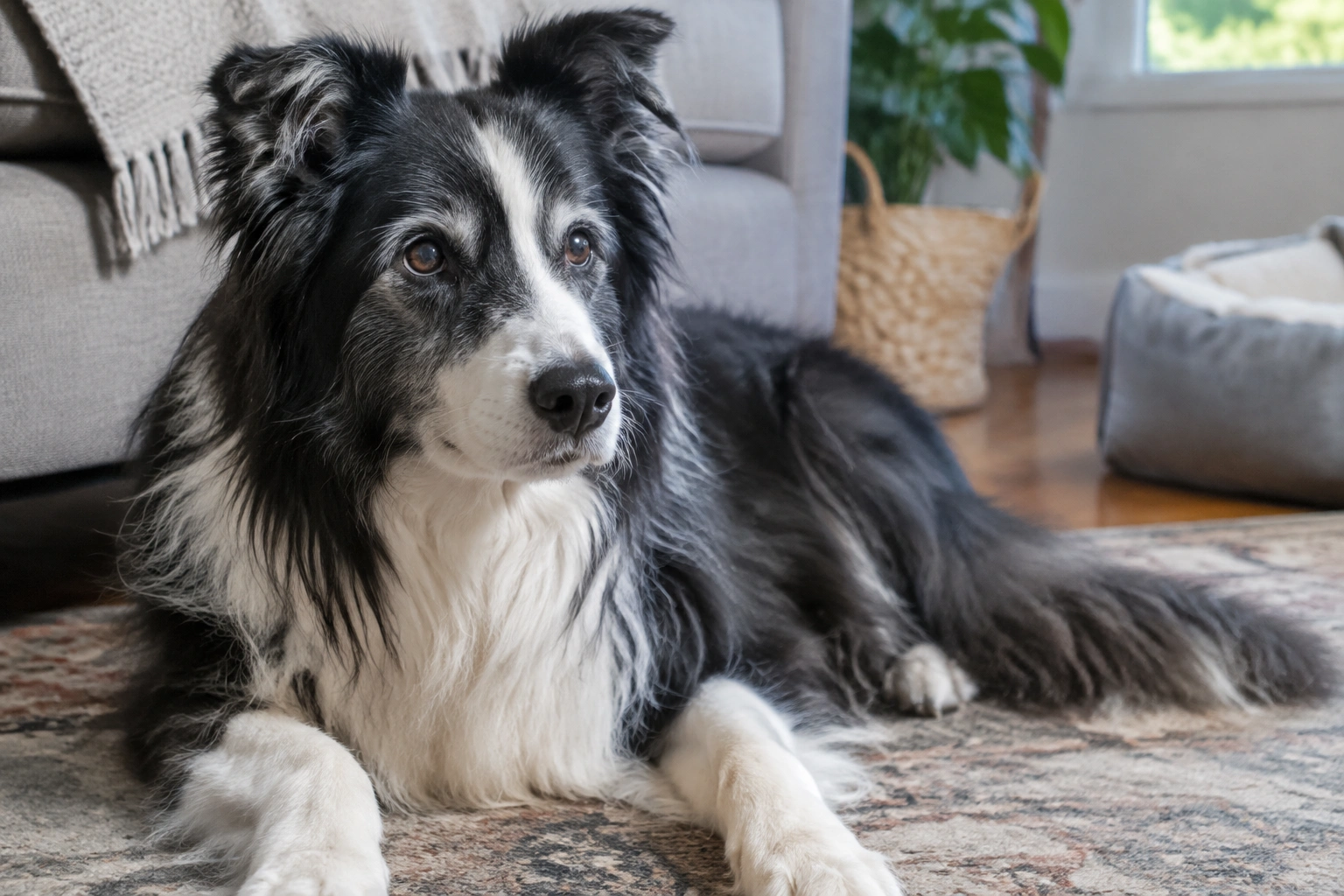
That matters because a 7-year-old Border Collie may still move like a younger dog, while a large or giant breed can start showing senior changes earlier. So the practical question is not just “How old is the dog?” It is also “Is the dog already aging in ways that affect care?”
A dog may still want to work, run, and learn, yet need smarter exercise pacing, a diet review, and closer veterinary monitoring.
Quick Answer: When a Dog Is Considered a Senior
There is no single universal age that applies to every dog.
As a rule of thumb, many small dogs are not treated as seniors until later than larger dogs, while large and giant breeds often reach senior status sooner. Medium-sized dogs usually fall somewhere in the middle. Border Collies, as active medium dogs, usually fit into that middle range.
A better way to think about senior status is this:
- Age gives you a starting point
- Breed size refines that estimate
- Body condition, mobility, and stamina confirm whether the dog is really aging
So if you are asking whether your dog should be treated as senior, use age as a guide, not a verdict.
Why Senior Age Is Not the Same for Every Dog
Dogs do not all age at the same pace. Size is one of the biggest reasons.
Larger dogs tend to place more stress on joints and often show age-related wear earlier. Smaller dogs often stay physically youthful longer. Breed also matters because some breeds are built for endurance and activity, while others are more prone to stiffness, weight gain, or slower recovery as they age.
Health changes the picture again. Two dogs of the same breed and age can look very different. One may still hike comfortably, while the other needs shorter walks because of arthritis, dental disease, or reduced stamina.
That is why a single cutoff age can be misleading. If you rely only on the number, you may miss early signs in a dog that is aging functionally before it “officially” becomes senior.
Senior Age Ranges by Dog Size
A size-based guide is the most practical way to estimate when a dog enters senior years.
| Dog size | Approximate senior range | Approximate geriatric range | What this usually means in practice |
|---|---|---|---|
| Small dogs | about 8–10 years | about 12+ years | Many remain active and comparatively youthful for longer |
| Medium dogs | about 7–9 years | about 11+ years | Senior changes often appear gradually |
| Large dogs | about 6–8 years | about 10+ years | Joint and stamina changes may show up sooner |
| Giant breeds | about 5–7 years | about 8–9+ years | Aging signs may appear relatively young |
The trade-off here is simple: size-based ranges are easy to use, but they are not perfect. A healthy, lean medium dog may age more slowly than a heavier dog of the same size. Still, this framework is useful because it helps you decide when to begin paying attention.
If you want a practical rule, use this: the bigger the dog, the earlier you should start thinking about senior care.
For a broader veterinary reference on life-stage care, AKC’s senior dog guidance and VCA Hospitals’ pet health resources are useful starting points.
Where Border Collies Fit: Typical Senior Age Expectations
Border Collies are usually treated as medium-sized, highly active dogs. That combination matters.
A practical estimate is that many Border Collies begin entering their senior years around 7 to 9 years old, with some showing earlier aging signs if they have arthritis, prior injury, excess weight, or lower fitness. By comparison, other medium-sized breeds may land in a similar range, but Border Collies sometimes stay functionally youthful a bit longer because of their drive and conditioning.
That does not mean they suddenly become old overnight. It means the owner should begin looking for small shifts:
- stiffness after rest
- less enthusiasm for long sessions
- slower recovery after intense exercise
- subtle weight gain or muscle loss
- changes in sleep or alertness
A Border Collie may not need “senior” treatment based on age alone, but it is smart to treat them as approaching senior status once those changes begin.
Senior vs Mature vs Geriatric: What the Labels Actually Mean
These labels are useful only if they change what you do.
Mature adult
A mature adult dog is no longer a young adult, but may not yet show clear age-related decline. This stage is often where owners first notice that exercise tolerance or recovery is not quite what it used to be.
Senior
A senior dog is typically in the life stage where preventive care becomes more important. For many dogs, this is the point when annual exams should start shifting to every 6 months if your veterinarian recommends closer monitoring, especially for dogs with arthritis, weight changes, or other ongoing issues.
Geriatric
A geriatric dog is further along the aging path. The dog may need more support for mobility, organ health, or chronic conditions. Geriatric care is less about “normal aging” and more about managing the practical effects of aging.
The key point: these are not just labels. They help you decide whether to keep doing what has always worked or adjust the plan.
Signs Your Dog May Be Aging Before the Senior Label Applies
Some dogs show age-related changes before their age would normally place them in the senior category.
Look for these signs:
- Stiffness after resting — especially after naps or overnight
- Slower recovery after play, running, or training
- Reduced stamina on walks or hikes
- Weight gain even when food intake has not obviously increased
- Muscle loss over the back legs or shoulders
- Coat changes such as dullness or thinning
- More sleep or less interest in activity
- Behavior changes like irritability, hesitation, or less eagerness to jump into the car
These signs matter because they often appear gradually. Owners miss them when they compare the dog to how it behaved at age 2 or 3. A better comparison is month to month.
If your Border Collie still wants to go, but needs more warm-up, more rest, or shorter sessions, that is useful information. The dog may be aging functionally even if the birthday does not say “senior” yet.
How to Adjust Diet, Exercise, and Daily Care for a Senior Dog
Senior care is mostly about preserving function.
Diet: review calories before you change everything else
Older dogs often need fewer calories if activity drops, but not always. An older Border Collie that still works hard may need a different balance than a couch-based senior.
The practical decision is this: if weight is creeping up, calories likely need attention; if muscle is dropping, the issue may be more than calories alone.
A senior diet review can help you decide whether the food still matches the dog’s body condition, activity level, and joint health. In practice, that often means:
– reducing excess calories if weight is rising
– keeping protein adequate to help preserve muscle
– choosing a diet that supports joint comfort if arthritis is a concern
– avoiding frequent treats that quietly add up
Talk with your veterinarian before adding supplements or switching formulas, especially if your dog has a medical condition.
Exercise: keep movement, reduce impact
The goal is not to stop exercise. The goal is to keep the dog moving without overloading joints.
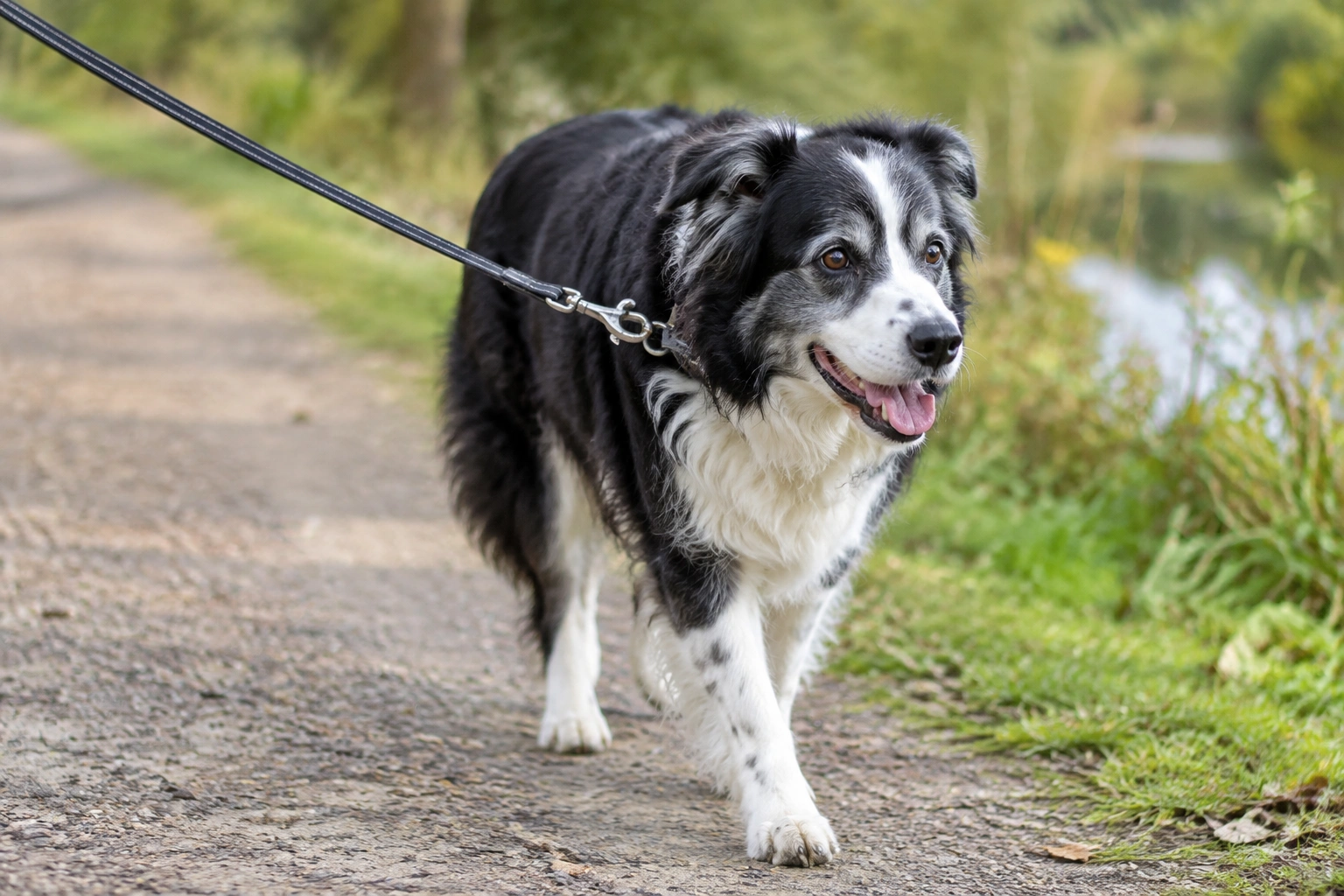
For many older Border Collies, that means:
– more frequent but slightly shorter walks
– steady warm-ups before intense activity
– fewer high-impact jumps and repeated hard stops
– more attention to recovery after work or play
– swapping some hard running or agility-style movement for leash walks, sniffing games, or controlled fetch on softer ground
This is the trade-off: too much restriction can lead to stiffness and muscle loss, but too much intensity can aggravate sore joints. A middle path usually works best.
Daily care: small changes prevent bigger problems
Useful senior-care habits include:
– keeping nails trimmed so footing stays stable
– watching for slipping on smooth floors
– using ramps or steps where needed
– maintaining a lean body condition
– tracking appetite, water intake, and bathroom habits
These may sound minor, but they are often the first line of defense against avoidable discomfort.
What Senior Veterinary Care Should Include
Senior care works best when it is proactive.
A senior wellness exam is not just a general checkup. It is a chance to look for changes that are easy to miss at home. Your veterinarian may focus on body condition, joint comfort, dental health, heart and organ function, and any shift in weight or behavior.
What senior wellness care often adds beyond a routine exam is:
– more frequent visits for many dogs, often every 6 months instead of once a year
– baseline or routine bloodwork
– urinalysis
– sometimes blood pressure checks or other screening tests, depending on the dog’s age and health
– a closer review of pain, mobility, and weight trends over time
As dogs age, wellness checks often become more valuable because small changes can signal bigger issues early. That is especially true for active dogs like Border Collies, where owners may assume the dog is “just slowing down a little.”
A practical approach is to ask your vet when your dog should move from annual to more frequent wellness visits. Many owners begin that discussion as the dog enters the senior window or sooner if symptoms appear.
When to Treat a Dog as Senior Even If the Age Rule Hasn’t Caught Up
Sometimes the right answer is to act on function, not age.
Treat a dog as senior sooner if you notice:
– stiffness after rest
– declining stamina
– reduced interest in long walks or training
– weight gain that is not easily explained
– muscle loss
– trouble jumping, climbing, or getting up
– a clear change in sleep, appetite, or behavior
This is especially important for Border Collies, because their drive can mask discomfort. A dog that still wants to work may still need senior-style care.
A useful rule: if the dog’s body is acting older than the age chart says it should, follow the body.
When to See a Veterinarian or Certified Trainer
See a veterinarian if your dog shows any of the following:
– appetite changes
– increased drinking or urination
– persistent stiffness or limping
– pain when touched or moved
– sudden behavior changes
– unexplained weight loss or gain
– reduced interest in normal activities
Those signs are not something to “watch for a few months” if they are persistent. Aging can explain some changes, but it should not be used to dismiss them.
If the issue is more about reduced confidence, slower responses, or changes in how your Border Collie handles training, a certified trainer can help you adapt routines without pushing the dog beyond what feels comfortable.
Practical Bottom Line for Border Collie Owners
If you want the simplest answer, here it is: a dog is often considered senior in the later adult years, but the exact age depends on size, breed, and health.
For Border Collies, the smartest approach is to watch for function first. If your dog is around 7 to 9 years old, that is a practical time to start thinking in senior terms; if the dog is younger but already stiff, slowing down, or losing muscle, treat those signs seriously either way.
That mindset helps you make better decisions about food, exercise, and veterinary care before small changes become bigger problems.
For more general guidance on aging and preventive care, the ASPCA’s pet care resources and the Kennel Club’s dog health information are also worth a look.
FAQ
At what age is a Border Collie considered a senior?
Many Border Collies begin entering senior years around 7 to 9 years old, though some may show senior-type changes earlier if they have arthritis, injury history, or other health issues.
When should senior wellness checks start?
For many dogs, senior wellness checks should begin around the time they enter the senior age range, and annual exams may become twice-yearly depending on health, breed, and your veterinarian’s advice.
What is the difference between senior and geriatric?
Senior usually means the dog is in the later adult life stage and may need more preventive care. Geriatric means the dog is further along and may need more support for mobility, organ health, or chronic conditions.
Can a dog be functionally senior before the age chart says so?
Yes. If a dog is stiff, losing muscle, recovering slowly, or showing other age-related changes, it can be sensible to adjust care early even if the dog is not yet at the typical senior age.
Do all senior dogs need a special diet?
Not always, but many benefit from a diet review. The right food depends on body condition, activity level, muscle mass, and any medical issues.
How often should an older dog see the vet?
Many senior dogs do well with checkups every 6 months, but the right schedule depends on the dog’s health and your veterinarian’s recommendations.
Should senior dogs still exercise?
Yes. Most senior dogs still need regular movement. The goal is usually to reduce impact and intensity, not stop exercise altogether.
What are the most common signs a dog is aging?
Common signs include stiffness after rest, slower recovery, reduced stamina, weight gain, muscle loss, and changes in sleep or behavior.