
Why Your Dog May Be Rubbing Her Butt on the Ground

If your dog is rubbing her butt on the ground, she is usually telling you that something back there feels wrong. Scooting is not a diagnosis; it is a symptom. Sometimes it is a brief nuisance, like a bit of dirt or a loose hair. Other times it points to anal gland trouble, parasites, diarrhea, skin irritation, or a problem that needs veterinary treatment.
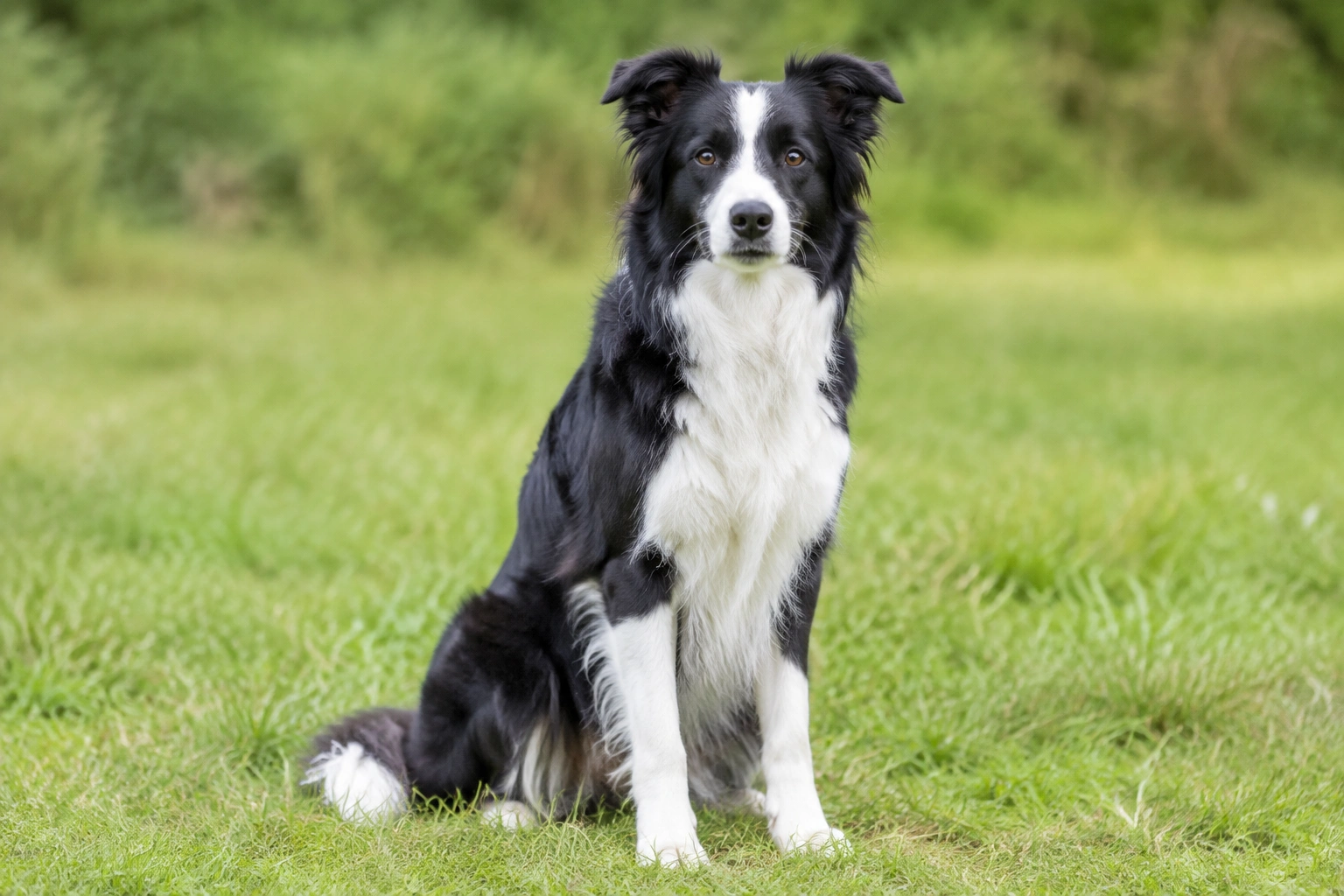
For Border Collie owners, this can be especially frustrating because these dogs are often busy, fast-moving, and stoic. A dog that is otherwise eager to work may still hide discomfort until the irritation becomes impossible to ignore. That is why repeated scooting deserves attention even when your dog still seems “fine.”
A useful rule: one isolated scoot after a messy stool may be worth watching for a day, but repeated scooting, licking, biting, or any swelling, odor, or pain means it is time to investigate.
What Butt Scooting Usually Means
Scooting is the act of dragging the anus along the floor, carpet, grass, or another surface. It usually means something is irritating the dog’s rear end, and that irritation can come from several causes, including infection, worms, or inflammation. That framing matters because it keeps you from assuming every scoot means the same thing.
One-off scooting vs. repeated scooting
A single scoot can happen after a soft stool, a small amount of debris, or a temporary itch. If your dog does it once, then stops, and the area looks normal, you can monitor closely.
Repeated scooting is different. It usually means the irritation is not resolving on its own. If the behavior keeps showing up over hours or days, or if your dog is also licking her rear, biting at the base of the tail, or acting uncomfortable when sitting, the problem is more likely to be anal gland trouble, parasites, or inflamed skin.
Why this matters for decision-making
The practical question is not “Is scooting ever normal?” It is “Does this look temporary or persistent?” Temporary irritation can clear with simple cleaning and observation. Persistent scooting needs a cause identified, because the fix depends on what is actually bothering the dog.
The Most Common Reasons Dogs Scoot
Several problems can trigger the same behavior, which is why the symptom alone does not tell you the answer.
Anal gland problems
Anal glands are small scent sacs on either side of the anus. They normally empty during defecation. When they do not empty well, they can become full, irritated, or impacted. That can create pressure, itching, and pain, and scooting becomes a way to relieve it.
This is one of the most common explanations veterinarians consider, especially if you notice a strong fishy odor, frequent licking, or discomfort when the dog sits. Soft stool can contribute because it may not provide enough pressure to empty the glands naturally.
Parasites, especially tapeworms
Intestinal parasites can also cause scooting. Tapeworms are a classic example because segments may pass through the rectum and irritate the area. Those segments can sometimes look like small white grains of rice near the anus or in the stool.
If you see that rice-like material, do not guess. A veterinarian should be consulted. Tapeworms are treatable, but treatment should match the parasite involved.
Diarrhea or soft stool
Loose stool can leave the rear end dirty and inflamed. Riverwood Petfood notes that recent diarrhea, or recurring diarrhea from something like a food allergy, can irritate the skin around the anus and lead to dragging. That is a simple but important point: the scooting may be a skin problem caused by stool, not just a gland problem.
This is one reason stool quality matters so much. Firm, formed stool helps keep the area cleaner and may help the anal glands empty more normally.
Allergies and skin irritation
Allergies can show up as itchy skin anywhere on the body, including the rear. When the skin around the anus is inflamed, the dog may scoot, lick, or bite to get relief. If the problem keeps returning, especially alongside recurring loose stool or other itchy skin signs, allergies move higher on the list.
Debris, matted fur, or foreign material
Sometimes the cause is mechanical rather than medical. A bit of grass seed, dried feces, tangled fur, or another piece of debris can irritate the area. Dogs with longer coats can be more prone to this because fur traps moisture and dirt.
That does not mean you should assume grooming is the whole issue. It just means a careful visual check can reveal a simple fix before the problem escalates.
How to Tell Anal Gland Trouble from Parasites or Skin Irritation
Here is the comparison that usually helps most owners narrow things down.
| Likely cause | Clues you may notice | What it often looks like | Next step | Urgency |
|---|---|---|---|---|
| Anal gland issue | Fishy odor, repeated scooting, licking, discomfort sitting | Rear may look normal or slightly swollen | Vet exam; glands may need assessment or treatment | Prompt if repeated or painful |
| Tapeworms or other parasites | May see rice-like segments, possible flea exposure, scooting | White segments may be visible near anus or in stool, but not always | Collect stool sample if advised; see vet | Prompt |
| Diarrhea or soft stool irritation | Recent loose stool, dirty fur, redness | Red, irritated skin around anus | Clean gently, monitor stool, vet if recurring | Moderate to prompt if ongoing |
| Skin irritation or allergies | Itching elsewhere, licking, recurring redness | Inflamed skin, sometimes no obvious odor | Vet evaluation if recurring | Prompt if persistent |
| Debris or matted fur | Visible dirt, stuck feces, tangles | Local irritation, no systemic signs | Safe cleaning and grooming | Lower urgency unless pain or swelling |
The clues that matter most
Odor often points toward anal glands, but anal gland problems do not always smell fishy. Rice-like pieces can point toward tapeworms, but parasites do not always show visible segments. Loose stool points toward irritation from diarrhea. Redness and itching elsewhere raise the odds of a skin issue or allergy.
No single clue is perfect, but the pattern usually narrows the field enough to decide whether you are dealing with a quick cleanup or a vet visit.
What You Can Safely Check at Home
You can look, clean, and observe. You should not probe, squeeze, or try to fix anything internally.
A safe rear-end check
Look for:
- Redness or swelling around the anus
- Moisture, discharge, or blood
- Feces stuck in the fur
- Small white rice-like segments
- Matted hair or debris
- Signs your dog flinches when you touch nearby skin
If your dog is calm, you can gently part the fur and inspect the area. Use plain lukewarm water or a pet-safe wipe if the area is dirty, then dry it well.
What not to do
Do not try to express the anal glands yourself unless a veterinarian has shown you how and told you it is appropriate for your dog. It is easy to cause pain, bruising, or a worse problem if you squeeze incorrectly or if the area is already inflamed.
Also avoid putting anything into the anus and avoid harsh cleaners. The goal is to observe and remove obvious surface irritation, not to treat a hidden problem at home.
Check the stool too
If you can, look at your dog’s stool from the same day. Firm, formed stool is a useful sign. Very soft stool, diarrhea, or mucus makes anal irritation more likely and also raises the value of a fecal exam if the behavior continues.
If parasites are suspected, a stool sample may be useful for the vet. Handle it safely, wash your hands, and store it as your veterinarian advises.
When Scooting Is More Than a Minor Irritation
Some signs mean you should not wait and watch.
Call a veterinarian promptly if you notice:
- Repeated scooting over more than a day
- Swelling near the anus
- Blood or discharge
- Strong foul odor
- Pain when sitting or defecating
- Lethargy
- Vomiting
- Trouble passing stool
- Visible white rice-like segments
- Your dog constantly licking or biting the rear
These signs suggest irritation is no longer mild. They can point to infection, impacted glands, parasites, or another issue that needs treatment.
When it becomes urgent
If your dog seems unable to poop, is in obvious pain, has a swollen rear end, or has blood or pus, do not wait for the behavior to “pass.” That is no longer routine scooting. It needs veterinary attention.
What a Veterinarian May Do to Find the Cause
A vet visit is often straightforward, and the goal is simple: identify what is irritating the dog.
Likely exam and testing
The veterinarian may:
- Examine the rear end and surrounding skin
- Check the anal glands
- Ask about stool quality, diet, and parasite prevention
- Recommend a fecal exam to look for parasites
- Look for signs of skin infection, inflammation, or allergy
If the dog has had diarrhea, the vet may focus on why the stool is loose, because the stool problem itself may be driving the scooting.
Why professional diagnosis matters
Scooting can look the same whether the cause is a full anal gland, a tapeworm, or inflamed skin. Treating the wrong cause wastes time and can make the problem return. That is why repeated scooting is best handled by a vet rather than by trial and error.
For general guidance on rear-end irritation and related causes, VCA Hospitals’ pet health resources are also a useful reference point for owners who want a veterinary perspective.
Treatment Options Based on the Cause
Treatment should match the cause, not the symptom.
Anal gland care
If the glands are full, impacted, or infected, the veterinarian may express them and may prescribe antibiotics or anti-inflammatories if infection or significant inflammation is present. Some dogs need follow-up care if the glands keep filling.
Parasite treatment
If tapeworms or another parasite is found, the vet will recommend the correct deworming treatment for the specific parasite identified. Buffalo Grove Animal Hospital notes that regular deworming and parasite prevention can reduce the risk of infestations and help keep a dog healthy. That is especially relevant if fleas are part of the picture, since fleas can be linked to tapeworm transmission.
Diarrhea and stool-quality improvement
If the rear irritation came after loose stool, the treatment may focus on resolving the diarrhea and protecting the skin while it heals. The practical target is firmer, more consistent stool, because that often helps reduce recurrence.
Skin irritation or allergy management
If the skin is inflamed from allergies or another dermatologic issue, the vet may address the underlying trigger rather than the scooting itself. That may involve diet changes, parasite control, or other medical management depending on the diagnosis.
Cleaning and grooming support
If debris, fecal buildup, or matted fur is part of the problem, careful cleaning and grooming can help. This is supportive care, not a cure if there is an underlying medical issue. Still, it can make a real difference in comfort while the main cause is being treated.
How to Prevent Scooting from Coming Back
Prevention is mostly about reducing the triggers that irritate the rear end.
Keep stool quality steady
Consistent, well-formed stool is one of the most practical prevention tools because it helps the area stay cleaner and may help the anal glands empty normally. If your dog has recurring soft stool, that deserves attention even if scooting is only occasional.
Stay on parasite prevention
Regular parasite prevention and deworming, as your veterinarian recommends, lowers the odds that worms will become part of the problem. If fleas are present, treat them seriously rather than treating them as a separate issue. Fleas can matter more than many owners realize when tapeworms are involved.
Keep the rear area clean and well-groomed
For dogs with longer coats or frequent outdoor activity, a quick post-walk check can catch debris, fecal buildup, or matted fur before it turns into irritation. Border Collies may not have the coat length of some breeds, but active dogs still pick up dirt, grass, and moisture that can irritate sensitive skin.
Follow up if the problem repeats
If scooting comes back after treatment, that is a clue, not a failure. It means the underlying trigger may not have been fully resolved, or there may be more than one problem at once. Recheck with your vet rather than assuming the issue is minor.
Border Collie and Active Dog Considerations
Border Collies are not exempt from rear-end problems just because they are fit, lean, or highly active. In fact, active dogs can make the issue harder to notice because they keep moving through discomfort.
A Border Collie that is still playing, herding, or training may be masking early irritation. If you notice scooting after field work, long walks, muddy conditions, or a bout of soft stool, do not dismiss it as “just being dirty.” Activity does not rule out anal gland trouble, parasites, or skin irritation.
The useful mindset is simple: high drive does not equal high tolerance. A dog can be energetic and still need help.
When to See a Veterinarian or Certified Trainer
For scooting, a veterinarian is the right first call when the behavior is repeated, painful, or paired with swelling, odor, blood, discharge, or stool changes. A certified trainer is not the main resource for this symptom unless the vet has ruled out medical causes and you are dealing with a secondary habit or stress-related behavior.
If you are unsure whether the issue is medical or behavioral, treat it as medical first. That is the safer path and usually the faster one.
Quick Takeaway
If your dog is rubbing her butt on the ground, think irritation first, diagnosis second. Check for stool changes, redness, odor, debris, and parasite clues. Watch a one-off event briefly, but do not ignore repeated scooting or any sign of pain. When in doubt, a vet exam is the fastest way to stop guessing and start solving the real problem.
FAQ
Is butt scooting ever normal?
A single scoot can happen after mild irritation, but repeated scooting is not something to brush off.
Can worms cause scooting even if I do not see them?
Yes. Parasites can irritate the area without obvious worms being visible. A fecal exam may be needed.
Should I squeeze my dog’s anal glands at home?
Not unless a veterinarian has taught you how and said it is appropriate for your dog. Doing it wrong can cause pain or injury.
Can diarrhea really make a dog scoot?
Yes. Loose stool can leave the area dirty and inflamed, which can trigger scooting.
What if my dog only scoots once?
Clean the area if needed and monitor. If it repeats, or if you see redness, odor, swelling, or rice-like segments, call your vet.