
Do Dogs Lose Appetite When They’re in Heat? What’s Normal and When to Worry

If your intact female dog is eating less during her heat cycle, that can be normal. A mild, short-term dip in appetite is common for some dogs in estrus. What matters is the pattern: a dog who skips a meal or eats smaller portions but otherwise seems bright, drinks normally, and shows typical heat signs is usually less concerning than a dog who refuses food completely or seems unwell.
The key is not to assume every appetite change is “just heat.” Reduced eating can also happen with illness, pain, pregnancy, or serious uterine infection. In other words, the appetite change itself is not the diagnosis — the full picture is.
Quick Answer: Is It Normal for a Dog to Lose Appetite When in Heat?
Yes, it can be normal for a dog to eat less when she’s in heat. Appetite changes are commonly reported during the estrus cycle, and for many dogs the decrease is mild and temporary. Some dogs may even eat a little more than usual, so the direction of the change is less important than whether it comes with other symptoms.
A practical rule of thumb:
- Probably normal: a small drop in appetite for a few days, with normal drinking and typical heat behavior
- Needs attention: refusing food completely, eating much less for more than a day, or acting tired, painful, or sick
That distinction matters because heat-related appetite changes usually come with other predictable signs, while illness-related appetite loss often comes with broader changes in energy, comfort, or discharge.
Why Heat Can Affect Eating
A dog in heat is going through hormonal shifts that affect more than reproduction. Changes in estrogen and progesterone can influence mood, restlessness, and appetite. Some dogs also seem distracted, clingier, or less settled, which can make them less interested in food at their usual mealtimes.
Some dogs seem a little off during estrus, and when a dog feels unsettled, she may eat less. That doesn’t mean she is in pain the way a human might describe menstrual cramps, but the overall experience can still make food less appealing for a short period.
This is one reason appetite changes during heat are usually temporary. As the cycle moves on, many dogs return to their normal eating pattern.
What Appetite Changes Are Typical During a Heat Cycle
A normal heat-related appetite change is usually mild, inconsistent, and short-lived.
What “mild” usually looks like
A dog may:
- leave part of her meal behind
- eat more slowly than usual
- skip one meal and then eat later
- prefer a smaller meal or a softer texture for a few days
That is different from a dog who turns away from all food, even highly palatable options, or who goes more than a day without eating.
How long it may last
Appetite changes can show up at different points in the heat cycle and may last a few days. If the appetite drop is tied to the cycle, it should generally improve as the dog’s overall behavior settles. If the pattern is getting worse, lasting longer, or paired with other symptoms, it deserves a closer look.
A useful decision line
Think in terms of trend, not just one meal:
- One missed meal: watch and offer food again later
- A day of smaller meals but normal energy and drinking: monitor closely
- Complete refusal to eat or a worsening appetite change: call your vet
If you want a broader reference for spotting heat itself, our guide on when Dachshunds go into heat explains the cycle signs in a practical way that applies to most intact female dogs.
Other Common Signs of Heat to Watch For
Appetite changes make more sense when you can connect them to the rest of the heat cycle. Common signs of estrus include:
- vulvar swelling
- vaginal discharge
- restlessness
- clinginess or increased affection
- more frequent urination
- greater interest from male dogs
These signs help you decide whether the appetite change is likely part of heat rather than a separate illness.
For example, a dog that is slightly off her food but also has swollen vulva, light discharge, and restless behavior is more likely experiencing a normal cycle. A dog that is not eating and has none of those signs may have something else going on.
When Reduced Appetite Is a Red Flag
A dog in heat can eat less and still be fine. The concern rises when the appetite loss comes with other symptoms that point away from a routine cycle.
Red flags to treat seriously
Contact a veterinarian promptly if your dog has any of the following:
- vomiting
- lethargy or weakness
- fever
- obvious pain
- bloated or tense abdomen
- foul-smelling or unusual discharge
- signs of dehydration
- complete refusal to eat
The combination matters. A dog who is quiet but still drinking and eating a little may need monitoring. A dog who is not eating, not drinking well, and seems weak is a much more urgent situation.
Why dehydration deserves special attention
When a dog eats less, water intake can also drop. That increases the risk of dehydration, especially if she is also panting, vomiting, or not drinking normally. Check that fresh water is always available and notice whether the bowl is being used as usual.
How long is too long without food?
There is no perfect number for every dog, but as a general rule of thumb, a healthy dog in heat should not go much longer than about a day without eating before you speak to a veterinarian. That said, don’t wait that long if your dog is a puppy, a small dog, has a medical condition, is showing signs of dehydration, or seems sick in any other way. Earlier veterinary advice is also warranted if she has systemic signs such as vomiting, lethargy, fever, pain, or weakness.
Heat vs. Pregnancy vs. Illness: How to Tell the Difference
When an intact female dog eats less, the big question is whether this is normal heat behavior, early pregnancy, or a medical problem.
| Pattern | More likely explanation | Urgency | Next step |
|---|---|---|---|
| Mild appetite drop, normal drinking, normal heat signs, otherwise bright | Heat-related change | Low to moderate | Monitor at home |
| Appetite drop plus possible mating exposure | Pregnancy is possible, but veterinary evaluation is needed to sort this out | Moderate | Call vet to discuss timing and testing |
| Refusing food, vomiting, lethargy, fever, pain, or foul discharge | Illness, especially pyometra or another infection | High | Seek veterinary care promptly |
| Eating less with no clear heat signs | Not clearly heat-related | Moderate to high | Veterinary evaluation is wise |
Heat vs. pregnancy
Pregnancy cannot be confirmed by appetite alone. If your dog may have had access to a male, reduced appetite could be part of early pregnancy — or it may still be heat-related. Because early pregnancy signs are not reliable enough to distinguish from heat-related appetite change, the practical move is to contact your veterinarian for guidance on timing and evaluation rather than guessing.
Heat vs. pyometra
Pyometra is a serious uterine infection that can be life-threatening. It often shows up with lethargy, vomiting, fever, abdominal discomfort, and abnormal discharge. Appetite loss is common, but it is rarely the only sign. If your dog seems truly unwell, don’t wait to see whether she “snaps out of it.”
For a general veterinary reference on heat and reproductive health, the Merck Veterinary Manual is a solid place to understand why these signs need careful interpretation.
What You Can Do at Home to Encourage Eating and Hydration
If your dog is otherwise acting normal, a few low-risk adjustments can make meals more appealing without changing her diet dramatically.
Try smaller, more frequent meals
A full bowl can be unappealing when a dog feels off. Offer a smaller portion, then try again later if she ignores it. This is often better than leaving a large meal down all day.
Make the food easier to accept
A little warmth can improve aroma and make food more tempting. You can also offer her usual food in a quiet place with fewer distractions. Keep the change temporary and simple; this is not the time for a major diet overhaul.
Watch the water bowl
Hydration matters more when appetite is down. Make sure clean water is available in more than one spot if needed. If she is drinking less than usual, that is more important than a slightly reduced appetite and should be noted carefully.
Keep the environment calm
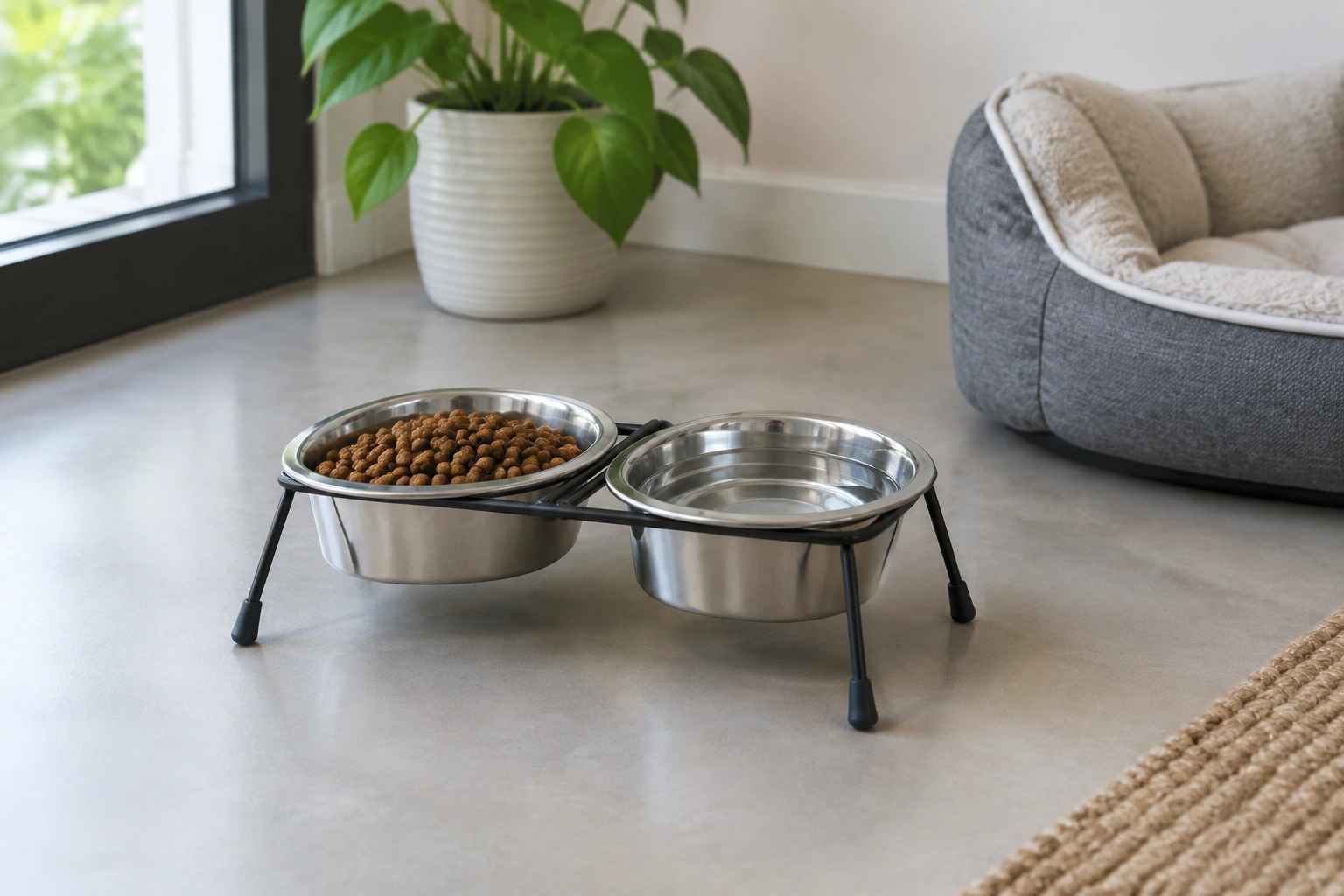
Some dogs in heat are restless or distracted. A quiet feeding area can help. Avoid overstimulating situations, especially if male dogs nearby are making her more agitated.
Don’t rely on treats alone
A few tempting bites are fine, but replacing meals with treats can make it harder to judge whether her appetite is truly improving. The goal is to support normal eating, not to create a new feeding habit.
When to Call Your Veterinarian
Call your veterinarian if any of these apply:
- your dog refuses food completely
- she eats much less for more than a day
- she is not drinking normally
- she has vomiting, diarrhea, fever, pain, or lethargy
- her discharge is foul-smelling, heavy, or unusual
- you suspect pregnancy because she may have mated
- the appetite change is getting worse instead of better
If you’re unsure, it is reasonable to call sooner rather than later. A short phone conversation can help you decide whether home monitoring is appropriate or whether your dog needs to be seen.
A practical way to decide
Ask yourself three questions:
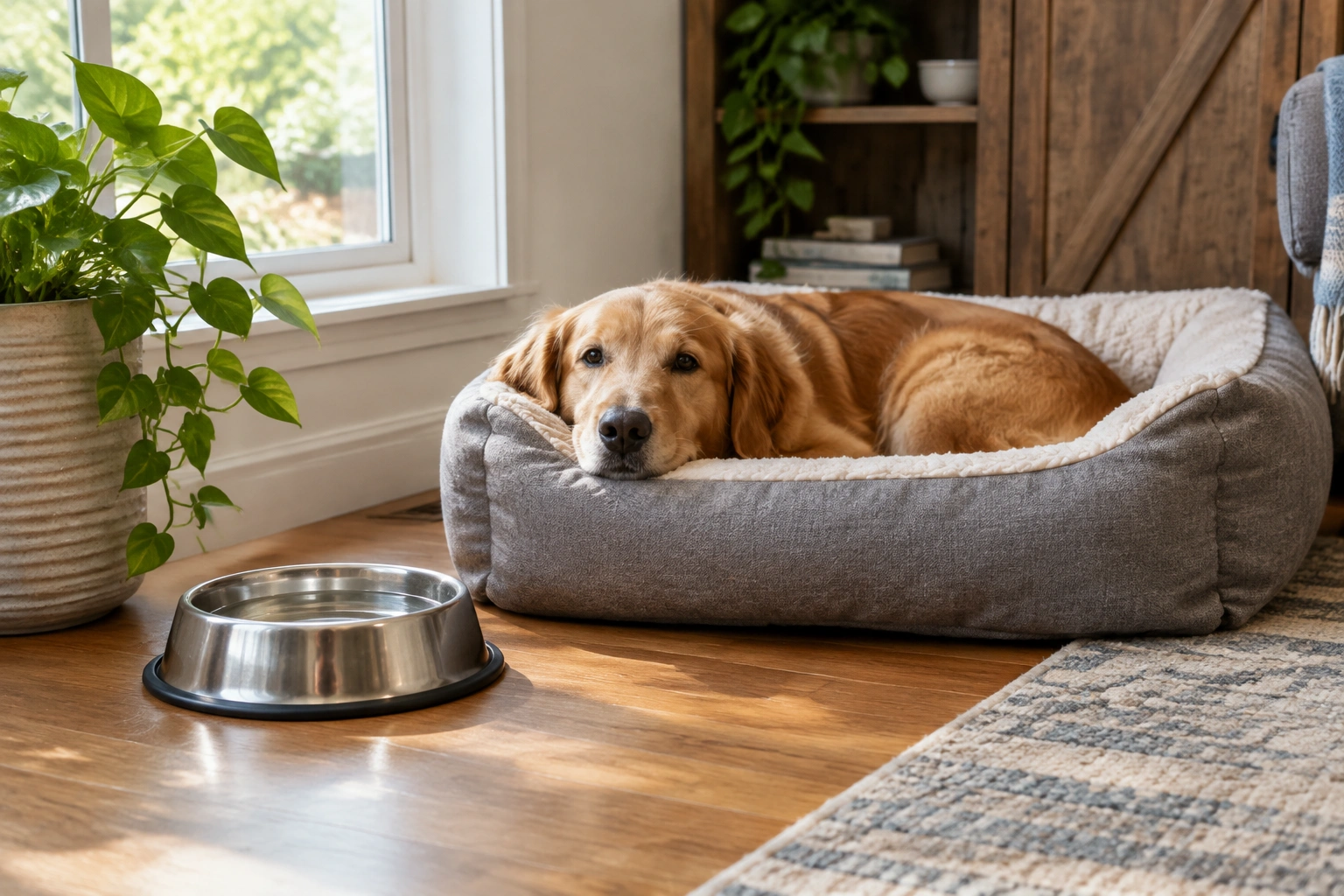
- Is she still drinking?
- Does she have normal heat signs, or does she seem sick?
- Has the appetite change lasted longer than a day or become complete refusal?
If the answer to any of those raises concern, contact your vet.
FAQ: Common Questions About Appetite Loss During Heat
How much appetite loss is normal when a dog is in heat?
A mild decrease is common. Skipping part of a meal, eating slower, or being less interested in food for a short period can fit normal heat behavior. Complete refusal to eat is not something to brush off.
How long can a dog go without eating during heat?
If your dog refuses food for more than about a day, or sooner if she seems weak or unwell, call your veterinarian. The length of time matters less than the overall picture.
Can a dog in heat still drink normally?
Yes, and she should. Normal drinking is reassuring. Reduced drinking, especially along with reduced eating, is more concerning because dehydration can develop.
Should I change her food during heat?
Usually no major change is needed. Temporary adjustments like smaller meals or slightly warming her usual food are safer than switching diets suddenly. If she keeps refusing food, ask your vet before making bigger changes.
Could loss of appetite mean she’s pregnant?
It could, especially if she may have mated. Appetite changes alone cannot confirm pregnancy. Your veterinarian can advise you on when evaluation or testing makes sense.
When should I worry about pyometra?
Worry if appetite loss comes with lethargy, vomiting, fever, pain, abdominal swelling, or abnormal discharge. Pyometra is an emergency-level concern, not a wait-and-see issue.
Is it normal for some dogs to eat more when they’re in heat?
Yes, some dogs do. Appetite changes are not always a decrease. That’s why the full set of symptoms matters more than appetite alone.
Bottom Line
So, do dogs lose appetite when in heat? Yes — a mild, temporary decrease can be normal. The safest approach is to watch the whole pattern: normal heat signs plus a slightly reduced appetite usually points to estrus, while complete refusal to eat, dehydration, vomiting, fever, pain, or foul discharge points to a problem that needs veterinary attention.
If you’re ever stuck between “wait and watch” and “call the vet,” choose the option that keeps your dog safest.