

Quick Answer
No, Border Collies don’t generally get sick easily. They are considered a relatively healthy, hardy breed, but they can inherit certain eye, joint, neurological, and genetic conditions. The Border Collie health guide from PetMD lists several conditions owners should know about.
Health signs worth watching
- Movement changes: Limping, stiffness, or reluctance to jump can signal joint pain.
- Vision problems: Bumping into objects or unusual hesitation can justify an eye examination.
- Seizure activity: Collapse, paddling, stiffening, or unexplained staring needs veterinary attention.
- Frequent illness: Repeated infections, poor growth, or persistent digestive problems should not be dismissed as normal for the breed.
- Sudden behavior changes: Unusual weakness, confusion, or loss of coordination deserves investigation.
How to confirm a problem
- Track when symptoms appear, record video when useful, and let your veterinarian determine whether testing is needed.
I’ve lived around energetic Border Collies long enough to know how easy it is to mistake their toughness for invincibility. A dog that wants another game of fetch can still be hiding pain or developing a health problem.
This guide explains whether Border Collies are naturally sickly, which conditions deserve attention, and what owners can do to protect their health in 2026.
In This Guide
- Are Border Collies generally a healthy breed?
- What health problems are common in Border Collies?
- Do Border Collies catch illnesses easily?
- When are Border Collies most vulnerable to health problems?
- How can I tell if my Border Collie is sick?
- How can I keep my Border Collie healthy?
- What health tests should Border Collies have?
- When does a Border Collie need emergency care?
- Frequently asked questions
- Final takeaway
Are Border Collies generally a healthy breed?
Yes. Border Collies are generally considered healthy working dogs rather than a breed that becomes ill unusually often.
PetMD lists an average lifespan of about 12–15 years. Genetics, nutrition, activity, preventive care, and individual health all affect how long a particular dog lives.
A Border Collie’s health risk is the combination of ordinary canine illnesses and certain inherited conditions found within the breed. A predisposition doesn’t mean your dog will develop that disease.
- Working heritage: Border Collies were developed for demanding herding work and athletic movement.
- High activity: Healthy adults commonly tolerate substantial exercise, although excessive or inappropriate activity can still cause injuries.
- Genetic concerns: Some eye, neurological, joint, and drug-sensitivity conditions occur in the breed.
- Individual variation: Two Border Collies from different genetic lines can have very different health histories.
One mistake I avoid is judging health only by energy level. These dogs are often eager to work even when something isn’t quite right.
A change from your dog’s normal pattern matters more. Watch appetite, gait, sleep, thirst, bathroom habits, vision, and enthusiasm for familiar activities.
Vet note: Breed tendencies can’t diagnose an individual dog. Discuss persistent or unusual symptoms with your veterinarian.
What health problems are common in Border Collies?
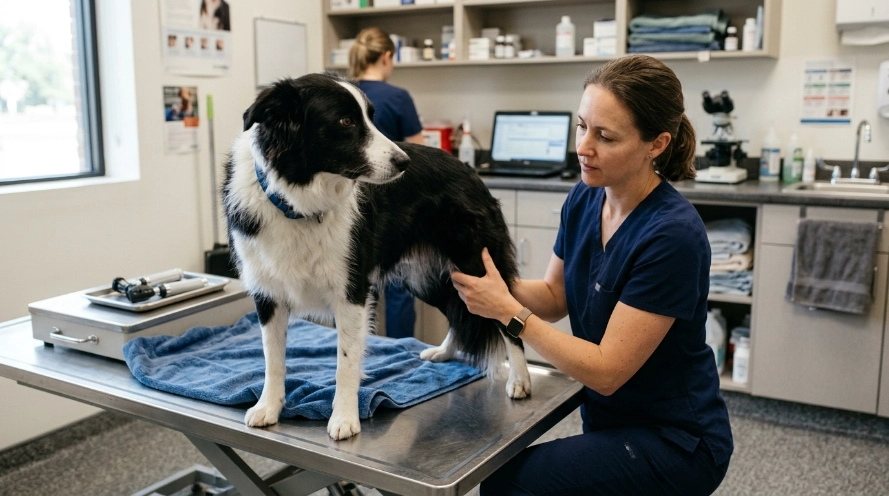
The breed has several recognized health concerns, but no single condition affects every Border Collie. Responsible screening can identify or reduce the risk of some inherited problems.
| Condition | What it can affect | Timing or clue | Useful screening/action |
|---|---|---|---|
| Hip dysplasia | Hip joint and mobility | Stiffness, pain, lameness, or altered gait | Veterinary examination and appropriate hip imaging |
| Collie eye anomaly | Eye development and vision | Present from birth and detectable in young puppies | Genetic and veterinary eye screening |
| Epilepsy | Brain and nervous system | PetMD notes onset commonly around 2–5 years in affected Border Collies | Veterinary evaluation after seizure activity |
| MDR1 mutation | Sensitivity to certain medications | Inherited; problems can appear after exposure to an affected medication | DNA testing and medication review with a veterinarian |
| Trapped neutrophil syndrome | Immune function | Affected puppies may show poor growth and recurring infections | Genetic testing in breeding lines |
| Neuronal ceroid lipofuscinosis | Neurological function | PetMD notes signs may develop around 15–20 months | Genetic screening of breeding dogs |
Hip dysplasia
Hip dysplasia involves abnormal development and instability of the hip joint. Signs can include stiffness, reduced range of motion, lameness, pain, or a bunny-hopping gait.
The Merck Veterinary Manual’s hip dysplasia guidance explains that heredity, growth, nutrition, and exercise can influence the condition.
Epilepsy and seizures
Border Collies are among the breeds that can develop epilepsy. Affected dogs may fall, stiffen, paddle their legs, drool, or show unusual behavior during a seizure.
A dog can seem completely normal between episodes. Recording a safe video and timing the event can provide useful information for your veterinarian.
Eye and genetic disorders
Collie eye anomaly can alter the structures inside the eye and may cause vision problems. Genetic screening is particularly important in breeding programs.
MDR1 is different because it affects how some dogs handle certain drugs. Tell your veterinarian about known DNA results before medications are prescribed.
Vet note: Never change medication or diagnose a genetic disorder from symptoms alone. Your veterinarian can decide which examinations or tests are appropriate.
Do Border Collies catch illnesses easily?
Most healthy Border Collies aren’t considered unusually susceptible to everyday infections simply because they’re Border Collies. They can still catch infectious diseases, parasites, and stomach bugs like other dogs.
This distinction matters. A breed can have inherited health risks without having a generally weak immune system.
Genetic disease is not the same as frequent sickness
Hip dysplasia, epilepsy, and inherited eye disorders aren’t illnesses a dog catches from another animal. They involve genetics, development, or other biological factors.
Trapped neutrophil syndrome is different because it compromises immune function in affected Border Collies. It is a specific inherited disorder, not evidence that the entire breed has poor immunity.
Border Collies still need infectious-disease protection
Vaccination, parasite prevention, clean water, sensible hygiene, and appropriate veterinary care matter for every dog. Puppies need particular protection while their immune system and vaccination coverage are developing.
- Parvovirus: A serious infectious disease, especially concerning in inadequately vaccinated puppies.
- Distemper: A preventable viral disease that can cause severe systemic and neurological illness.
- Leptospirosis: Exposure can occur through environments contaminated with infected urine.
- Tick-borne disease: Risk varies with location, travel, and tick exposure.
- Intestinal parasites: Routine prevention and testing should follow veterinary advice.
You can review the AKC overview of common canine diseases for broader infectious-disease information.
Vet note: Vaccination and parasite-control plans should be tailored to your dog’s age, region, lifestyle, travel, and medical history.
When are Border Collies most vulnerable to health problems?
Health risks change with age. Puppies, athletic adults, and senior Border Collies need different kinds of attention.
Puppies
Young puppies deserve close monitoring for poor growth, repeated digestive problems, weakness, eye abnormalities, and infections. This is also when breeder health information becomes especially valuable.
- Keep vaccinations and parasite care on schedule with your veterinarian.
- Avoid uncontrolled exposure to infectious environments before your veterinarian says it’s appropriate.
- Watch growth, appetite, stools, and energy.
- Build exercise gradually rather than forcing long-distance activity.
Active adults
Adult Border Collies often make health problems harder to notice because they remain driven to play and work. Watch how your dog moves before, during, and after activity.
When I’m assessing an active dog, I pay special attention to the walk after rest. A subtle stiffness after lying down can be easier to spot than discomfort during an exciting game.
Senior Border Collies
Older dogs may develop mobility changes, dental disease, vision problems, lumps, weight changes, or age-related organ disease. Don’t automatically write every change off as old age.
A noticeable loss of stamina can have many causes. A veterinary examination is more useful than simply reducing exercise and hoping it resolves.
Vet note: Ask your veterinarian how often your individual Border Collie should receive wellness examinations and age-related screening.
How can I tell if my Border Collie is sick?
Look for a change from your dog’s normal behavior rather than waiting for dramatic symptoms. Border Collies often have predictable daily routines, which can make changes easier to notice.
- Eating: Reduced appetite or suddenly refusing normal meals.
- Drinking: A noticeable increase or decrease in water intake.
- Digestion: Repeated vomiting, diarrhea, constipation, or blood in stool.
- Movement: Limping, stiffness, weakness, stumbling, or reluctance to jump.
- Breathing: Labored breathing or abnormal breathing at rest.
- Neurological signs: Seizures, collapse, unexplained circling, tremors, or loss of coordination.
- Eyes: Redness, cloudiness, discharge, squinting, or signs of reduced vision.
- Behavior: Hiding, unusual irritability, confusion, restlessness, or loss of interest in normal activities.
One isolated mild change doesn’t always mean serious disease. Persistent, worsening, or multiple symptoms deserve veterinary advice.
Keep simple notes when something seems wrong. Dates, meal intake, stool changes, exercise tolerance, and short videos can help your vet see a pattern.
Vet note: Online symptom lists cannot determine the cause of illness. Seek professional care when you’re concerned about a change in your dog’s health.
How can I keep my Border Collie healthy?
You can’t prevent every inherited disease, but good preventive care can reduce avoidable health problems. Consistency matters more than chasing complicated wellness routines.
- Keep your dog lean: Extra body weight increases stress on joints and can make exercise harder.
- Feed a complete diet: Choose food appropriate for your dog’s life stage and discuss special needs with your veterinarian.
- Exercise sensibly: Border Collies need activity, but workload should match age, conditioning, weather, and health.
- Include mental work: Training, scent games, controlled herding activities, and problem-solving can help satisfy this working breed.
- Maintain preventive care: Follow veterinary recommendations for vaccines, parasite prevention, dental health, and checkups.
- Check after outdoor activity: Look at paws, pads, nails, coat, skin, and body for injuries, ticks, seeds, or irritation.
- Know the baseline: Learn your dog’s normal appetite, gait, breathing, stools, sleep, and energy.
I also avoid the idea that more exercise is always better. A Border Collie’s enthusiasm can exceed its current conditioning, particularly after an injury or a long period of reduced activity.
Build demanding exercise progressively. Give growing puppies and recovering dogs a routine suited to their veterinary needs.
Vet note: Ask your veterinarian about body condition, nutrition, exercise limits, and preventive care for your specific dog.
What health tests should Border Collies have?
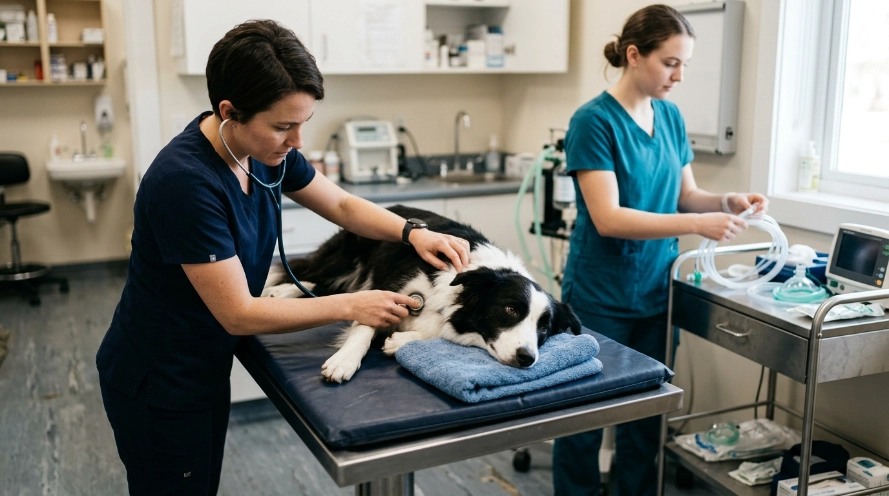
Health testing matters most before breeding and when evaluating a puppy’s background. Testing can’t guarantee a disease-free dog, but it can reduce avoidable genetic risk.
The AKC Herding Group health testing guidance lists hip evaluation plus DNA tests for degenerative myelopathy and PRA-rcd3 among the recommended tests from the Border Collie’s national breed club.
Questions to ask a breeder
- What health screening was completed on both parents?
- Can I see the actual test results rather than only a verbal assurance?
- Have close relatives developed epilepsy, significant eye disease, or serious orthopedic problems?
- Which DNA tests were used for the breeding pair?
- Has the puppy already received a veterinary examination?
- What health issues have appeared in previous litters from these lines?
A DNA panel should not replace physical examinations, orthopedic evaluation, or appropriate eye care. Different diseases require different forms of screening.
If you already own your Border Collie, don’t panic because every possible test wasn’t completed before purchase. Share what you know with your veterinarian and build a sensible health plan from there.
Vet note: Genetic test results can be complex. Have your veterinarian or a knowledgeable breeding-health professional help interpret results when needed.
When does a Border Collie need emergency care?
Some symptoms shouldn’t wait for a routine appointment. Breathing problems, poisoning, severe trauma, uncontrolled bleeding, loss of consciousness, and ongoing seizures can require immediate veterinary care.
- Trouble breathing: Seek urgent veterinary help for obvious breathing difficulty.
- Collapse: Sudden collapse or loss of consciousness needs prompt assessment.
- Possible poisoning: Contact a veterinarian or appropriate poison service immediately.
- Severe bleeding: Uncontrolled bleeding is an emergency.
- Repeated dry retching: Especially with abdominal swelling or severe discomfort, this can signal a dangerous stomach emergency.
- Ongoing seizure: A seizure lasting more than five minutes requires emergency treatment.
- Major trauma: Vehicle impacts, serious falls, and major wounds warrant urgent assessment even if the dog initially seems alert.
The VCA guide to seizures in dogs identifies a seizure continuing beyond five minutes as status epilepticus, which requires urgent treatment.
During a seizure, move dangerous objects away if you can do so safely. Don’t put your hands or objects inside the dog’s mouth.
For other emergencies, call your veterinary clinic while arranging transport when possible. Clear information about what happened can help the clinic prepare.
Vet note: When symptoms are severe or rapidly worsening, contact an emergency veterinarian rather than waiting to see whether your Border Collie improves.
Frequently asked questions
Do Border Collies have weak immune systems?
Healthy Border Collies aren’t generally described as a breed with weak immune systems. However, trapped neutrophil syndrome is an inherited Border Collie disorder that can compromise immune function in affected dogs and lead to recurring infections.
What is the most common health problem in Border Collies?
There isn’t one condition that every Border Collie develops. Recognized concerns include hip dysplasia, epilepsy, inherited eye disease, medication sensitivity, and several breed-specific genetic disorders, so screening and family history matter.
How long do healthy Border Collies live?
PetMD gives a typical Border Collie lifespan of about 12–15 years. Individual lifespan varies with genetics, accidents, disease, body condition, nutrition, preventive veterinary care, and other factors.
Why is my Border Collie suddenly getting sick often?
Repeated vomiting, diarrhea, infections, weight loss, weakness, or other recurring symptoms shouldn’t automatically be blamed on the breed. Keep a symptom record and arrange a veterinary examination so the underlying cause can be investigated.
Are Border Collie puppies fragile?
Border Collie puppies are not inherently fragile, but young puppies are still developing. They need appropriate vaccination, parasite prevention, nutrition, safe exercise, and monitoring for congenital or inherited problems.
Are Border Collies healthier than Australian Shepherds?
Both are active herding breeds with recognized inherited health risks. It is more useful to examine the individual dog’s family history, breeder screening, veterinary records, lifestyle, and current health than assume one breed will always be healthier.
Should I get genetic testing for my Border Collie?
Genetic testing can be useful, especially for breeding dogs or when family history is unknown. The appropriate panel depends on your dog’s background, so discuss results and testing priorities with your veterinarian rather than relying on a consumer DNA report alone.
Do Border Collies get sick easily? Final takeaway
No. A well-bred, well-cared-for Border Collie is generally a hardy dog, but the breed isn’t free from health risks.
The key is knowing which problems can occur without assuming they will occur. Pay particular attention to joint health, eyes, neurological symptoms, medication sensitivities, and inherited disease history.
Learn your dog’s normal behavior and investigate meaningful changes early. That simple habit has helped me more than any complicated checklist when caring for active Border Collies.
Combine good breeding decisions, sensible exercise, healthy body condition, preventive care, and regular veterinary guidance. Those basics give a Border Collie the best chance to stay active and comfortable for years.
Vet note: This guide is educational and isn’t a substitute for diagnosis or treatment from your veterinarian.
