
How to Tell If Your Dog Has Parvo: Warning Signs, Urgency, and Next Steps

If your dog is vomiting, has diarrhea, seems unusually tired, or has stopped eating, parvo is one of the illnesses you should take seriously right away. Canine parvovirus can move fast, especially in puppies and under-vaccinated dogs, and the early signs can look like a simple stomach upset before things escalate.
The hard part is that you usually cannot confirm parvo by symptoms alone. A dog with parvo, a dog that ate something irritating, and a dog with another infection can all look similar at first. That is why the goal is not to self-diagnose at home. The goal is to recognize when the pattern is suspicious enough to isolate the dog and contact a veterinarian immediately.
What parvo looks like at first
If you are wondering which early signs are most suspicious for parvo versus a minor stomach upset, look for a cluster of symptoms rather than one isolated issue. One mild symptom by itself is less alarming than several symptoms appearing together in a puppy or under-vaccinated dog.
Watch for this pattern:
- loss of appetite
- low energy or unusual quietness
- vomiting
- diarrhea, which may start mild and worsen
- fever or a dog that feels warm and then suddenly weak
- signs of dehydration, such as a dry mouth or tacky gums
A dog that just seems “off” for a few hours may still be in the early stage. What makes parvo concerning is the combination and the speed. A puppy that refuses food, vomits more than once, and then develops diarrhea should be treated as urgent until a veterinarian says otherwise.
One practical rule helps here: if the dog is young, under-vaccinated, and has both vomiting and diarrhea, do not wait to see whether it “passes.” That is the kind of case where time matters.
How fast parvo can worsen
Parvo is dangerous partly because a dog may look only mildly ill before becoming much sicker. In puppies especially, the illness can worsen over hours and often become much more serious within 1 to 2 days.
A typical worsening pattern looks like this:
Early stage
The dog is tired, stops eating, and may vomit once or twice. Diarrhea may not be obvious yet.
Middle stage
Vomiting becomes repeated. Diarrhea starts or gets worse. The dog may drink but cannot keep water down well. Energy drops further.
Late stage
The dog becomes weak, dehydrated, and may have bloody diarrhea. Some dogs become too weak to stand or respond normally.
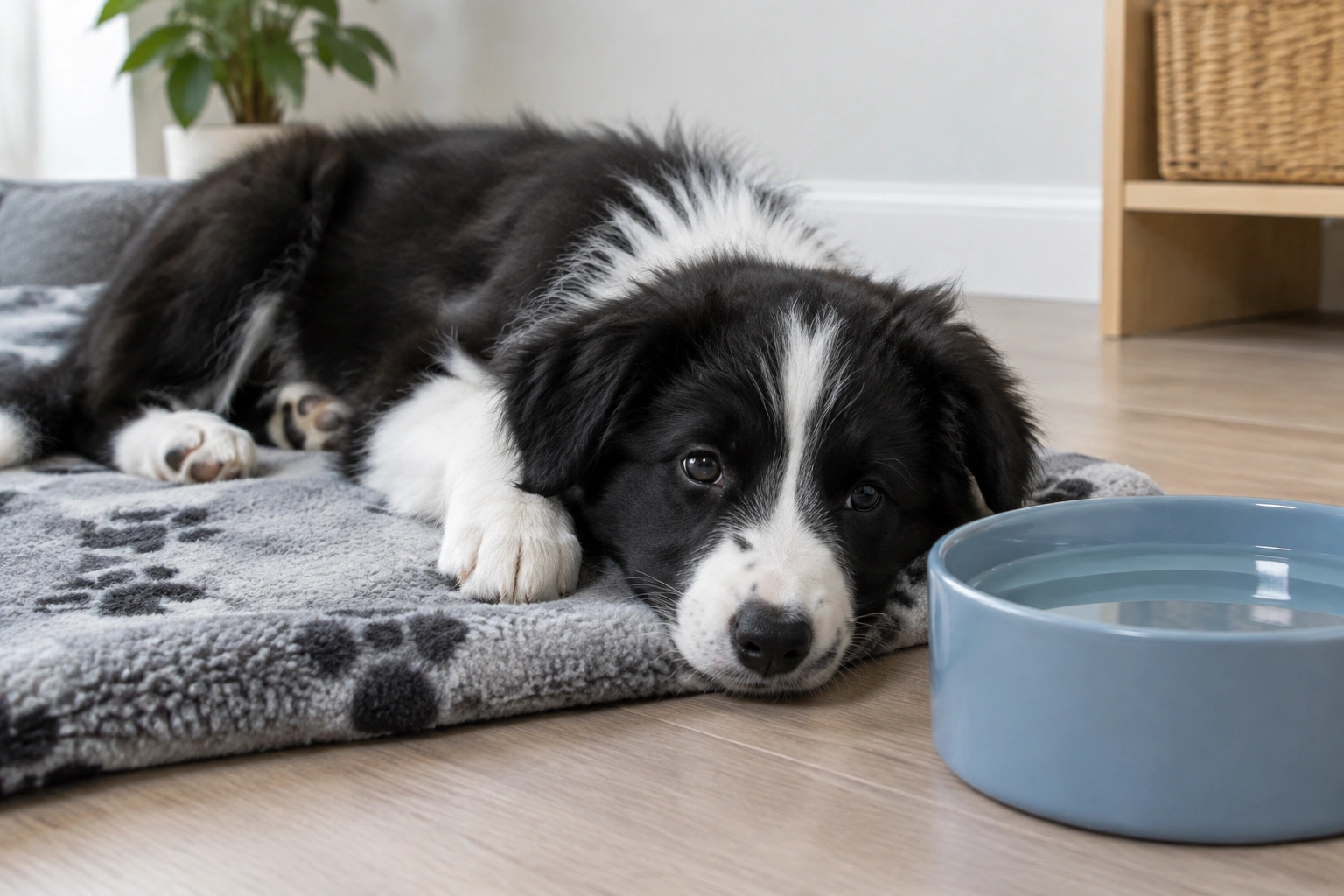
That progression is why “monitoring overnight” can be a bad gamble in a young dog. If a puppy is already vomiting and having diarrhea, the risk is not just discomfort; it is rapid fluid loss and a body that may no longer be able to keep up.
If your dog seems to be getting worse over hours instead of days, treat that as a red flag.
Who is most at risk for parvo
Certain dogs deserve a much lower threshold for concern.
Higher-risk dogs include:
- puppies, especially very young puppies
- dogs that are under-vaccinated or not fully vaccinated
- newly adopted dogs with unknown vaccine history
- dogs exposed to unknown dogs, shelters, dog parks, or high-traffic public areas
- dogs that may have had contact with contaminated feces or surfaces
Vaccination lowers risk, but it does not make parvo impossible. A vaccinated dog can still get parvo in rare cases, especially if it is very young, not fully vaccinated, or exposed to a heavy virus load. Even so, vaccination greatly reduces the chance of infection and can make severe disease less likely.
A useful decision filter is this: the younger and less protected the dog, the less you should “wait and see.”
Parvo vs. other common causes of vomiting and diarrhea
This comparison is where many owners get stuck. Vomiting and diarrhea can come from a simple stomach upset, worms, heat stress, poisoning, or a viral illness like parvo. The symptom pattern and context matter.
| Possible cause | Typical pattern | Risk context | Urgency |
|---|---|---|---|
| Parvo | Vomiting, diarrhea that may become severe or bloody, lethargy, loss of appetite, dehydration | Highest concern in puppies and under-vaccinated dogs | Same-day vet care, often urgent |
| Upset stomach / dietary indiscretion | Mild vomiting or soft stool after eating something unusual | Dog may still be bright and interested in food or water | Monitor closely, vet if it continues or worsens |
| Worms / parasites | Diarrhea, sometimes weight loss or a poor coat; vomiting is less central | More likely with exposure history or missed deworming | Vet visit, but usually less sudden than parvo |
| Heat exhaustion | Panting, weakness, drooling, vomiting, collapse risk | Hot weather, exercise, poor ventilation | Emergency if severe |
| Poisoning | Vomiting, drooling, weakness, tremors, collapse, abnormal behavior | Access to toxins, human meds, chemicals, garbage, plants | Emergency |
The biggest difference is often the overall picture. A dog with a mild stomach upset may still be bright, interested in water, and improving. A dog with parvo usually trends the other way: more lethargic, less interested in food, more likely to vomit repeatedly, and more likely to become dehydrated.
If you are weighing parvo against poisoning or heat exhaustion, do not get stuck on the label. Both can also become emergencies quickly, and both deserve prompt veterinary advice.
For a broader look at urgent GI warning signs, see how to spot a possible dog blockage. The symptom patterns are different, but the decision-making is similar: repeated vomiting plus weakness is not something to watch casually.
When to treat it as an emergency
A dog with suspected parvo needs a veterinarian promptly. Some signs push this from “call today” to “go now.”
Seek urgent veterinary care if your dog:
- is vomiting repeatedly
- has bloody diarrhea
- seems weak, wobbly, or unable to stand normally
- cannot keep water down
- shows obvious dehydration
- is collapsing or barely responsive
- is a puppy with vomiting and diarrhea together
If the dog is a very young puppy, already dehydrated, or getting worse quickly, emergency clinic care may be the safer choice rather than waiting for a regular appointment.
Here is the practical rule I use: if the dog cannot keep fluids down, is becoming weak, or has bloody diarrhea, do not delay for home observation. That is not a “let’s see what happens” situation.
What to do right now if you suspect parvo
Your next steps should be simple and fast.
-
Call a veterinarian immediately.
Tell them the dog’s age, vaccination status, and symptoms. -
Limit contact with other dogs.
Keep the sick dog away from shared spaces, bowls, bedding, and potty areas. -
While waiting for veterinary advice, do not force food or water if the dog is vomiting.
If the dog is actively vomiting, forcing food or fluids can make things worse. If the dog is not vomiting and is alert, ask your vet whether small amounts of water are okay while you head in. -
Do not delay care trying to “wait it out.”
If the symptoms fit parvo, the risk is in the waiting. -
Bring notes to the clinic.
Write down when vomiting started, whether diarrhea is present, and whether the dog has been exposed to other dogs. -
Do not give random human medications.
Some can make vomiting, dehydration, or poisoning concerns worse.
If the dog is weak, collapsing, or unable to keep water down, go to an emergency clinic rather than trying to manage this at home.
How to isolate the sick dog and protect other pets
Treat suspected parvo as contagious until a vet rules it out. Before diagnosis is confirmed, assume other dogs in the house could be exposed through feces, paws, bowls, bedding, and shared surfaces.
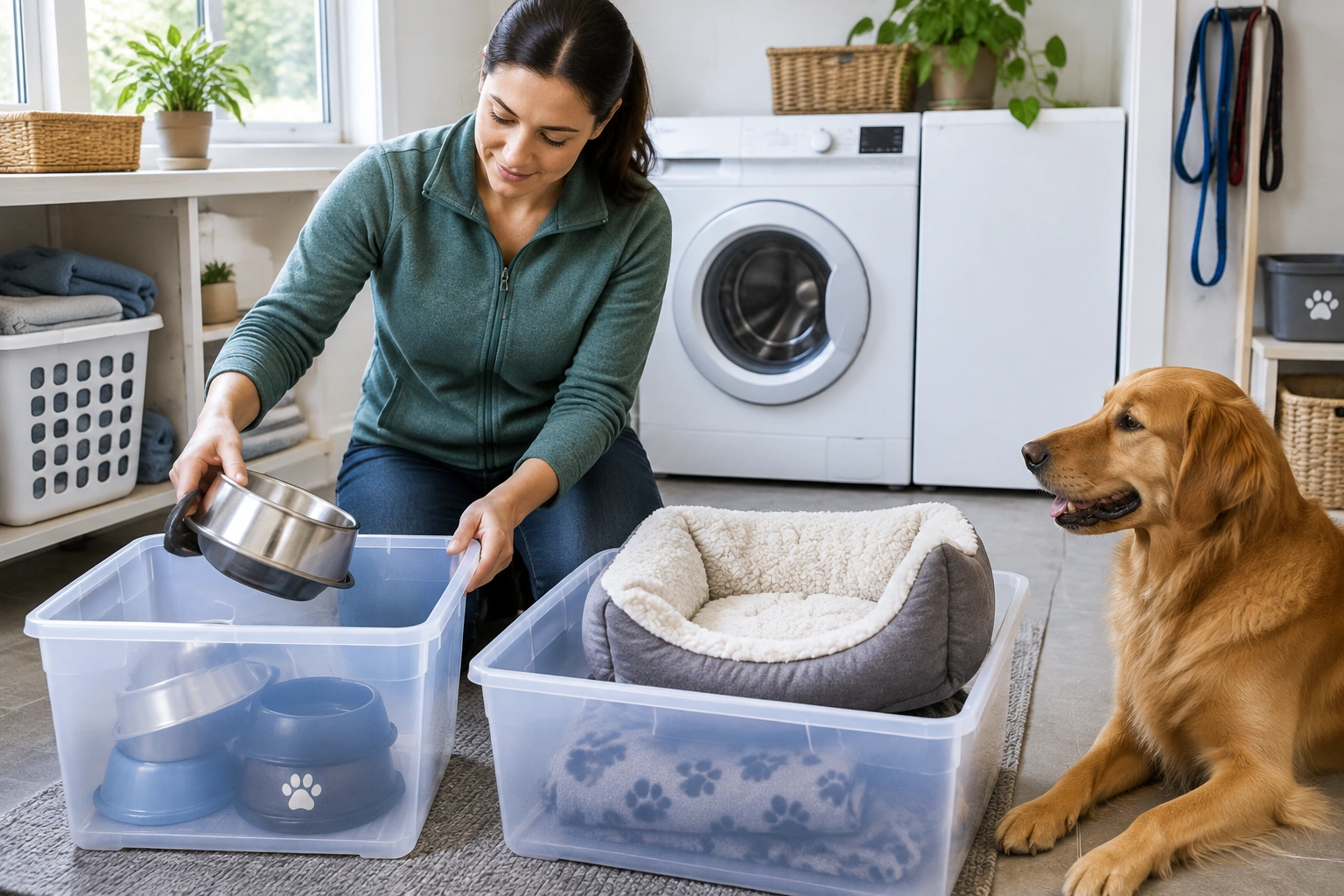
That means:
- separate the sick dog from all other dogs immediately
- use different food and water bowls
- keep bedding, toys, and crates separate
- pick up stool right away and avoid letting other dogs near the area
- wash your hands after handling the sick dog or anything it touched
If you have more than one dog, isolation is not optional. Even a short delay can matter if another dog shares a yard, a water bowl, or a favorite sleeping spot.
Think in terms of contamination points: feces, paws, bowls, bedding, floors, and outdoor areas where the dog eliminated. Those are the places that can carry risk while you are still waiting for a diagnosis.
If you want a quick refresher on why separation matters in multi-dog homes, the AKC’s dog health guidance is a useful starting point for general prevention and care principles.
Cleaning and disinfection after possible exposure
Routine cleaning is not enough if parvo is in the picture. You need to think about sanitation, not just appearance.
Focus on:
- removing feces promptly
- isolating washable items like bedding and blankets
- cleaning hard surfaces thoroughly
- keeping other dogs off contaminated outdoor areas, including yards, potty spots, and shared walkways, until a veterinarian says it is safe
- preventing healthy dogs from contacting contaminated areas until you have veterinary guidance
If you want to use a disinfectant, choose one that is specifically labeled as effective against parvovirus and follow the label directions exactly. If you are not sure, keep dogs away from the area and ask your veterinarian what to use. Not every household cleaner is enough.
For general prevention and vaccination context, ASPCA dog care resources are a helpful reference point for owners who want to reduce risk long term.
Treatment and prognosis: what to expect after diagnosis
Parvo treatment is supportive, not a quick fix. The goal is to help the dog stay hydrated, control vomiting, and support the body while it fights the infection.
A veterinarian may recommend hospitalization or intensive outpatient care depending on how sick the dog is. The important part for owners to understand is that parvo is time-sensitive. Earlier treatment generally gives the dog a better chance than waiting until the dog is weak and dehydrated.
Prognosis depends on several practical factors:
- how quickly the dog gets veterinary care
- how dehydrated the dog is
- how young the dog is
- whether the dog can keep fluids down
- how severe the diarrhea and vomiting are
If your dog is only mildly sick, it is still worth taking the signs seriously early. That is often the window where you have the most leverage.
When to see a veterinarian or certified trainer
For suspected parvo, the answer is almost always a veterinarian, not a trainer. A trainer cannot diagnose or treat an infectious disease.
See a veterinarian right away if your dog has vomiting plus diarrhea, especially if the dog is a puppy, under-vaccinated, weak, dehydrated, or worsening quickly. If you are unsure whether the symptoms are serious enough, call the clinic and describe the pattern. That call is often the fastest way to decide between a regular visit and emergency care.
A certified trainer becomes relevant later, after the dog is medically stable, if you need help rebuilding routines, preventing scavenging, or easing stress around isolation and recovery.
FAQ
Can a vaccinated dog still get parvo?
Yes, in rare cases. Vaccination greatly lowers the risk and often reduces how severe the illness can be, but it does not make parvo impossible. If a vaccinated dog has the right symptoms and is getting worse, contact a veterinarian.
Is parvo contagious to other dogs in the house before diagnosis is confirmed?
It can be. If parvo is suspected, keep the sick dog separated from other dogs right away and avoid shared bowls, bedding, toys, and potty areas until a veterinarian rules it out.
What should I do about food and water while I’m waiting for the vet?
If the dog is vomiting, do not force food or water. If the dog is not vomiting and is alert, ask your veterinarian whether small amounts of water are okay while you travel or wait for instructions.
The bottom line
If you are trying to tell whether your dog has parvo, focus less on one symptom and more on the pattern: a young or under-vaccinated dog, loss of appetite, repeated vomiting, diarrhea that worsens, and signs of weakness or dehydration. That combination deserves immediate veterinary attention.
When in doubt, isolate first and call the vet. That approach protects your dog and the rest of the household while you get a real diagnosis.