
Do Dogs Get Cramps When They’re in Heat? What’s Normal and What Needs a Vet

Female dogs can seem uncomfortable when they’re in heat, but they do not have well-documented human-style menstrual cramps. Some dogs may show mild abdominal sensitivity or behavior changes during heat, though true cramping has not been scientifically established. What owners usually notice is a mix of hormonal behavior changes and physical signs of the estrous cycle: swelling, discharge, licking, restlessness, clinginess, and sometimes a lower appetite.
That distinction matters. A dog in heat may look unsettled, but if she seems truly painful, weak, vomiting, feverish, or suddenly much worse, that is not something to write off as “just her season.” Those signs point to illness, not routine heat.
Quick Answer: Do Dogs Get Cramps When They’re in Heat?
The shortest accurate answer is this: some dogs may act uncomfortable during heat, but true menstrual cramps are not a clearly established normal part of the canine heat cycle. Dogs do not menstruate the way humans do.
What owners often call “cramps” is usually one of three things:
- Normal heat discomfort — mild restlessness, clinginess, or irritability.
- A look-alike problem — urinary trouble, stomach upset, or a reproductive infection.
- Heat stress — especially if the dog is overexercised or overheated.
If your dog is still eating, drinking, and acting mostly like herself, mild behavior changes can fit a normal heat cycle. If she seems painful or unwell, treat that as a vet question, not a heat-cycle assumption.
What Happens in the Canine Estrous Cycle
A female dog’s heat cycle is called the estrous cycle. The two stages owners usually notice most are proestrus and estrus.
Hormonal shifts during these stages can change behavior without causing true cramping, which is why a dog may seem restless or sensitive even when she is not in medical pain.
Proestrus: the early stage
This is when heat often becomes visible. Typical signs include:
- vulvar swelling
- bloody or reddish discharge
- licking the genital area more often
- increased urination
- changes in behavior, such as restlessness or clinginess
At this stage, she is not usually ready to mate yet, but male dogs may already be very interested.
Estrus: the fertile stage
This is the phase when she is receptive to mating. The discharge may become lighter or more straw-colored, and behavior can shift again. Some dogs seem more flirtatious, more distracted, or more eager to roam.
A useful practical point: the cycle is not just about bleeding. Many owners expect the discharge to be the main sign, but behavior often tells you more about how the dog is feeling.
For a broader overview of female dog seasons, the Royal Kennel Club’s guide to being in heat is a solid reference.
What Normal Heat Symptoms Look Like
Normal heat signs can vary from dog to dog. Some females barely change. Others become noticeably more needy or unsettled.
Common signs include:
- Swollen vulva
- Bloody discharge, often for part of the cycle
- Frequent licking
- More frequent urination
- Restlessness or pacing
- Clinginess
- Mild irritability
- Reduced appetite
GoodRx notes that dogs may go into heat at different ages, often around 6 to 12 months in some dogs, though timing varies with size and breed, and that bloody discharge may last 12 to 20 days during heat.
That said, bleeding alone does not tell you whether your dog is comfortable. Some dogs keep playing, eating, and sleeping normally. Others get fussy and unsettled without being in serious pain.
What is still within the normal range?
A good rule: if the dog is discharged but otherwise functional, the signs are more likely to be routine heat.
Examples of normal-ish behavior:
– she paces for a bit, then settles
– she wants extra attention
– she licks herself more often
– she eats a little less for a day or two, but still eats
– she is more interested in male dogs or more distractible outdoors
That does not mean “ignore it.” It means monitor closely and manage her safely.
How Heat Discomfort May Show Up Without True Cramping
Dogs do not usually point to their abdomen and say, “This hurts.” They show discomfort through behavior.
You may see:
– pacing
– whining
– difficulty settling
– clinginess
– irritability when handled
– frequent posture changes
– more licking than usual
– seeming “off” but not obviously sick
A Border Collie can make this especially confusing because the breed is naturally alert, reactive to change, and quick to pick up on household tension. A normally busy, focused dog may look unusually restless during heat simply because hormones are adding another layer of arousal to an already energetic temperament.
The key is to compare the dog to her normal self. If she is still responsive, drinking, and able to relax after a little time and supervision, that leans toward mild heat discomfort. If she cannot settle at all, seems weak, or acts painful, that is different.
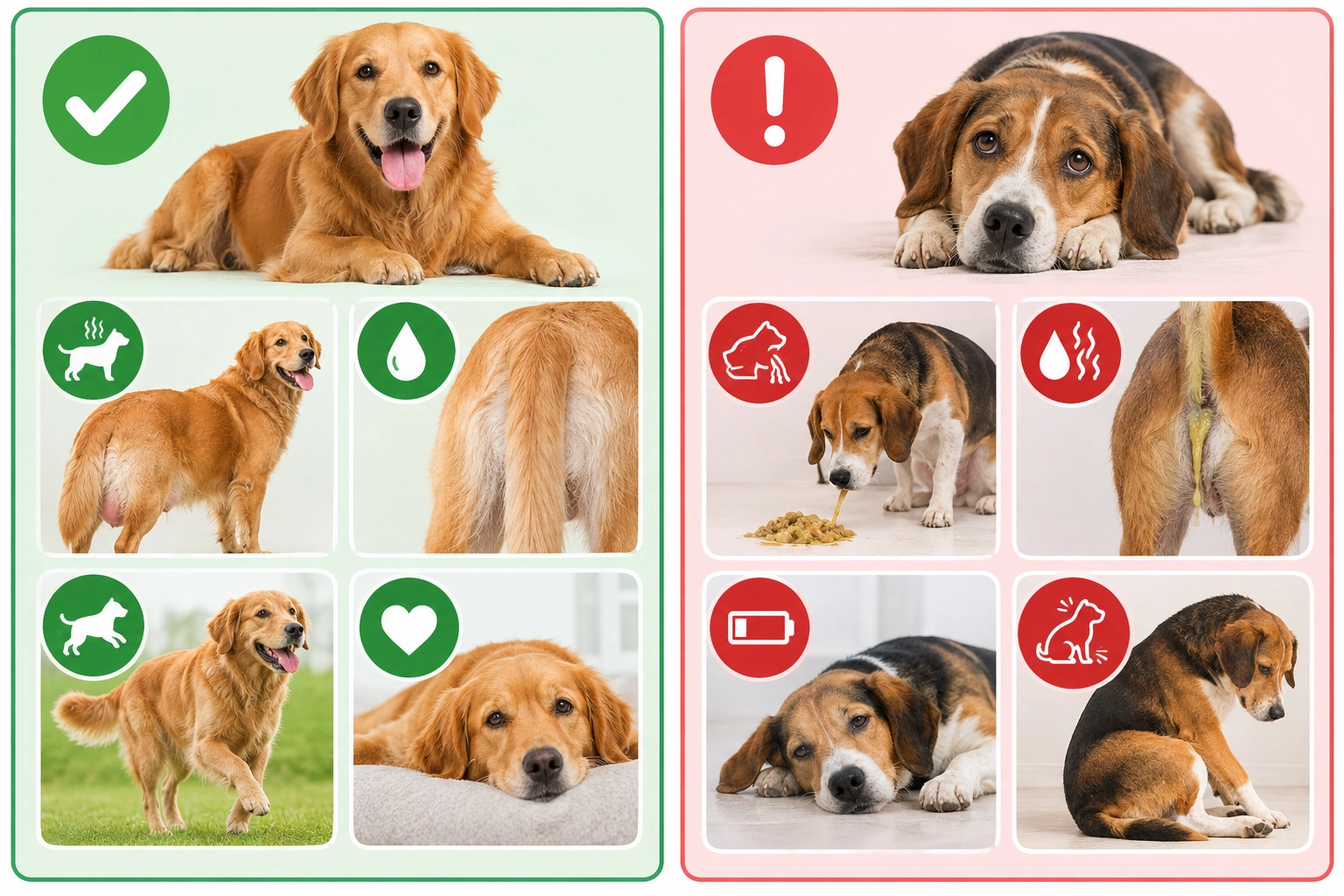
Normal Heat Behavior vs. Signs of Pain or Illness
This is the decision most owners need help with, so use a comparison framework instead of guessing.
| What you see | More likely normal heat | More concerning |
|---|---|---|
| Restlessness, clinginess, mild whining | Yes | If severe or constant |
| Vulvar swelling, discharge | Yes | If discharge is foul-smelling, green, pus-like, or excessive |
| Licking genital area | Yes | If she is straining, crying, or unable to get comfortable |
| Appetite slightly reduced | Sometimes | If she stops eating |
| More urination | Yes | If she strains, has accidents, or seems painful while urinating |
| Mild mood change | Yes | If she is lethargic, withdrawn, or confused |
| Slightly less playful | Sometimes | If she is weak, trembling, or unwilling to move |
| Bleeding | Yes, depending on stage | If bleeding is heavy, prolonged, or paired with illness |
A useful decision rule: heat may explain mild discomfort; it does not explain a sick dog.
When Heat Symptoms May Actually Be Something More Serious
Some signs should push you away from “normal heat” and toward a vet visit.
Call a veterinarian if your dog has:
– severe pain
– vomiting
– marked lethargy
– fever
– collapse
– not eating
– foul-smelling discharge
– abnormal urination
– swollen abdomen
– shaking that looks like weakness or distress
The RSPCA notes that shaking and muscle spasms can happen with heatstroke, especially when a dog is dehydrated or overheated. That is a different problem from reproductive heat. If your dog has been in high temperatures, panting hard, or unable to cool down, treat that as an overheating concern.
For emergency-style heat illness guidance, the RSPCA’s heatstroke advice is worth reading.
Pyometra, Urinary Issues, and Other Look-Alikes
The biggest risk in a “she’s in heat and acting weird” situation is assuming all abnormal signs belong to the cycle.
Pyometra
Pyometra is a serious uterine infection in intact females. It can happen after a heat cycle and may look, at first, like a dog who is just off her routine.
Warning signs can include:
– lethargy
– vomiting
– poor appetite
– increased drinking or urination
– foul discharge, though not always present
– abdominal pain
– general weakness
This is not a wait-and-see condition if the dog looks sick. Pyometra can become an emergency quickly.
Urinary problems
A dog squatting often, straining, or seeming uncomfortable while urinating may have a urinary tract issue rather than heat discomfort. Heat can increase urination, but it should not cause obvious pain when peeing.
Gastrointestinal illness
Vomiting, diarrhea, abdominal tenderness, and refusal to eat point more toward GI illness than normal heat. Owners sometimes assume a dog is “just hormonal” when she is actually nauseated or in pain.
How to Comfort a Dog in Heat at Home
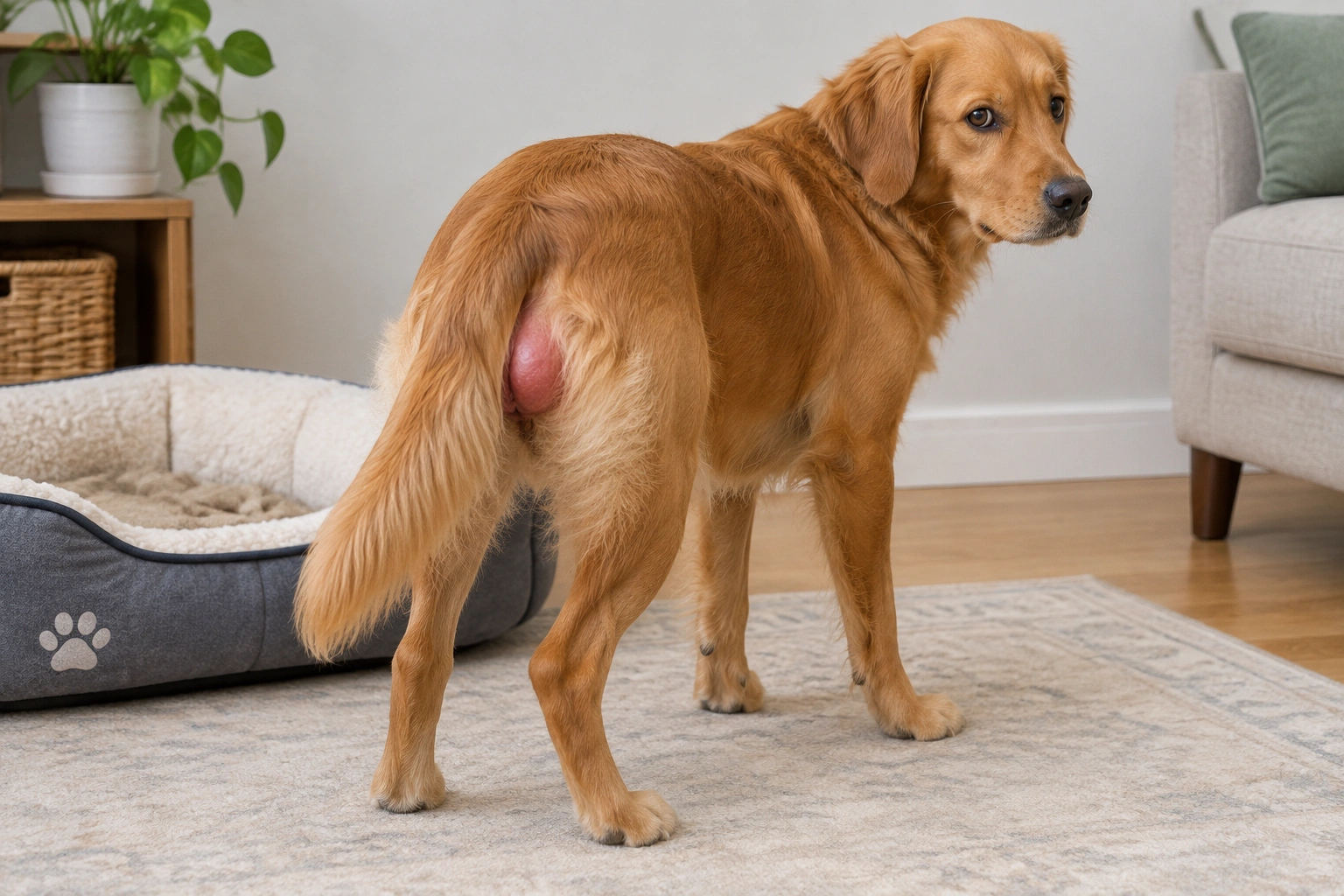
If your dog’s signs look like mild heat discomfort and she is otherwise stable, home care should focus on calm, cleanliness, and supervision.
Give her a quiet place to rest
A low-traffic room or crate area can help a restless dog settle. Reduce extra stimulation, especially if she is already clingy or fidgety.
Keep water available
Fresh water matters because dehydration can make any discomfort worse. If she is less interested in drinking, offer water more frequently rather than waiting for her to ask.
Use gentle activity, not hard exercise
Short, calm walks are usually better than intense play sessions. The goal is to let her toilet and move her body without revving her up.
Keep her clean and comfortable
If discharge is present, use washable bedding or easy-to-clean covers. Leak-proof bedding or waterproof pads can make cleanup easier and help her stay dry. A damp cloth can help with light cleaning around the rear if she is licking excessively.
Limit stairs, jumping, and rough play
Try to reduce jumping on furniture, running up and down stairs, or roughhousing with other pets. Less physical strain can make a dog more comfortable and also helps reduce the chance of accidental injury when she is already restless.
Keep a calm, consistent routine
A predictable schedule for feeding, potty breaks, and quiet time can help some dogs settle more easily. Try not to introduce big changes during heat unless you have to.
Use warmth cautiously
Some sources suggest a warm blanket or low-setting heating pad for comfort, but only if you can supervise closely and the dog is not overheating. Never use heat if she is already panting heavily, warm to the touch, or showing signs of heat stress.
Watch the pattern
If restlessness improves after she settles, that is reassuring. If discomfort escalates over the day, that is a reason to call the vet.
For general female heat-cycle management, WebMD’s overview of dogs in heat gives a practical summary of common signs owners tend to see.
How to Prevent Accidental Mating During the Heat Cycle
This part matters as much as comfort. A dog in heat can attract intact males, and one loose moment can become an unplanned mating.
Use these safeguards:
– keep her on a leash outdoors
– avoid dog parks and off-leash areas
– separate her from intact males indoors
– supervise yard time
– do not assume a fenced yard is enough
– double-check doors, gates, and crates
If you live with multiple dogs, management has to be active, not casual. A crate in one room while other dogs roam the house is often not enough if they can get close through a gate or door.
If she needs to be in public spaces at all, keep it brief and controlled. For many dogs in heat, the safer choice is to skip dog parks, pet stores, daycare, and other places where other dogs may approach.
The trade-off here is simple: more restriction for a couple of weeks versus a real risk of pregnancy and stress. For most owners, tighter supervision is the safer choice.
When to See a Veterinarian or Certified Trainer
A veterinarian should be involved first if your dog’s behavior looks more like illness than a normal cycle.
Schedule a visit promptly if:
– the pain seems real, not just restlessness
– she stops eating
– she vomits
– she becomes lethargic
– discharge smells bad
– urination changes suddenly
– she seems bloated or tender
– symptoms worsen instead of easing
If the issue is more about management — for example, a dog who is frantic, escape-prone, or impossible to settle — behavior help can be useful, but it should come after medical concerns are ruled out. A certified trainer may help with short-term containment routines and calm handling, but that will not treat a medical problem.
Spaying and Preventing Future Heat Cycles
Spaying is the only way to prevent future heat cycles, which means no more heat-related restlessness, discharge, or mating risk. It also removes the cycle itself as a source of confusion when your dog seems “off.”
That does not mean every dog should be spayed at the same time or for the same reason. Timing can vary based on age, size, health, and your veterinarian’s guidance. If management is becoming difficult — especially for active dogs such as Border Collies that are harder to keep calm and contained — your vet can help you think through timing and trade-offs.
For owners who are tired of tracking heat or worrying about accidental mating, this is often the clearest trade-off: one planned decision now versus repeated management every cycle.
A Practical Rule of Thumb
If your dog has:
– mild swelling
– normal discharge for the stage
– some restlessness
– normal drinking
– no vomiting
– no strong odor
– no obvious pain
then you are probably dealing with routine heat.
If she has:
– pain
– vomiting
– lethargy
– fever
– foul discharge
– straining to urinate
– collapse
– a swollen or painful belly
then stop assuming it is just heat and contact a veterinarian.
FAQs
Do dogs get cramps like humans when they’re in heat?
Not in the same well-defined way humans do. Dogs can seem uncomfortable during heat, but true menstrual-style cramps are not a clearly established normal feature of the canine cycle.
Is it normal for a dog in heat to whine or pace?
Yes, mild whining, pacing, and restlessness can happen. The question is whether it stays mild or turns into clear distress.
How long does a dog stay in heat?
The visible heat phase often lasts around a couple of weeks, and GoodRx notes bloody discharge may last 12 to 20 days. The exact timing varies by dog.
Should I use a heating pad if my dog seems uncomfortable?
Only with close supervision and only if she is not overheated. If she is panting hard or seems warm and restless from heat stress, skip the heating pad.
When is discharge not normal?
If the discharge smells bad, turns green or pus-like, becomes very heavy, or appears with lethargy or vomiting, call a vet.
Can heat symptoms be mistaken for something else?
Yes. Pyometra, urinary issues, GI illness, and heatstroke can all look like “she’s just acting weird.” That is why the overall picture matters more than one symptom.
Will spaying stop heat-related discomfort?
Yes. Spaying prevents future heat cycles, so the cycle-related discomfort and management problems go away.