
How to Exercise Your Dog Safely When It’s Too Hot Outside

Hot weather does not have to mean a sedentary dog and a frustrated owner. It does mean you need to change the rules. In summer, the goal is not to “wear your dog out” the same way you would on a cool day; the goal is to give enough movement and mental work without pushing body temperature into a dangerous range.
That shift matters because dogs cool themselves less efficiently than people do. Panting helps, but it is not a guarantee of safety. If your dog is already struggling in the heat, even a short burst of fetch can tip them from uncomfortable to overheated faster than many owners expect.
The good news: you can still give your dog a satisfying day with a mix of safer outdoor time, indoor exercise, and enrichment. The key is to decide what is safe before you head out, then lower the intensity and shorten the session if conditions are borderline.
How to Tell When It’s Too Hot to Exercise Your Dog
There is no single universal temperature that is safe for every dog. Air temperature, humidity, sun exposure, pavement heat, your dog’s fitness, and your dog’s breed all matter.
A practical rule of thumb: if the heat index is high enough that the air feels oppressive, the humidity is making panting seem less effective, or the pavement is too hot to keep your hand on for several seconds, skip outdoor exercise or keep it to a very brief potty break. Direct sun plus high humidity is a strong warning sign, even if the air temperature alone does not look extreme.
A good default is to avoid outdoor exercise entirely when conditions combine several risk factors at once: very high heat index, sticky or stagnant air, full sun with little shade, or overheated pavement. If your dog is already panting heavily at rest, seems sluggish, or has trouble settling after mild activity, choose an indoor option instead.
Check the surface, not just the air
Pavement can be dangerous even when the air feels “not too bad.” If you would not want to hold your hand on the surface for several seconds, it is not a good surface for a walk. That matters because paws can burn quickly, and a dog that is trying to avoid hot ground may change its gait, slow down, or overheat faster.
Shade helps, but shade alone does not make a hot day safe. Humid air can still make panting less effective, especially during active play. If the day feels sticky and still, treat that as a warning sign.
Use your dog’s current condition as part of the decision
A healthy, acclimated adult dog may tolerate a brief sniff walk in conditions that would be too much for a puppy, senior, overweight dog, or brachycephalic breed. If your dog has a heart or respiratory condition, or has had heat trouble before, be more conservative than you think you need to be.
If you are unsure, choose the lower-risk option. A missed walk is inconvenient; heat exhaustion is not.
Which Dogs Need Extra Caution in Hot Weather
Some dogs can overheat much faster than others. That does not mean they cannot exercise at all in summer, but it does mean their activity should be shorter, cooler, and more closely supervised.
Higher-risk dogs include:
- Puppies, whose bodies are still developing
- Senior dogs, who may have less reserve and slower recovery
- Overweight dogs, which often lose heat less efficiently
- Brachycephalic breeds such as Bulldogs, Pugs, and similar short-nosed dogs
- Dogs with heart, lung, airway, or mobility conditions
- Dogs on medications that affect hydration or temperature regulation
For these dogs, “normal summer weather” may still be too much for a regular walk. Keep sessions short and calm, and watch for heavy panting, slowing down, or wanting to lie down. Those are signs to stop, not to push through.
Safer Outdoor Exercise Options When the Weather Is Hot
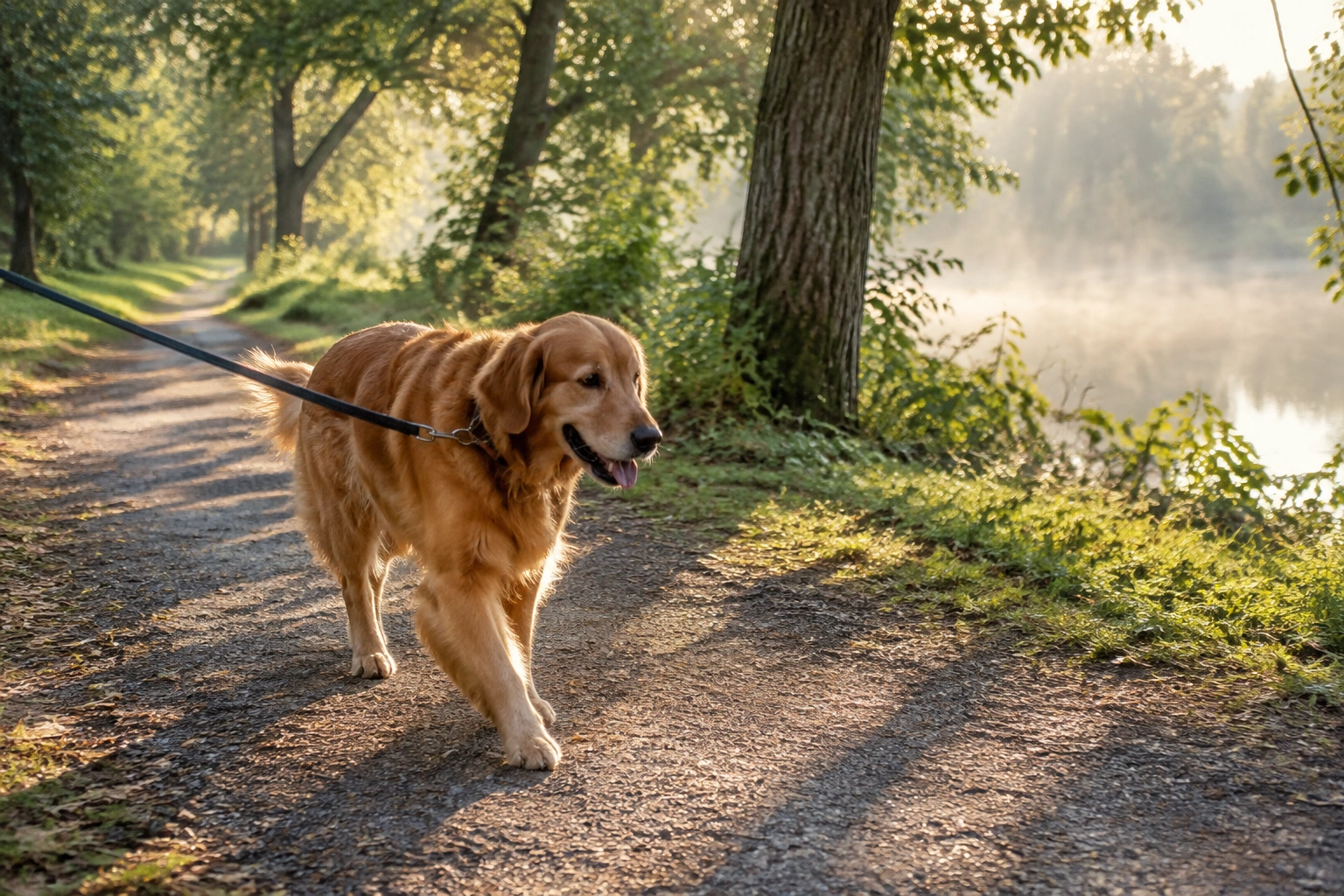
Outdoor activity is still possible in many cases; it just needs to be lower intensity and timed more carefully. The safest outdoor choices usually avoid direct sun, running, and prolonged exertion.
Early morning or after dusk walks
Walk and exercise your dog early in the morning or after dusk, because the hottest parts of the day are usually in the middle. That simple timing change often makes the biggest difference.
Early morning is usually the easiest option because temperatures are often lower and pavement has had less time to store heat. Late evening can also work well, but in some places the air stays warm long after sunset, so don’t assume darkness automatically means safety.
Shade walks and sniff walks
A sniff walk is often a better summer choice than a brisk walk. Instead of covering distance, you let your dog move slowly, investigate scents, and take frequent pauses. That keeps the activity mentally satisfying while lowering physical load.
For many dogs, sniffing is not “less exercise” so much as a different kind of work.
Short potty breaks with purpose
On especially hot days, a brief outdoor break may be all that is safe. You can still make it meaningful by letting your dog sniff a few spots, then bringing them back in before they start to overheat.
This is a smart choice for high-risk dogs, or for any dog on a day when the heat index feels oppressive. A short, calm outing is better than a longer one that becomes a safety issue.
Water play when it is safe and supervised
Using sprinklers, kiddie pools, or another body of water can provide physical exercise while helping a dog stay cool. That said, water play is not automatically risk-free.
Dogs around pools, lakes, and beaches should be monitored, and deeper water calls for good water safety, including a life jacket if needed. Also prevent your dog from drinking chlorinated, lake, or salt water, which can cause illness.
If your dog is not used to swimming, keep the first sessions short. Overdoing it can lead to fatigue, and in some dogs, repetitive swimming can cause swimmer’s tail. Water should cool your dog, not replace one heat risk with another.
Indoor Exercise Ideas That Replace a Walk
When outdoor exercise is unsafe, indoor movement plus mental work can fill the gap surprisingly well. The goal is not to recreate a full outdoor walk indoors. It is to give your dog enough physical and cognitive activity to prevent boredom and frustration.
Hallway fetch or short retrieve games
A short hallway fetch session can burn energy without exposing your dog to heat. Keep the throws low and controlled, and stop before your dog starts to get frantic or sloppy with movement.
This works best for dogs who already understand retrieve games and do not become over-aroused easily. If fetch tends to wind your dog up instead of settling them, choose a calmer game.
Hide-and-seek and recall games
Hide-and-seek is a strong indoor option because it combines movement, thinking, and engagement with you. Hide behind a doorway, call your dog once, and reward them when they find you. You can also hide treats in easy places around a room and let them search.
Recall practice in the hallway or living room can also be a good energy outlet. Keep it short and upbeat, then stop while your dog still wants more.
Treat scattering and nose work
Treat scattering is one of the easiest indoor enrichment tools. Toss a small handful of kibble or treats across a room or on a towel and let your dog search with their nose.
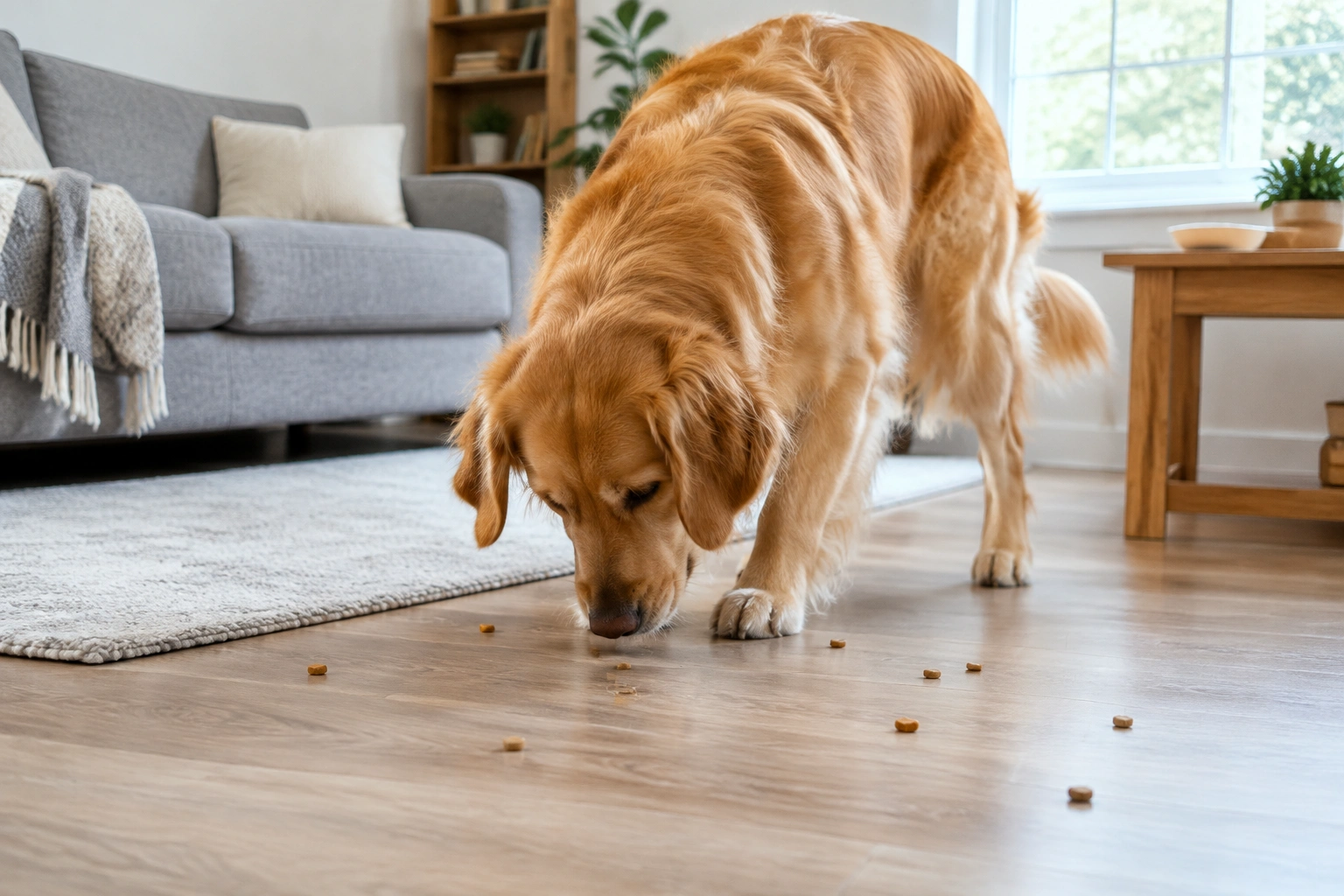
This is a useful summer substitute because sniffing is mentally tiring without being physically intense. It can be especially helpful for dogs who are restless but should not be doing hard exercise in the heat.
Puzzle toys and food games
Puzzle feeders and stuffed food toys can buy you time when the weather is too hot for a proper walk. They are not a replacement for all exercise, but they can reduce frustration and help your dog settle.
Use these thoughtfully. If your dog finishes a puzzle toy in seconds and still seems keyed up, combine it with a short indoor game or training session instead of assuming the toy alone was enough.
Dog treadmill use
A dog treadmill can be useful for some dogs, but it is not the right answer for every household. It works best for dogs that are already comfortable with the machine, can stay calm on it, and are supervised the entire time.
If your dog is nervous, clumsy, or tends to overheat quickly, a treadmill may create more stress than benefit. Indoor walking on a treadmill should be introduced gradually and only if your dog is physically suited to it.
Indoor Exercise vs Outdoor Exercise in Hot Weather
| Option | Heat Safety | Effort Level | Best For | Trade-off |
|---|---|---|---|---|
| Early morning walk | Usually better | Low to moderate | Dogs that need a real outing | Still limited by humidity and pavement heat |
| Late evening walk | Often better | Low to moderate | Dogs with owner schedules that favor evenings | Ground and air may still hold heat |
| Shade walk | Better than midday sun | Low | Dogs that need a brief outdoor reset | Shorter and less stimulating than a normal walk |
| Sniff walk | Better than fast walking | Low | Dogs that get satisfied by scent work | Covers less distance |
| Indoor fetch / recall | Safe from heat | Moderate | Dogs that need movement | Can become overexciting if pushed too long |
| Treat scattering / puzzle toys | Safe from heat | Low | Dogs needing mental work | Less physical outlet than a walk |
| Water play | Good if supervised | Moderate | Dogs that enjoy water | Requires safety precautions and cleanup |
This comparison can help you choose the right mix. On very hot days, many dogs do best with a short outdoor potty break plus indoor enrichment rather than one long outdoor session.
How to Adjust Duration, Intensity, and Pace in Hot Weather
Think in smaller chunks. A cooler-weather routine that once felt easy can become too much in summer, even if your dog seems eager at the door.
Shorten the session before you shorten everything else
If your dog normally gets 30 minutes outside, try 10 to 15 minutes in the heat, then add indoor games later. Short sessions reduce the chance that your dog will overheat before you notice the warning signs.
Lower the intensity first
A slow sniff walk is safer than a brisk walk. A calm search game is safer than repeated sprinting. A short leash stroll in shade is safer than chasing a ball in direct sun.
That trade-off matters because heat risk rises with exertion. The more your dog is running, turning, and accelerating, the harder their body has to work to cool down.
Break activity into pieces
Two or three short sessions spaced through the day are often safer than one long outing. That approach also fits dogs who get bored easily, because they get fresh opportunities to move without being pushed to the point of overheating.
Hydration and Cooling Tips Before, During, and After Activity
Water and cooling breaks should be built into the routine, not added only after your dog starts to look tired.
Offer fresh water before you go out, and bring it with you if you expect to be outside for more than a very brief time. Let your dog drink during rest breaks, but do not force large amounts at once.
Shade matters too. If you are outside, plan your route or activity around places where your dog can pause out of direct sun. On especially warm days, a cooling mat or a cool indoor floor can help your dog recover more comfortably after exercise.
After activity, watch how quickly your dog settles. Normal panting should ease as they rest. If panting stays intense or your dog seems dull, weak, or unsteady, treat that as a warning sign rather than assuming they just “need a minute.”
Signs Your Dog Is Overheating and What to Do Immediately
Early heat stress can escalate quickly. The sooner you stop activity, the better.
Warning signs to watch for
- Heavy or excessive panting
- Slowing down or lagging behind
- Seeking shade or trying to lie down
- Bright red gums, drooling, or distress
- Weakness, wobbling, or seeming confused
What to do immediately if your dog starts overheating on a walk
- Stop the activity right away. Do not keep going “just a little farther.”
- Move your dog to shade or indoors as fast as you can. If you are still outside, get off hot pavement and out of direct sun.
- Offer small amounts of cool, fresh water. Let your dog drink if they want to, but do not force them.
- Start cooling your dog gradually. Use airflow, a fan, or cool water on the body, especially the belly, paws, and inner legs. Avoid ice-cold water.
- Keep your dog calm and still while you assess them. Do not resume exercise.
- Watch closely for improvement over the next few minutes. If your dog is not clearly getting better, treat it as an emergency.
If your dog seems to worsen, cannot settle, collapses, vomits, or acts disoriented, that is more serious than simple tiredness.
When to Call Your Veterinarian
Some situations call for monitoring after cooling down, while others need urgent veterinary help right away.
Stop, cool down, and monitor at home if:
- Your dog was mildly overheated but improves quickly after rest, shade, and cooling
- Panting eases, energy returns, and your dog is acting normally again
- There are no ongoing signs of weakness, confusion, vomiting, collapse, or distress
Even then, keep the rest of the day quiet and avoid more exercise. If you are unsure whether your dog fully recovered, call your vet for advice.
Seek urgent veterinary help now if:
- Your dog collapses or cannot stand normally
- Your dog is weak, unsteady, or confused
- Panting stays severe or gets worse after cooling begins
- Your dog vomits, seems disoriented, or does not recover quickly
- You suspect heatstroke
If your dog has a known heart, airway, or other health condition, it is worth asking your vet ahead of time how much summer activity they recommend. That conversation is especially helpful if you live in a very hot or humid area.
For general emergency guidance on heatstroke warning signs, the AVMA’s advice on heatstroke in pets is a useful reference.
A Simple Summer Exercise Plan That Actually Works
When the weather is too hot, aim for this pattern:
- Choose the coolest part of the day for any outdoor activity.
- Keep outdoor sessions short and low intensity.
- Replace hard exercise with indoor enrichment.
- Watch your dog’s breathing and behavior, not just the clock.
- Stop early if your dog seems uncomfortable.
That approach is especially practical for border collies and other active dogs, because it gives their brains work when their bodies should not be pushed hard. A dog that gets to sniff, search, and solve problems is often more settled than one that gets a short, rushed walk and nothing else.
If you want more ideas for keeping a dog active without overdoing it, you may also find our guide on safe exercise when it’s too hot outside useful for planning your summer routine.
FAQ
How hot is too hot to exercise a dog?
There is no single safe number for every dog. Humidity, sun, pavement heat, breed, age, and your dog’s health all matter. If the heat index is high, the pavement is too hot to touch comfortably, or your dog is already panting heavily at rest, skip outdoor exercise.
Is indoor exercise enough on very hot days?
Often, yes for short periods. Indoor games, puzzle toys, and scent work can replace a walk temporarily, especially when the goal is to avoid heat risk rather than build endurance.
Can I just walk my dog later at night?
Sometimes. Late evening can be cooler, but not always enough if the day was extremely hot. Check the air, the humidity, and the pavement before deciding.
What should I do if my dog starts panting hard on a walk?
Stop right away, move to shade or indoors, offer small amounts of water, and begin cooling your dog gradually. If the panting does not ease or your dog becomes weak or unsteady, seek veterinary help.