
How to Encourage Breeding Readiness in an Intact Male Dog Safely

If you’re trying to understand how to encourage breeding readiness in an intact male dog, a safer and more useful question is how to recognize and support healthy breeding readiness without forcing anything.
That distinction matters. A dog’s sexual interest is not something you should try to turn on with tricks, products, or pressure. If a male dog is not interested, the cause may be timing, stress, inexperience, pain, illness, or simply that he is not a good breeding candidate. The safest approach is to look at the full picture: age, health, temperament, environment, and the female’s heat cycle.
For Border Collie owners and other dog owners alike, the practical goal is not stimulation for its own sake. It is making careful, ethical decisions about whether breeding is appropriate at all, and if it is, whether the setup gives the dog the best chance to behave normally and safely.
Sexual Maturity and Typical Breeding Age in Male Dogs
A male dog may show interest in females before he is truly ready to breed. Sexual maturity, physical maturity, and emotional maturity do not always happen at the same time.
In general, an intact male may begin showing sexual behavior as he matures, but age alone does not guarantee readiness. A young dog can be interested and still be too inexperienced, too distracted, or too immature to breed reliably. Larger breeds may mature more slowly than smaller dogs, so “old enough” depends on the individual dog, not just the calendar.
A practical rule is this: a dog should be old enough to be physically and behaviorally stable before breeding is even considered. If he is still clumsy, easily overwhelmed, or inconsistent around a female in heat, he may not be ready even if he is intact and interested.
Ethically, age should also be only one part of the decision. Health, temperament, and breeding goals matter just as much. A dog that is too young, too anxious, too aggressive, or medically unfit should not be bred simply because he can show interest.
What Normal Breeding Readiness Looks Like in an Intact Male Dog
An intact male dog that is ready to breed usually shows interest in a female in heat, not just general excitement. That interest may include sniffing, following scent trails, increased alertness, and attempts to investigate or mount. But none of those behaviors guarantee he is truly ready, fertile, or a good breeding candidate.
Signs that suggest normal breeding readiness include:
- Persistent interest in a receptive female
- Focused sniffing and investigation
- Trying to stay near the female
- Attempting to mount in a coordinated way
- Recovering and trying again rather than getting confused or shut down
- Generally good energy, appetite, and alertness outside the breeding context
Signs that suggest poor fertility, immaturity, or a problem include:
- Brief interest followed by quick loss of focus
- No response to a female who should be in the right stage of heat
- Awkward, inconsistent, or frustrated mounting attempts
- Disinterest paired with lethargy, pain, or illness
- Repeated failure to complete normal breeding behavior
- Behavior that looks more anxious, confused, or avoidant than interested
Sexual maturity does not always arrive at the same age as physical size. A young male may look grown but still be mentally immature or inconsistent around a female in heat. Some dogs become interested early and act impulsively; others are slower to engage even when they are healthy. That variation is normal.
For a broader look at the signs of interest versus normal behavior, you may find this related guide helpful: how to tell if a male dog is sexually interested.
Why a Male Dog May Show Low Interest in Mating
Low interest is often easier to explain than people expect. In many cases, the dog is not “unwilling” so much as not in the right state to breed.
Common non-medical reasons
- He is too young or inexperienced. A first-time male may sniff, pace, or mount awkwardly without showing sustained mating behavior.
- The female is not at the best point in her heat cycle. A male may react strongly to one stage of estrus and barely notice another.
- He is distracted by the environment. Noise, unfamiliar smells, new people, slippery flooring, or a chaotic setup can shut down normal interest.
- He is stressed or overstimulated. Some dogs become too aroused to focus; others become avoidant.
- He has already been exposed too long. Repeated unsuccessful attempts can make a dog cautious or frustrated.
- He simply is not a strong breeding prospect. That can happen even in intact males.
A good way to think about this is: breeding interest is not a switch. It is the result of timing, comfort, and biology lining up well enough for normal behavior to appear.
Health Problems That Can Reduce Libido or Breeding Performance
When a male dog suddenly loses interest, or never shows normal interest despite being old enough, health deserves a close look. This is especially true if the behavior change comes with other signs.
More specific medical causes to consider
- Hormonal issues such as low testosterone or other endocrine problems
- Testicular problems including injury, undescended testicles, or testicular disease
- Prostate problems such as enlargement, infection, or inflammation
- Pain conditions like arthritis, back pain, or injury that make mounting difficult
- Infections or fever that reduce energy and interest
- Urinary or reproductive tract disease that causes discomfort
- General illness that affects appetite, stamina, or behavior
Warning signs that suggest more than simple disinterest
- Lethargy or unusual tiredness
- Limping, stiffness, or pain when moving
- Loss of appetite
- Weight loss
- Vomiting or diarrhea
- Restlessness that looks more like discomfort than excitement
- Discharge, swelling, or soreness around the reproductive area
- A sudden behavior change in an otherwise experienced stud
These signs matter because libido is often one of the first behaviors to change when a dog feels unwell. Pain, fever, hormonal imbalance, infection, or general illness can all reduce breeding performance. A dog may still sniff a female in heat but fail to commit, lose interest quickly, or avoid contact altogether.
If low interest is sudden, persistent, or paired with pain, swelling, discharge, fever, or repeated breeding failure, veterinary evaluation is needed before any further attempts. This is the point where “wait and try again” can become the wrong plan.
Stress, Timing, and the Breeding Environment
The environment can make a huge difference. A dog that is confident in his home yard may act completely different in a strange kennel, a busy household, or a new breeding location.
What can suppress interest
- Too many people watching
- Slippery floors or cramped spaces
- Unfamiliar smells
- A female that is not quite ready
- Loud correction from handlers
- Rough restraint
- Fatigue from travel
- A rushed introduction
There is a trade-off here: a familiar environment may feel safer, but a controlled environment is often better for preventing accidents. The best setup is usually the calmest controlled space you can provide, with minimal distractions and excellent footing.
One practical example: an experienced male may seem uninterested in a noisy barn but respond normally in a quiet, clean area with one or two calm handlers. That does not mean he needed more stimulation. It means the original setting was working against normal behavior.
Safe Ways to Support Breeding Readiness Without Forcing Mating
If breeding is ethically appropriate and both dogs are healthy, your job is to reduce friction, not pressure the dog into performing.
Helpful steps
- Give the dog time to settle before any introduction.
- Keep the setting quiet and uncluttered.
- Limit the number of people present.
- Use secure footing so he does not slip or panic.
- Introduce the dogs gradually.
- Watch for signs of fatigue, stress, or agitation.
- Stop if either dog becomes defensive or overwhelmed.
Before you even start, make sure the female is actually in the right stage of heat and that both dogs are healthy enough for breeding. Then keep the first introduction short and calm. If the male is distracted, separate the dogs, let him settle, and try again later only if the timing still makes sense.
If you are managing an intact male around a female in heat, the safest approach is usually:
1. Separate them until supervision is ready.
2. Use a controlled, non-slip area.
3. Bring them together briefly and watch body language.
4. End the session quickly if either dog gets frantic, stiff, or shut down.
5. Avoid repeated long exposures that only build stress.
The goal is control and redirection, not coercion. If the dog is not settling or is showing stress, more exposure usually makes things worse, not better.
When Not to Continue Breeding Attempts
There are clear times to stop.
Stop trying if:
- The dog is too young or clearly immature
- He seems painful, weak, or sick
- He becomes aggressive, panicked, or shut down
- He shows repeated disinterest across multiple attempts
- The female is not in the right stage of heat
- The environment remains too stressful
- You are having to restrain, pressure, or physically push the process
Repeated attempts can create a bad association. A dog that is overwhelmed may become more avoidant each time. Worse, forced handling can cause injury or make future breeding more difficult.
This is why responsible breeders treat “try again later” as a valid decision, not a failure.
How to Manage an Intact Male Dog Around a Female in Heat
A female in heat can trigger intense interest, but that does not mean every interaction should be allowed to unfold freely. Management matters.
Safer handling rules
- Keep the dogs separated unless you are actively supervising.
- Never assume a fence, crate, or closed door is enough if the dogs are highly motivated.
- Use secure leashes and controlled introductions.
- Watch body language closely: stiff posture, frantic pacing, persistent sniffing, and inability to settle are all signs that management needs to tighten.
- Avoid letting the male rehearse frantic behavior for long periods.
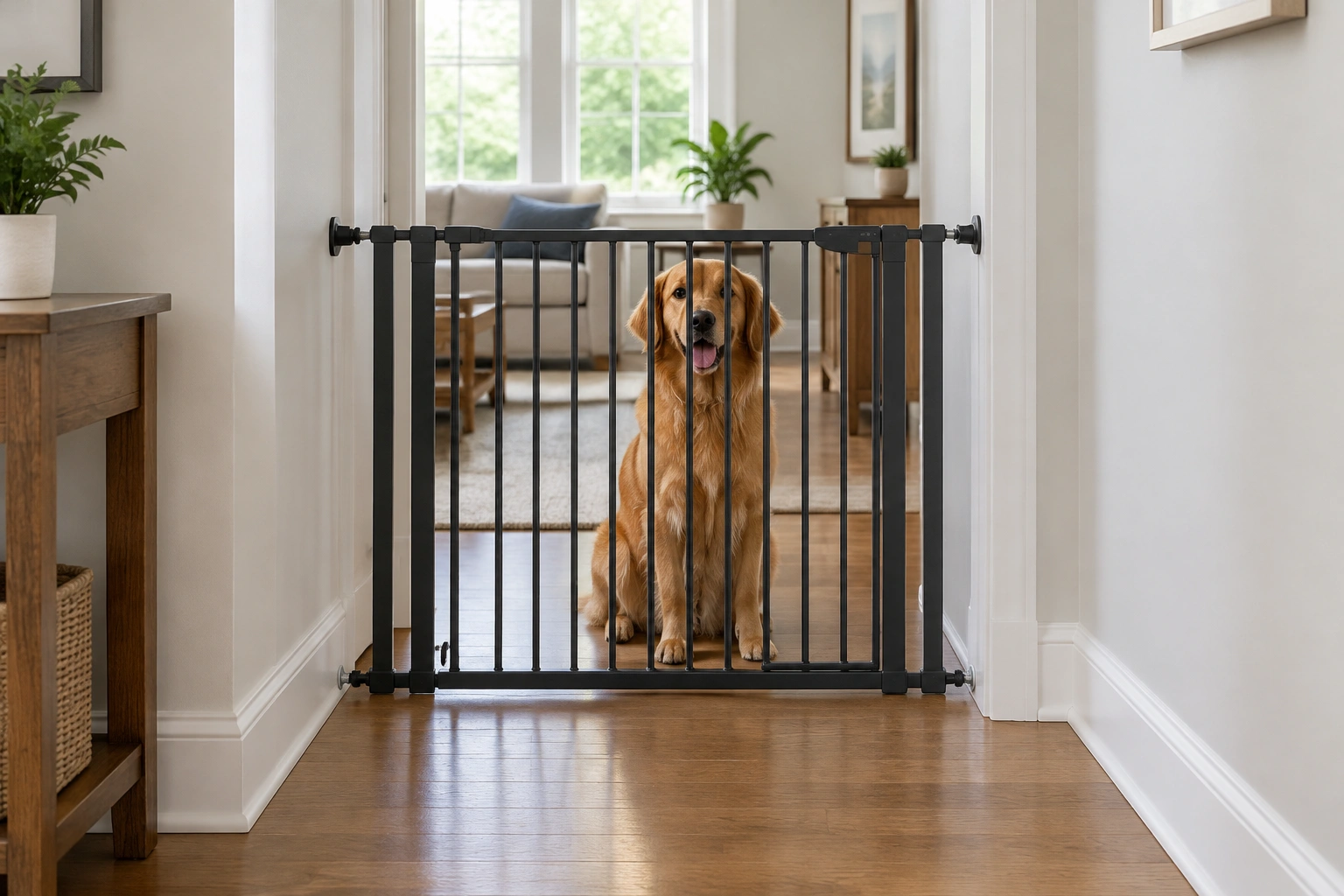
The practical aim is to prevent accidental breeding, injury, and stress. A male that becomes frantic around a female in heat may need distance, not more exposure. In some cases, the kindest choice is to end the session and try another day only if the timing and conditions are better.
When to Call Your Veterinarian
Call your veterinarian if low interest is persistent, sudden, or paired with other symptoms. That is especially important if the dog is older, has a history of illness, or shows pain, lethargy, swelling, discharge, or a major change in behavior.
A vet can help rule out general illness, pain, and reproductive issues. If fertility is the concern, a reproductive specialist may be the better next step because breeding problems are not always simple behavior problems. Sometimes the issue is hormonal; sometimes it is physical; sometimes it is both.
For general canine health guidance and to help you think through whether a symptom looks urgent, the AVMA is a good starting point for trusted veterinary information.
Responsible Breeding Checklist Before You Try Again
Use this as a go/no-go filter before another attempt:
- Age: Is the male old enough and mature enough to breed?
- Health: Is he bright, active, eating normally, and free of pain or illness?
- Temperament: Is he calm enough to handle the process safely?
- Timing: Is the female in the right stage of heat?
- Environment: Can you provide a quiet, controlled setup?
- Supervision: Are you ready to monitor closely without forcing contact?
- History: Has he shown repeated disinterest or anxiety before?
- Ethics: Is this a responsible breeding decision, not just a curiosity?
If you cannot answer yes to most of those points, the safest decision is to pause.
A Note on Scent, Shampoos, and “Triggers”
You may hear claims that certain scents or products make male dogs more sexually interested. Be cautious with that kind of advice. A dog’s sexual interest is not something you should try to “turn on” with scent-based tricks, shampoos, or unverified products.
A smarter approach is to avoid unnecessary chemical or scent experiments and focus on health, timing, and safety instead.
Final Takeaway
If a male dog is not showing breeding interest, the answer is usually not to make him more aroused. The safer question is whether he is healthy, mature, comfortable, and appropriately matched to a female in heat. When those conditions are right, normal interest may appear on its own. When they are not, forcing the issue risks stress, injury, and poor breeding decisions.
Responsible breeding starts with restraint, not pressure.
FAQ
How can I tell if my male dog is ready to breed?
Look for consistent interest in a female in heat, normal energy, and coordinated mating behavior. If he is young, distracted, anxious, or showing pain or illness, he may not be ready even if he is intact.
Is it normal for a male dog to ignore a female in heat?
Yes, sometimes. The female may not be at the right stage of her heat cycle, the environment may be stressful, or the male may be immature or unwell.
What should I do if my male dog suddenly loses interest?
Pause breeding attempts and check for illness, pain, swelling, discharge, or behavior changes. If the loss of interest is sudden or persistent, call your veterinarian.
Can I use scents or products to increase breeding behavior?
No safe, reliable method exists for turning sexual interest on with tricks or products. Focus on timing, health, and a calm environment instead.
When should I stop trying to breed?
Stop if the dog is too young, stressed, painful, sick, or repeatedly uninterested. Forcing the process can create fear and make future breeding harder.
Should I ask my veterinarian before breeding?
Yes, especially if this is a first-time breeding, the dog is older, or you have any concerns about health, fertility, or temperament.