

Have you ever noticed your Border Collie’s tail curling in a way that makes you wonder what it means? That little curl might seem simple, but it actually tells you a lot about your dog’s mood and health.
Understanding your Border Collie’s tail curl can help you connect with your furry friend on a deeper level. Keep reading, and you’ll discover why that tail curl matters and what it reveals about your loyal companion.

Credit: www.ecoparkcampogrande.com.br
Border Collie Tail Traits
The Border Collie is known for its intelligence and agility. Its tail plays a key role in communication and balance. Tail traits can vary among individual dogs. These traits help show mood and energy levels. Understanding these traits gives insight into the dog’s behavior.
The tail can tell if a Border Collie is happy, alert, or relaxed. It also helps the dog keep balance during quick movements. Tail shape and curl are important features to notice.
Typical Tail Shapes
Border Collie tails are usually long and bushy. The tail often hangs low when the dog is calm. Some tails have a slight curve at the end. The fur on the tail is thick and soft. This helps protect the tail in rough weather or terrain.
The tail may rise when the dog is excited or alert. It can also wave slowly when the dog is friendly. A tail held straight out shows focus and attention.
Tail Curl Variations
Most Border Collies have tails that curve gently. The curl is usually loose and natural. Some dogs have tails that curl more tightly. This tighter curl is less common but still normal.
The amount of curl can change with the dog’s mood. A relaxed dog may let the tail hang straight. When active, the tail might curl higher over the back. Tail curl is a subtle but clear sign of emotion.
Genetics Behind Tail Curl
The tail curl of a Border Collie is a unique trait that many dog lovers notice. This characteristic is not random but linked to the dog’s genetics. Understanding the genetics helps explain why some Border Collies have curled tails while others do not. It also shows how breeders influence these traits over time.
Inherited Characteristics
The shape of a Border Collie’s tail comes from its genes. Specific genes control whether the tail is straight or curled. These genes pass down from parents to puppies. If both parents carry the gene for a curled tail, there is a higher chance their puppies will have curled tails.
Not all puppies in the same litter will have the same tail type. This is because genes combine in different ways. Some Border Collies may get a straight tail gene from one parent and a curled tail gene from the other. The curled tail gene is often dominant, meaning it shows more easily.
Breed Standards And Exceptions
Breed standards describe the ideal traits for Border Collies, including tail type. Most breed clubs prefer a straight or slightly curved tail. This preference helps keep the breed consistent. Despite this, some Border Collies naturally have curled tails due to genetic variation.
There are exceptions to the breed standard. Some dogs with curled tails may still be healthy and good working dogs. Breeders sometimes allow these dogs if the curl does not affect the dog’s health or abilities. Tail curl does not change the Border Collie’s intelligence or energy.
Tail Curl And Behavior
The tail curl of a Border Collie is more than just a physical trait. It acts as a key to understanding their feelings and behavior. Observing how a Border Collie holds its tail can tell you a lot about its mood and intentions.
The tail curl changes with the dog’s emotions and situations. This natural signal helps dogs communicate with humans and other animals. Knowing what these signals mean improves your connection with your pet.
Communication Signals
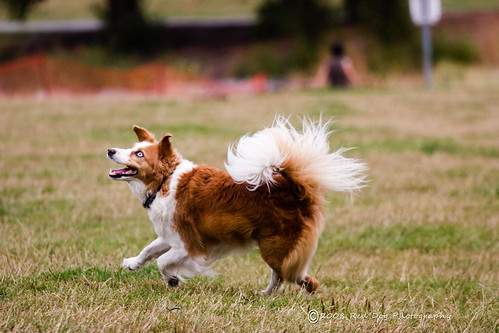
Border Collies use their tail curl to send clear messages. A high, tight curl often shows alertness or excitement. A relaxed, loose curl signals calmness or contentment. Tail position helps dogs share their focus and attention.
When the tail curls tightly, it may mean the dog is ready to act. This could be for play or guarding. A low or tucked tail usually warns of fear or submission. Watching these signs keeps interactions safe and smooth.
Emotional Expressions
The tail curl also reflects inner emotions. A wagging curled tail shows happiness and friendliness. Slow, minimal movement might mean the dog is unsure or cautious. Sharp changes in tail position can reveal sudden shifts in mood.
Border Collies are smart and sensitive. Their tail tells a story about their feelings. Understanding these cues helps you respond with care and respect.

Credit: www.universityucc.org
Care For Curled Tails
Border Collies have unique curled tails that need special care. Proper care keeps their tails healthy and clean. It also prevents common problems. Understanding how to care for curled tails helps every owner.
Tail care means more than looks. It supports your dog’s comfort and well-being. This section explains easy steps for grooming and health checks. Follow these tips to keep your Border Collie’s tail in top shape.
Grooming Tips
Brush the tail gently at least twice a week. Use a soft-bristle brush to remove dirt and loose hair. Check for mats or tangles around the curled area. Mats can cause pain and skin issues if left untreated.
Bathing should be done once a month or when dirty. Use mild dog shampoo to avoid skin irritation. Dry the tail carefully, especially inside the curl. A wet tail curl can invite infections.
Trim excess hair around the tail base for better air flow. Be careful not to cut too close to the skin. Regular grooming keeps the tail clean and free from pests.
Health Considerations
Inspect the curled tail daily for signs of redness or swelling. These might show infection or injury. Watch for unusual smells, which often mean bacterial growth. Check for hot spots or sores on the skin.
Curled tails can trap dirt and moisture easily. This may lead to skin problems or infections. Visit the vet if you notice persistent redness or discharge. Early treatment prevents serious issues.
Some Border Collies have genetic tail defects. These can cause discomfort or movement problems. Ask your vet to examine the tail during regular check-ups. Healthy tails mean happy dogs.
Common Tail Issues
The Border Collie’s tail is an important part of its body. It helps with balance and communication. Sometimes, the tail can face problems that affect your dog’s comfort and health. Knowing common tail issues helps you keep your pet safe and happy.
Injuries And Prevention
Tail injuries happen often in active Border Collies. They may hurt their tail by hitting doors or fences. Cuts, bruises, and broken bones can occur. Watch your dog during playtime to avoid accidents. Use safe spaces and check the tail regularly. Quick care helps prevent serious problems.
Signs Of Discomfort
Dogs show pain in many ways. If your Border Collie licks or bites its tail a lot, it may hurt. Swelling or redness can appear on the tail. Notice if your dog holds the tail low or hides it. These signs mean your dog needs attention. Early action keeps your dog comfortable and healthy.
Enhancing Tail Health
Keeping a Border Collie’s tail healthy is important for their comfort and happiness. A well-cared-for tail shows good overall health. Simple steps can help maintain the natural curl and prevent issues.
Strong, healthy fur and skin on the tail need proper care. Small changes in daily routine can make a big difference in tail health.
Diet And Nutrition
A balanced diet supports healthy skin and fur. Omega-3 fatty acids help reduce dryness and itching. Protein fuels fur growth and repair. Vitamins like A and E protect skin cells. Fresh water keeps the body hydrated and skin moist. Avoid foods with fillers or artificial ingredients. Proper nutrition helps the tail stay shiny and strong.
Exercise And Activity
Regular exercise improves blood flow to the tail area. Good circulation helps deliver nutrients and oxygen to skin and fur. Active dogs tend to have healthier coats. Gentle play and walks prevent stiffness around the tail. Avoid rough activities that can cause tail injuries. Daily movement supports the natural curl and flexibility of the tail.
Tail Curl In Other Breeds
The tail curl is a distinctive feature seen in many dog breeds. It often reflects the breed’s history and purpose. The way a dog’s tail curls can vary widely. Some breeds have tight curls, while others show loose or gentle curves. This trait plays a role in balance, communication, and even temperature control.
Understanding tail curl in different breeds helps us appreciate each dog’s uniqueness. It also shows how nature shapes each breed for its environment and tasks. Let’s explore how tail curls compare across breeds and what sets the Border Collie apart.
Comparative Traits
Many breeds sport curled tails, such as the Akita, Shiba Inu, and Alaskan Malamute. These tails often curl tightly over the back. The curl helps these dogs keep warm in cold climates. It also protects the tail from injury during work or play.
Other breeds, like the Pug or Basenji, have a high-set curl. Their tails form tight rings or corkscrews. This trait adds to their distinct look and aids in balance. Tail curl varies in shape, size, and position across breeds. Each variation has a purpose or historical reason.
What Makes Border Collie Unique
The Border Collie’s tail curl is softer and less pronounced. It usually forms a gentle curve rather than a tight ring. This tail type helps the dog maintain balance during fast movements. Herding requires quick turns and sharp stops, making a flexible tail vital.
Unlike breeds with tightly curled tails, the Border Collie’s tail is more about function than form. It acts as a rudder for precise control. The tail also signals mood and intent to other dogs and humans. This subtle curl suits the Border Collie’s active and intelligent nature perfectly.
Credit: boards.bordercollie.org
Frequently Asked Questions
Why Do Border Collies Have A Tail Curl?
Border Collies may have a tail curl due to genetics or individual traits. It varies among dogs and does not affect their health or agility.
Is A Curled Tail Normal For Border Collies?
A curled tail is less common but can be normal in some Border Collies. It does not indicate any health issues.
Does Tail Curl Affect A Border Collie’s Behavior?
Tail curl does not influence a Border Collie’s behavior. Their temperament depends on training, socialization, and environment.
Can Tail Curl Indicate Health Problems In Border Collies?
Tail curl alone rarely signals health problems. However, sudden changes in tail shape or movement should be checked by a vet.
Conclusion
Border Collie tail curls show their unique charm and character. These tails help dogs balance and express feelings. Watching a Border Collie’s tail can tell you a lot about its mood. Each dog’s tail curl may look different, making them special.
Understanding these curls helps you connect better with your pet. Enjoy the beauty and meaning behind every wag and curl. Caring for your dog means noticing these small details. Tail curls are just one part of what makes Border Collies amazing companions.
