
What Is the Purpose of a Border Collie Double Coat?

Quick Answer
A Border Collie’s double coat has two layers that work together to protect the skin, provide insulation, handle changing weather, and help keep dirt and moisture away from the body. The softer undercoat and tougher outer guard hairs have different jobs, which is why correct double-coat care matters.
What the Double Coat Does
- Insulates the body: The dense undercoat traps air close to the skin and helps buffer temperature changes.
- Blocks the weather: Coarser guard hairs help shield the dog from rain, wind, dirt, and vegetation.
- Protects the skin: The outer coat creates a physical barrier between sensitive skin and the environment.
- Adapts seasonally: The undercoat can shed more heavily as environmental conditions change.
- Supports working life: The coat suits a herding dog bred to spend long periods moving outdoors in changing conditions.
One Important Care Rule
- Brush out loose undercoat instead of shaving the body simply to reduce shedding or cope with warm weather.
Border Collies, sometimes called Borders or BCs, carry much of their working history in their coats. That coat is more than the attractive rough or smooth fur we see from the outside.
I think of it as working equipment. Once you understand what each layer does, grooming and shedding make much more sense.
In This Guide
- What Is a Border Collie Double Coat?
- Why Does a Border Collie Have a Double Coat?
- How Do the Two Coat Layers Work Together?
- Do Rough and Smooth Border Collies Both Have Double Coats?
- How Does the Double Coat Change Through the Year?
- How Should You Groom a Border Collie Double Coat?
- Should You Ever Shave a Border Collie’s Double Coat?
- When Can Coat Changes Signal a Problem?
- Frequently Asked Questions
What Is a Border Collie Double Coat?
A Border Collie’s double coat consists of a softer layer close to the skin and a tougher outer layer of guard hairs. Both rough-coated and smooth-coated Border Collies can have this two-layer arrangement.
Definition: A Border Collie double coat is a two-layer fur system made from a dense undercoat beneath protective outer guard hairs.
The undercoat
The undercoat is usually softer, finer, and denser than the visible outer hair. Its structure helps hold a layer of air near the dog’s body.
- Texture: Soft and often woolly or down-like.
- Location: Sits close to the skin.
- Main role: Insulation and environmental buffering.
- Shedding: Often responsible for the dramatic loose fur owners notice seasonally.
The outer coat
The outer layer contains stronger guard hairs. These hairs help protect the softer coat and skin beneath them.
- Texture: Coarser than the undercoat.
- Main role: Physical protection from moisture, dirt, vegetation, and weather.
- Visibility: Forms much of the coat you see and touch first.
- Durability: Guard hairs generally remain longer than soft undercoat hairs.
The layers should not be treated as interchangeable. Removing one can change how the entire coat performs.
Why Does a Border Collie Have a Double Coat?
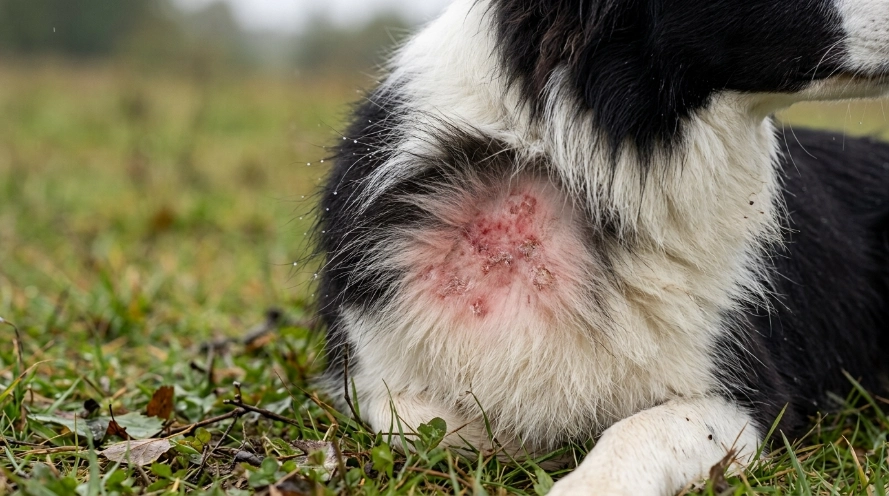
The Border Collie’s coat fits the breed’s history as an outdoor herding dog. Sheepdogs needed to work through wind, damp ground, vegetation, cool conditions, and changing weather without stopping whenever the environment became uncomfortable.
The breed was developed around function. Its coat reflects that practical background just as much as its stamina, responsiveness, and herding instinct do.
Protection during outdoor work
Imagine a dog moving across wet grass early in the morning. The longer outer hairs meet the moisture and debris before the skin does.
- Guard hairs help deflect light rain and moisture.
- The outer coat reduces direct contact with dirt and vegetation.
- The undercoat provides insulation underneath that protective layer.
- The combined coat helps shield the skin during outdoor activity.
This doesn’t mean a Border Collie is waterproof or protected from dangerous temperatures. It means the natural coat provides useful environmental protection that shouldn’t be removed without a good reason.
Protection matters even for pet Border Collies
A modern companion Border may never move sheep across a field. The same coat still helps during hiking, rainy walks, garden play, and ordinary outdoor exercise.
That is why I treat the coat as functional rather than decorative. A beautifully brushed coat is nice, but maintaining its natural structure matters more.
How Do the Two Coat Layers Work Together?
The undercoat and guard coat perform different jobs at the same time. Their value comes from working as a system rather than from either layer acting alone.
| Feature | Undercoat | Outer Coat |
|---|---|---|
| Typical texture | Soft, fine, dense | Longer and coarser guard hairs |
| Position | Closest to the skin | Forms the exposed surface |
| Main purpose | Insulation | Environmental and skin protection |
| Seasonal change | Can shed heavily | Usually changes less dramatically |
| Grooming goal | Remove loose hair without damaging healthy coat | Keep clean, untangled, and intact |
Does the coat keep a Border Collie cool?
The double coat helps insulate the dog’s body from outside conditions, but it isn’t an air conditioner. Dogs still rely heavily on panting and other normal cooling mechanisms when they become hot.
A clean coat with loose dead undercoat removed allows the coat to function better than a compacted, heavily matted one. Shade, fresh water, sensible exercise timing, and heat awareness remain essential.
- Cold weather: Dense undercoat helps retain warmth near the body.
- Warm weather: The coat provides a buffer between the skin and hot outside conditions.
- Sun exposure: Guard hairs help keep direct sunlight off much of the skin.
- Wet conditions: The outer coat gives the undercoat and skin another layer of protection.
Section Takeaway: The double coat works because the two layers complement each other. Keeping both layers healthy preserves the natural protection the coat was designed to provide.
Do Rough and Smooth Border Collies Both Have Double Coats?
Yes. Rough and smooth Border Collies can both have weather-resistant double coats, although they look noticeably different.
The difference you see is mainly coat length and feathering. A smooth Border can still carry a substantial undercoat underneath shorter outer hair.
| Trait | Rough Coat | Smooth Coat |
|---|---|---|
| Visible hair | Longer | Shorter and closer |
| Feathering | More noticeable around chest, legs, and tail | Limited |
| Tangle risk | Usually higher in long areas | Usually easier to check quickly |
| Shedding | Regular | Regular |
I never assume the smooth dog is the low-shedding version. Short hairs can be less visually dramatic, but loose undercoat still ends up on floors, bedding, clothing, and brushes.
How Does the Double Coat Change Through the Year?
Border Collies shed throughout the year, and many lose substantially more undercoat during seasonal changes. Owners often call a particularly heavy release of undercoat “blowing the coat.”
Spring and fall are common high-shedding periods, although climate and indoor living can make the pattern less predictable. Some dogs living in consistently warm homes shed more evenly across the year.
What normal coat shedding can look like
- Loose fluffy undercoat appearing during brushing.
- More hair collecting on bedding and floors.
- Small tufts lifting from the coat.
- A coat that feels less dense after a heavy shed.
- More grooming needed for several weeks.
This is where regular brushing pays off. Removing hair that is already loose reduces tangles and keeps dense areas from becoming packed.
I pay special attention behind the ears, around the neck, through the rear quarters, under the front legs, and around the tail. Rough-coated dogs can collect tangles quickly in these friction areas.
- Normal: Loose hair coming away evenly with otherwise healthy skin.
- Worth checking: Bald patches, sores, strong odor, heavy scaling, or persistent scratching.
As of 2026, the basic care principle hasn’t changed: seasonal shedding should usually be managed with grooming, not by removing the entire coat.
How Should You Groom a Border Collie Double Coat?
Regular brushing is the foundation of Border Collie coat care. The goal is to remove dirt, loose undercoat, and developing tangles while leaving healthy guard hairs intact.
The AKC suggests brushing Border Collies about once or twice weekly and more often during shedding periods. PetMD’s Border Collie guidance recommends brushing two to three times weekly, showing why I adjust frequency to the individual dog’s coat rather than follow one rigid number.
A practical home grooming routine
- Start with a coat check. Feel through the fur for tangles, burrs, damp areas, bumps, or skin irritation.
- Brush in manageable sections. Work gently rather than dragging a tool through the entire coat at once.
- Reach the undercoat. Surface brushing alone can leave loose hair packed beneath the guard coat.
- Comb tangle-prone areas. Check behind the ears, feathering, armpits, rear legs, and tail.
- Increase grooming during heavy shedding. Short, frequent sessions are often easier than waiting for a major buildup.
The ASPCA’s dog grooming guidance also emphasizes regular brushing to remove dirt, distribute natural oils, prevent tangles, and provide opportunities to inspect the skin.
What about bathing?
A bath can remove dirt and loosen dead hair, but shampoo doesn’t replace brushing. Dense undercoat also needs thorough rinsing and drying.
The PetMD Border Collie care guide describes regular bathing and brushing as the breed’s main coat-care needs. Lifestyle should still influence how often a specific dog needs a full bath.
- Brush before wetting a tangled coat.
- Use shampoo intended for dogs.
- Rinse through the dense coat completely.
- Dry down into the undercoat, not only the surface.
- Check the skin during every grooming session.
A muddy working Border and a mostly indoor companion won’t always need identical schedules. Coat condition matters more to me than an arbitrary calendar date.
Section Takeaway: Consistent brushing protects the function of the double coat while controlling loose fur. Groom often enough that dead undercoat never becomes a thick, compacted layer.
Should You Ever Shave a Border Collie’s Double Coat?
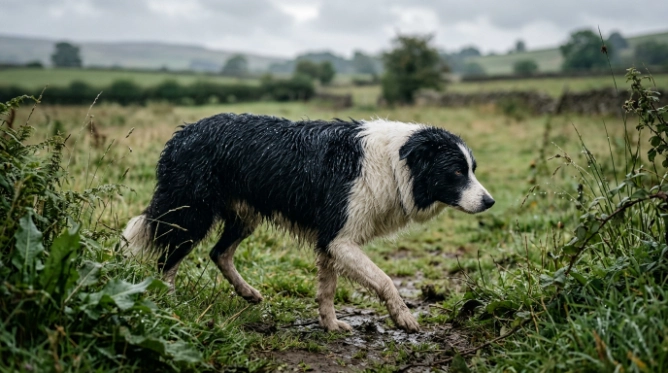
Routine body shaving is generally not recommended for a healthy Border Collie simply because the weather is warm or the dog is shedding. Shaving removes the protective guard hairs along with the insulating undercoat.
The AKC’s double-coated dog grooming guidance warns that shaving can damage the coat, expose the skin, and interfere with normal regrowth.
Why shaving doesn’t solve shedding
Cutting the hair short doesn’t stop follicles from cycling and releasing hair. It mainly makes the shed hair shorter.
- Skin exposure increases: Less fur remains between the skin and sunlight or environmental contact.
- Regrowth can differ: The undercoat and guard hairs don’t necessarily return at identical rates.
- Coat texture may change: Uneven regrowth can make the coat look or feel different.
- Shedding continues: Shortened hairs can still be shed.
When might clipping be necessary?
There are situations where a veterinarian or professional groomer may need to remove hair. Surgery, medical treatment, severe coat neglect, or matting that cannot be safely brushed out can change the decision.
That is different from giving a healthy Border Collie a routine summer shave. I would rather remove loose undercoat, keep the dog hydrated, provide shade, and avoid hard exercise during dangerous heat.
Vet note: If your Border Collie’s coat is severely matted or a medical condition requires clipping, ask your veterinarian or an experienced professional groomer about the safest approach.
When Can Coat Changes Signal a Problem?
Normal shedding should not automatically cause inflamed skin, persistent bald areas, sores, or intense itching. A sudden change in the coat deserves more attention than ordinary seasonal fur loss.
Grooming is useful because your hands reach areas that are easy to overlook. I use each brushing session as a quick skin check as well as a coat-care session.
Signs worth discussing with your veterinarian
- New bald or noticeably thinning patches.
- Persistent redness, bumps, scabs, or open sores.
- Repeated scratching, chewing, or licking.
- Strong or unusual skin odor.
- Greasy or unusually flaky skin.
- A coat that changes suddenly in texture or condition.
- Parasites or signs of flea dirt.
These signs can have many possible causes, so coat appearance alone can’t diagnose the problem. Allergies, parasites, infections, irritation, and other medical issues can all affect skin and hair.
More shampoo isn’t always the solution. Repeatedly washing a dog with an unexplained skin problem can delay getting the underlying cause checked.
Vet note: Contact your own veterinarian if your Border Collie develops ongoing itching, hair loss, inflamed skin, sores, or another unexplained coat change.
Frequently Asked Questions
Do all Border Collies have a double coat?
Border Collies are generally considered a double-coated breed, including both rough- and smooth-coated dogs. Coat density, texture, length, and the amount of visible undercoat can still vary between individuals.
What is the main purpose of a Border Collie’s undercoat?
The soft undercoat mainly provides insulation by trapping air close to the body. It also changes with shedding cycles, which is why much of the loose fluffy hair during heavy shedding comes from this layer.
What do the guard hairs do?
Guard hairs form the protective outer layer. They help shield the skin and undercoat from weather, moisture, dirt, sunlight, and physical contact with the surrounding environment.
Does a Border Collie’s double coat keep it warm and cool?
The coat helps insulate the body from environmental temperature changes. It doesn’t replace normal cooling through panting, so a Border Collie still needs water, shade, appropriate exercise timing, and protection from dangerous heat.
How often should I brush a Border Collie’s double coat?
A useful starting point is several brushing sessions each week, adjusted for coat length, tangles, activity, and season. During a heavy undercoat shed, many Border Collies benefit from more frequent brushing.
Should I shave my Border Collie during summer?
Routine summer shaving is generally discouraged for healthy double-coated dogs. Removing both coat layers can reduce skin protection and interfere with normal coat regrowth, while shaving does not stop the normal shedding cycle.
Why is my Border Collie suddenly shedding so much?
A heavier seasonal release of undercoat can be normal, particularly around seasonal changes. If shedding comes with bald areas, itching, sores, skin inflammation, or another sudden change, have your veterinarian check the dog.
Final Takeaway: A Border Collie’s double coat is a functional two-layer system, not just a distinctive part of the breed’s appearance. The undercoat provides insulation while the guard hairs protect the skin and inner coat from the environment.
As a practical rule for 2026, preserve that system rather than fighting it. Brush regularly, manage seasonal undercoat, avoid unnecessary shaving, and investigate unusual skin or coat changes instead of assuming they’re normal shedding.
If you remember one idea, make it this: keep the natural coat clean, loose, unmatted, and intact. That approach supports the purpose the Border Collie double coat was built to serve.
