
Can Dog Worms Transfer to Humans? What Border Collie Owners Should Know

If you’ve found worms in your dog’s stool, noticed scooting, or just had a scary moment after cleaning up poop, here’s the straight answer: yes, some dog worms can transfer to humans. But not every worm is a human risk, and the main danger is usually contaminated feces, soil, hands, or fleas rather than a dog simply licking you.
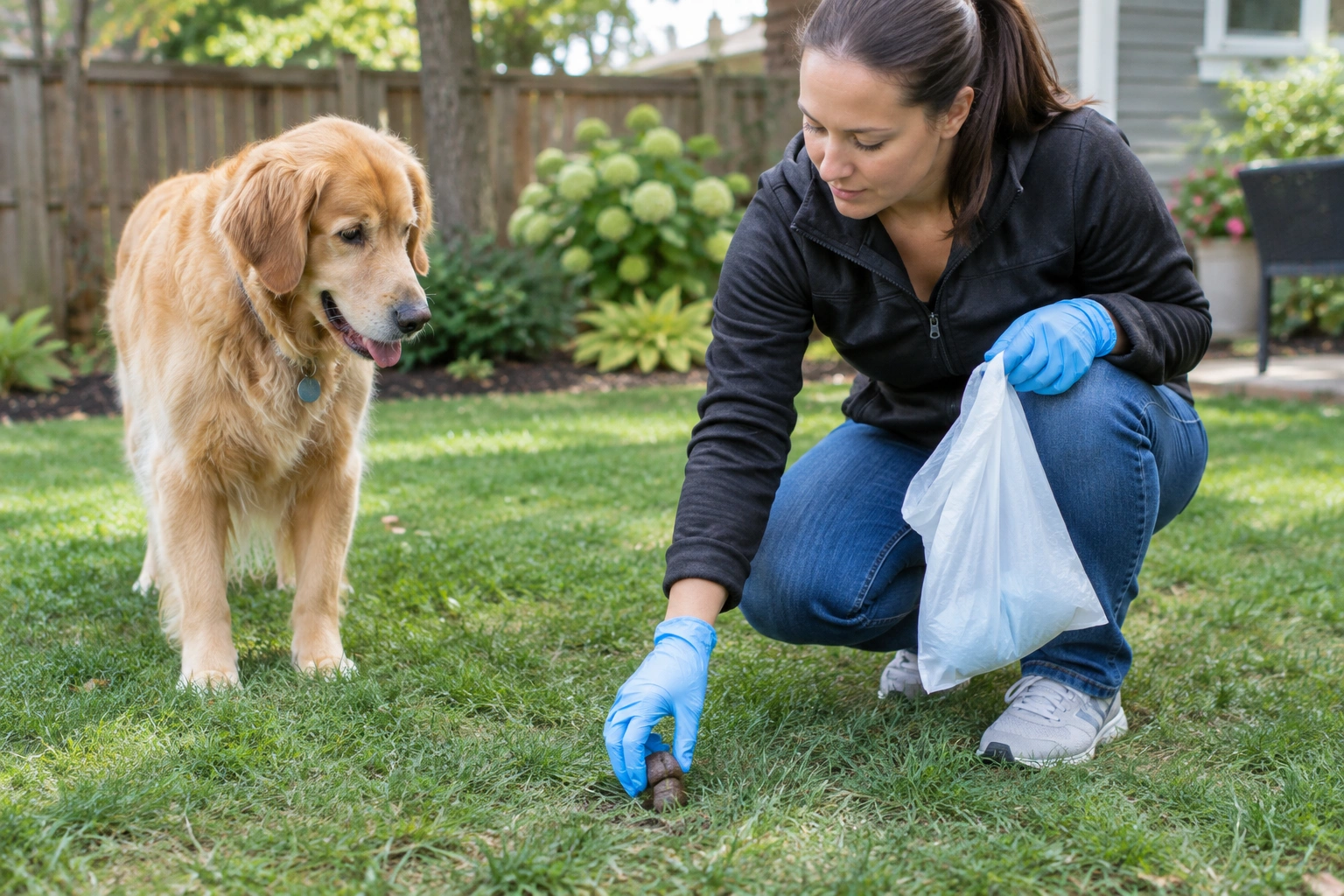
That said, human infection is not always obvious right away. Some cases can be asymptomatic at first or show up later, so the absence of symptoms does not always rule out exposure.
Can Dog Worms Transfer to Humans? The Short Answer
Some dog worms are zoonotic, which means they can infect both animals and people. The most important ones are roundworms and hookworms. Tapeworms can also spread to humans, but that usually involves fleas or accidental ingestion of infected material, not casual contact. Whipworms are much less common as a human infection risk than the others.
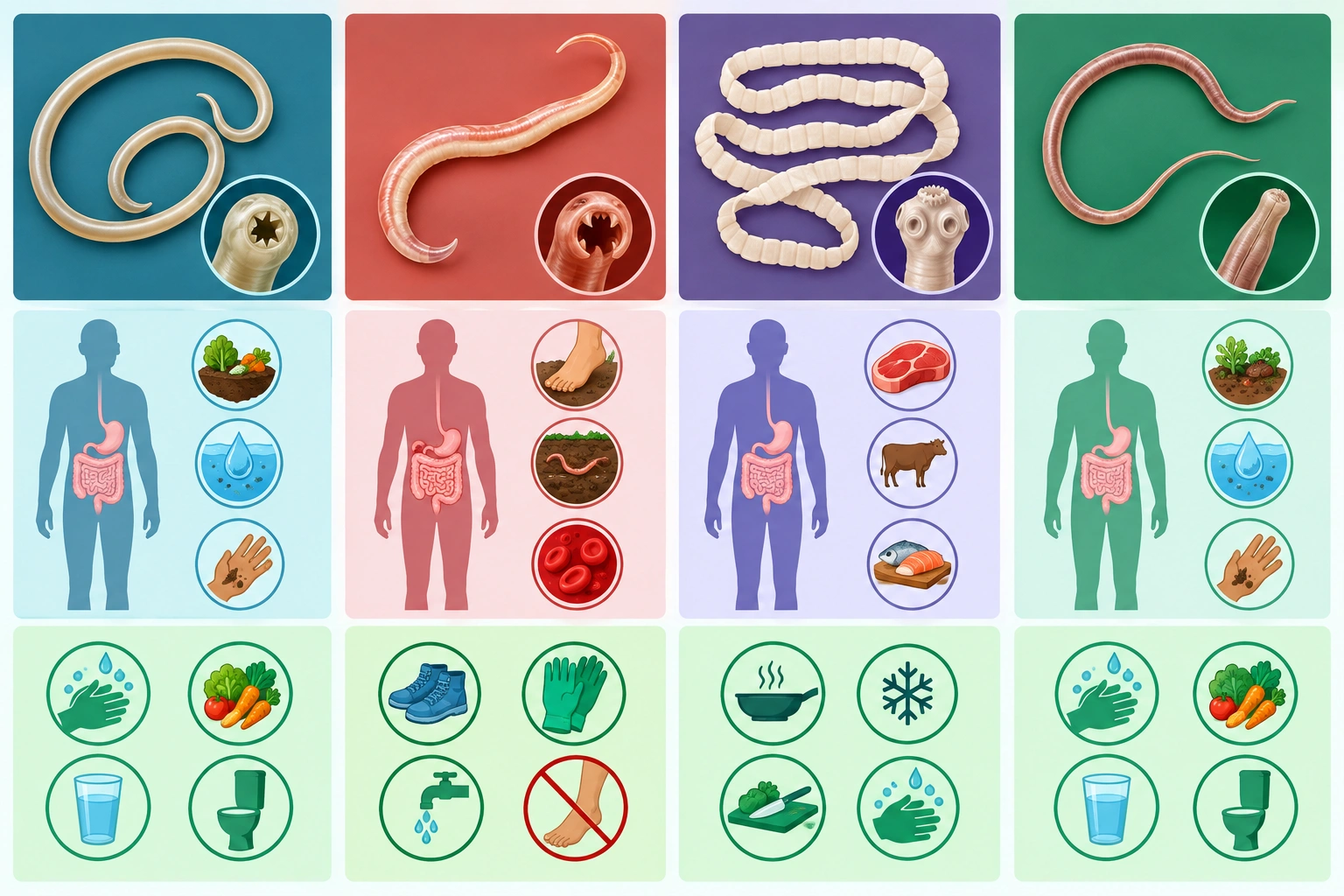
That distinction matters because people often assume “worms” are one single problem. They’re not. The parasite type changes the risk, the route of exposure, and what symptoms you’d watch for.
A dog with worms does not automatically mean everyone in the house is infected. But if there has been contact with poop, contaminated soil, or fleas, the situation deserves attention.
Which Dog Worms Can Infect People — and Which Usually Don’t
Here’s the practical comparison.
| Dog worm | Can it infect humans? | How transmission usually happens | Main human concern | Best prevention step |
|---|---|---|---|---|
| Roundworms | Yes | Accidental ingestion of eggs from contaminated hands, soil, or surfaces | Larvae can migrate through the body | Prompt feces cleanup and handwashing |
| Hookworms | Yes | Larvae in contaminated soil can enter skin | Itchy skin tracks or rash | Keep soil clean and avoid bare-skin exposure |
| Tapeworms | Rarely | Usually through fleas or infected material, not dog licking | Intestinal infection | Flea control |
| Whipworms | Much less common | Human infection is not a typical concern | Usually low compared with roundworms/hookworms | Routine vet parasite control |
The most important takeaway is simple: roundworms and hookworms are the big zoonotic parasites to think about first. Tapeworm risk often points back to fleas. Whipworms are far less likely to be the reason a household is worrying about human exposure.
If you want a broader overview of the signs in dogs, the ASPCA’s pet health guidance is a useful place to start, especially when symptoms overlap with other digestive problems.
How Transmission Actually Happens
The word “transfer” can sound dramatic, but the real pathways are usually practical and boring in the worst possible way.
Fecal contamination is the main route
Dogs shed parasite eggs or larvae in stool. Those eggs can get onto:
- hands during cleanup
- shoes and paws
- flooring or bedding
- grass, dirt, and sand
- toys or outdoor surfaces
From there, a person may become infected by touching the contaminated area and then touching their mouth, eating without washing hands, or handling food.
Soil exposure matters more than cuddling
This is where many owners get the risk level wrong. Petting a dog is not usually the problem. The bigger issue is contact with contaminated soil or feces, especially if a child plays outdoors, a yard isn’t cleaned quickly, or someone gardens barefoot or with unwashed hands.
Fleas can be the missing link
Tapeworms are often tied to fleas. If a dog has fleas and tapeworms, the household needs to think about both problems together. Treating only the worm without tackling the flea source can lead to repeat infection.
Licking is usually not the main concern
A lot of people worry about a dog licking their face or hands. That can feel gross, but the verified evidence here points to fecal contamination, soil, and accidental ingestion as the real transmission routes. Licking is not typically the main way dog worms spread to people.
Human Symptoms: What Infection Can Look Like, and When It May Be Silent
Human symptoms can range from nothing at all to fairly specific signs, depending on the parasite and where it goes.
Roundworms in humans
Roundworm infection can be silent, or it can cause vague illness. In some cases, larvae migrate through the body and cause problems beyond the gut. That’s why exposure history matters even when symptoms are not dramatic.
Hookworms in humans
Hookworms often show up on the skin first. A person may notice:
- itchy red tracks
- rash
- localized skin irritation
This is one of the clearest clues that soil exposure may be involved.
Tapeworms in humans
Tapeworm infection may cause mild digestive symptoms or be noticed only after the fact. Because tapeworms are less directly tied to casual dog contact, a flea problem in the home often changes the level of concern.
When symptoms are vague
Abdominal discomfort, loose stool, nausea, or unexplained skin irritation can have many causes. That’s why the exposure story matters. If someone in the house had known contact with contaminated soil, feces, or fleas, don’t dismiss mild symptoms just because they’re nonspecific.
Dog Symptoms That Suggest Worms
Dogs don’t always look sick at first. Some carry worms and act mostly normal. Still, these signs should make you think about a fecal exam:
- diarrhea
- scooting
- vomiting
- weight loss
- pot-bellied appearance, especially in puppies
- visible worms in stool or around the anus
- dull coat
- fleas
Dogs that spend time outdoors are more likely to encounter contaminated soil, grass, parks, or yards where parasite eggs or larvae can linger, so it’s easy to miss early signs if the dog is still eating and running normally. That’s one reason stool testing matters more than guesswork.
Worm symptoms can also overlap with diet changes, stress, giardia, or other intestinal issues, so visible signs alone are not enough to identify the parasite.
Who Is at Highest Risk in the Household
Some households need a lower threshold for action.
Children
Children are at higher risk because they:
- play in dirt and grass
- put hands in their mouths more often
- may not wash well after outdoor play
A child who plays in a yard where dog feces were not picked up promptly has a very different risk profile than an adult who briefly saw a worm in the dog’s stool and cleaned it up carefully.
Immunocompromised people
Anyone with a weakened immune system should take possible exposure more seriously. The same goes for people with chronic illness who may struggle to shake off infection or complications.
Pregnant people and older adults
These groups are not automatically infected, but if symptoms appear after exposure, it’s sensible to contact a physician sooner rather than later.
Families with frequent soil exposure
If your dog spends a lot of time in the yard, at parks, or on trails, the environmental side of parasite control matters more. Soil is where eggs and larvae can persist long enough to keep the cycle going.
For general parasite prevention guidance in dogs, VCA Hospitals has reliable owner-friendly information on routine care and why fecal testing is used.
What to Do Today If You Suspect Exposure
Here’s the same-day plan I’d use in a real household.
- Pick up dog feces immediately and dispose of it safely.
- Wash hands thoroughly with soap and water after cleanup, yard work, or soil contact.
- Keep children away from the contaminated area until it’s cleaned.
- Wash bedding, blankets, and other washable items on hot cycles when appropriate.
- Limit barefoot yard time until the area has been cleaned.
- Check for fleas and treat the flea problem if present.
- Book a vet visit for a fecal exam if the dog has symptoms or visible worms.
- Call a doctor if a person has symptoms or is high risk.
A quick cleanup is inconvenient, but it reduces the chance that eggs or larvae stay in the environment long enough to matter.
When to Call the Vet vs. When to Call a Doctor
Call the veterinarian if your dog has:
- diarrhea
- scooting
- vomiting
- weight loss
- a pot belly
- visible worms
- fleas plus signs of intestinal upset
A fecal exam helps identify the parasite instead of guessing. That matters because the treatment changes depending on whether you’re dealing with roundworms, hookworms, tapeworms, or something else.
Urgent red flags for dogs: call promptly if your dog has severe or persistent vomiting or diarrhea, blood in the stool, signs of dehydration, marked lethargy, a painful or swollen abdomen, or is a puppy that seems to be getting worse quickly.
Call a doctor if a person has:
- abdominal pain
- diarrhea after known exposure
- unexplained rash or itching
- skin tracks or unusual skin irritation
- symptoms after handling contaminated soil, feces, or fleas
If the person is a child, pregnant, elderly, or immunocompromised, it’s reasonable to seek medical advice sooner even if symptoms are mild.
Urgent red flags for humans: seek prompt medical care for severe abdominal pain, dehydration, blood in the stool, a rapidly worsening rash, trouble breathing, or symptoms that are getting worse instead of better.
Testing, Diagnosis, and Why Fecal Exams Matter
Symptoms alone are unreliable in dogs. One dog may have visible worms and obvious diarrhea, while another may look fine and still shed eggs. A fecal exam gives the vet a clearer picture of what parasite is present and whether other household steps are needed.
In humans, diagnosis depends on symptoms plus exposure history. A doctor may ask about contact with soil, poop, fleas, or a sick pet. That history helps narrow down whether the problem fits roundworms, hookworms, or something else.
The key point: don’t guess based on appearance alone. Different parasites need different responses.
Treatment Basics and Why Prescription Guidance Matters
Deworming medication is not one-size-fits-all. Some over-the-counter options exist for dogs, but the wrong product may miss the parasite you’re dealing with. That’s why veterinary guidance is the safer route.
Treatment may also need to include:
- flea control
- repeat testing
- cleanup of bedding and yard areas
- follow-up if the dog reinfects from the environment
For humans, treatment depends on the parasite and the person’s symptoms. That’s a physician decision, not a DIY project.
Avoid using leftover pet medication or assuming a human dewormer is the answer. The parasite has to be identified first.
How to Prevent Repeat Exposure in the Home and Yard
Prevention is mostly about breaking the parasite cycle.
Keep feces from sitting around
The faster poop is removed, the less chance eggs have to spread into soil, paws, shoes, and hands.
Use routine parasite prevention
Regular deworming and flea control lower the odds that the home keeps cycling through the same problem. This is especially important for puppies, outdoor dogs, and households with children.
Wash hands after outdoor cleanup
This sounds basic because it is basic, but it’s one of the highest-value habits in parasite prevention.
Manage the yard like part of the dog’s health plan
If your dog spends a lot of time outside, the yard is part of the exposure picture. Clean it, keep children from playing in contaminated areas, and don’t ignore fleas.
Keep an eye on puppies
Puppies are more likely to carry worms, so they deserve faster vet attention when symptoms show up. If you’ve just brought home a young dog and see diarrhea or worms, don’t wait to “see if it passes.”
Common Myths and Mistakes That Increase Risk
Myth: “If my dog licks me, I’ll get worms.”
That’s not the main risk. The bigger concern is contaminated feces, soil, hands, and fleas.
Myth: “If the dog seems healthy, there can’t be a problem.”
Dogs can carry parasites with subtle or no signs.
Mistake: delaying flea control
If tapeworms are in the picture, fleas are part of the problem.
Mistake: cleaning poop without washing hands after
The cleanup itself is often what creates exposure.
Mistake: assuming all worms are equally dangerous to humans
Roundworms and hookworms deserve the most attention. Tapeworms are less direct. Whipworms are much less common as a human infection risk.
Final Takeaway
So, can dog worms transfer to humans? Yes, some can — but the main risk comes from fecal contamination, soil, hands, and fleas, not everyday affection. Roundworms and hookworms are the parasites to take most seriously, tapeworms matter especially when fleas are involved, and whipworms are much less common as a human infection risk.
If your dog has symptoms, get a vet involved. If a person has symptoms after exposure, call a doctor. If you clean up quickly, wash hands well, and stay on top of deworming and flea control, you cut the risk dramatically.
For a deeper look at the human side of this issue, see our related guide on what Border Collie owners need to know about dog worms and people.
FAQ
Can I get worms from touching my dog?
Usually not from casual touching alone. The real risk is contact with contaminated feces, soil, or fleas.
Can dog worms spread through licking?
That is not typically the main transmission route. Fecal contamination and accidental ingestion are the bigger concerns.
Are puppies more likely to spread worms to humans?
Yes, puppies are more likely to carry worms, so households with young dogs should be especially careful with cleanup and vet care.
Should I see a doctor after exposure?
If you have symptoms, are high risk, or had clear contact with contaminated soil, feces, or fleas, it’s worth calling a doctor.
Should I take my dog to the vet even if it seems fine?
If you saw worms, have ongoing diarrhea, or suspect fleas, a fecal exam is a smart next step even if the dog still seems active.
