
Do Dogs Have Cramps When in Heat? What’s Normal, What Isn’t, and When to Call the Vet

If your female dog seems restless, clingy, or uncomfortable during her heat cycle, the first question is usually the same: do dogs have cramps when in heat?
The short answer is: dogs can seem uncomfortable during heat, but they do not typically get period-like cramps the way humans do. What owners usually notice is restlessness, fidgeting, licking, mild tenderness, or behavior changes tied to hormones and the reproductive cycle. That said, if your dog looks genuinely painful, lethargic, feverish, or unwell, don’t assume it’s “just heat.” Those signs deserve a vet check.
For Border Collie owners, this matters because a dog that is already alert, active, and sensitive to environmental change may show heat-cycle discomfort more clearly than a more laid-back dog. The key is learning the difference between normal heat behavior and signs of illness.
What a Dog’s Heat Cycle Actually Is
A dog’s heat cycle is called estrus, and it is part of the female reproductive cycle that can allow pregnancy. It is not the same as a human menstrual period.
The cycle has stages, but the two most relevant to owners are:
Proestrus
This is the stage where many owners first notice something is happening. You may see:
- vulvar swelling
- bloody discharge
- more licking
- changes in mood or attention-seeking
- increased interest from male dogs
Estrus
This is the fertile stage. Behavior often changes again. Some dogs become more receptive to male dogs, while others get more restless, clingy, or distracted.
The important practical point is this: bleeding during heat is not automatically a sign of pain. It is a normal part of the cycle. But normal does not mean effortless. Many dogs seem unsettled, and that can look a lot like discomfort.
For a more general reference on female dog seasons and what owners usually see, the Royal Kennel Club’s overview of seasons and being in heat is useful.
Do Dogs Actually Get Cramps in Heat?
Here’s the practical answer: not in the human sense.
Dogs do not describe their sensations to us, so owners sometimes use the word “cramps” to explain what looks like discomfort. But most veterinary guidance frames heat-related signs as fidgetiness, nervousness, tenderness, or general discomfort rather than true menstrual cramps.
That distinction matters because it changes what you do next:
- Mild restlessness or clinginess can be normal.
- Obvious pain is not something to brush off.
- Vomiting, fever, collapse, or foul-smelling discharge are never “just heat.”
WebMD notes that a dog in heat may be fidgety or nervous and may seem uncomfortable, but if the symptoms look painful, you should call your vet. That’s the right level of caution to use in real life.
Normal Heat Signs: What Mild Discomfort Can Look Like
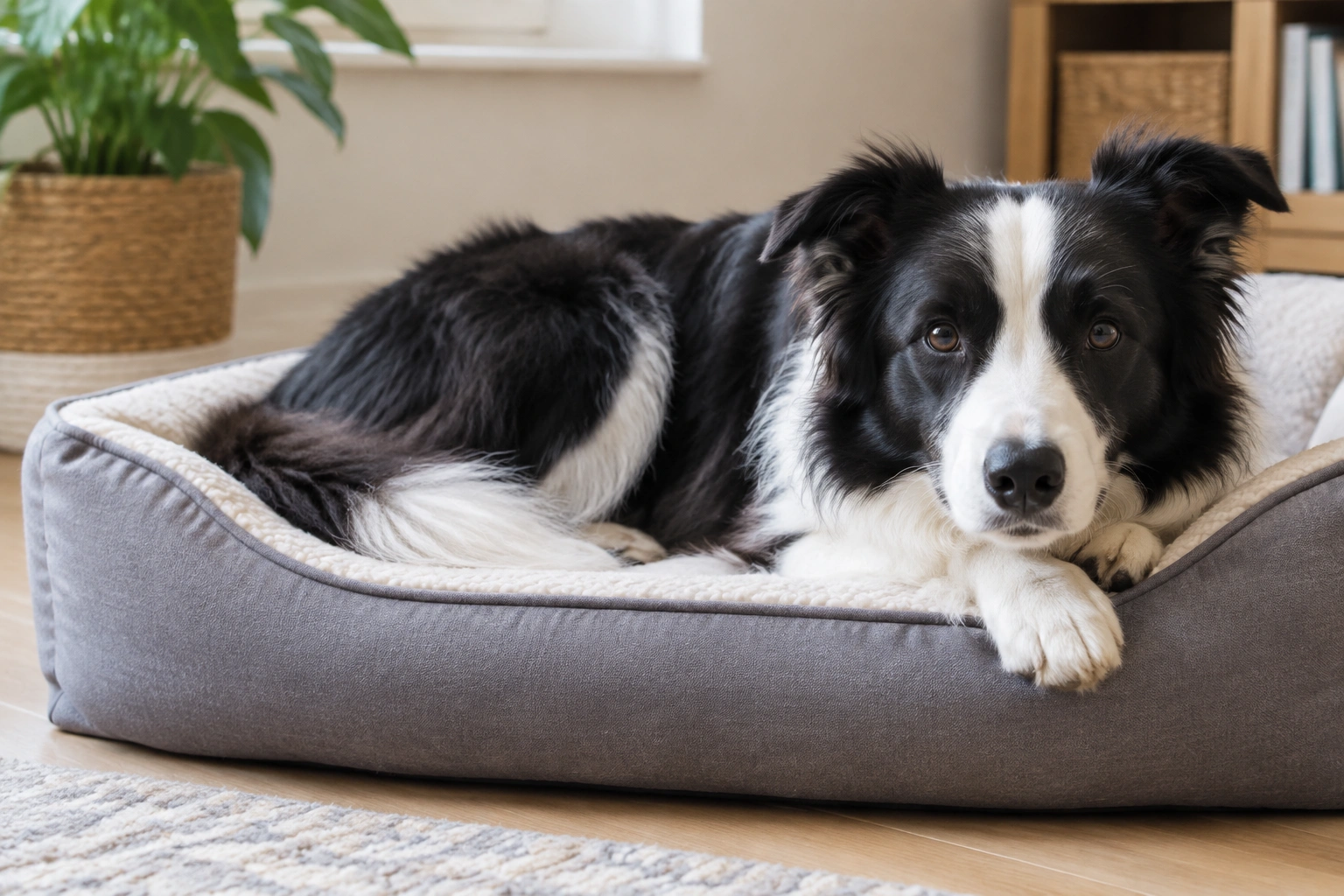
A dog in heat may not act sick, but she may act different. Normal signs often include:
- swollen vulva
- bloody or pink-tinged discharge
- licking her genital area more often
- frequent urination
- restlessness
- clinginess
- nervous or fidgety behavior
- mounting or being more flirtatious with other dogs
- appetite changes
Some dogs also seem less settled than usual. They may pace, resettle repeatedly, or ask for more attention. In a Border Collie, that can look like “can’t switch off” behavior.
A useful way to think about it: normal heat often changes behavior, but it does not usually knock the dog flat. She may be distracted or mildly uncomfortable, but she should still look mostly like herself.
Discomfort vs Pain: How to Tell the Difference
This is the decision point most owners need help with.
More likely normal heat discomfort
Watch for signs like:
- still interested in food
- still drinking normally
- alert and responsive
- mild restlessness
- extra licking
- wants to be near you
- no vomiting or fever
- no strong odor from discharge
More concerning for pain or illness
Be more worried if you see:
- hunched posture
- reluctance to move
- trembling
- abdominal tenderness
- repeated lying down and getting up like she cannot get comfortable
- loss of appetite that is more than mild
- lethargy
- whining or guarding her belly
- obvious discomfort when picked up or touched
A dog can be uncomfortable without being truly ill. But if she seems painful, that is not a normal heat sign. A dog that looks miserable, withdrawn, or physically sore needs veterinary advice.
One simple rule helps: if the behavior would worry you outside of heat, it should still worry you during heat.
When Heat Symptoms Are Not Normal
Some signs should not be written off as routine heat changes. Call your vet promptly if you notice:
- foul-smelling discharge
- fever
- vomiting
- marked lethargy
- collapse
- obvious abdominal pain
- very heavy bleeding
- discharge that turns thick, pus-like, or unusually colored
- a dog who seems worse instead of gradually settling
These are not typical “cramps.” They suggest illness, infection, or another problem.
This is especially important because pyometra can sometimes be mistaken for a normal reproductive change by owners who are expecting heat-related discharge. Pyometra is a serious uterine infection and can become life-threatening quickly.
Heat Symptoms Versus Pyometra, UTI, or Other Problems
A comparison table can help you decide what you’re seeing.
| Sign | More consistent with normal heat | More concerning for pyometra / UTI / illness |
|---|---|---|
| Discharge | Bloody or pinkish, no strong odor | Foul-smelling, pus-like, unusual color, or very heavy |
| Energy | A little restless or clingy | Lethargic, weak, withdrawn |
| Appetite | Mild change, still eating some | Refusing food, vomiting, or worsening appetite |
| Body temperature | No fever | Fever or acting feverish |
| Belly | Mild discomfort at most | Abdominal pain, swelling, guarding |
| Behavior | Fidgety, distracted | Depressed, painful, or collapsing |
| Urination | More frequent urination can happen | Straining, accidents, pain, or obvious urinary distress |
If your dog has discharge plus systemic symptoms like vomiting or lethargy, do not assume it is a normal cycle. That combination deserves a vet visit.
For general canine health guidance, VCA Hospitals has a helpful overview of what heat is and how it affects female dogs. You can also review AKC’s guidance on female dog heat cycles for broader cycle context.
How Long Heat Lasts and When Symptoms Usually Peak
A dog’s heat cycle is not a one-day event. Owners often need to plan for weeks, not hours.
A practical timeline:
- First signs often include swelling and discharge.
- The full heat cycle commonly lasts about 2 to 4 weeks overall, but the exact timing varies by dog.
- Visible discharge may last for part of that cycle and is often noticed most during the early stages.
- Behavior can shift across the cycle rather than staying the same from start to finish.
Dogs typically go into heat between 6 and 12 months of age, though size and breed matter, and individual dogs vary. Smaller dogs often cycle earlier than larger dogs, but there is no single exact age that fits every dog.
That means if your young Border Collie has not yet cycled, or starts earlier or later than a neighbor’s dog, that alone is not unusual.
The key question is not just how long the bleeding lasts. It is whether the dog is stable, eating, drinking, and acting like herself as the cycle progresses.
How to Keep a Dog Comfortable and Safe at Home
Home care should aim at comfort, cleanliness, and containment. It will not fix pyometra or another illness, but it can make a normal heat cycle easier to manage.
Keep the routine calm and predictable
Dogs in heat may be more anxious or restless. A steady routine helps reduce friction. Feed, walk, and rest her at roughly the same times each day.
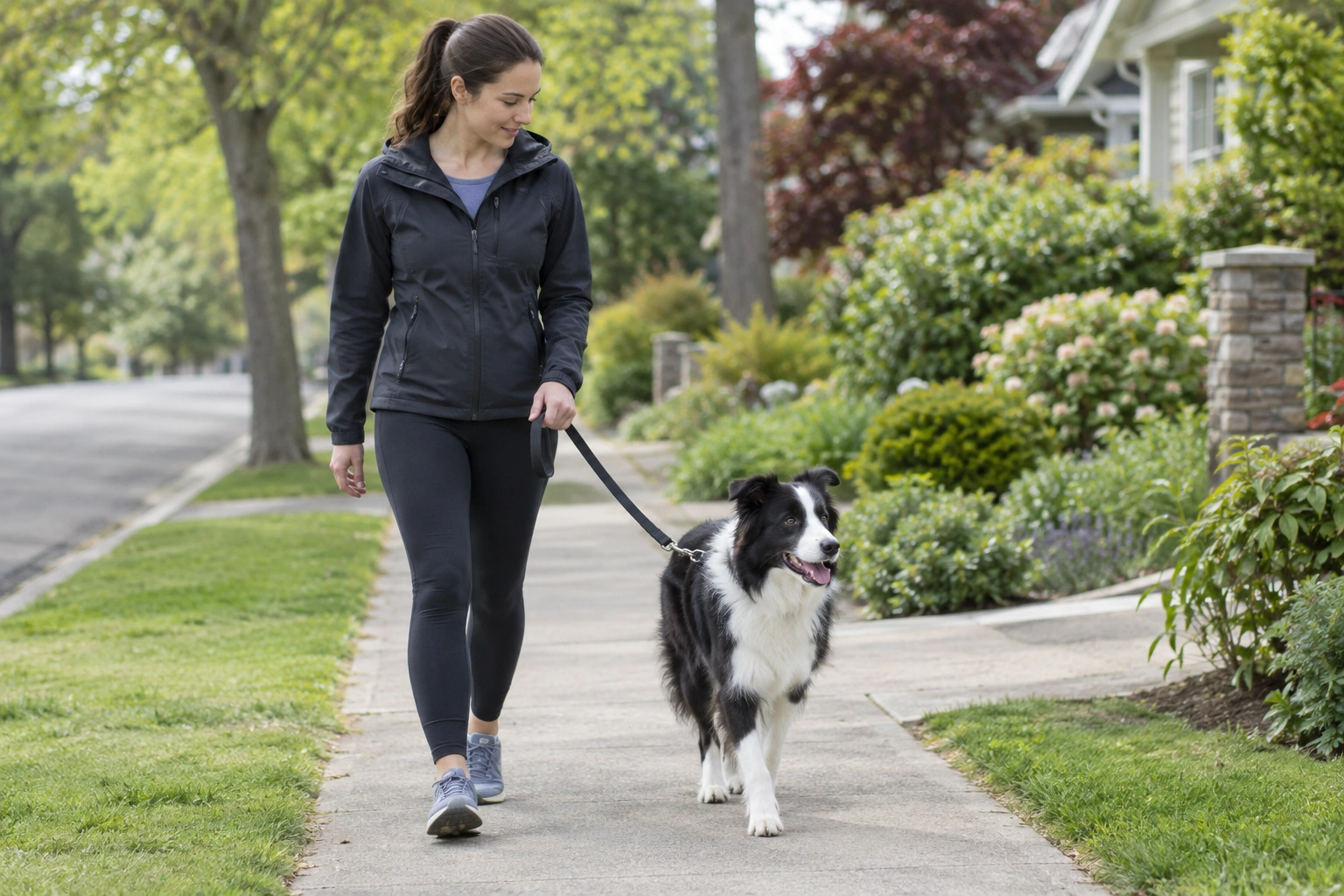
Use leash control outside
Do not rely on voice control alone. Keep her on leash even in familiar spaces. A female in heat can attract male dogs from surprising distances, and one loose moment is enough for an unwanted mating.
Separate her from intact males
This is not the time for “we’ll just see how it goes.” Physical separation is the safest choice.
Keep her clean, but don’t overdo bathing
A damp cloth or careful cleaning of discharge around the vulva is usually enough. Frequent bathing can irritate skin and add stress.
Give her a quiet resting space
Some dogs want more contact; others want less. Let her choose a calm spot where she can settle without constant disturbance.
Watch food and water
A mild appetite dip can happen. What matters is whether she still drinks, eats something, and remains bright enough to interact normally.
If you are trying to manage a busy, energetic dog like a Border Collie through heat, confinement and routine matter more than extra exercise. A tired dog is not the same as a settled dog, and overexcitement can make the cycle feel harder for everyone.
What Not to Do
A few common mistakes create real risk.
Do not give human pain relievers
Do not give ibuprofen, acetaminophen, naproxen, or similar medications unless your veterinarian specifically tells you to. Human pain medicines can be dangerous for dogs.
Do not assume pain is normal
If your dog seems sore, hunched, or depressed, don’t wait several days hoping it will pass. Heat can overlap with infection or other illness.
Do not ignore bad-smelling discharge
That is one of the clearest warning signs that this is not routine heat.
Do not let her mingle with intact male dogs
This is the fastest route to an unwanted pregnancy and a very stressful situation.
Do not use “she’s just hormonal” as a catch-all explanation
Hormones can explain restlessness. They do not explain fever, vomiting, collapse, or strong abdominal pain.
When to See a Veterinarian
For this topic, the professional to call is usually the veterinarian. Medical signs need medical evaluation.
Call your vet if:
- you think your dog is in pain
- discharge smells bad
- bleeding seems excessive
- she is lethargic or vomiting
- she has a fever
- her abdomen seems tender
- she stops eating
- her symptoms get worse rather than better
- you are unsure whether this is heat or illness
A good rule is this: mild restlessness and normal discharge can be watched at home; anything painful, smelly, systemic, or worsening should be checked promptly.
Long-Term Prevention: Spaying and Planning Ahead
If you do not plan to breed your dog, spaying is worth discussing with your veterinarian.
The main trade-off is simple:
- Keeping a dog intact preserves reproductive potential, but it also means repeated heat cycles, ongoing management, and the risk of reproductive disease.
- Spaying prevents future heat cycles and removes the problem of managing a dog in season, but it is a permanent decision and should be timed with veterinary guidance.
For many owners, the practical burden is what drives the decision. Heat means supervision, leash discipline, male-dog avoidance, and close monitoring for abnormal signs. If that level of management is hard to maintain reliably, spaying may be the more realistic long-term plan.
If you are still deciding, talk to your veterinarian about age, breed, and health factors. The best timing can vary, especially in active breeds where joint and growth considerations may matter.
The Bottom Line
So, do dogs have cramps when in heat? Not usually in the human sense. Most dogs are better described as restless, fidgety, or mildly uncomfortable rather than crampy. Normal heat can include swelling, discharge, licking, and behavior changes.
What should make you pause is pain, fever, vomiting, foul odor, lethargy, or abdominal tenderness. Those are not normal heat signs, and they should not be managed with guesswork.
If your dog seems only a little unsettled, keep her calm, contained, and closely supervised. If she seems truly unwell, call the vet. That simple split—mild and stable versus painful or worsening—is the fastest way to make the right decision.
FAQ
How long does a dog stay in heat?
The full cycle commonly lasts about 2 to 4 weeks, but timing varies by dog. Owners usually notice the discharge and behavior changes most during the earlier part of the cycle.
Is it normal for a dog in heat to seem restless?
Yes. Restlessness, clinginess, licking, and mild mood changes can be normal heat signs.
When should I call the vet?
Call your vet if your dog has foul-smelling discharge, fever, vomiting, lethargy, abdominal pain, heavy bleeding, or seems painful or worse over time.
At what age do dogs usually go into heat?
Many dogs begin cycling between 6 and 12 months of age, but breed, size, and individual variation matter.
