
How Old Are Senior Dogs? A Practical Guide for Border Collie Owners

If you’re asking how old are senior dogs, the honest answer is: there isn’t one universal age. A dog is usually considered senior somewhere around the last quarter of its expected lifespan, but that point shifts with size, breed, and overall health.
That matters for Border Collie owners because Border Collies often stay physically capable well into later life. Some slow down gradually at around 7 or 8 years old; others still look “young” at that age and only show clear senior signs later. The number on the calendar is only the first clue. What really tells you a dog is entering senior years is the combination of age, stamina, movement, recovery time, and small day-to-day changes.
For a useful starting point, the VCA notes that dogs are generally considered senior when they’ve reached about 75% of their average lifespan. That framework is practical because it avoids pretending every dog ages at the same pace.
What age is a dog considered senior?
Most owners are given a simple answer like “around 7 years old,” but that’s only a rough average. It fits some dogs reasonably well and misses others by several years.
A better way to think about senior status is this:
- Small dogs often become seniors later
- Medium dogs usually reach senior age in the middle range
- Large and giant breeds often become seniors earlier
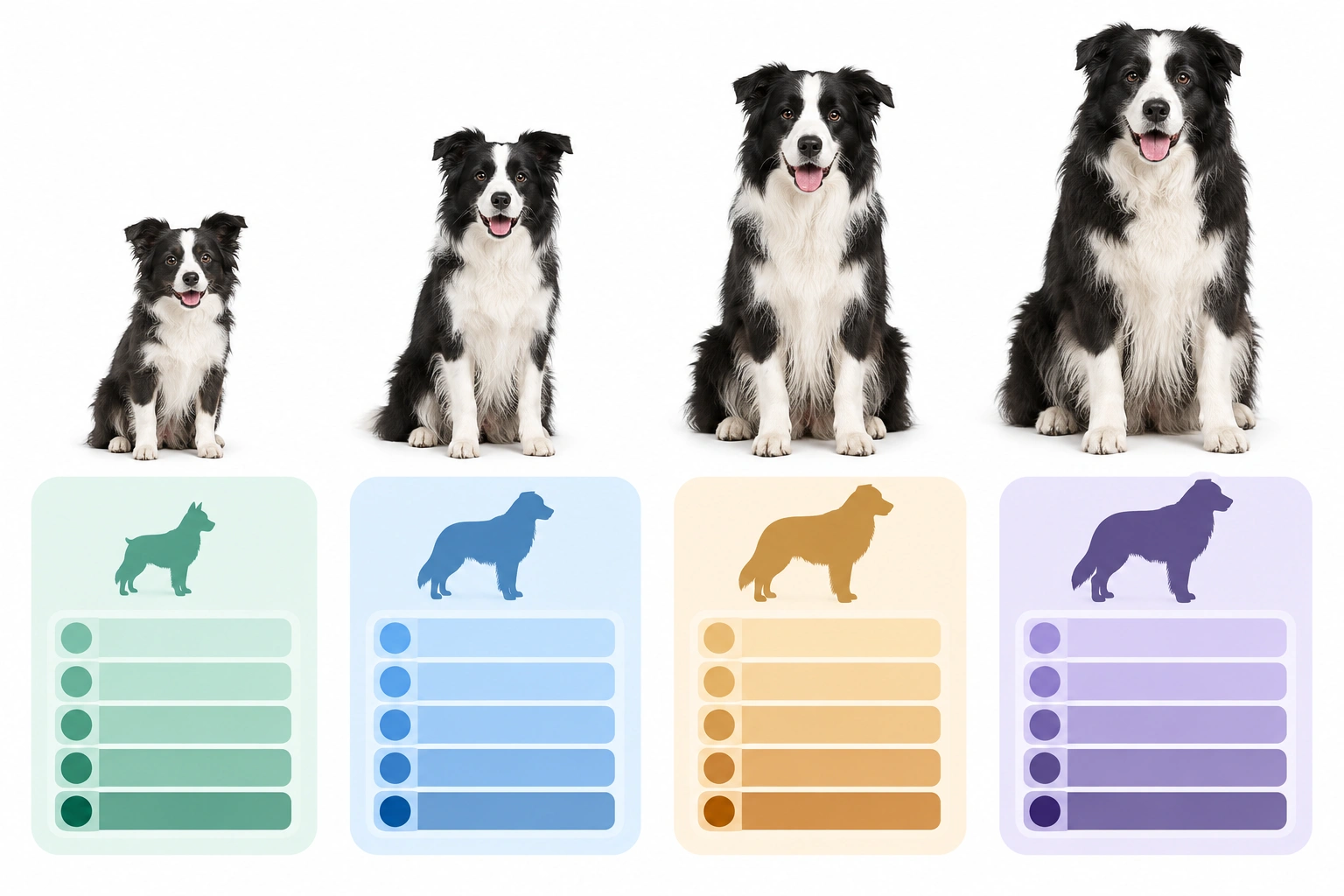
Here’s a practical size-based guide:
| Dog size | Typical senior age range | What that usually means in practice |
|---|---|---|
| Small breeds | about 10 to 12 years old | Often still active, but may need closer monitoring for dental disease, mobility, and weight changes |
| Medium breeds | about 8 to 9 years old | Often the point when subtle slowing, stiffness, or recovery changes begin |
| Large breeds | about 6 to 8 years old | Senior care may need to begin earlier, especially if joint stress is already visible |
| Giant breeds | about 5 to 7 years old | Earlier screening and joint support often make sense sooner |
These ranges vary across veterinary sources, which is why age alone should never be treated as a hard cutoff. Breed-specific lifespan also matters, so a dog’s senior age is not determined by size alone. Still, the pattern is consistent: the bigger the dog, the earlier senior life often begins.
A common mistake is relying on the old “7 dog years equals 1 human year” idea. That shortcut is too crude to be useful. Dogs mature quickly in the first couple of years, then the pace changes again later in life. In other words, dog aging is not a straight line.
When a Border Collie is considered senior
Border Collies sit in a useful middle ground. They are not giant breeds, but they are also not tiny dogs with especially long lifespans. For many Border Collies, senior status often starts to become relevant somewhere around 7 to 9 years old, depending on body condition, activity level, and health history.
That range is not a diagnosis. It’s a cue to look more closely.
A Border Collie that is still eager, lean, and recovering well after exercise may not need a big care change yet, even if the calendar says 8. Another Border Collie of the same age may already be showing classic senior signs: hesitating on stairs, sleeping more, taking longer to warm up in the morning, or being less interested in long fetch sessions.
Breed matters here because Border Collies are often very fit for their age right up until they aren’t. Their drive can hide discomfort. A dog that still wants to work may be compensating for stiffness, not free of it. That is why owners should watch recovery, not just enthusiasm.
If you want a simple decision rule: for a Border Collie, treat 7+ as the age to begin senior-style monitoring, even if the dog still looks youthful.
Senior vs adult vs geriatric: what the life stages really mean
It helps to separate three stages:
Adult
This is the main middle-life period. Most dogs are physically mature, stable in body condition, and consistent in energy. For many dogs, this stage runs from roughly 2 to 6 years old, though it varies.
Senior
A senior dog is starting to age in a way that may show up in movement, recovery, senses, or internal health. The dog may still be active and capable, but the margin for error is smaller. Senior does not mean frail.
Geriatric
This is the later stage, when age-related changes are usually more obvious and more likely to affect daily function. A peer-reviewed review in PMC suggested 7–11 years as a senior range and 12+ years as geriatric for dogs in general, though breed size still matters and not every dog fits neatly into those boxes. That is a useful framework, especially for owners trying to decide when “older” becomes “more advanced older.”
The practical difference is this: a senior dog may need more monitoring and some routine changes. A geriatric dog often needs more frequent veterinary support, more comfort measures, and closer attention to pain, mobility, and appetite.
Signs your dog is becoming senior
The first signs are often subtle. You usually notice them in patterns, not one dramatic event.
Physical signs
- Slower to get up after resting
- Stiffness after sleep or after exercise
- Less stamina on walks or hikes
- More hesitation on stairs, jumps, or slippery floors
- Mild muscle loss, especially over the back legs
- Weight gain from reduced activity, or weight loss that needs explanation
- Dull coat or changes in grooming habits
Behavioral signs
- Sleeping more deeply or for longer periods
- Less interest in intense play
- Slower response to cues they used to know well
- Increased clinginess or, sometimes, more independence
- Irritability when touched in certain areas
- Confusion in new environments or at night
Sensory changes
- Noticing less, especially from a distance
- Startling more easily
- Seeming less responsive to sounds
- Bumping into things in dim light
None of these automatically means disease. But they do tell you the dog is no longer in the same physical place as a younger adult.
A helpful home check is to compare your dog to their own baseline. If they used to recover by the next morning after a long walk and now need two days, that matters. If they used to jump into the car without thinking and now pause, that matters too.
How to tell normal aging from a health problem
This is where many owners lose time. They assume every change is “just old age.” Sometimes it is. Often it isn’t.
Normal aging tends to look like:
– Gradual change
– Mild slowing
– Better and worse days
– No major pain
– No sudden appetite, thirst, or bathroom changes
A health problem is more likely when you see:
– Sudden stiffness or limping
– Obvious pain, yelping, or unwillingness to move
– Big changes in drinking or urination
– Weight loss without trying
– A swollen abdomen
– Coughing, collapse, or marked lethargy
– Bad breath with trouble chewing
– New confusion, pacing, or house-soiling
If a dog is still willing to exercise but seems sore afterward, arthritis is one possibility. If the dog is tired after very mild activity, that can point to something broader than simple aging. If the dog is eating well but losing weight, that should not be written off as “getting old.”
The practical rule: slow changes can be monitored; sudden changes deserve a veterinary exam.
When to monitor at home vs book a vet visit within days
Monitor at home for a few days if the change is mild and gradual, such as:
– Slightly slower getting up, but still comfortable once moving
– A little less interest in play, but normal appetite and bathroom habits
– Mild stiffness that improves with rest and gentle movement
– A small drop in stamina without pain or limping
Book a vet visit within days if you notice:
– Limping that lasts more than a day or two
– Clear stiffness that is getting worse
– Reduced appetite that persists
– Increased thirst or urination
– Noticeable weight loss
– Ongoing bad breath with chewing changes
– Repeated accidents in the house
– A new cough, unusual fatigue, or behavior change that doesn’t quickly settle
If you’re unsure, it’s better to call your vet’s office and describe the change. They can help you decide whether it can wait or should be seen soon.
What changes senior dogs may need in diet, exercise, and routine
Senior care is usually about adjustment, not restriction.
Diet: fewer calories, but not lower quality
Many older dogs burn less energy because they move less. That can make weight gain more likely. At the same time, senior dogs still need good protein quality and enough nutrients to maintain muscle and body function.
The trade-off is simple: if you cut food too aggressively, you may lose muscle along with fat. If you don’t adjust at all, weight creep can worsen joint strain and lower stamina.
A practical approach is to check body condition rather than switching foods automatically just because of age. Some senior dogs do well on a senior formula. Others do better on an adult food with portion control. The right choice depends on body condition, appetite, activity, and any medical issues.
Exercise: keep moving, but reduce impact when needed
Most senior dogs should still exercise. Stopping movement entirely often makes stiffness worse.
For a Border Collie, this may mean:
– Shorter walks more often instead of one long outing
– More sniffing and less sprinting
– Fewer repeated jumps or sharp turns
– Gentle warm-up before active play
– Rest days after harder activity
This is especially useful for dogs that still want to work but don’t recover as quickly. The goal is to preserve mobility without pushing into soreness.
Routine: make life easier on joints and senses
Small changes often help more than dramatic ones:
– Non-slip mats on smooth floors
– A ramp for car entry if jumping is getting awkward
– A consistent feeding and potty schedule
– Better lighting in hallways or yards at night
– Softer bedding in a quiet sleeping area
These are not luxury upgrades. They reduce daily strain.
Common health problems in senior dogs
The most common age-related issues owners need to watch for are the ones that quietly erode quality of life.
Arthritis and joint pain
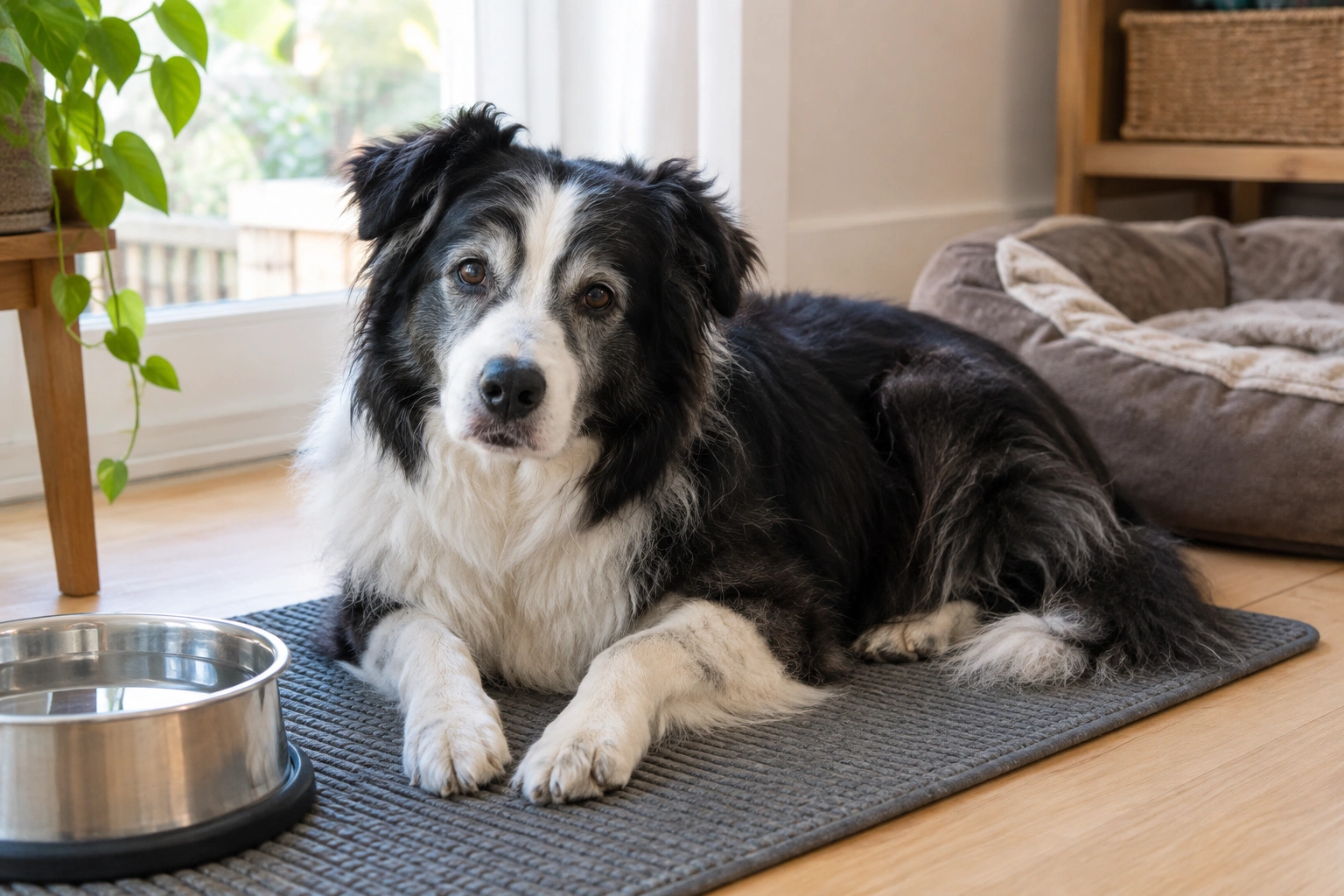
This is one of the biggest reasons older dogs slow down. The signs can be subtle: stiffness after rest, reluctance to jump, or moving more slowly on cold mornings. Border Collies can be especially good at hiding discomfort because they often want to keep going.
Dental disease
Bad breath is not just a nuisance. Dental disease can affect eating, comfort, and overall health. A dog that chews on one side, drops food, or seems less interested in hard treats may be telling you the mouth hurts.
Weight gain
Less activity plus the same food often leads to creeping weight gain. Extra weight makes joints work harder and can make exercise feel unpleasant, which then leads to even less movement. That cycle is worth breaking early.
Cognitive and sensory decline
Some older dogs become less aware, more anxious, or less responsive. Others simply seem slower to process what’s happening around them. That doesn’t always mean a serious problem, but it is worth tracking.
For general senior-dog care guidance, AKC’s overview of senior dog care is a solid starting point, especially if you want a broad checklist of what tends to change with age.
Preventive vet care for senior dogs
Senior dogs benefit from more proactive veterinary care than younger adults. The point is not to wait until the dog looks sick.
A typical senior wellness plan often includes:
– Regular physical exams
– Weight and body condition tracking
– Dental checks
– Mobility assessment
– Discussion of appetite, thirst, urination, and behavior
– Screening tests your vet recommends based on age and risk
The value of screening is early detection. A dog may appear “fine” at home while slowly developing pain, dental disease, or organ-related changes. Catching problems earlier usually gives you more options and a better chance of keeping the dog comfortable.
If your Border Collie is entering senior years, it makes sense to ask your vet what they want to monitor more closely from here on. Some dogs need only routine annual care. Others benefit from more frequent check-ins because they already show stiffness, weight changes, or previous health issues.
When to see a veterinarian or certified trainer
See a veterinarian promptly if your dog has:
– Sudden limping or obvious pain
– A major change in appetite or thirst
– Frequent urination or accidents after being house-trained
– Unexplained weight loss or gain
– Persistent coughing
– Collapse, severe lethargy, or weakness
– New confusion or marked behavior change
– Trouble eating, swallowing, or chewing
If the main issue is behavior rather than pain, a certified trainer can help, but only after medical causes are considered. A dog that seems “stubborn,” reactive, or less responsive may actually be uncomfortable, hearing less well, or struggling with age-related stress.
For more on health and age-related care, the ASPCA senior pet care page is also worth keeping bookmarked as a general resource.
The bottom line for Border Collie owners
So, how old are senior dogs? In practice, it depends on size and breed, but many dogs begin senior life somewhere between 5 and 12 years old, with smaller dogs aging later and larger dogs earlier. For Border Collies, it is sensible to start thinking in senior terms around 7 to 9 years old, especially if you notice slower recovery, stiffness, or changes in stamina.
The useful shift is not “my dog is old now.” It is “my dog may need a different kind of support now.” That usually means more observation, smarter exercise, better weight control, and earlier veterinary screening. Done well, those changes can preserve comfort and keep an active Border Collie doing the things they still love.
FAQ
What age is a Border Collie considered senior?
Many Border Collies start to be considered senior around 7 to 9 years old, but the exact timing depends on health, body condition, and activity level.
Is 7 years old old for a dog?
For some dogs, yes; for others, not yet. Seven is often a useful checkpoint to start senior-style monitoring, but it is not a universal cutoff.
What are the first signs of aging in dogs?
Common early signs include slower recovery, stiffness after rest, reduced stamina, and changes in sleep, appetite, or interest in play.
Should senior dogs eat senior dog food?
Not always. Some do well on senior formulas, while others do better on adult food with portion control. Body condition and health history matter more than the label alone.
How often should a senior dog see the vet?
Many senior dogs benefit from at least annual exams, and some need more frequent visits if they already have arthritis, dental disease, weight changes, or other health concerns.
