
How to Remove Dog Hair From a Bath Mat Easily

Quick Answer
To remove embedded dog hair from a Border Collie bath mat, first shake or vacuum the dry mat to lift loose surface fur. Next, use a rubber lint brush, damp rubber glove, or pumice stone to pull trapped hairs out of the fabric loops, then machine wash the mat with a pet-safe laundry booster or white vinegar to release remaining fibers.
Why Border Collie Hair Clings So Stubbornly to Bath Mats
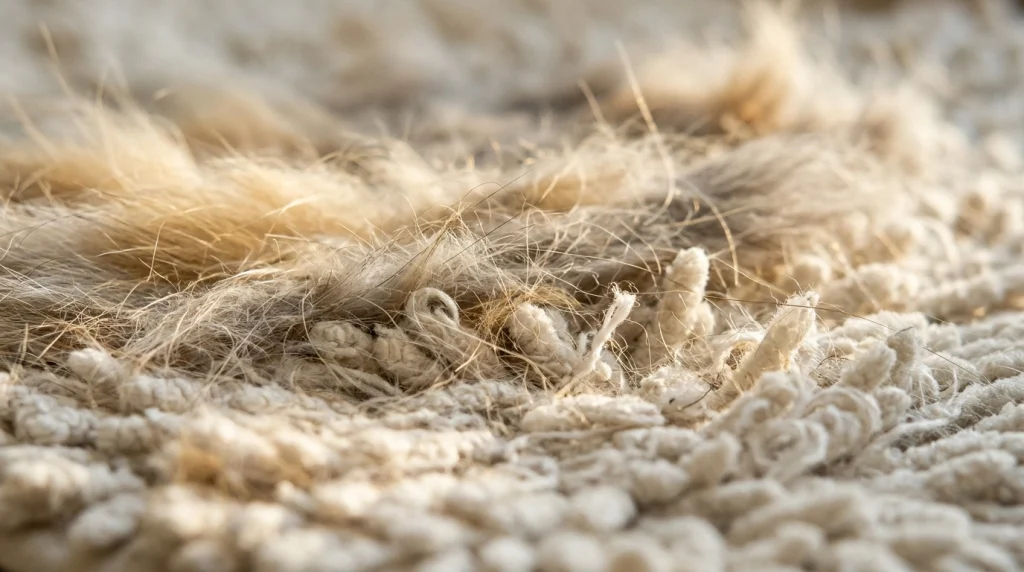
Border Collies possess a dense, double-coat system consisting of a soft, insulating undercoat and a longer, coarser outer guard coat. While their fur keeps them warm in varied climates, it presents unique cleaning challenges indoors. The undercoat sheds year-round with seasonal blowouts, producing fine, wispy hairs that weave themselves tightly into fabric loops.
Bath mats typically feature tufted cotton, plush chenille, or synthetic microfiber construction. These textured surfaces act like miniature Velcro when exposed to wet or damp pet hair. When a dog lies on a damp bath mat after coming inside from the rain or a bath, the moisture causes the fur to mat down and bind directly to individual fabric fibers.
Standard household vacuums often fail to pull out this embedded undercoat because traditional rotating brush rolls slide over the surface without reaching the base of the pile. Removing the hair successfully requires breaking the static and physical grip the fur holds on the mat’s weave before attempting to wash or vacuum it away.
Preparation Steps Before Washing
Throwing a hair-covered bath mat directly into the washing machine is one of the quickest ways to clog household plumbing or ruin a washing machine pump. Accumulated pet fur mats together in wet conditions, turning into a felt-like mass that coats the drum and traps lint in drain hoses.
Always prepare the dry mat thoroughly before introducing water or detergent. Take the mat outside or over a large trash receptacle and shake it vigorously to dislodge loose surface dirt and hair. If the weather permits, let the mat dry completely in the sun first, as dry fur releases much easier from fabric loops than damp fur.
After shaking, use a heavy-duty handheld vacuum or a specialized upholstery attachment on your main vacuum cleaner. Go over the mat in multiple directions—horizontally and vertically—to pull up as much loose undercoat as possible before manual hair removal begins.
Tools That Effectively Lift Embedded Pet Fur
Selecting the right manual tool saves significant time and effort when dealing with stubborn double-coat fur. Avoid wire brushes or stiff metal combs, as they can snag, tear, or pull apart cotton loops and microfiber strands.
- Rubber pet hair detailer: A squeegee-style rubber blade or textured rubber block creates friction that rolls fine hairs into easy-to-grab clumps.
- Rubber household cleaning gloves: Donning a pair of ordinary rubber dishwashing gloves and dampening them slightly allows you to sweep your hands across the mat, gathering fur into rolls through static electricity and friction.
- Pumice grooming stone: Gently dragging a fine-pored rubber or pumice stone across plush synthetic mats pulls out deeply embedded undercoat fibers without damaging the backing.
- Reusable pet hair roller: Silicone or gel lint rollers with sticky surfaces lift fine hairs that standard paper lint rollers miss.
Step-by-Step Guide to Extracting Stubborn Hair
Once surface debris and loose hair are cleared, follow a structured process to extract remaining fibers before laundering.
- Lay the mat flat: Place the dry bath mat on a clean, flat surface such as a table, countertop, or hard floor so you can apply even pressure.
- Use a rubber tool in one direction: Take your rubber glove or pet hair detailer and stroke firmly across the mat in a single direction. The friction will cause microscopic undercoat hairs to bundle together.
- Pick up accumulated clumps: As fur rolls into visible ridges or balls, pick them up and discard them immediately rather than pushing them back into the weave.
- Switch angles: Rotate the mat 90 degrees and repeat the motion to catch hairs trapped crosswise in the fabric loops.
- Inspect the backing: Check the rubber or non-slip backing on the underside of the mat, as static often draws hair to the edges and grips the backing material.
Tip
Running a slightly damp microfiber cloth over the mat after using a rubber tool will capture any remaining microscopic dander and fine hairs that escaped the initial sweep.
Machine Washing and Drying Best Practices
After removing the bulk of the hair manually, the bath mat is ready for laundering to eliminate trapped odors, dander, and oils transferred from your dog’s coat.
Wash the mat separately from regular clothing and human towels to prevent pet hair from transferring to other textiles. Select a warm or cold water cycle depending on the manufacturer care label. Hot water can sometimes shrink cotton backings or melt rubberized non-slip backings over time.
Add half a cup of white vinegar to the rinse cycle. Vinegar acts as a natural fabric softener, reducing static electricity in synthetic fibers and helping remaining loosened hairs release during the spin cycle. Alternatively, specialized pet laundry boosters can break down oily dander residue that anchors hair to fibers.
Safe Drying Techniques
Proper drying prevents mold growth and helps trap any residual loosened hair in your dryer’s lint filter.
- Air dry first when possible: Hanging the mat outside in the sun preserves rubber backings and prevents heat damage.
- Use low heat in the dryer: If machine drying, select a low-heat or air-fluff setting to protect non-slip latex or rubber backings from cracking and crumbling.
- Include wool dryer balls: Toss two or three clean wool dryer balls into the drum to tumble the fabric, improve airflow, and pull static electricity away from synthetic fibers.
- Clean the lint trap twice: Check and empty the lint trap midway through the drying cycle and immediately after the cycle finishes to handle the large volume of released pet hair.
Preventing Future Hair Buildup on Bathroom Linens

Managing shedding at the source minimizes how often bathroom rugs require intensive de-furring sessions. Border Collies benefit significantly from consistent grooming routines.
Establish a regular brushing schedule using an undercoat rake or slicker brush at least two to three times per week, increasing frequency during spring and autumn coat-blowing seasons. Removing loose undercoat outdoors keeps those fine hairs from drifting into bathrooms and settling onto absorbent fabric surfaces.
Consider training your dog to use a designated low-pile resting mat or raised dog bed placed outside the primary bathroom doorway. Providing an attractive, easy-to-shake alternative resting spot naturally reduces the time your dog spends lounging on plush bathroom textiles.
Warning
Never use liquid fabric softener or dryer sheets when washing pet-hair-heavy items. Fabric softener leaves a microscopic waxy coating on textile fibers, which increases static cling and causes pet hair to bind even tighter to the fabric during subsequent uses.
Related Product
Rubber Pet Hair Removal Tool
A multi-surface rubber detailer quickly rolls and lifts embedded undercoat fur from bath mats and upholstery without damaging delicate fabric loops.
As an Amazon Associate, we earn from qualifying purchases.
Frequently Asked Questions
Can I put a bath mat with rubber backing in the washing machine?
Yes, most standard bath mats with rubber or latex backings are machine washable, provided you use cold or warm water and a gentle cycle. Avoid hot water and high-heat drying, which degrade rubber backings over time and cause them to crack or shed onto your laundry drum.
Why does pet hair stay on the bath mat even after washing?
Standard washing machine agitation struggles to overcome the static bond and mechanical grip of fine undercoat fibers woven deep into plush pile loops. Pre-treating the dry mat with a rubber tool or vacuum before washing is essential to dislodge trapped hair so the machine can wash it away.
How do I stop my Border Collie from shedding on bathroom rugs?
While you cannot stop natural shedding, you can minimize it by brushing your dog 2 to 3 times weekly with an undercoat rake. Additionally, providing a comfortable, designated dog bed outside the bathroom gives your pet an appealing place to lie down instead of cold tile or absorbent mats.
Is it safe to use a pumice stone on cotton bath mats?
A rubberized grooming stone or fine pumice block can be used safely on heavy-duty cotton and synthetic mats if applied with light, even pressure. Avoid using abrasive stones on delicate low-quality loops, as excessive friction can fray the yarn.
What is the best way to clean dog hair out of the washing machine after washing mats?
After washing pet-heavy items, run a quick empty rinse cycle with hot water and a cup of white vinegar to wash away lingering fur and dander. Once the tub dries, wipe down the rubber door seal and drum interior with a damp microfiber cloth.
How often should pet-heavy bath mats be washed?
Bath mats shared with a double-coated dog typically require washing every one to two weeks. Regular washing prevents dander buildup, controls bathroom odors, and stops hair from packing down permanently into the fabric base.
Conclusion
Removing stubborn Border Collie hair from a bath mat requires breaking the static and physical grip of a dense double-coat before washing. By shaking out loose fur, utilizing rubber friction tools on a dry mat, and laundering with vinegar to eliminate static, you can completely restore your bathroom textiles. Consistent grooming and preventative placement of resting mats further reduce daily fur accumulation, keeping your home clean and your washing machine protected.