
How to Take Care of a Pet Animal: A Practical Guide for New Owners

Caring for an animal is mostly about meeting the same needs well, every day: food, water, shelter, hygiene, movement, safety, and attention. The species changes the details, but the standard stays the same. If you want a simple way to think about it, good care means the animal is fed appropriately, kept clean and comfortable, protected from hazards, and checked regularly for signs that something is wrong.
That sounds basic, but the hard part is consistency. A pet usually does not need perfect care in one big burst. It needs reliable care in small routines that repeat. Missed water, poor housing, or delayed vet care can become problems quickly, especially for young animals.
This guide breaks the job into practical decisions you can act on right away.
What Good Pet Care Actually Means
Real pet care is more than giving an animal a name and a bowl. It means taking responsibility for the animal’s daily comfort and long-term health.
At home, that usually comes down to five responsibilities:
- Feeding the right food in a way the animal can digest and use well
- Keeping fresh water available
- Providing safe shelter and a comfortable resting place
- Preventing illness where possible through routine veterinary care
- Watching behavior closely enough to notice changes early
If you can handle those five areas consistently, you are already doing the core work of good ownership. For example, good daily care might mean refilling water in the morning, cleaning a litter box or cage, checking that bedding is dry, and noticing if the pet is eating less than usual.
Decide Whether the Animal Fits Your Household
Before you bring any animal home, test the match against your actual life, not your ideal one. Ask a practical question: can this household meet the animal’s needs on ordinary busy days?
Look at these factors:
- Time: Who will feed, clean, walk, or play with the animal?
- Space: Is there room for a bed, crate, carrier, cage, litter box, or safe enclosure?
- Budget: Can you cover food, basic supplies, and vet visits without delay?
- Household rules: Are pets allowed on furniture? In bedrooms? Outside?
- Noise and activity: Will the animal be overwhelmed by children, visitors, or a hectic schedule?
- Allergies and sensitivities: Does anyone in the home react strongly to fur, dander, or bedding?
A common mistake is choosing a pet for the idea of companionship and not for the reality of care. A high-energy animal in a quiet, crowded home may become stressed. A more independent animal may fit better if your schedule is inconsistent.
If you are unsure, wait. A better match is usually easier than trying to “fix” a poor match later.
Choose the Right Supplies Before Bringing the Pet Home
Buy the basics first. That keeps the first day calm and avoids rushed decisions.
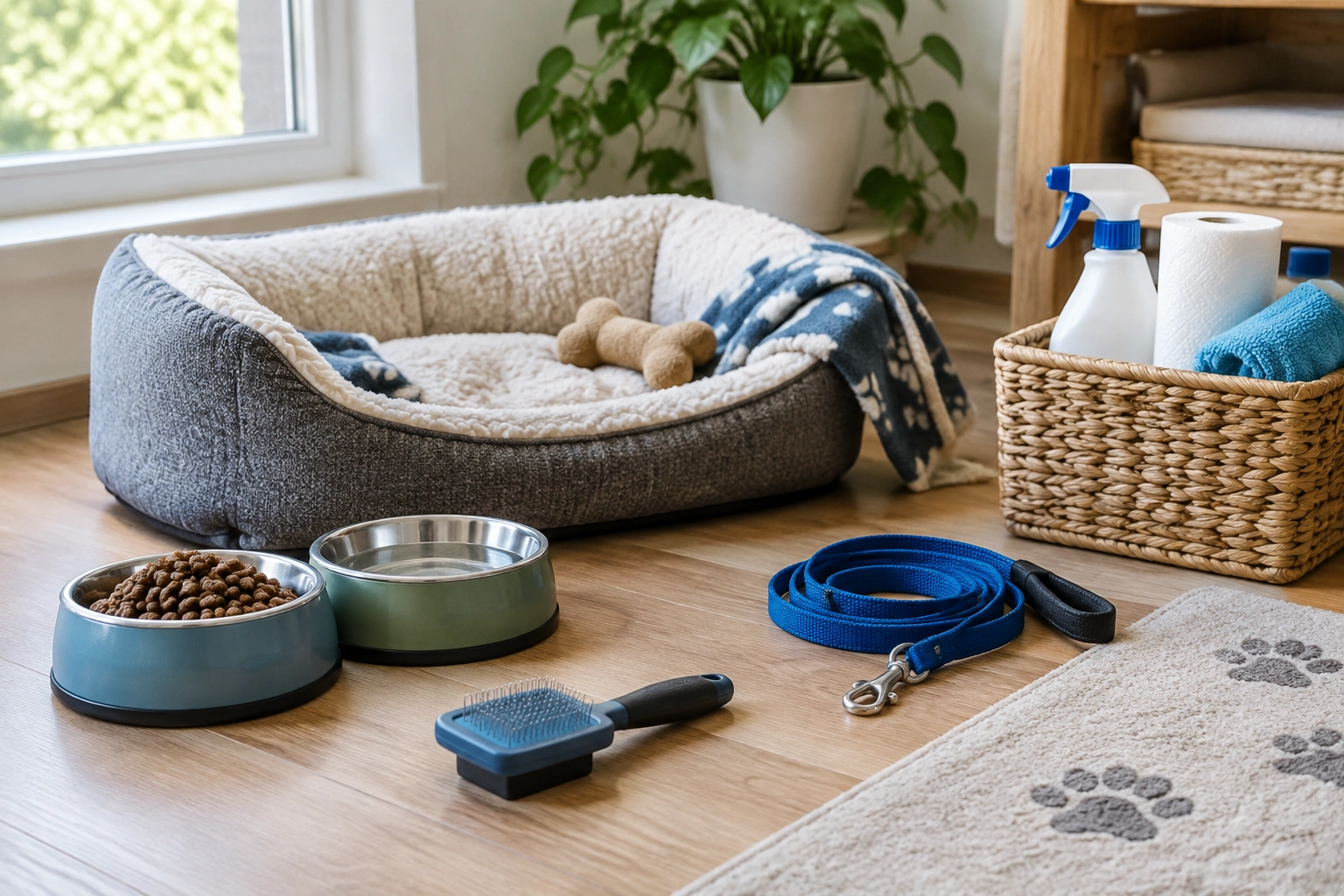
A simple starter checklist:
- Appropriate food for the animal’s age and species
- Food and water bowls
- Bed, crate, carrier, cage, or other sleeping setup
- Collar, leash, or harness if relevant
- Litter box and litter for cats
- Grooming tools such as a brush or comb
- Cleaning supplies for accidents or messes
- Toys or safe enrichment items
- Waste bags or scoop
- A vet contact and appointment plan
For beginners, it helps to think by pet type:
- Dogs: leash, collar or harness, ID tag, crate or bed, poop bags, chew-safe toys
- Cats: litter box, litter, scoop, scratching post, carrier, food and water dishes
- Small animals: properly sized cage or enclosure, bedding, hideout, water bottle or bowl, chew items, species-appropriate food
- Birds: cage, perches, food and water dishes, safe toys, cage liner, cleaning supplies
The goal is not to buy the most expensive gear. It is to remove friction. If a pet arrives and you still need to shop for a carrier, bedding, or cleaning supplies, the first week becomes harder than it needs to be.
For dogs, a leash and harness or collar should be ready before the first outing. For cats, the litter box should be in place before the cat is released into the home. For small animals, the enclosure should already be assembled, cleaned, and checked for safety.
Set Up a Safe, Comfortable Living Space
Animals do best when their space is predictable. That means a place to rest, a place to eat, a place to eliminate, and a place to feel safe.
A good setup does three things:
- Protects the animal from injury
- Reduces stress
- Makes daily care easier for you
Home-proof the space before the animal arrives. Remove or secure:
- Medicines
- Cleaning products
- Small objects that can be swallowed
- Electrical cords
- Toxic foods
- Breakable items
- Open trash bins
Shelter matters too. An animal needs protection from heat, cold, rain, drafts, and constant disturbance. The exact setup depends on species and living arrangement, but the principle is the same: resting areas should be dry, clean, and quiet.
For indoor pets, pick a sleeping area that is easy to clean and away from heavy foot traffic. For outdoor pets, weather protection becomes much more important. An animal left outside still needs real shelter, not just a corner of the yard.
Build a Daily Care Routine
The easiest way to care for an animal well is to make the routine concrete. A pet does not need a complicated schedule; it needs a reliable one.
A basic day often includes:
- Morning feeding
- Fresh water check
- Bathroom break or litter cleanup
- Exercise or movement
- Short training or handling practice
- A clean resting area
- Evening feeding if needed
- Final bathroom break or cleanup
- A quick health check
A simple sample routine might look like this: feed in the morning, refresh water, clean the litter box or take the dog out, give a short play or walk session, check bedding or cage cleanliness in the afternoon, then feed again in the evening if the species or age calls for two meals a day. Before bed, do one last water check and bathroom cleanup.
That routine changes by species and age, but the structure stays useful. Animals settle faster when they know when food, attention, and rest usually happen.
Feed the Right Food in the Right Amount
Food should match the animal’s species, age, and health status. A balanced diet matters because the wrong food can leave an animal undernourished, overweight, or simply unwell.
A few practical rules help:
- Feed food designed for that species and life stage
- Follow the package guidance unless your veterinarian says otherwise
- Keep treats limited so they do not replace real nutrition
- Change diets gradually, not all at once
How often to feed depends on the pet:
- Puppies and kittens: usually more frequent meals than adults
- Adult dogs and cats: often one to two meals a day, depending on the food and veterinary guidance
- Small animals: many do best with food available on a steady schedule and fresh hay or species-appropriate staples as directed
- Birds: often do well with measured portions and fresh food offered daily, depending on species
Age also matters beyond just young versus adult. Juvenile animals are still growing and usually need closer monitoring, while senior pets may need softer food, smaller portions, or more frequent vet advice if appetite or weight changes.
If you are unsure how much to feed, ask your veterinarian. Portion size is not guesswork when health is at stake.
Keep Water Available at All Times
Fresh water is non-negotiable. An animal should not have to “earn” water or wait for someone to notice the bowl is empty.
Use clean bowls and replace the water regularly so it stays fresh. In most homes, that means checking it at least once a day and refilling more often if the bowl is dirty, warm, tipped over, or empty. In hot weather, after exercise, or in a warm indoor space, check it more often.
Watch for dehydration warning signs such as:
- Dry gums
- Lethargy
- Reduced appetite
- Thick saliva
- Sunken eyes in some animals
- Less urination than usual
Also pay attention if a pet suddenly drinks much more than usual. That can happen for harmless reasons, but it can also point to a health problem. If drinking changes a lot in either direction, mention it to a veterinarian.
Water needs are affected by diet, activity, climate, and health. Dry food, warm weather, and exercise can all increase the need for more drinking.
If an animal stops drinking or seems weak, do not wait too long to get help.
Handle Hygiene and Grooming Correctly
Grooming is not just about appearance. It helps you spot skin problems, parasites, mats, wounds, and changes in body condition.
Basic home care may include:
- Brushing
- Bathing when needed
- Nail trimming
- Ear cleaning if appropriate for the species
- Wiping paws or coat after outdoor time
- Cleaning litter boxes, cages, or bedding regularly
Some animals need more coat care than others. Long-haired pets and breeds with heavy coats may need more frequent brushing to prevent tangles and skin issues. Short-coated animals still need checks, just less coat maintenance.
Professional grooming makes sense when:
- The coat mats easily
- The animal is hard to handle safely at home
- The breed has grooming needs you cannot manage well
- Nail trimming or bathing becomes stressful or risky
The decision is usually about safety and quality, not vanity. If grooming at home turns into a struggle, the animal may end up getting less care, not more.
Provide Exercise, Play, and Mental Enrichment
Movement and enrichment keep animals healthier and easier to live with. They also reduce boredom, which often shows up as barking, chewing, scratching, pacing, or attention-seeking.
The exact amount of exercise depends on species, age, and health, but every pet needs some form of activity and interaction. That might be a walk, play session, climbing, puzzle feeding, sniffing, chasing a toy, or safe exploration.
A useful rule: if the animal seems restless after a short interaction, it may need more than physical exercise. It may need a task. Dogs often benefit from simple training games, scent work, or structured play. Cats often benefit from short bursts of interactive play followed by rest. Small animals may need safe items to chew, climb, or investigate.
Pets also need social attention. Some are happy with a few short check-ins and structured handling, while others need daily interaction and companionship to stay relaxed. The key is to match your attention to the species and personality instead of assuming all pets want the same amount of contact.
The trade-off here is energy versus calm. More activity usually helps, but too much excitement without structure can make an animal harder to settle. Aim for regular, predictable outlets rather than random bursts of stimulation.
Understand Health Checks and Preventive Vet Care
Preventive care is easier than emergency care. That includes vaccinations, parasite control, and routine checkups.
A practical baseline is to schedule regular wellness visits and follow your veterinarian’s timing for exams, vaccines, and parasite prevention. Young, senior, or medically complex pets may need more frequent care than healthy adults.
For practical planning, think in three layers:
- Routine wellness care: regular exams and prevention
- Monitoring at home: noticing changes early
- Prompt care: booking the vet when something seems off
Preventive care may include vaccinations, deworming, and flea and tick prevention, depending on the animal and location. Your veterinarian can tell you what is appropriate.
If you have just adopted a pet, schedule a first wellness visit soon after adoption so the vet can check overall health, review vaccination status, and help you set up a care plan.
For general guidance on preventive care and common pet-health questions, the ASPCA and VCA Hospitals both offer useful owner resources.
Recognize Signs of Illness, Stress, or Neglect
You do not need to diagnose the problem to know that something is wrong. The point is to notice the change early.
Watch for:
- Not eating or drinking normally
- Vomiting or diarrhea
- Hiding more than usual
- Unusual tiredness or weakness
- Breathing trouble
- Limping or obvious pain
- Sudden aggression or fear
- Excessive scratching or hair loss
- Urinating or defecating outside the normal pattern
- A dull coat, dirty fur, or poor body condition
One bad day may not mean an emergency. A pattern does. If the animal is acting differently and the change does not improve quickly, call a veterinarian.
Train Basic Behavior and Set Consistent Rules
Basic training is part of care because it keeps the animal safe and makes the home livable. You are not aiming for perfection. You are aiming for predictability.
Focus on a few essentials:
- Responding to the animal’s name
- Coming when called in safe situations
- Walking calmly on a leash if relevant
- Using the correct bathroom area
- Accepting handling for grooming and vet visits
- Learning household boundaries
Consistency matters more than complexity. If one person allows couch access and another does not, the animal gets mixed signals. If the rules change daily, behavior usually gets worse.
Short sessions work better than long lectures. A few minutes of calm practice, repeated often, is enough to build habits in many pets.
Care for Puppies, Kittens, and Other Young Animals
Young animals need more supervision and more frequent care than adults. They tire faster, learn faster, and get into trouble faster.
Compared with adult pets, young animals usually need:
- More frequent meals
- More bathroom breaks
- More warmth and comfort
- Gentler handling
- Closer supervision
- Earlier and more frequent vet guidance
A puppy may need to go outside often because bladder control is still developing. A kitten may need easy access to a litter box and a warm sleeping area. Young animals also tend to mouth, chew, climb, or explore more, so the home needs tighter safety control.
This is where many new owners underestimate the workload. A young animal is not just a smaller version of an adult. It is a different care stage.
Indoor vs. Outdoor Care: What Changes
Indoor pets usually need more structured exercise, enrichment, and cleaning. Outdoor pets need stronger protection from weather, predators, escape risks, and unsafe surfaces.
Here is a simple comparison:
| Care area | Young animal | Adult animal | Indoor living | Outdoor living |
|---|---|---|---|---|
| Feeding | More frequent meals | More stable routine | Easier monitoring | Food must stay clean and secure |
| Water | Constant access | Constant access | Easier to refill | Must protect from heat, cold, and dirt |
| Shelter | Warm, quiet, safe area | Comfortable resting space | Bed, crate, or room setup | Weatherproof shelter is essential |
| Exercise | Short, supervised sessions | Longer, regular activity | Scheduled play needed | Safety and containment matter more |
| Hygiene | Frequent cleanup | Routine maintenance | Easier to manage indoors | More exposure to mud, parasites, and debris |
If you are choosing between indoor and outdoor living, do not think only about convenience. Indoor care is usually safer and easier for beginner owners because it makes feeding, water checks, cleanup, and health monitoring more consistent. Outdoor care demands more weather planning and more vigilance.
Common Mistakes New Pet Owners Make
The biggest mistakes are usually not dramatic. They are small, repeated, and easy to miss.
Common ones include:
- Buying the pet before the setup is ready
- Feeding the wrong food for the animal’s age or species
- Forgetting fresh water
- Skipping grooming until problems build up
- Waiting too long to call the vet
- Assuming all animals need the same care
- Underestimating how much supervision a young animal needs
- Leaving hazards within reach
Most of these errors are preventable with a checklist and a routine. That is the good news. You do not need expert-level knowledge to avoid them. You need attention and follow-through.
When to See a Veterinarian or Certified Trainer
Some problems can be watched briefly at home. Others should not wait.
Get veterinary help promptly if the animal:
- Stops eating
- Has trouble breathing
- Seems in pain
- Vomits repeatedly
- Has ongoing diarrhea
- Is very weak or unresponsive
- Has a swollen belly
- Has a deep wound, bleeding, or suspected injury
- Shows sudden behavior changes that do not settle
A certified trainer can help when the issue is behavioral but still affecting welfare or safety, such as severe leash pulling, fear-based reactions, or destructive habits that are becoming hard to manage. If behavior problems are tied to pain, illness, or sudden change, start with the veterinarian first. If you have just adopted a pet, book that first wellness visit soon after bringing the animal home rather than waiting for a problem to appear.
A Simple Final Check Before You Commit
If you want a quick readiness test, ask yourself three questions:
- Can I feed, water, and clean up every day without fail?
- Can I keep the animal safe and comfortable in my home?
- Do I know who I will call if something seems wrong?
If the answer is yes, you are already thinking like a responsible owner.
FAQ
How often should I feed a pet?
It depends on the species and age. Many adult dogs and cats do well on one to two meals a day, while young animals usually need more frequent meals. Follow the food label and your veterinarian’s advice.
How often should I clean water bowls?
Check them daily at minimum and refresh them whenever the water is dirty, empty, or warm. Some pets need more frequent refills, especially in hot weather or after activity.
What supplies should I buy first?
Start with food, water bowls, a safe resting area, a carrier or crate if needed, cleaning supplies, and species-specific basics like a litter box for cats or a leash for dogs.
When should a new pet see a vet?
Schedule a first wellness visit soon after adoption so the veterinarian can do a general check, review vaccines, and help you plan routine care.
Do indoor pets need less care than outdoor pets?
Not necessarily. Indoor pets may be easier to monitor, but they still need daily feeding, water, cleanup, exercise, and attention.
