
How to Prevent Mildew on a Dog Bath Mat: Easy Care Guide

Quick Answer
To prevent mildew on a dog bath mat, hang it up to dry completely after every single bath, wash it weekly in hot water with pet-safe detergent or vinegar, and ensure your bathroom has proper ventilation. Avoid leaving a damp mat flat on a wet tile floor, as trapped moisture quickly breeds mold and mildew spores.
Why Dog Bath Mats Are Highly Vulnerable to Mildew
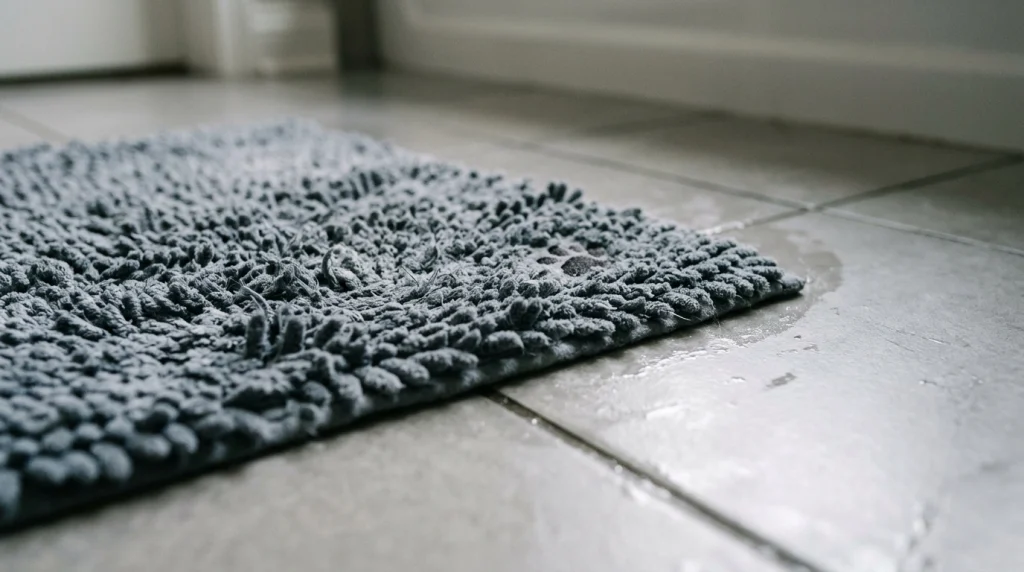
Dog bath mats endure conditions that standard bathroom rugs rarely face. When you wash a muddy or wet dog, excess water, shed fur, skin dander, and organic soap residues inevitably pool on or soak directly into the fabric and backing of the mat. Combined with the naturally high humidity of a bathroom, this creates an ideal microenvironment for mold and mildew spores to germinate.
Mildew thrives in moist, warm, and poorly ventilated spaces. When a soggy dog mat is left lying flat on a damp bathroom floor, air circulation underneath is completely cut off. Trapped water settles into the dense fibers and rubber backing, creating a breeding ground where mildew can establish itself within 24 to 48 hours. Understanding this mechanism is the first step toward breaking the cycle of recurring mold growth.
Furthermore, dog fur and organic debris act as a nutrient source for microscopic fungi. Even if the water eventually evaporates, residual dander and oils left behind in the weave provide organic fuel for spores floating in the air. Protecting your pet’s health and keeping your home smelling fresh requires a proactive maintenance routine rather than reactive cleaning once an odor or discoloration appears.
Establish a Post-Bath Drying Routine
The single most effective way to prevent mildew is managing moisture immediately after bath time. Never leave a wet dog bath mat lying on the floor once your pet steps off it. Even quick-dry mats need active assistance to release trapped water before fungal spores take root.
As soon as the grooming session ends, pick up the mat and shake off any excess pooled water into the tub or shower drain. Hang the mat immediately over the edge of the tub, a shower rod, or a dedicated drying rack where air can circulate freely around both sides. If your bathroom lacks good airflow, turn on the exhaust fan and leave it running for at least 30 to 45 minutes after the bath.
Tip
If your bathroom stays humid for hours, transfer the damp dog mat to a laundry room or an outdoor clothesline with good sunlight exposure to accelerate complete evaporation.
How Often to Wash and Sanitize Your Dog Mat
Regular washing removes the invisible organic buildup that feeds mildew. While human bath mats might be washed every week or two, dog bath mats require more frequent attention depending on usage frequency and coat type.
As a general rule, wash your dog’s bath mat every 3 to 7 days if used weekly, or immediately after washing an especially muddy or dirty dog. Waiting too long allows trapped dander and bacteria to break down deep within the fabric fibers, making the mat much harder to sanitize.
Proper Washing Techniques for Pet Textiles
When laundering dog mats, follow the manufacturer’s care label closely, but incorporate these sanitizing practices to eliminate fungal spores:
- Use Hot Water: Whenever the fabric material permits, wash the mat in hot water to effectively kill mold spores and bacteria.
- Add White Vinegar: Pour a cup of white vinegar into the rinse cycle instead of harsh chemical softeners. Vinegar neutralizes odors and breaks down mildew residue naturally without leaving toxic residues that could irritate your dog’s paws.
- Avoid Fabric Softeners: Liquid softeners coat fabric fibers in a waxy layer that traps moisture and pet oils, making future mildew growth much more likely.
- Ensure Complete Machine Drying: If the mat is dryer-safe, tumble dry it on the appropriate setting until 100% dry. Pulling a slightly damp mat out of the dryer and folding it will immediately trigger musty mold growth.
Choosing Mildew-Resistant Materials
Not all dog bath mats are created equal when it comes to moisture control. If you struggle with persistent mildew, evaluating your mat’s material composition can save you hours of scrubbing.
Traditional cotton loop mats absorb a tremendous amount of water and hold onto it for hours, making them high-risk items in humid environments. In contrast, modern microfiber chenille mats dry significantly faster and feature individual strands that maximize surface area for rapid evaporation.
Understanding Rubber and Latex Backings
Non-slip rubber or latex backings provide essential safety, preventing the mat from sliding across slick tile when an energetic wet dog jumps out of the tub. However, solid rubber backings can trap water underneath against the floor.
When shopping for a dog bath mat, look for breathable non-slip backing designs, such as mesh grids or TPR (Thermoplastic Rubber) dots that allow air channels underneath. Never store a rubber-backed mat on a permanently damp floor surface.
Deep Cleaning and Removing Existing Mildew Safely
If mildew has already taken hold, you will notice dark speckles, gray discoloration, or a distinct musty odor. Standard washing alone may not eliminate established fungal colonies.
Before throwing the mat into the washing machine, treat stubborn mildew spots safely. For washable fabrics, create a solution of warm water and oxygen bleach or white vinegar. Avoid using chlorine bleach on colored pet mats, as it ruins fabrics and leaves harsh chemical residues that can transfer to sensitive dog paws and skin.
Warning
Never use strong chemical disinfectants or concentrated bleach without thorough rinsing. Dogs frequently lick their paws, and residual cleaning chemicals can cause severe gastrointestinal distress or skin irritation.
Common Mistakes That Trap Moisture and Cause Mildew
Even well-intentioned pet owners sometimes make small daily errors that invite mold growth. Recognizing these common pitfalls helps keep your pet care accessories fresh.
- Leaving the Mat Down Permanently: Keeping the mat on the floor 24/7 prevents the floor underneath from drying out, trapping stagnant humidity.
- Piling Wet Towels Together: Tossing a wet dog towel directly on top of a damp bath mat cuts off all airflow between the two items.
- Skipping Routine Floor Sanitization: Failing to clean and dry the tile or laminate floor beneath the mat allows mold spores to transfer directly back onto freshly washed mats.
- Using Low Heat Settings Ineffectively: Pulling synthetic mats out of the dryer while internal core layers remain damp creates an incubator for mildew.
Managing Bathroom Humidity and Environment

Preventing mildew on a dog bath mat extends beyond the mat itself; it requires managing the broader room climate. Bathrooms are inherently high-moisture zones, especially in homes with multiple daily showers and dog baths.
Always run your bathroom ventilation fan during bath time and leave it operating for at least 30 minutes afterward. If your bathroom lacks an exterior window or a powerful exhaust fan, consider placing a small portable dehumidifier in the room or keeping the bathroom door propped open when not in use to encourage cross-ventilation.
Keeping bathroom floors clean and dry also stops moisture from wicking upward into the bottom of the mat. A quick pass with a mop or squeegee after a messy bath removes standing water that would otherwise evaporate slowly into your pet’s resting area.
Related Product
Microfiber Dog Bath Towel and Mat Set
Upgrade to quick-drying microfiber pet accessories designed to release trapped moisture rapidly and resist mildew buildup between wash cycles.
As an Amazon Associate, we earn from qualifying purchases.
Frequently Asked Questions
Can I use bleach to remove mildew from my dog’s bath mat?
Chlorine bleach can remove mildew stains, but it often ruins colored fabrics and leaves harsh chemical residues that irritate a dog’s paws and skin. Instead, opt for oxygen bleach or white vinegar for a safer, pet-friendly clean.
How can I tell if a dog bath mat has hidden mold?
Hidden mold usually manifests as a persistent musty or damp odor even after the mat feels dry to the touch. You may also notice dark discoloration, black spots, or a slimy texture on the rubber backing.
Is it safe to put a rubber-backed dog mat in the dryer?
Many rubber-backed mats degrade under high heat, causing the backing to crack, melt, or flake off into your dryer drum. Always check the manufacturer label, and when in doubt, air-dry rubber-backed mats on a clothesline.
How often should I replace a dog bath mat?
Even with careful maintenance, dog bath mats eventually break down after months of heavy use and repeated washings. If the backing begins shedding, or if deep-set mildew odors persist despite multiple vinegar washes, it is time for a replacement.
Why does my dog’s bath mat smell sour immediately after drying?
A sour smell indicates that the mat was not completely dry inside its core fibers before being stored or placed back on the floor. Residual moisture trapped in dense padding allows bacteria and mold to multiply rapidly during the drying cycle.
What is the best material for preventing dog mat mildew?
High-density microfiber chenille is widely considered one of the best materials because individual strands wick away moisture quickly and dry far faster than thick cotton loops or heavy rubber mats.
Conclusion
Preventing mildew on a dog bath mat comes down to consistent habits: immediate post-bath hanging, proper weekly sanitization with pet-safe methods like white vinegar, and adequate bathroom ventilation. By eliminating trapped moisture and organic dander before fungal spores can thrive, you keep your pet’s washing station clean, fresh, and safe for everyday use.