
What Is Considered a Senior Dog? A Practical Guide for Border Collie Owners

A dog is usually considered “senior” when age and aging signs start to overlap. That matters because a dog can look lively on the outside while internal changes are already building, especially in active breeds like Border Collies that often hide slowdown well.
For Border Collie owners, the useful question is not just “How old is my dog?” but “Is my dog beginning to need senior-style care?” That shift affects vet checkups, diet, exercise, and how closely you watch for stiffness, weight changes, and slower recovery.
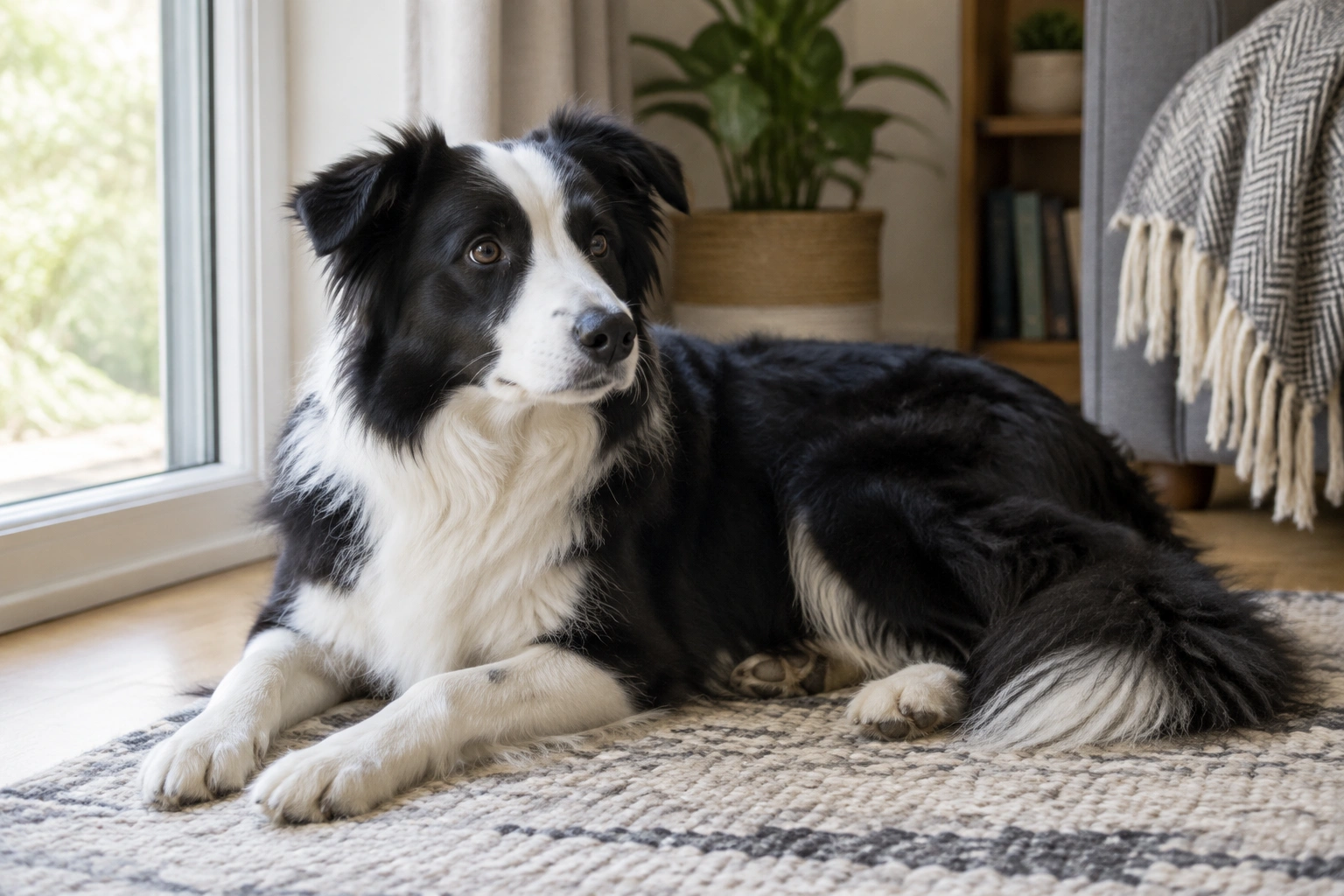
What Counts as a Senior Dog?
There is no single age that makes every dog a senior. In practice, senior status is a life stage, not a birthday. Vets usually think about it in two layers:
- Chronological age: how old the dog is
- Functional age: how the dog is moving, recovering, sleeping, eating, and behaving
That second piece matters because two dogs of the same age can be in very different places. One may still hike happily. Another may already be showing arthritis, weight gain, or longer naps after moderate activity.
A useful rule of thumb is this: if a dog is entering the later part of its expected adult life and showing early aging signs, it should be treated as senior for care planning even if it still seems “young at heart.”
For a general veterinary overview of aging and senior care, VCA Hospitals’ senior pet resources are a helpful starting point, and the AKC’s aging dog guidance also explains why size and breed matter.
Senior Age Ranges by Size and Breed
Breed size changes the timeline because larger dogs tend to age faster than smaller dogs. That does not mean large dogs are “old” overnight. It means the senior transition often starts earlier and screening should begin sooner.
Here is a practical comparison:
| Dog size | Common senior range | What that usually means in real life |
|---|---|---|
| Small dogs | Around 10-12 years | Often stay spry longer, but may still need senior screening before they look “old” |
| Medium dogs | Around 7-10 years | Many begin senior care planning in the later adult years |
| Large dogs | Around 6-8 years | Earlier monitoring for joints, weight, and stamina makes sense |
| Giant dogs | Around 5-7 years | Senior care often starts surprisingly early because aging can move faster |
These ranges are best treated as planning guides, not rigid labels. The exact cutoff varies by individual health, breed, and how the dog is aging overall. A healthy medium dog may not need major changes at the first sign of gray hair, while a dog with stiffness, dental disease, or weight gain may need senior care sooner than the chart suggests. Border Collies often fall near the earlier part of the medium-dog range.
Where Border Collies Fit in the Senior Timeline
Border Collies are usually considered medium-sized, but they are not average in how they age. Their drive, stamina, and work ethic can make them look younger than they are. Many will still want long walks, fetch, or agility-style movement well into later adulthood.
That can be a blessing and a trap.
The blessing is that an active Border Collie often keeps muscle tone longer than a couch-potato dog. The trap is that activity can hide the first signs of aging. A dog that still chases a ball may still be stiff the next morning, slower to rise from bed, or more tired after the same outing that used to be easy.
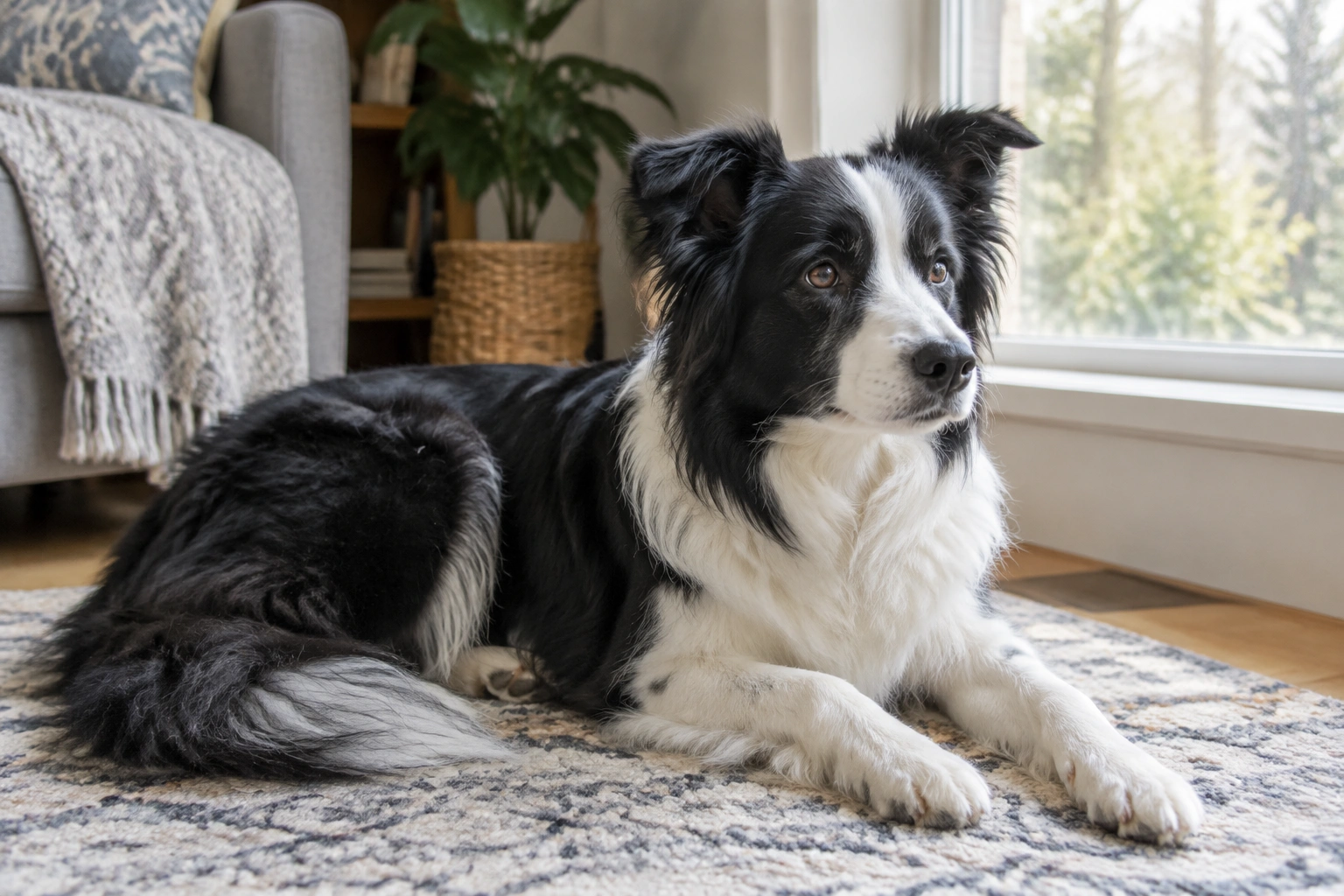
For many Border Collies, the senior conversation begins somewhere in the 7 to 9 year range, especially if you notice subtle changes in recovery, sleep, or joint comfort. Some will need senior-style care earlier; others later. The dog’s body tells the truth faster than the calendar does.
Is a 7-Year-Old Dog Senior?
Sometimes yes, sometimes not quite, and sometimes yes in practice even if the dog still looks fit.
For a medium-sized dog like a Border Collie, age 7 is often the point where senior screening becomes sensible. That does not mean the dog is fragile or “old.” It means the odds of hidden age-related changes are high enough that waiting may cost you time.
Here is a simple decision rule:
- 7 years old and slowing down: treat as senior now
- 7 years old and still very active but healthy: begin senior wellness planning
- 7 years old with stiffness, weight change, or sleep changes: senior care is already relevant, and a vet visit is wise
For a small dog, age 7 may still be middle-aged. For a giant breed, age 7 can be well into senior territory. That is why the answer is never just the number.
Physical Signs Your Dog May Be Entering the Senior Stage
Physical aging often shows up in small ways first. You are looking for changes in movement, recovery, body condition, and appearance.
Common signs include:
- Stiffness after rest or exercise
- Slower movement on stairs or during jumps
- Reduced stamina on walks
- Longer recovery after play
- Gray around the muzzle or eyebrows
- Muscle loss, especially over the thighs or back
- Weight gain with no obvious diet change
- More difficulty getting comfortable when lying down
A single gray patch does not make a dog senior. But a gray muzzle plus stiffness plus slower recovery is a much stronger signal.
Watch especially for the difference between “still willing” and “still comfortable.” Many Border Collies keep trying long after their joints or muscles would prefer a shorter session. That willingness can fool owners into doing too much.
Behavioral Signs of Aging to Watch For
Behavioral changes are often easier to miss because they look like personality shifts, not health changes.
Look for:
- More sleeping or deeper naps
- Less enthusiasm for activities that used to trigger instant excitement
- Slower response to cues or name
- Restlessness at night
- New clinginess or, sometimes, more withdrawal
- Changes in appetite
- Less interest in toys or training
- A dog that seems “grumpy” when touched in certain spots
These changes matter because behavior often reflects comfort. A dog that stops jumping into the car may not be “being stubborn.” It may be choosing the movement that hurts least.
A practical test: if your dog’s behavior changed gradually over weeks or months, aging is one possible explanation. If the change was sudden, assume it is not just normal aging until a veterinarian says so.
Senior vs Middle-Aged vs Geriatric Dogs
These terms are useful because they shape how proactive you need to be.
Middle-aged
This is the transition zone. The dog may still look and act youthful, but aging is beginning in the background. For many medium dogs, this can be the years just before the senior range.
Senior
This is the stage where age-related changes become likely enough that you should adjust care, not just observe. Screening becomes more important, and small issues deserve quicker attention.
Geriatric
This usually refers to the later senior years, when aging changes are more established and the dog may need more support with mobility, comfort, or chronic conditions.
The practical difference is not just vocabulary. A middle-aged dog may need routine wellness care. A senior dog benefits from more deliberate monitoring. A geriatric dog often needs more lifestyle support and closer veterinary follow-up.
When Aging Signs Mean Vet Care, Not Just Normal Aging
Some changes should not be written off as “getting old.”
Call your veterinarian if you see:
- Sudden limping or clear pain
- Rapid weight loss or gain
- Appetite loss
- Repeated vomiting or diarrhea
- Trouble breathing
- Collapse or fainting
- A big behavior change that happens quickly
- Strong reluctance to rise, climb, or walk
- Increased thirst or urination
Those signs may point to arthritis, dental pain, endocrine disease, heart issues, or other problems that need evaluation. The important distinction is this: normal aging is usually gradual. Sudden change is a medical signal.
Senior Wellness Exams and Screening Schedule
Once a dog reaches the typical senior range for its size, senior wellness exams become more valuable even if the dog seems healthy.
Why? Because many age-related issues build quietly. Dogs often compensate until they cannot. By the time symptoms are obvious, the condition may already be advanced.
A practical starting point is to begin annual senior wellness exams around age 7 for medium dogs like Border Collies. For larger dogs, many veterinarians start discussing senior screening a bit earlier, while smaller dogs may not need that shift until later. Once dogs are clearly in the senior stage, some veterinarians recommend twice-yearly wellness checks, especially if there are concerns about arthritis, weight, dental disease, or chronic conditions. Your veterinarian should tailor the schedule to your dog’s size, health history, and current exam findings.
A senior wellness visit usually gives your vet a chance to review:
- weight and body condition
- joint mobility
- heart and lung health
- dental status
- bloodwork and other screening as recommended
- changes in appetite, thirst, urination, and behavior
How to Adjust Diet and Exercise Safely
Senior status does not automatically mean “feed less” or “exercise less.” The goal is to match the dog’s current body, not the dog’s younger self.
Diet: what to watch
If your dog is gaining weight, losing muscle, or becoming less active, portions may need adjustment. A vet or nutrition-focused review can also look at body condition score to decide whether the dog is carrying extra fat or staying at a healthy weight. If muscle is dropping, the plan may need to preserve lean mass with adequate protein rather than just cutting calories.
Be cautious with sudden diet switches. Older dogs can have sensitive digestion, so abrupt changes may create more problems than they solve. If you do change food, do it gradually unless your veterinarian advises otherwise.
Exercise: what to change
Many senior dogs do best with more frequent but slightly gentler activity rather than one big demanding outing. That helps maintain muscle without overloading joints.
A practical example:
– Instead of one long, intense fetch session, try two shorter walks and a controlled play period
– Instead of repeated jumping, use lower-impact movement and keep an eye on next-day stiffness
– If your dog tires faster, swap some hard running for leash walks, sniffing breaks, or gentle hill work if your veterinarian says it is appropriate
The trade-off is important. Cutting exercise too much can lead to weight gain and weaker muscles, which then makes joints work harder. The goal is not rest at all costs. It is sustainable movement.
Home Comfort and Mobility Support for Aging Dogs
Small home changes can make a big difference in how a senior dog feels day to day.
Helpful adjustments include:
- Non-slip surfaces on slick floors
- A supportive bed that is easy to get in and out of
- Steps or a ramp for cars, couches, or beds if your dog struggles to jump
- Food and water placed where your dog does not need to climb or stretch awkwardly
- Keeping frequently used spaces easy to reach
These changes are not about pampering. They reduce strain, especially for dogs with stiff backs, sore hips, or weak rear legs. If your dog slips on tile or hesitates at stairs, the problem is already visible enough to act on. It is also a good time to ask your veterinarian whether joint supplements, a ramp, or physical therapy-style support could help based on your dog’s mobility and arthritis risk.
What Changes to Make Once a Dog Is Senior
Once a dog is clearly in the senior stage, the best approach is usually gradual and practical:
- Book a senior wellness exam
- Track weight and body condition
- Watch recovery time after exercise
- Adjust activity before the dog starts avoiding movement
- Make the home easier to navigate
- Pay attention to subtle changes in appetite, sleep, and mood
That sequence keeps you ahead of problems instead of reacting after the dog is uncomfortable.
When to See a Veterinarian or Certified Trainer
See a veterinarian promptly if your senior dog shows pain, limping, appetite loss, collapse, breathing trouble, or a sudden behavior change. Those are not things to “wait out.”
A certified trainer can also help if your older Border Collie is becoming reactive, anxious, or less responsive in ways that seem behavioral but may actually be linked to discomfort, hearing changes, or reduced confidence. The key is to rule out medical causes first when the change is new.
For more background on senior aging and what to expect, you can also review The Kennel Club’s guidance on older dogs, which reinforces the idea that age alone is only part of the picture.
FAQs
Is a 7-year-old Border Collie a senior?
Often yes, or at least close enough that senior care planning makes sense. If your Border Collie is slowing down, stiff after exercise, or recovering more slowly, treat the dog as senior for practical purposes.
Do small dogs become seniors later than Border Collies?
Usually yes. Small dogs often enter the senior stage later than medium dogs. Border Collies, as medium-sized dogs, commonly start senior planning earlier than many small breeds.
Can a dog be senior even if it still acts young?
Absolutely. Many dogs stay playful while aging internally. That is why wellness exams and small behavior checks matter more than appearance alone.
What is the biggest mistake owners make?
Assuming stiffness, slower movement, or weight gain is just normal aging and doing nothing. Those signs often deserve a vet check and a care adjustment.
Should I change food as soon as my dog becomes senior?
Not automatically. Change food if body condition, weight, muscle tone, or activity level suggests it is needed. A healthy senior dog may only need portion review, not a full diet switch.
How often should a senior dog see the vet?
Your veterinarian should guide the schedule, but senior dogs generally benefit from more regular wellness checks than younger adults because problems can develop quietly. For many medium dogs, annual checks should begin around age 7, and some seniors do best with twice-yearly exams.
When should I ask about joint supplements or ramps?
If your dog is stiff, hesitant on stairs, slower to jump, or showing signs of arthritis, ask your veterinarian whether mobility support makes sense. The right plan depends on the dog’s exam findings and overall health.
