
What Is the Purpose of a Border Collie Double Coat?

Quick Answer
A Border Collie’s double coat protects the skin, helps insulate the body, and gives the dog practical protection from wind, rain, dirt, brush, and changing temperatures. Both rough-coated and smooth-coated Border Collies have this two-layer coat, which the American Kennel Club’s Border Collie information describes as dense and weather-resistant.
What the double coat does
- Insulates the body: The soft undercoat traps air close to the skin and helps buffer temperature changes.
- Blocks the weather: Coarser outer hairs help protect against rain, wind, mud, and damp vegetation.
- Protects the skin: The outer coat creates a physical barrier between the dog and everyday environmental exposure.
- Changes seasonally: Loose undercoat is shed as the dog’s coat adjusts through the year.
- Supports working life: The coat suits a herding breed developed for long days outdoors in challenging terrain.
Quick owner check
- Part the coat with your fingers. You should be able to see the softer, denser undercoat beneath the more protective outer hairs.
If you’ve ever brushed a Border Collie and wondered where all that hair came from, the answer starts with the double coat. It isn’t decorative fluff; it’s part of the breed’s practical working equipment.
I’ve found that coat care makes much more sense once you understand what each layer is designed to do. This guide explains the coat’s purpose, seasonal shedding, rough versus smooth coats, grooming, shaving, and warning signs worth discussing with a veterinarian.
In This Guide
- What Exactly Is a Border Collie Double Coat?
- What Is the Purpose of Each Coat Layer?
- How Does the Double Coat Help in Different Weather?
- Do Rough and Smooth Border Collies Have the Same Double Coat?
- Why Does a Border Collie’s Double Coat Shed So Much?
- How Should You Groom a Border Collie Double Coat?
- Should You Shave a Border Collie’s Double Coat?
- When Can Coat Changes Signal a Health Problem?
- Frequently Asked Questions
- Final Takeaway
What Exactly Is a Border Collie Double Coat?
A Border Collie’s double coat is a two-layer hair system made from a softer undercoat and a coarser outer coat. The layers work together rather than performing the same job.
Definition: A Border Collie double coat consists of a soft, relatively dense insulating undercoat covered by tougher outer hairs that help protect the dog from weather and environmental exposure.
The breed developed around demanding livestock work in the border country between Scotland and England. Dogs needed stamina, agility, and a coat suitable for spending long periods outdoors.
The official breed description recognizes both rough and smooth coat varieties. Importantly, both are double coats rather than completely different coat systems.
What are guard hairs?
The more visible outer hairs are often called guard hairs. They tend to feel firmer and coarser than the fluffy hair underneath.
These hairs form the coat’s first physical barrier. They help reduce direct contact between the skin and wet grass, dust, dirt, light debris, and everyday outdoor exposure.
What is the undercoat?
The undercoat consists of softer, finer hairs beneath the outer layer. It helps trap pockets of air close to the body.
That trapped air contributes to insulation. It also explains why a Border Collie can look relatively sleek while hiding a surprising amount of loose hair underneath.
What Is the Purpose of Each Coat Layer?
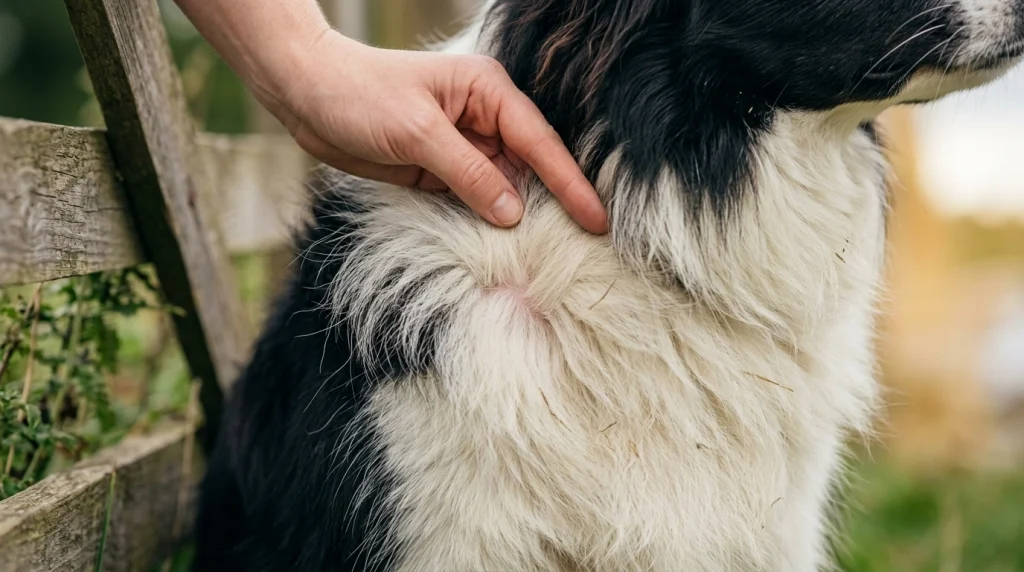
The simplest answer is that the outer coat provides protection while the undercoat supplies much of the insulation. Neither layer works entirely alone.
The AKC’s guidance on double-coated breeds explains that coat type often reflects the work a breed was developed to perform. Border Collies fit the medium double-coat category.
| Feature | Outer Coat | Undercoat |
|---|---|---|
| Texture | Coarser and more protective | Soft, fine, and dense |
| Main role | Environmental protection | Insulation |
| Outdoor benefit | Helps shield skin from dirt, vegetation, moisture, and sunlight | Traps air close to the body |
| Seasonal change | Sheds and renews | Often produces noticeable seasonal shedding |
| Grooming goal | Keep clean and free-moving | Remove loose hair without harsh pulling |
The coat also helps protect the skin itself. The Merck Veterinary Manual’s overview of canine skin notes that hair can protect against physical and ultraviolet exposure while contributing to temperature regulation.
That’s why I think of the double coat as a system rather than two unrelated layers. Removing or neglecting one part changes how the whole system performs.
How Does the Double Coat Help in Different Weather?
A Border Collie’s coat helps buffer environmental conditions, but it doesn’t make the dog immune to heat, cold, rain, or dangerous weather. Owners still need to manage exposure responsibly.
Cold and windy conditions
The soft undercoat can trap air close to the body. That layer of air helps reduce rapid heat loss in cool conditions.
The outer hairs add another physical barrier against moving air and damp surroundings. This combination suited dogs expected to work outdoors rather than remain indoors all day.
Rain and wet vegetation
The outer coat is described in the breed standard as weather-resistant. That doesn’t mean a Border Collie stays completely dry during heavy rain.
- Light moisture: Outer hairs can reduce how quickly moisture reaches the skin.
- Mud and debris: Protective hairs help keep some dirt away from the skin surface.
- Heavy rain: Water can still penetrate the coat, especially during prolonged exposure.
- After getting wet: Dense areas should be allowed to dry thoroughly.
What about hot weather?
A double coat doesn’t function like a winter jacket that should simply be removed in summer. Hair also shields the skin and changes how heat, sunlight, and airflow reach the body.
Dogs primarily cool themselves through panting rather than sweating through their entire skin surface. Shade, drinking water, airflow, exercise timing, and sensible heat exposure remain far more important than cutting off the coat.
Never assume the coat makes hot conditions safe. If the weather is uncomfortable or dangerous, change the dog’s activity instead of relying on fur for protection.
Do Rough and Smooth Border Collies Have the Same Double Coat?
Yes. Rough and smooth Border Collies both have dense, weather-resistant double coats.
The main visible difference is the length and presentation of the outer coat. That difference affects grooming, but it doesn’t remove the smooth dog’s undercoat.
| Coat Feature | Rough Coat | Smooth Coat |
|---|---|---|
| Double coat | Yes | Yes |
| Visible length | Medium length | Shorter over the body |
| Feathering | More noticeable on chest, legs, underside, and rear | Limited feathering may be present |
| Tangle risk | Higher in feathered areas | Usually lower |
| Seasonal shedding | Normal | Normal |
With rough coats, I pay extra attention behind the ears, around the chest, through the tail, and around the rear feathering. Those areas can hide loose undercoat and small tangles.
A smooth Border Collie can fool new owners because the coat looks simpler. Run your fingers through it, though, and you’ll often feel the denser layer underneath.
Why Does a Border Collie’s Double Coat Shed So Much?
Shedding allows old hairs to leave the coat as new growth develops. In a double-coated breed, the volume can look dramatic because the undercoat contains so many fine hairs.
Seasonal shedding is normal for Border Collies. The amount and timing can vary with climate, indoor living, individual coat density, hormones, age, and general health.
What does “blowing coat” mean?
Blowing coat is an informal term for a period when a dog releases a large amount of undercoat. Soft tufts may become visible around the body or fill a brush much faster than usual.
I’ve found that this is when owners suddenly realize how much coat sits below the visible surface. A dog that looked tidy in the morning can produce a surprising pile of soft hair during one grooming session.
- Routine shedding: Smaller amounts of loose hair appear regularly.
- Seasonal shedding: Undercoat release becomes heavier for a period.
- Abnormal hair loss: Bald spots, inflamed skin, sores, or strong itching need more attention.
Brushing doesn’t stop the natural hair-growth cycle. It simply removes loose hair in a controlled place before more of it reaches furniture, clothing, and flooring.
How Should You Groom a Border Collie Double Coat?
Good grooming removes loose hair and debris while preserving the natural coat structure. For most Border Collies, regular brushing matters more than aggressive de-shedding.
The VCA coat-care guidance recommends regular brushing to remove loose hair, dead skin, dirt, and debris while helping distribute natural skin oils.
A practical Border Collie grooming routine
- Check the coat first: Look for burrs, mats, damp areas, ticks, skin irritation, or tender spots.
- Brush the outer coat: Work gently in the direction the hair naturally lies.
- Reach the undercoat: Use an appropriate comb or grooming tool without repeatedly scraping the skin.
- Check friction areas: Look behind the ears, under the collar, under the legs, and around feathering.
- Increase brushing during shedding: Loose undercoat may need attention much more often during heavy coat changes.
- Bathe when needed: Use a dog-specific shampoo and rinse the dense coat completely.
- Dry thoroughly: Don’t assume the undercoat is dry because the surface feels dry.
The AKC suggests brushing a Border Collie once or twice weekly during normal periods and more often during shedding season. Individual dogs may need adjustments based on coat length and lifestyle.
Don’t turn grooming into a wrestling match
If a tool repeatedly catches or pulls, slow down. Work small sections instead of forcing a grooming rake through resistance.
I prefer shorter, calm grooming sessions over one exhausting battle. That approach also makes it easier to notice changes in the skin or coat before they become major problems.
Should You Shave a Border Collie’s Double Coat?
Routine shaving is generally unnecessary for a healthy Border Collie. The coat provides insulation and physical protection, so removing it simply to reduce shedding can trade one problem for another.
Shaving also doesn’t stop the dog’s hair-growth cycle. Short cut hairs can still shed as the follicles naturally replace them.
What should you do instead?
- Brush consistently: Remove loose undercoat before it spreads around the home.
- Deal with mats early: Small tangles are easier and safer to manage than tight mats.
- Keep the coat clean: Bathe when dirt, odor, or lifestyle makes it necessary.
- Control summer activity: Use shade, water, cooler exercise times, and rest during hot weather.
- Ask before clipping heavily: A veterinarian or experienced professional groomer can advise when medical or severe matting issues change the plan.
There are situations where clipping may be required for veterinary procedures or difficult coat problems. Those cases are different from routinely shaving a healthy dog for convenience.
As of 2026, my basic approach remains simple: preserve a healthy Border Collie’s natural coat unless there’s a specific reason not to. Manage loose hair with grooming rather than treating the coat itself as the problem.
When Can Coat Changes Signal a Health Problem?
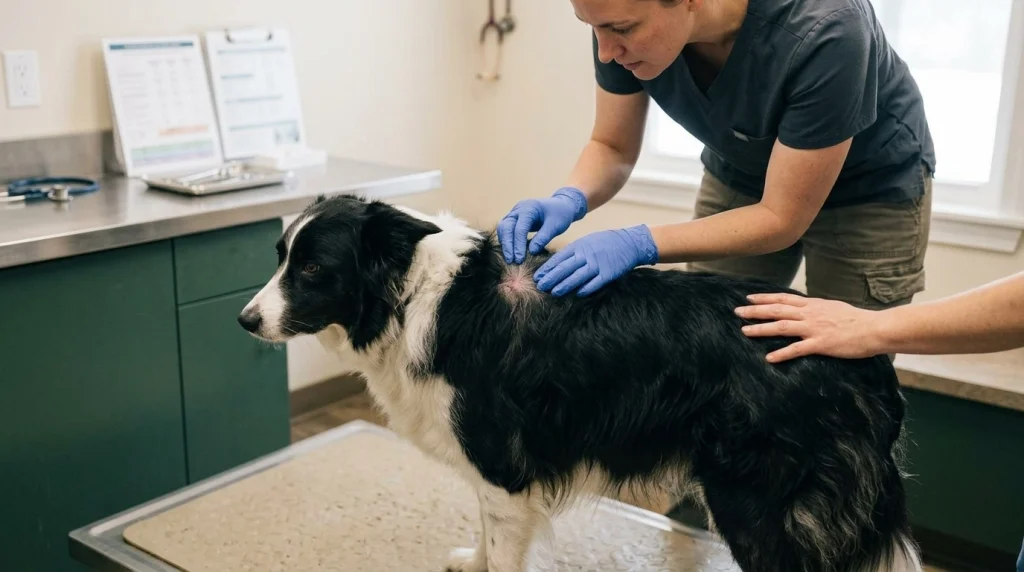
Normal shedding should not automatically create bald patches, open sores, or severe skin inflammation. Sudden or unusual coat changes can justify a veterinary examination.
Skin and coat appearance can change for many reasons, including parasites, allergies, infections, nutrition problems, hormonal disorders, and other medical conditions. Avoid trying to diagnose those problems from hair loss alone.
Watch for these changes
- Bald or thinning patches: Especially when they appear suddenly or expand.
- Persistent scratching: Frequent scratching, chewing, or licking may signal irritation.
- Red or inflamed skin: Look beneath the coat rather than judging only the surface hair.
- Scabs or sores: Broken skin deserves prompt attention.
- Strong or unusual odor: Persistent odor may accompany skin or ear problems.
- Greasy or flaky skin: A major change from your dog’s normal condition matters.
- Coat texture changes: An unexplained dull, brittle, or unusually thin coat can be worth discussing with your vet.
The AVMA’s pet-care resources are a useful starting point for general veterinary guidance. Your own veterinarian remains the right person to evaluate a new skin or coat problem.
Vet note: Contact your veterinarian if shedding comes with bald spots, significant itching, sores, swelling, pain, persistent odor, or a sudden change in your dog’s normal coat.
Frequently Asked Questions
Do all Border Collies have a double coat?
Both recognized rough and smooth Border Collie coat varieties are double-coated. The visible outer hair differs in length and feathering, but both varieties have a softer undercoat beneath the protective outer coat.
What is the main purpose of a Border Collie’s undercoat?
The undercoat mainly provides insulation by trapping air near the body. Its density can change through normal shedding cycles, which is one reason Border Collies may release substantial amounts of soft hair during seasonal coat changes.
Does a smooth-coated Border Collie shed less?
A smooth coat may make grooming look simpler, but smooth Border Collies still have undercoat and still shed. Their shorter hairs can also spread easily through clothing, furniture, and carpets, so coat length alone doesn’t guarantee less cleanup.
Does a Border Collie’s coat keep it cool in summer?
The coat provides skin protection and insulation, but it doesn’t make hot weather safe. Owners should manage heat with shade, fresh water, reduced midday activity, airflow, and careful exercise timing rather than depending on the coat alone.
How often should I brush a Border Collie’s double coat?
Once or twice weekly is a useful starting point for many Border Collies during ordinary periods. During heavy shedding, brushing may be needed much more often to remove loose undercoat before it tangles or spreads around the home.
Can I shave my Border Collie to stop shedding?
Shaving isn’t a reliable solution for normal shedding because the hair-growth cycle continues. For a healthy dog, regular brushing and sensible coat care are usually better choices unless a veterinarian or professional groomer recommends clipping for a specific reason.
How can I tell normal shedding from a possible skin problem?
Normal shedding releases hair without necessarily causing damaged skin or obvious bald patches. Contact your veterinarian when hair loss occurs with intense itching, redness, wounds, odor, pain, crusting, or a sudden unexplained change in coat quality.
Final Takeaway: The Double Coat Has a Job
A Border Collie’s double coat is functional equipment shaped by the breed’s working heritage. The undercoat helps insulate, while the outer coat helps protect the skin from weather and everyday environmental exposure.
Both rough and smooth Border Collies share this basic coat structure. The best care usually means preserving that structure through regular brushing, sensible bathing, thorough drying, and extra grooming when seasonal shedding increases.
Learn what your own dog’s normal coat feels like. That makes it much easier to recognize when ordinary shedding changes into something worth discussing with your veterinarian