
What Kidney Failure Looks Like in Dogs: Signs, Urgency, and What to Do Next

If you’re asking what kidney failure looks like in dogs, the short answer is this: it often looks like a vague illness at first, then becomes a pattern you can’t ignore. The signs may include drinking more water, peeing more often, vomiting, appetite loss, lethargy, weight loss, bad breath, and in more serious cases, very little urine or none at all.
That vagueness is exactly why kidney problems are easy to miss. A dog may seem “off,” but still walk, wag, and even eat some meals. That does not rule out kidney disease. In fact, many owners only realize something is wrong after the dog has already become dehydrated, weak, or repeatedly sick.
For Border Collie owners, this matters because active dogs can hide illness well. A dog that still wants to go out, follow you around, or work for food may still be dealing with a serious internal problem. The visible clues are often subtle until the disease is advanced.
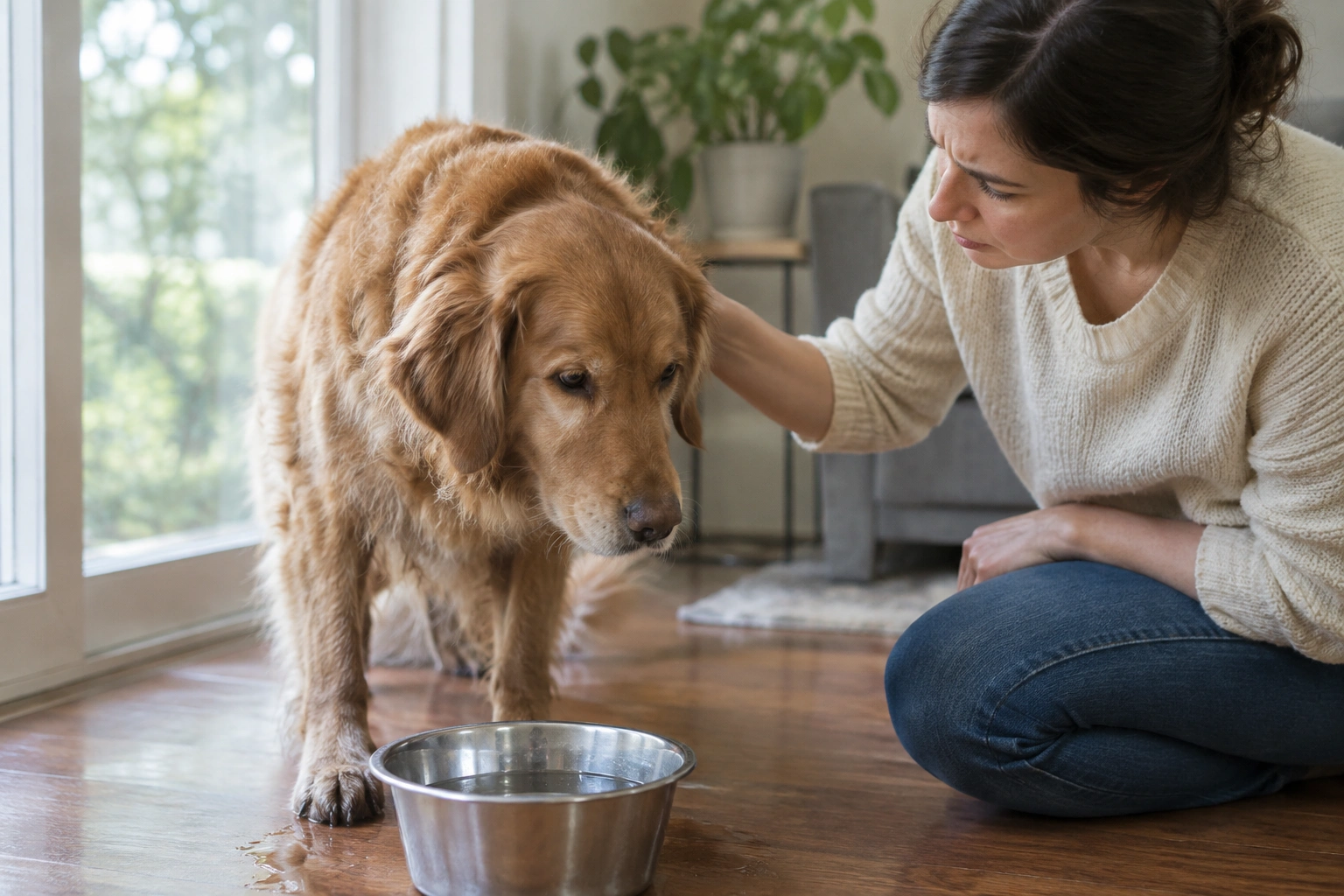
What Kidney Failure Looks Like in Dogs: The Visible Signs to Watch For
Kidney failure is not one single look. It is a cluster of changes.
The most common visible signs owners notice are:
- drinking more than usual
- urinating more often or having accidents
- reduced appetite
- vomiting or nausea
- low energy or “not quite themselves” behavior
- weight loss
- bad breath
- dehydration
- in severe cases, reduced or absent urination
Early on, these signs can be mild enough to blame on heat, exercise, aging, or a minor stomach upset. That is the trap. Kidney disease often starts with nonspecific changes, so the overall pattern matters in clinical practice more than any one symptom by itself.
In real life, these changes may look small at first: a water bowl empties faster than usual, a house-trained dog has an accident overnight, or a dog that normally races to dinner leaves half the bowl behind. More advanced signs are harder to miss, such as repeated vomiting, obvious weakness, or a dog that barely urinates.
A dog that is slightly tired for a day is not the same as a dog that is tired, drinking constantly, vomiting twice a day, and losing weight. That second pattern deserves a vet visit even if the dog is still standing, walking, and eating small amounts.
Early Warning Signs: The Subtle Changes Owners Usually Notice First
The first signs of chronic kidney disease are often easy to dismiss.
More thirst and more urination
One of the earliest clues is a dog that starts drinking more water than usual and needing to pee more often. You may notice a fuller water bowl every day, more trips outside, larger urine spots, or accidents in the house from a dog that was previously reliable.
This does not prove kidney disease on its own. Increased thirst and urination can happen with other problems too. But if the change is persistent, it is worth taking seriously.
Mild appetite loss
A dog may still eat, but less eagerly. You might see hesitation at mealtime, leaving food behind, or acting interested in treats but not finishing dinner. Owners sometimes assume this is pickiness. In a dog that is also drinking more or acting tired, it is more concerning.
Low energy that looks like “slowing down”
Kidney disease can make a dog seem flat, less playful, or less interested in activity. With a Border Collie, this may show up as less enthusiasm for fetch, shorter training sessions, or a dog that lies down sooner than normal on walks.
Intermittent vomiting
A dog with early kidney disease may vomit occasionally rather than constantly. That intermittent pattern is easy to shrug off as eating too fast, grass, or a mild stomach bug. When vomiting appears alongside thirst changes or appetite loss, the picture changes.
If these signs are mild but persistent, a prompt veterinary appointment is the right move.
Acute Kidney Injury vs. Chronic Kidney Disease: How the Timeline Changes the Picture
The timeline is one of the most useful clues.
Acute kidney injury looks sudden
Acute kidney injury usually develops quickly. A dog may seem normal, then become sick over hours to a few days. The decline can be dramatic: vomiting, weakness, dehydration, reduced urination, and rapid worsening.
This is the pattern that raises emergency concern, especially if toxin exposure, infection, or another sudden event may be involved.
Chronic kidney disease looks gradual
Chronic kidney disease tends to build slowly over weeks or months. Owners often notice small changes first: more drinking, more urination, then appetite loss, weight loss, and occasional vomiting. Because the change is gradual, people often normalize it.
A useful rule: if you can point to a clear “before and after” over a short time, think urgent. If the change has crept in slowly, think chronic disease — but still get the dog checked.
| Pattern | What it tends to look like | What it means for urgency |
|---|---|---|
| Acute kidney injury | Sudden vomiting, weakness, dehydration, reduced urination, fast decline | Often an emergency |
| Chronic kidney disease | Gradual thirst, urination, weight loss, appetite changes, intermittent vomiting | Prompt vet visit, sooner if worsening |
| Early disease | Mild, easy-to-miss changes | Do not wait if the pattern persists |
| Advanced disease | Repeated vomiting, marked weakness, bad breath, little or no urine | Urgent or emergency care |
Advanced or End-Stage Kidney Failure: Signs the Dog Is Getting Much Sicker
When kidney failure becomes more advanced, the signs are usually harder to miss.
Repeated vomiting or nausea
A dog may vomit multiple times, drool, lick lips, refuse food, or seem nauseated after drinking. Some dogs act hungry but cannot keep food down.
Marked weakness and lethargy
This is more than “a little tired.” The dog may struggle to stand, move slowly, hide, or seem uninterested in normal routines.
Weight loss and poor body condition
You may notice the ribs, spine, or hips becoming more visible. The dog may lose muscle along the back legs and shoulders. This can happen even if the dog is still eating some food.
Bad breath and mouth irritation
Kidney disease can cause a strong, unpleasant breath odor. Some dogs develop mouth ulcers or obvious oral discomfort. If a dog is drooling, pawing at the mouth, or refusing food because of mouth pain, that is a red flag.
Dehydration
Dry gums, sunken eyes, tacky saliva, and weakness can all point to dehydration. Kidney disease can cause dehydration even when a dog is drinking, because the body is not concentrating urine normally.
Reduced urination or no urination
This is one of the most serious signs. A dog that is producing very little urine, straining to urinate, or not urinating at all needs immediate veterinary attention. This can be kidney-related, but it can also signal a urinary emergency.
When Kidney Failure Symptoms Are an Emergency
Use this primary rule: if your dog is getting worse, not better, or has a red-flag sign, do not wait. That means immediate care for no urination or very little urine, repeated vomiting, inability to keep water down, collapse, severe weakness, disorientation, suspected toxin exposure, rapid worsening over hours or a day, or painful straining to urinate.
If your dog may have eaten something toxic, treat that as an emergency even if the dog still seems partly normal. Some toxins can cause acute kidney injury, and time matters.
What Kidney Failure Can Be Confused With
This is where many owners get stuck. Several other problems can look similar at first.
Dehydration
Dehydration can cause lethargy, dry gums, and weakness, and it may happen after heat, exercise, diarrhea, or vomiting. But dehydration alone does not usually explain a longer pattern of increased thirst and urination followed by weight loss.
Urinary tract infection
A UTI can cause frequent urination, accidents, straining, and discomfort. Kidney disease can also affect urination, but a UTI often comes with urgency and small amounts of urine rather than the “drinking a lot and peeing a lot” pattern seen in many chronic kidney cases.
Poisoning or toxin exposure
Toxins can cause vomiting, weakness, drooling, and sudden decline. Because some toxins can damage the kidneys directly, any possible exposure should be treated seriously.
Aging
Older dogs do slow down, but aging should not cause persistent vomiting, marked thirst changes, or ongoing appetite loss. Those are medical signs, not just age.
Urinary blockage
A dog that strains to urinate, produces little or no urine, cries out, or seems distressed may have a blockage. That is an emergency whether or not kidney failure is involved.
Quick comparison: kidney failure vs. UTI, dehydration, and aging
In plain language, kidney failure usually causes a broader pattern: more drinking, more peeing, appetite loss, vomiting, weight loss, or bad breath. A UTI is more likely to cause frequent attempts to pee, accidents, straining, and small amounts of urine, often with discomfort. Dehydration is more likely to show up after heat, diarrhea, vomiting, or poor intake and may improve with fluids if the cause is temporary. Aging can explain slower movement or more sleep, but it does not usually explain ongoing vomiting, big thirst changes, or reduced urination.
| Condition | Overlapping signs | Clue that points away from simple kidney failure |
|---|---|---|
| Dehydration | Weakness, dry gums, lethargy | Often linked to heat, diarrhea, vomiting, or poor intake |
| UTI | Frequent urination, accidents, straining | Usually more lower-urinary discomfort than whole-body illness |
| Poisoning | Vomiting, weakness, sudden decline | Clear exposure risk or very rapid onset |
| Aging | Slower movement, more sleep | Does not explain persistent vomiting or major thirst changes |
| Urinary blockage | Straining, little urine, distress | Needs urgent care regardless of cause |
What a Vet Will Do to Check for Kidney Failure
Visible signs can raise suspicion, but testing is what confirms the problem.
A vet will usually start with a physical exam and then recommend bloodwork and urinalysis. Blood tests often include markers such as blood urea nitrogen (BUN), creatinine, and sometimes SDMA. These help the vet assess how well the kidneys are filtering waste.
The vet may also check hydration status, blood pressure, and overall circulation, since these can help show how sick the dog is and whether dehydration is making the problem worse. Urinalysis is also important because it shows how well the kidneys are concentrating urine and whether there are signs of infection, dehydration, or other urinary problems.
Depending on the dog’s condition, the vet may repeat labs after treatment starts to see whether values improve or worsen. In some cases, the vet may also recommend imaging such as X-rays or ultrasound to look for obstruction, infection, stones, or structural changes. The exact workup depends on the dog’s symptoms and how sick they appear.
For a plain-language overview of kidney disease in dogs, the VCA Hospitals kidney disease guide is a helpful reference. For broader signs of illness and when to seek help, the ASPCA’s dog health resources are also useful.
What to Do Right Now If You Suspect Kidney Failure in Your Dog
If your dog is stable but showing mild signs, call your vet and arrange a prompt appointment. Mention the specific changes you’ve noticed: thirst, urination, vomiting, appetite, energy, and any possible toxin exposure.
If your dog is weak, vomiting repeatedly, not drinking, not urinating, or rapidly declining, go to an emergency vet now.
While you are arranging care:
- keep fresh water available
- do not force food
- do not give human medications
- note when symptoms started and whether they are worsening
- if possible, bring a urine sample only if your vet says it is appropriate
Do not wait to “see if it passes” when the pattern includes poor urine output, repeated vomiting, or collapse. Kidney problems can worsen quickly once the dog becomes dehydrated.
Common Mistakes That Delay Treatment
The most common delay is assuming the dog is just getting older. Another is waiting because the dog still eats a little or still wants attention. Dogs often keep some normal behaviors even when they are seriously ill.
Owners also sometimes focus on one symptom and miss the pattern. A little vomiting by itself may seem minor. Drinking more by itself may seem harmless. Put those together with lethargy or weight loss, and the picture becomes much more concerning.
The final mistake is trying to manage repeated vomiting or poor urination at home for too long. Those are not symptoms to “watch for a few days” if they are persistent or worsening.
A Practical Way to Judge Urgency
Use this simple decision rule:
- Emergency now: no urination, collapse, repeated vomiting, severe weakness, disorientation, suspected toxin exposure, or inability to keep water down
- Same-day vet visit: increased thirst and urination plus appetite loss, lethargy, vomiting, or weight loss
- Prompt appointment: mild but persistent changes that are not improving within a day or two
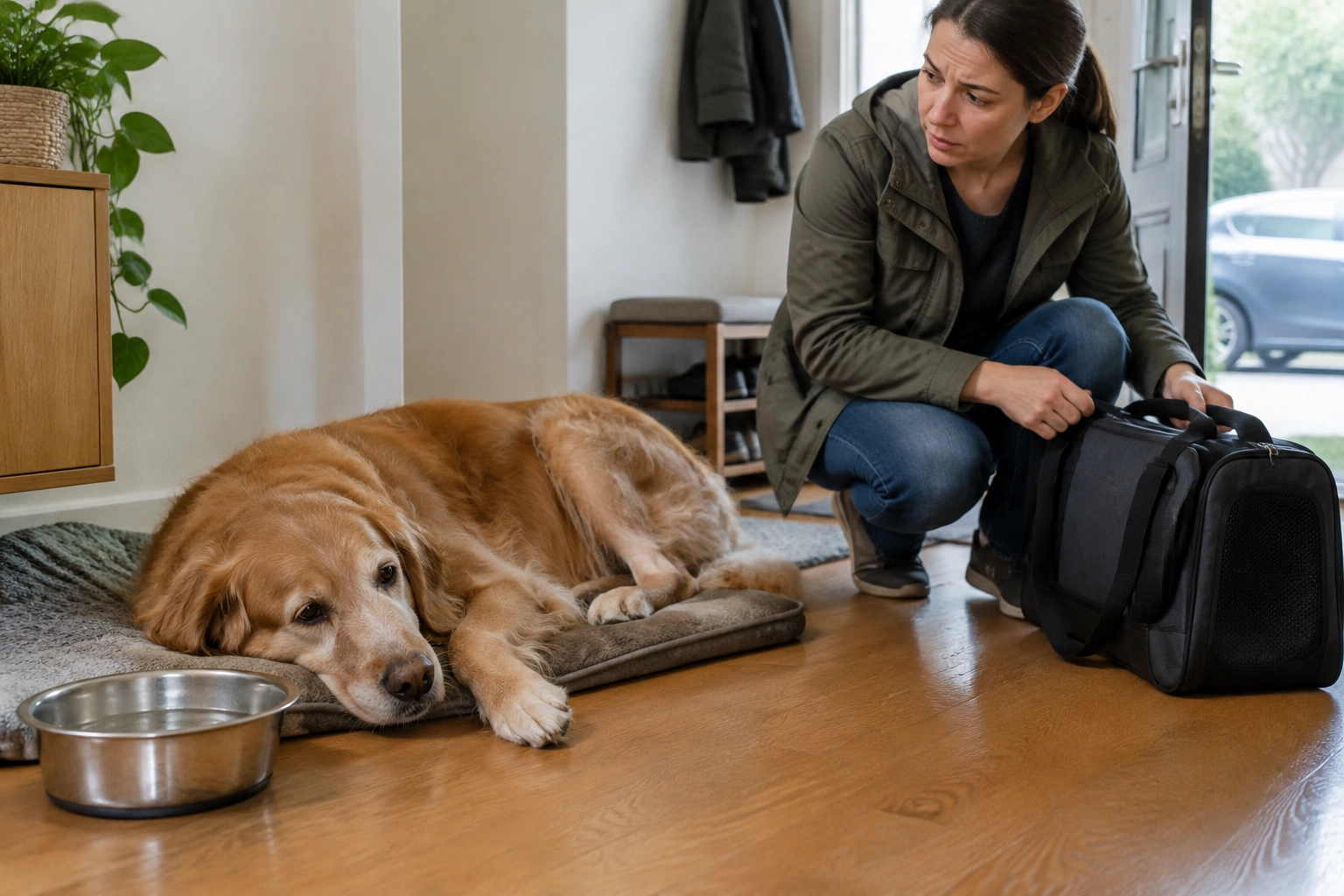
If you are on the fence, choose the earlier option. Kidney disease is one of those problems where waiting for certainty can cost time you do not get back.
When to Call a Veterinarian
For this topic, the right professional is a veterinarian. A certified trainer is not the right resource for kidney symptoms, because this is a medical issue, not a behavior issue.
If your dog is showing visible changes that could fit kidney failure, book the vet visit first. Once the medical problem is ruled out or managed, then you can address any behavior changes that were actually caused by illness, discomfort, or reduced energy.
FAQ
Can a dog have kidney disease and still act normal?
Yes. Early kidney disease can be subtle. A dog may still eat, walk, and seem mostly normal while drinking more, urinating more, or losing weight slowly.
Does kidney failure always cause vomiting?
No. Vomiting is common, but not every dog vomits early. Some dogs first show changes in thirst, urination, appetite, or energy.
Is increased thirst always a kidney problem?
No. It can also happen with other illnesses, medications, or heat. But persistent increased thirst should be checked, especially if it comes with more urination, vomiting, or weight loss.
Can kidney failure be reversed?
Sometimes acute kidney injury can improve if the cause is found and treated quickly, but chronic kidney disease is usually managed rather than cured. A veterinarian has to diagnose the cause before anyone can say more.
How fast can kidney failure get worse?
Acute kidney injury can worsen quickly, sometimes over hours or days. Chronic kidney disease usually progresses more slowly, but it can still become serious if missed.
What if my dog is still drinking water?
Drinking does not rule out kidney disease. In fact, increased thirst is one of the signs that can show up early.
Should I wait if my dog is only vomiting once?
A single vomit may not be an emergency by itself. But if vomiting happens with lethargy, poor appetite, increased thirst, reduced urination, or suspected toxin exposure, do not wait.
What is the most important sign to watch for?
Reduced or absent urination is one of the most urgent signs. Repeated vomiting, severe weakness, and collapse are also major red flags.
Can kidney failure look like old age?
Yes, at first. That is why gradual changes are easy to miss. But ongoing thirst changes, weight loss, vomiting, or bad breath should not be written off as normal aging.
What test confirms kidney failure?
A vet usually uses bloodwork and urinalysis together. Those tests help show how the kidneys are functioning and whether another problem is causing the signs.
Final takeaway
If your dog suddenly seems unwell, drinks or urinates differently, vomits repeatedly, or becomes weak, treat it as a medical problem first and a mystery second. Kidney failure often starts quietly, but it can become urgent fast. The earlier a vet sees the dog, the better your chances of getting a clear answer and the right next step.
