
Why Does a Border Collie’s Coat Change Color?

Quick Answer
A Border Collie’s coat can change color because of normal puppy development, seasonal shedding, sunlight, aging, or the way its inherited coat-color genes express themselves. However, a sudden change accompanied by hair loss, itching, skin discoloration, or a dull coat may indicate an underlying health problem that needs veterinary attention.
If your Border Collie’s black fur is becoming brownish, its puppy coat looks different from its adult coat, or new patches of gray or lighter hair are appearing, the change is not necessarily a cause for concern. A dog’s coat can look different as it matures, sheds old hair, and grows a new layer.
The important distinction is whether the change is gradual and limited to the fur or whether it occurs alongside changes in the skin, hair density, or your dog’s overall health. Understanding the difference helps you decide whether to monitor the coat at home or arrange a veterinary examination.
Why Does a Border Collie’s Coat Change Color?
A Border Collie’s coat changes color when new hair grows with different visible characteristics, existing hair becomes lighter or more weathered, or the coat’s underlying color pattern becomes easier to see. The most common explanations are normal development, inherited pigmentation, seasonal coat changes, and environmental exposure.
Dogs have two main types of hair pigment: eumelanin, which produces black or brown shades, and pheomelanin, which produces red, yellow, and cream shades. Genes influence the production, intensity, and distribution of these pigments, creating the wide range of colors and patterns seen in Border Collies.
The UC Davis Veterinary Genetics Laboratory’s guide to canine coat color explains how several genes interact to produce a dog’s appearance. A visible change does not automatically mean that the dog’s genetic makeup has changed.
7 Common Reasons a Border Collie’s Coat Changes Color
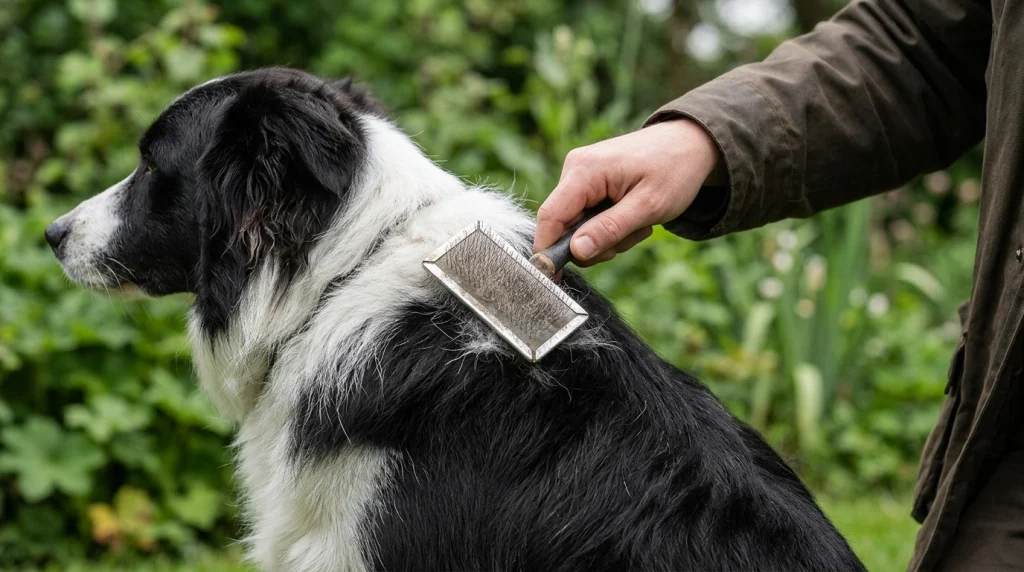
1. Puppy Fur Is Replaced by an Adult Coat
One of the most common reasons for a changing coat is the transition from puppy fur to adult hair. Young Border Collies can have softer, fluffier coats whose shades and markings look different from those of their mature coats.
The adult topcoat may become longer, coarser, or more clearly defined, making black areas look darker, brownish areas more noticeable, or existing markings appear sharper. Breed standards describe puppies as having different coat qualities before their adult topcoat develops, with the transition beginning at around four to six months in some dogs.
The process does not happen identically in every Border Collie. Age, inherited coat characteristics, and individual development influence when the coat changes and how dramatic the difference appears.
What to expect: Gradual changes in color, texture, and coat length during puppyhood are usually normal when the skin remains healthy and the dog behaves normally.
2. Seasonal Shedding Changes the Coat’s Appearance
Border Collies have a double coat consisting of a protective outer layer and a softer undercoat. As the undercoat sheds and regrows, the balance between these layers changes, sometimes making the dog appear lighter, darker, fuller, or less uniform in color.
For example, a black-and-white Border Collie may appear grayish or brownish while loose undercoat is exposed among the darker guard hairs. After shedding, the coat may look more consistently black again.
Seasonal shedding is influenced by daylight, temperature, indoor living conditions, and individual coat cycles. It does not necessarily follow the same schedule for every dog, particularly in climates without sharply defined seasons.
How to recognize it: The color difference appears alongside increased shedding or changes in coat thickness, rather than a new skin problem or rapidly developing bald patches.
3. Sunlight Can Make Dark Fur Look Brown or Reddish
Prolonged sunlight can weather a dog’s hair and make dark fur appear faded, rusty, reddish, or brown. This is particularly noticeable on black coats exposed to strong sunlight over time.
The effect is usually easiest to see on the back, shoulders, or other areas that receive frequent sun exposure. Hair that is protected underneath the outer layer may retain a darker appearance, creating a contrast between exposed and covered areas.
This type of fading is different from a true genetic change in coat color. The existing hair has become lighter in appearance; the dog has not necessarily started producing a different pigment pattern.
If the coat is otherwise healthy and the color change corresponds to sun exposure, the effect is generally less concerning than discoloration accompanied by inflammation or hair loss.
4. Aging Can Introduce Gray or Lighter Hair
As a Border Collie gets older, individual hairs may lose some of their pigment or gray hairs may become more noticeable. This can gradually change the appearance of the muzzle, eyebrows, face, and other parts of the coat.
Some dogs develop a salt-and-pepper appearance around the muzzle, while others show more subtle changes throughout their darker fur. The timing and extent vary between individuals, and not every older dog develops the same pattern.
Age-related graying is more likely when the change develops gradually and the skin, appetite, activity, and coat density remain normal. Gray hairs in a young dog do not automatically indicate premature aging or disease, but unusual or rapid changes deserve closer attention.
5. Inherited Genes Affect Color and Pattern
Border Collies can have black-and-white, red-and-white, chocolate, blue, tricolor, sable, merle, and other recognized color patterns. Their appearance depends on combinations of inherited genes rather than one gene controlling every aspect of coat color.
These genes influence which pigments are produced, how strongly they appear, and where they are distributed. Some patterns can become more noticeable as a puppy matures and its adult hair replaces the softer early coat.
Merle, for example, produces irregular patches of diluted pigment alongside areas of stronger pigmentation. The UC Davis Veterinary Genetics Laboratory’s explanation of the merle pattern describes how the expression of this inherited trait varies.
Genetics helps explain why two Border Collies can develop different shades even when they have similar-looking coats as puppies. However, a sudden change in an established adult coat should not automatically be attributed to inherited color genetics.
6. Coat Condition and Nutrition Can Affect Color
A Border Collie’s coat may look dull, faded, rough, or uneven when its overall hair and skin condition deteriorates. Inadequate nutrition can contribute to coat problems, but so can digestive difficulties, parasites, skin inflammation, and other health conditions.
A balanced, complete diet appropriate for the dog’s life stage supports normal hair growth. Simply adding supplements, oils, or high doses of vitamins is not a reliable way to restore coat color and can create nutritional imbalances.
Look at the whole coat rather than color alone. A glossy coat becoming dull, hair breaking easily, excessive shedding, flaky skin, or areas of thinning hair suggest that the issue may involve more than normal pigmentation.
If the change persists, review your dog’s diet and recent health history with a veterinarian before introducing supplements or making major dietary changes.
7. Skin Problems or Other Health Changes May Affect the Coat
Some coat changes occur because a dog scratches, licks, or chews irritated areas, leaving saliva-stained fur or patches of broken hair. Skin infections, allergies, parasites, and hormonal or other systemic disorders can also affect coat quality and hair growth.
These problems do not all produce the same symptoms, and coat color alone cannot identify the cause. A rusty patch near a frequently licked paw, for example, may reflect saliva staining rather than a change in the hair’s original pigment.
Seek veterinary advice if discoloration occurs with persistent itching, redness, sores, unpleasant skin odor, unusual hair loss, or changes in energy or appetite. A sudden or progressive change is especially worth investigating when it affects several areas of the body.
How Can You Tell Whether the Color Change Is Normal?
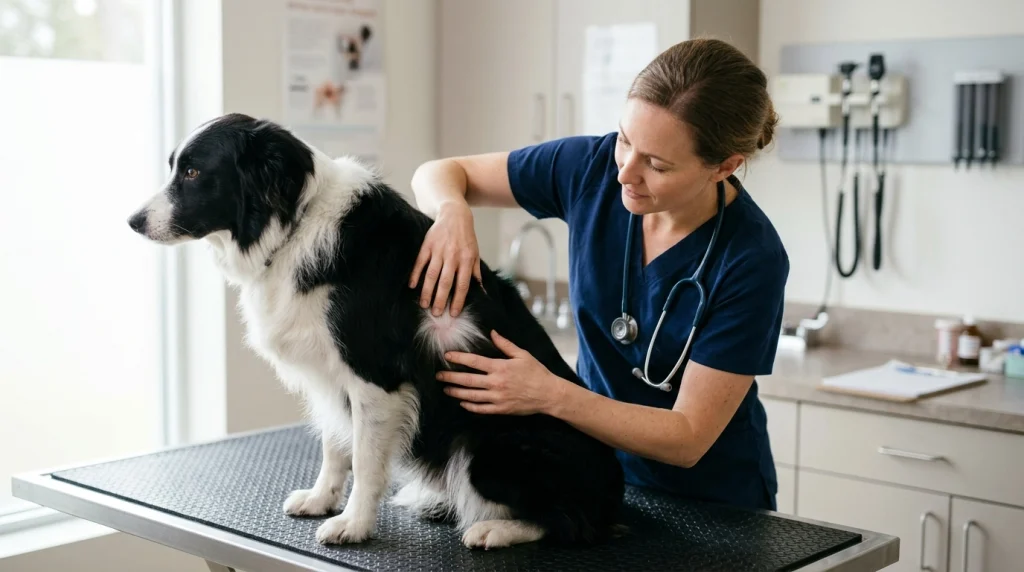
The pattern of the change, its speed, and the condition of the skin provide more useful clues than color alone. Use the following comparison to decide what to check next.
| What you notice | Possible explanation | What to do |
|---|---|---|
| Fluffier puppy fur becomes darker or more defined | Normal coat development | Monitor as the adult coat grows. |
| Black fur becomes brownish on exposed areas | Sun-related weathering | Observe the pattern and protect the dog from excessive sun and heat. |
| Coat looks uneven during heavy shedding | Changing undercoat and topcoat balance | Brush gently and monitor regrowth. |
| Gray hairs appear gradually with age | Age-related pigment changes | Monitor for other changes in health or coat condition. |
| Discoloration appears with itching, bald spots, or sores | Possible skin or health problem | Arrange a veterinary examination. |
These patterns are clues, not diagnoses. Several causes can overlap, so a veterinarian may need to examine the skin and hair and consider your dog’s history to determine what is happening.
What Should You Do When Your Border Collie’s Coat Changes?
If your dog seems healthy and the change is gradual, start with a few simple observations rather than trying to correct the color.
- Take clear photographs. Photograph the affected area in natural light and repeat periodically under similar conditions. This helps distinguish a gradual change from one that is spreading quickly.
- Check the skin and hair. Look for redness, flakes, scabs, thinning areas, broken hairs, or signs of repeated licking and scratching.
- Consider recent changes. Note your dog’s age, shedding pattern, sun exposure, grooming routine, diet changes, medications, and any recent illness.
- Maintain appropriate grooming. Brush regularly to remove loose undercoat and prevent tangles. Use a suitable dog shampoo only when needed, and rinse thoroughly.
- Keep nutrition balanced. Feed a complete diet suitable for your dog’s age and needs. Avoid using color-enhancing supplements or home remedies without veterinary guidance.
- Arrange an examination when indicated. Seek advice if the change is sudden, progressive, unexplained, or accompanied by skin symptoms, hair loss, or changes in general health.
Tip
Compare photographs taken in similar lighting before deciding that your Border Collie’s coat has changed dramatically. Wet fur, indoor lighting, shadows, and loose undercoat can all make the same coat look different.
When Should a Coat Color Change Worry You?
Color change alone is often less informative than the symptoms that accompany it. A gradual shift in puppy or senior fur is different from discoloration that appears with skin inflammation, hair loss, or a noticeable decline in coat quality.
Arrange a veterinary appointment if you notice:
- Sudden or rapidly spreading discoloration without an obvious explanation.
- Persistent itching, redness, sores, scabs, or an unusual skin odor.
- New bald patches, excessive hair breakage, or substantial thinning.
- A dull, dry coat alongside changes in appetite, weight, energy, or general behavior.
- Changes that continue to progress despite normal grooming and a balanced diet.
Seek prompt veterinary attention if your dog develops severe weakness, significant pain, rapidly worsening skin lesions, or other signs of acute illness. These symptoms should not be dismissed as a cosmetic coat problem.
A veterinarian may assess the skin, review nutrition and medications, and recommend tests when the examination suggests an underlying condition. Treatment depends on the actual cause; changing shampoos or adding supplements without identifying the problem may delay appropriate care.
Frequently Asked Questions
Can a black Border Collie turn brown?
Yes. Black fur can develop a brown or reddish appearance because of sunlight, hair weathering, or differences in the coat layers. If the change is widespread, sudden, or accompanied by skin problems or hair loss, ask a veterinarian to investigate.
Do Border Collie puppies change color as they grow?
Yes. Puppy fur is replaced by an adult coat, which may have a different texture, shade, or definition of markings. The extent of the change varies with the dog’s inherited coat characteristics and individual development.
Does seasonal shedding permanently change coat color?
Usually, shedding changes how the existing coat looks rather than permanently changing its underlying genetic color. As the undercoat is replaced, the coat may appear lighter or darker for a time.
Can a Border Collie’s coat become lighter with age?
Yes. Some dogs develop gray or lighter hairs as they age, particularly around the muzzle. The timing varies, and a rapid or unexplained change should not automatically be attributed to aging.
Can food make a Border Collie’s coat darker again?
A balanced diet supports healthy hair growth, but food cannot reliably reverse sun-weathered hair or change a dog’s inherited coat color. If the coat becomes dull or discolored, identify possible nutritional or medical issues before adding supplements.
Should I worry if my Border Collie’s coat changes color suddenly?
A sudden change deserves closer attention, especially when it occurs with itching, hair loss, redness, sores, or changes in behavior. Arrange a veterinary examination to determine the cause rather than assuming it is a normal coat transition.
Conclusion
A Border Collie’s coat can change color as the dog grows, sheds its undercoat, spends time in sunlight, or develops age-related gray hairs. Inherited pigmentation also explains the breed’s varied shades and patterns. Many gradual changes are normal, particularly when the skin remains healthy and your dog feels well.
Pay attention to the pattern and speed of the change rather than judging color alone. Photograph the coat in consistent lighting, maintain balanced nutrition and appropriate grooming, and seek veterinary advice for unexplained discoloration, persistent itching, bald patches, or other signs of illness. The goal is not to restore a particular shade but to understand why the coat looks different and keep your Border Collie healthy.