
Why Is My Dog Gaining Weight Without Eating More? A Practical Guide for Concerned Owners

If your dog is getting heavier but the food bowl looks unchanged, don’t assume it’s “just age” and don’t assume it’s automatically a disease either. Weight gain in dogs usually comes from one of a few buckets: hidden calories, lower energy needs, medication effects, or a medical problem that changes how the body stores fluid or fat.
For Border Collie owners, this can feel especially confusing because these dogs are often lean, active, and easy to read at a glance. When that shape changes, it stands out fast. The goal here is to help you sort the common from the concerning, so you know whether to tighten up feeding and exercise at home or book a veterinary exam now.
Why a Dog Can Gain Weight Without Eating More
A dog does not need a bigger meal to gain weight if its calorie balance has shifted. That can happen in several ways:
- the dog is burning fewer calories than before
- treats, chews, and scraps are adding more than you realized
- the food is more calorie-dense than it used to be
- a medication is affecting appetite, metabolism, or water balance
- a medical condition is changing weight through hormones or fluid retention
That last point matters: “not eating more” does not always mean “not taking in more calories.” A few training treats, a dental chew, a lick of peanut butter, and a couple of table scraps can quietly add up.
Some owners also find that the dog’s age makes the change easier to miss. Senior dogs may slow down normally over time, but age alone should not be used to explain away a clear change in body shape, especially if it happens quickly or comes with other symptoms.
First Check: Is It True Weight Gain, Bloating, or Fluid Retention?
Before changing food, look at the shape of the change.
Gradual fat gain
This tends to happen slowly. You notice a softer waist, less rib definition, and maybe a dog that feels heavier when lifted or handled. The belly usually does not look suddenly enlarged overnight, and the abdomen usually feels soft rather than tight.
Bloating or abdominal swelling
This is different. The belly can look tight, round, or enlarged more suddenly. The dog may seem uncomfortable, restless, painful, or reluctant to lie down. If your dog has a tense abdomen, obvious distress, repeated retching, or trouble breathing, don’t treat it as ordinary weight gain.
Fluid retention
Fluid buildup can also change the body shape, sometimes making the abdomen look distended or causing swelling elsewhere, such as the legs, chest, or under the skin. Swelling that seems generalized or moves beyond the belly is more concerning than simple fat gain.
If the change looks abrupt, odd, painful, or comes with other symptoms, think “vet visit” rather than “diet tweak.”
How to Tell If Your Dog Is Actually Overweight
The scale helps, but it does not tell the whole story. A better home check is body condition.
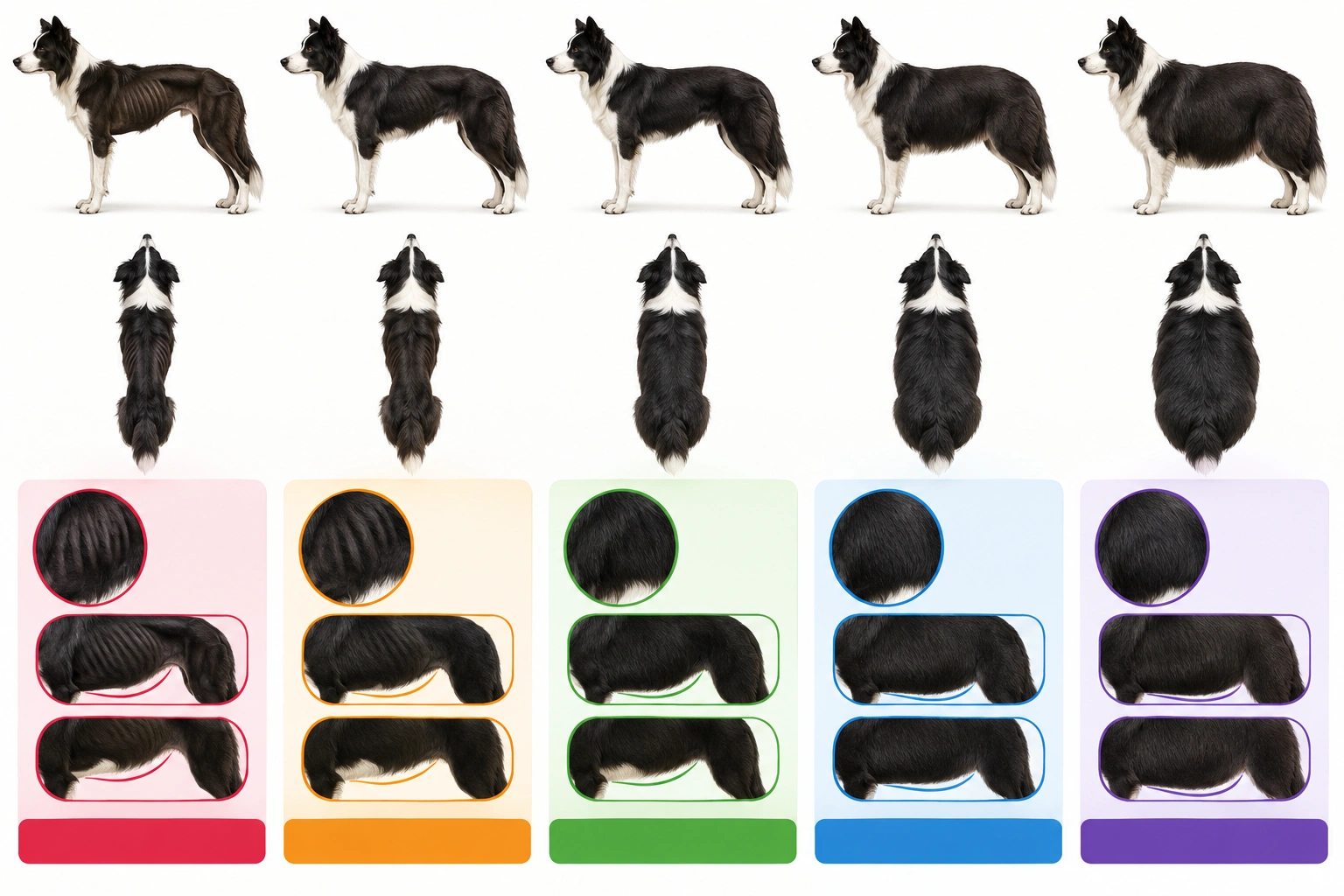
Look for three things:
- Ribs: You should be able to feel them without pressing hard.
- Waist: Viewed from above, there should usually be some narrowing behind the ribs.
- Tuck-up: From the side, the belly should rise slightly toward the hind legs rather than hanging straight down.
If you can no longer feel the ribs easily, or the waistline has disappeared, the dog may be gaining fat even if the daily food amount has not changed.
Weekly weighing can help, but only if you use the same scale and the same routine. A dog that is a few pounds heavier than last month may not sound dramatic on paper, but for a smaller dog or a dog with a lower baseline weight, that can be a meaningful change. Body condition score is usually more useful than one isolated number because it shows whether the extra weight is fat, fluid, or just normal fluctuation.
Common Non-Medical Reasons Dogs Gain Weight Without Larger Meals
These are the causes I check first.
Reduced activity
A dog that moves less will need fewer calories. This is one of the most common reasons weight creeps up after a routine change. Winter weather, a new schedule, recovery from injury, or fewer off-leash outings can all lower daily energy use.
Aging
Older dogs often become less active, but they may still act hungry. Hunger and calorie needs are not the same thing. A senior dog can ask for food with the same enthusiasm and still need fewer calories than before. If the slowdown is mild and gradual, it may be part of normal aging; if it is paired with weight change, weakness, stiffness, coughing, increased thirst, or a bigger belly, it should still prompt a vet check.
Food that is more calorie-dense
A cup is not always a cup in practical terms. Two foods can look similar in volume but deliver very different calories. If you switched brands, changed formulas, or moved from one type of diet to another, the portion may be identical while the calorie load is not.
Treats, chews, and scraps
This is the hidden calorie trap most owners underestimate.
A few examples:
– training treats during a busy day
– a chew given to keep the dog quiet
– table scraps during family meals
– “just one more” reward after a walk
If the main meal has stayed the same but the extras increased, the dog can still gain weight. That is especially easy to miss with Border Collies because they often earn a lot of food through training.
How Hidden Calories Add Up: Treats, Chews, Training Rewards, and Table Scraps
The practical question is not “Did I give treats?” It is “How much did those treats add up to this week?”
Use this decision rule:
– if treats are frequent enough that you no longer remember the count, they are probably worth auditing
– if chews are given daily, treat them like part of the diet, not a free bonus
– if multiple people feed the dog, assume the total is higher than any one person thinks
A useful habit is to measure out the day’s treats in the morning. When the container is empty, no more extras go in unless you deliberately reduce part of the main meal to compensate. That trade-off matters: treats are useful for training and bonding, but they should not silently become a second diet.
Medical Causes That Can Make a Dog Gain Weight Without Eating More
If the feeding picture does not explain the change, a medical cause needs to be considered.
Hypothyroidism
This is one of the classic endocrine causes owners hear about. It can slow the body’s metabolism and contribute to weight gain.
Cushing’s disease
This condition can change how the body handles hormones and fat storage, and it may also affect the abdomen and skin. A dog with a rounder belly, muscle loss, or coat changes can look “fattened up” when the real issue is deeper than food intake.
Other metabolic or hormonal issues
Not every hormonal problem is thyroid-related. A veterinarian may need to consider broader endocrine or metabolic disease if the pattern does not fit ordinary weight gain.
Fluid retention
Sometimes the problem is not extra body fat at all. Fluid accumulation can create a heavier, larger appearance and needs a veterinary workup rather than a home diet fix. Abdominal enlargement can also happen with digestive, liver, heart, or other internal diseases, not just endocrine problems.
The key point: unexplained weight gain is a reason to rule out disease, not a reason to panic. In many cases there is more than one contributing factor, even if a medical issue is part of it.
Medication Side Effects: When Drugs Can Change Weight, Appetite, or Water Balance
If your dog started a new medication before the weight gain, look closely at the timing.
Steroids are the big one many owners recognize, but other medications can also affect appetite, metabolism, or water balance. A dog may seem to be eating the same amount and still gain weight if the medication changes how the body stores fluid or uses energy.
Do not stop a prescribed drug on your own. If you suspect the medication is part of the problem, call the vet who prescribed it and ask whether the weight change is expected, temporary, or worth rechecking.
Red Flags: When Weight Gain Needs a Vet Visit Now
Book a veterinary appointment promptly if the weight gain is:
– sudden rather than gradual
– paired with lethargy
– paired with coughing or breathing changes
– paired with vomiting
– paired with a swollen or tight abdomen
– paired with increased thirst or other appetite changes
– paired with skin or coat changes
– happening while the dog is on medication that can affect weight or fluid balance
If the abdomen looks enlarged quickly or the dog seems distressed, treat that as potentially urgent. Rapid change is the line that shifts this from “monitor at home” to “get checked.”
What a Veterinarian May Check
A vet will usually start with a physical exam and body condition assessment. From there, the next steps depend on what the dog looks like and how fast the change happened.
Common checks may include:
– weight history and body condition scoring
– review of food, treats, chews, and medications
– bloodwork, including a chemistry panel and complete blood count
– thyroid testing if hypothyroidism is suspected
– ACTH stimulation testing or low-dose dexamethasone suppression testing when Cushing’s disease is a concern
– urinalysis to look for clues about kidney function, infection, or hormone-related changes
– imaging such as X-rays or ultrasound if fluid buildup, abdominal enlargement, or another internal issue is a concern
– a fecal exam or other gastrointestinal testing if weight change comes with diarrhea, vomiting, or appetite changes
The point of the exam is not just to confirm the dog is heavier. It is to separate simple calorie excess from disease that needs treatment.
For general guidance on body condition and weight management, the American Kennel Club has owner-friendly resources that can help you understand what a healthy outline should look like. If your dog’s weight gain is tied to appetite changes as well, the practical steps in How to Get a Dog Eating Safely When Appetite Drops may also help you think through the feeding side without guessing.
Safe First Steps You Can Take at Home
If your dog is otherwise bright, breathing normally, and the weight gain looks gradual, these are reasonable first moves while you monitor or wait for an appointment:
-
Measure the food precisely.
Use a real measuring cup or kitchen scale, not a loose “eyeballed” scoop. -
Count treats for the whole day.
Training rewards, chews, and table scraps all count. -
Track weekly weight and body shape.
Take the same photo angle each week: top view and side view. -
Increase activity gradually if the dog seems well.
A few extra walks or more active play can help, but do not push a dog that seems tired, sore, or unwell. -
Avoid drastic diet cuts.
Sudden restriction can backfire and may be unsafe if the cause is medical.
A simple home log is often more useful than memory. Write down food, treats, exercise, and any new symptoms. That gives your vet a cleaner picture if the issue does not resolve quickly.
How to Decide Between Monitoring at Home and Booking an Appointment
Use this framework:
Monitor briefly at home if:
- the weight gain has been slow
- the dog otherwise seems normal
- you recently increased treats or reduced exercise
- body condition suggests ordinary fat gain rather than swelling
- there are no red-flag symptoms
Book a vet appointment soon if:
- the gain is unexplained after you review food and treats
- the dog is on medication that could affect weight
- the shape change is more than simple softness around the ribs
- the dog has coat, skin, thirst, or energy changes
- the problem is continuing despite tighter feeding control
Seek prompt care if:
- the gain is rapid
- the belly is distending
- the dog seems uncomfortable, weak, or short of breath
That decision tree keeps you from overreacting to normal fluctuations, but it also keeps you from waiting too long when the pattern points to disease.
FAQ
Can a dog gain weight from age alone?
Age can lower activity and calorie needs, but age alone should not be assumed to explain clear or rapid weight gain. If the change is noticeable, it is worth reviewing diet and considering a veterinary check.
How do I know if my dog’s belly is fat or bloated?
Fat gain is usually gradual and feels soft. Bloating or fluid buildup often causes a larger, tighter, or more sudden abdominal change. If the belly is tense, painful, or the dog seems unwell, seek veterinary care promptly.
What tests might a vet run for unexplained weight gain?
Common tests can include bloodwork, thyroid testing, urinalysis, and, when indicated, ACTH stimulation or low-dose dexamethasone testing for Cushing’s disease. Imaging or fecal testing may also be recommended depending on the symptoms.
Should I cut food right away if my dog is gaining weight?
If the dog is otherwise well and the change looks gradual, you can start by measuring food carefully and counting treats. If the abdomen is swelling, the dog seems painful, or the gain is rapid, get veterinary advice before making major diet changes.
Do some breeds gain weight more easily?
Some dogs may be more prone to weight gain than others, but breed alone should not be used as the explanation. Diet, activity, age, medications, and medical conditions still need to be considered.
A Final Practical Check
If you want the shortest possible answer, here it is: a dog can gain weight without eating more because the real issue may be hidden calories, reduced activity, age-related changes, medication effects, or a medical condition such as hypothyroidism or Cushing’s disease.
The next smart move is not to guess. Check body condition, review treats and chews honestly, note any new medications or symptoms, and decide whether the pattern looks like simple overfeeding or something a veterinarian should investigate.