
How to Prevent Diabetes in Dogs: Practical Steps That Actually Lower Risk

Can you prevent diabetes in dogs? Sometimes, but not in the way many owners hope.
For most dogs, canine diabetes is not a disease you can fully “outsmart” with one perfect food, supplement, or exercise plan. Veterinary guidance from Texas A&M notes that there is little most owners can do to prevent canine diabetes outright because diet and lifestyle do not fully control how the disease develops. That said, you can reduce risk in some dogs, catch problems earlier, and avoid the habits that make metabolic health worse.
For Border Collie owners, this matters because active dogs can still gain weight, get overfed through treats, or develop health issues that raise diabetes risk. A dog that looks fit at a glance may still be carrying extra body fat. That is why prevention here means two things: lowering modifiable risk where possible, and knowing when prevention has ended and veterinary evaluation needs to begin.
Can You Prevent Diabetes in Dogs? What Prevention Can and Cannot Do
The honest answer is that prevention has limits.
Unlike many weight-related conditions, canine diabetes is often not driven mainly by lifestyle alone. Some dogs develop diabetes because of internal disease processes that owners cannot control. So if you are looking for a guaranteed prevention protocol, there isn’t one.
What you can do is stack the odds in your dog’s favor by focusing on the factors that are within reach:
– keeping your dog lean,
– avoiding unnecessary overfeeding,
– using sensible treats,
– maintaining regular activity,
– and staying on top of wellness care.
There is one important exception: if your dog has a history of pancreatitis, a low-fat diet may help reduce inflammation and support pancreatic health. Texas A&M also notes that spaying female dogs may decrease the risk of diestrus diabetes. Those are not universal prevention steps for every dog, but they matter for the right patient.
If you want a practical rule, use this: risk reduction is the goal until symptoms appear. Once your dog starts drinking more, urinating more, losing weight, or acting unusually tired, the question is no longer “How do I prevent this?” It becomes “Does my dog need testing now?”
Which Dogs Are at Higher Risk for Diabetes
Some dogs deserve a more proactive plan than others.
Obesity is the biggest modifiable risk factor
This is the one most owners can influence. Overweight dogs are more at risk of developing diabetes, and that risk rises when extra calories come from treats, table scraps, or oversized meals. If your dog is carrying abdominal fat, has no visible waist, or feels soft over the ribs, prevention should shift toward weight control rather than general “healthy habits.”
Age and life stage matter
Middle-aged and older dogs are often the ones owners watch too late. A senior dog can seem “normal for age” while gradually drinking more, losing muscle, or slowing down. That is exactly when diabetes can hide in plain sight.
Sex and reproductive status can matter
Texas A&M notes that spaying female dogs may decrease the risk of diestrus diabetes. That does not mean spaying is a diabetes cure or that every intact female will develop the disease. It does mean reproductive status can be part of the risk conversation with your veterinarian.
Medical history matters too
A dog with pancreatitis history deserves special attention. In those dogs, the pancreas has already shown vulnerability, and diet choices may need to be more deliberate.
Breed and individual predisposition
Some breeds are discussed as being more prone to diabetes in general veterinary guidance. Examples often include Samoyeds, Miniature Schnauzers, Poodles, Dachshunds, and Keeshonden. Border Collies are not typically considered among the highest-risk breeds, but that does not make them immune.
For Border Collies, the more useful question is usually not “Is this breed doomed?” but “Is this individual dog lean, active, and medically stable?”
For a broader look at temperament and how individual dogs vary, our guide to whether Border Collies like other dogs shows the same principle: the dog in front of you matters more than assumptions.
Early Warning Signs That Mean You Should Call the Vet Now
Prevention stops being the right frame when symptoms begin.
Call your veterinarian promptly if you notice any of these:
– increased thirst,
– frequent urination,
– unexplained weight loss,
– increased appetite with weight loss,
– lethargy,
– a dull coat,
– or new accidents in the house.
That combination matters because diabetes often announces itself through changes owners can see at home. A dog may still be eating normally, but if the body is not using glucose properly, weight loss and thirst can show up quickly.
Here is a simple decision rule:
If the dog is drinking more and losing weight, do not “wait and see” for weeks. Book a vet visit.
That is especially true if the dog is older, overweight, or has a history of pancreatitis. At that point, changing kibble or cutting treats is not enough. The dog needs testing.
The Most Effective Prevention Strategy: Keep Your Dog Lean
If you only focus on one area, make it body condition.
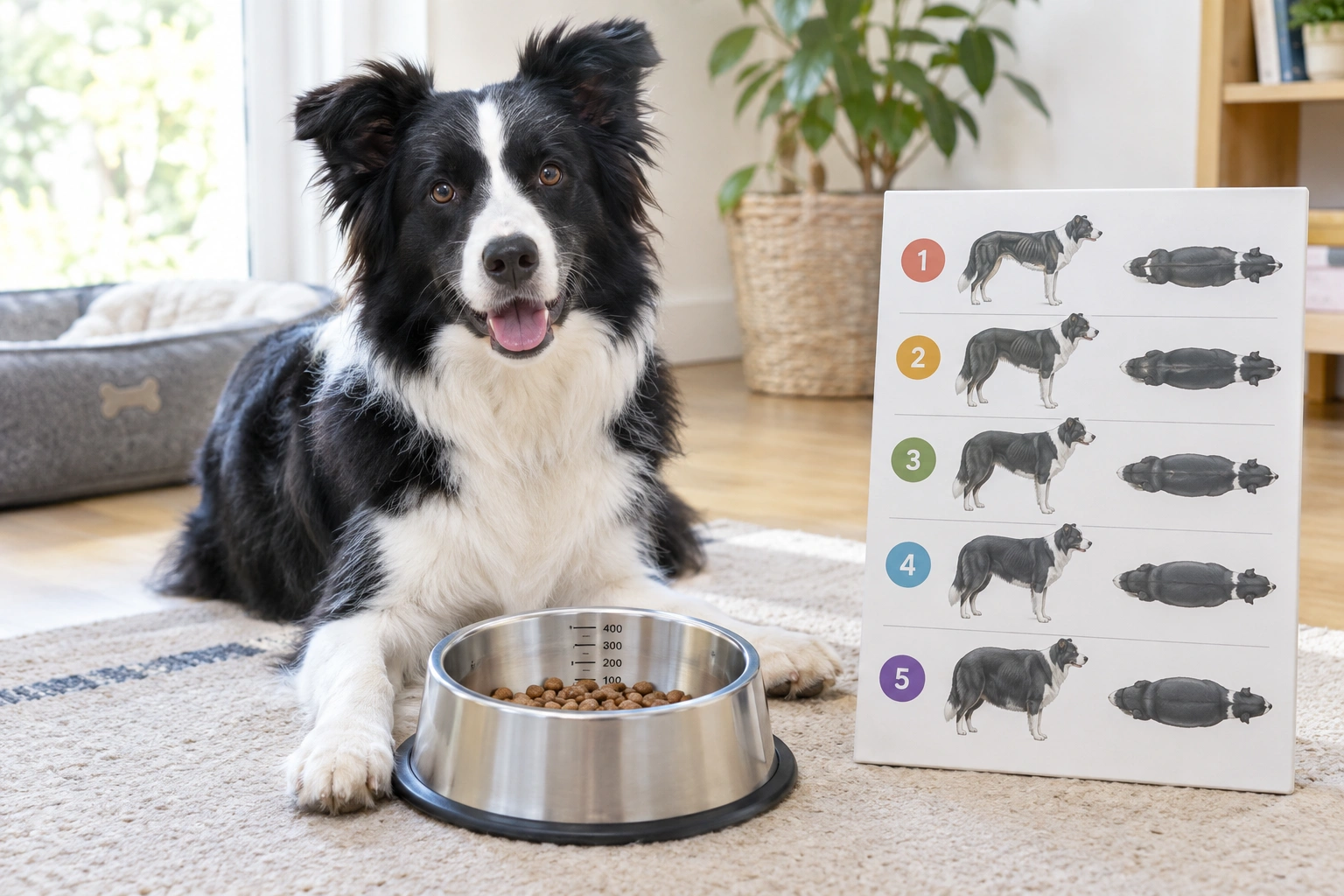
Why body condition score matters more than guesswork
A dog can be “big-boned,” muscular, or simply active and still carry too much fat. Body condition scoring gives you a better picture than the scale alone. Your veterinarian can show you how to assess rib coverage, waistline, and abdominal tuck.
If you can easily feel the ribs with light pressure and your dog has a visible waist from above, you are probably in a better place than if the ribs are buried under fat and the body looks barrel-shaped.
Overweight dogs need a different plan than lean dogs
If your dog is overweight, prevention means weight loss, not just maintenance. That usually requires:
– measured meals,
– fewer treats,
– no free-feeding,
– and regular weigh-ins.
If your dog is already at an ideal weight, the goal is to stay there. That means not rewarding extra activity with extra food by default. Active dogs often get overfed because owners assume exercise automatically “earns” more calories. It doesn’t.
A Border Collie-specific caution
Border Collies can be relentless in motion. That makes them wonderful working and sport dogs, but it also creates a trap: owners may use food generously because the dog seems to burn everything off.
That is risky thinking. A high-activity dog can still gain weight if meals and treats are not measured. Exercise supports metabolic health, but it does not cancel unrestricted feeding.
How to Feed for Diabetes Risk Reduction
Feeding for prevention is mostly about control and consistency.
Measured meals beat guesswork
If you free-feed, you lose track of intake. Scheduled meals make it easier to notice when appetite changes, and they help prevent slow weight creep. For most owners, measured meals are easier to manage than “some food in the bowl all day.”
A practical example: if a bag says to feed 2 cups a day, start by measuring that amount with a standard measuring cup or kitchen scale, then split it into two meals if that fits your routine. Eyeballing “about a cup” is where overfeeding often starts.
Read the label, not just the front of the bag
A food marketed as “healthy” or “high protein” is not automatically lower in calories. Check the feeding guide, the calorie content if listed, and the serving size. Two foods can look similar on the shelf while delivering very different calorie loads per cup.
If your dog needs to lose weight or keep weight off, ask yourself:
– How many calories are in one cup or can?
– Does the feeding chart assume an active dog or a less active one?
– Am I feeding the full recommended amount, plus treats?
Those details matter more than the marketing language on the front.
Commercial diets vs homemade diets
Commercial dog food often has one practical advantage: calorie content is clearer, which makes portion control easier. Homemade diets can work in some cases, but they are harder to balance correctly and easier to overfeed unless a veterinary nutrition plan is in place.
For prevention, the best diet is usually the one you can measure accurately and keep consistent over time.
When to ask about a weight-management formula
If your dog is gaining weight despite measured meals, or if you cannot keep portions small enough without your dog acting hungry all the time, ask your veterinarian whether a weight-management formula makes sense. That conversation is especially useful for dogs that need fewer calories but still need to feel satisfied.
If your dog has another medical condition, do not change diet aggressively without veterinary input. The “best” food for diabetes risk reduction is not always the best food for kidney disease, gastrointestinal disease, or a dog with allergies.
Treats, Table Scraps, and Training Rewards: How to Use Food Without Undermining Prevention
Treats are one of the fastest ways to erase careful meal planning.
Treat calories count
If your dog gets training rewards, chews, table scraps, or food from puzzle toys, those calories should be treated as part of the daily total. Otherwise, you may think you are feeding a controlled diet while quietly adding a second meal in snacks.
Trade-offs in training
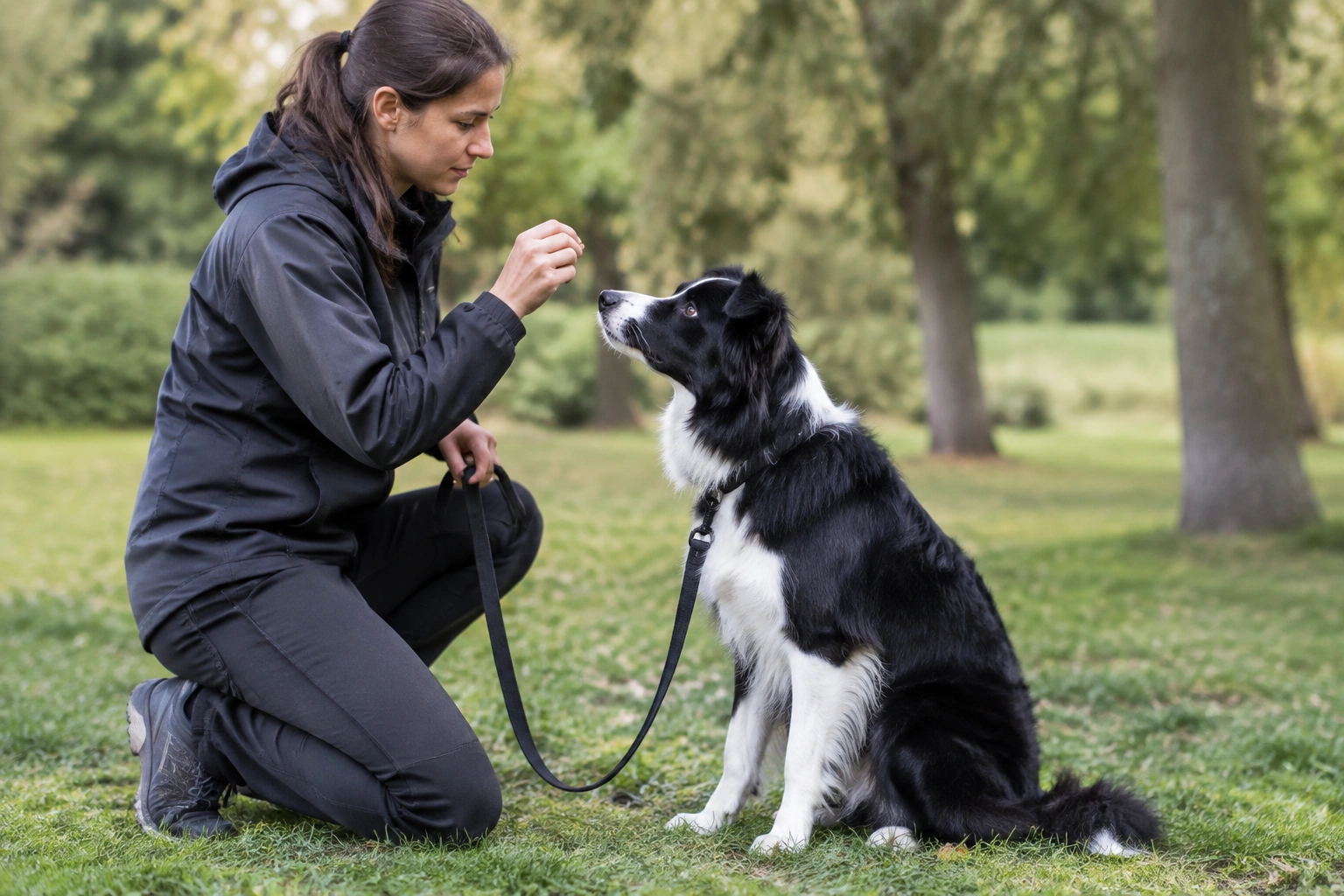
Treat-heavy training can be effective, especially for young or distracted dogs, but it becomes a problem when reward size is too large or reward frequency is too high. A better approach is to use:
– tiny pieces of kibble,
– small low-calorie treats,
– part of the dog’s regular meal,
– praise,
– play,
– or access to a toy as reinforcement.
That keeps training effective without turning every short session into a calorie surplus.
Table scraps are usually the wrong trade
A bite of chicken is not automatically harmful, but the habit matters more than the single bite. Regular scraps make it easy to overfeed, and fatty foods are a poor choice for dogs that need better metabolic control.
If your dog is already overweight, treats should become intentional, not casual.
Exercise and Activity: How Much Is Enough, and How Border Collie Owners Should Think About It
Exercise helps most by supporting lean body mass and preventing weight gain.
That does not mean your dog needs marathon sessions. It means your dog needs enough regular movement to stay fit and mentally engaged without compensating with extra food.
A simple baseline for many healthy adult dogs is at least one to two daily activity periods totaling around 30 to 60 minutes, plus normal movement throughout the day. Border Collies often need more than a single walk, but the exact amount depends on the individual dog.
For Border Collies, daily activity often includes more than a neighborhood walk. You may use fetch, scent work, obedience drills, structured herding-style games, or off-leash running where safe and legal. The key is not the exact activity; it is the consistency.
A useful decision rule:
– If your dog is gaining weight, increase activity and reduce calories.
– If your dog is already lean, maintain activity and avoid “rewarding” motion with larger meals.
– If your dog is older, stiff, overweight, or recovering from illness, ask your vet before dramatically increasing exercise.
Exercise helps, but it is not a permission slip for unlimited food.
Routine Veterinary Care and Screening That Catch Problems Early
Routine wellness care is one of the easiest ways to stay ahead of diabetes risk.
Regular vet visits give you:
– weight checks,
– body condition scoring,
– diet review,
– and a chance to spot gradual changes before they become obvious at home.
That matters because owners often miss slow weight gain. A dog can look “fine” month to month, while the scale tells a different story.
Veterinary follow-up is especially useful if:
– your dog is overweight,
– your dog has had pancreatitis,
– your dog is a senior,
– or you have noticed more thirst or urination.
For general guidance on dog health and preventive care, the American Kennel Club’s health resources are a useful starting point, but your own veterinarian should make the final call on diet and screening.
Special Considerations for Puppies, Adult Dogs, and Seniors
Puppies
Puppies are where habits are built. Measured meals, controlled treats, and no free-feeding set the tone early. This is the easiest life stage to prevent accidental overfeeding.
Adult dogs
Adult dogs usually need the most honest calorie accounting. This is the stage when activity tends to mask creeping weight gain. A dog may still look athletic while slowly adding fat.
Seniors
Senior dogs need closer monitoring because appetite, thirst, and body composition can change quietly. If a senior dog becomes thirstier, starts urinating more, or loses weight, that is not something to blame on age and ignore.
For older dogs, prevention often means earlier vet visits, not just better food.
Common Mistakes That Increase Diabetes Risk
These are the patterns I see most often:
– free-feeding,
– too many training treats,
– assuming exercise cancels extra calories,
– using food as the default enrichment tool,
– ignoring gradual weight gain,
– and waiting for dramatic symptoms before calling the vet.
Another mistake is changing diets without a clear reason. If your dog is doing well on a balanced diet and maintaining a healthy weight, the answer may be better portion control, not a brand-new food.
If you are trying to choose between feeding styles, the ASPCA’s dog care guidance is a sensible general reference, but your dog’s needs should be matched to body condition, age, and medical history.
Practical Prevention Plan You Can Start This Week
Use this as a simple reset:
-
Weigh your dog or book a weigh-in.
If you do not know whether your dog is lean, you are guessing. -
Check body condition.
Ask your vet to show you how to assess ribs, waist, and abdominal tuck. -
Measure every meal for one week.
No scoops by eye. -
Count treats.
Training rewards, chews, and scraps all count. -
Pick one activity to do daily.
Keep it sustainable rather than intense. -
Watch for thirst, urination, and weight changes.
Those signs move the issue from prevention to vet evaluation. -
Schedule a wellness exam if your dog is overweight, senior, or has pancreatitis history.
Those dogs deserve a more deliberate plan.
The goal is not perfection. The goal is to remove the habits that quietly add risk and to catch warning signs early enough that you can act fast.
When to See a Veterinarian or Certified Trainer
See a veterinarian now if your dog has increased thirst, frequent urination, unexplained weight loss, lethargy, or a sudden change in appetite. Also book a visit if your dog is overweight and you need a safe weight-loss plan, or if your dog has a history of pancreatitis.
A certified trainer can help if food rewards are driving overfeeding during training. That matters for Border Collies, because they often learn fastest when food is part of the picture. The fix is not to stop rewarding good behavior; it is to use the rewards more carefully.
Frequently Asked Questions
Can diabetes in dogs be prevented completely?
Not usually. You can lower risk in some dogs, but canine diabetes often cannot be fully prevented through diet or exercise alone.
Does spaying help prevent diabetes?
Texas A&M notes that spaying female dogs may decrease the risk of diestrus diabetes. Ask your veterinarian how that applies to your dog.
Is a high-protein diet best for prevention?
Not automatically. High-protein or lower-carbohydrate diets may help some dogs with weight control, but the best choice depends on your dog’s health, calorie needs, and medical history.
Are treats a real problem?
They can be. Treats matter most when they are frequent, oversized, or not counted as part of daily calories.
Should I worry if my dog is very active?
Yes, if activity is being matched with extra food by habit. Active dogs can still gain weight.
What sign matters most?
Increased thirst paired with weight loss is a major red flag and should prompt a vet visit.
Can Border Collies get diabetes?
Yes. Being active does not make a dog immune. Lean body condition and smart feeding still matter.
How often should my dog be checked?
At least at regular wellness visits, and sooner if your dog is overweight, senior, or showing symptoms.