
Do Dogs Lose Appetite When They’re in Heat? What’s Normal and What Isn’t

If your female dog suddenly turns her nose up at breakfast and you’re also noticing swelling, discharge, or clingy behavior, heat is a very plausible explanation. Yes, dogs can lose appetite when they’re in heat. In many cases, the appetite dip is mild and temporary. In other cases, it’s your first clue that something else is going on.
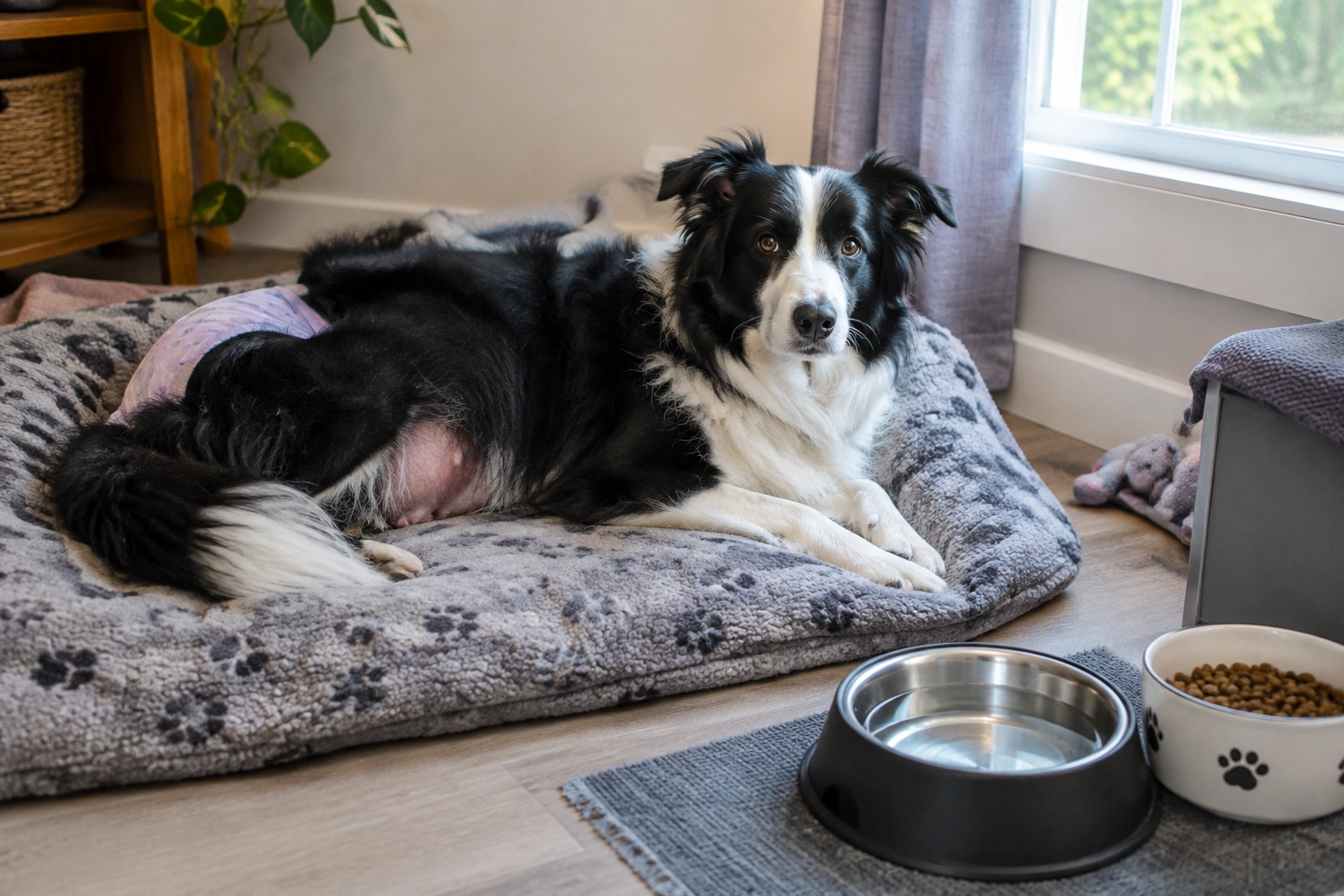
The practical question is not just “Can this happen?” but “Does this look like normal heat behavior, or does it need a vet?” That’s the line this guide will help you draw.
A Border Collie may make this harder to spot because some dogs can stay bright, active, and mentally engaged even while eating a little less than usual. That’s why it helps to track the whole picture: food intake, water intake, energy, discharge, and behavior.
Quick Answer: Is a Reduced Appetite Normal When a Dog Is in Heat?
A reduced appetite can be normal during heat, especially in the early part of the cycle. Some dogs eat a little less for a few days; others skip a meal here and there. A mild dip that lasts a few days and then improves is usually less concerning than a dog who keeps refusing food. The key is whether your dog is still drinking, alert, and acting mostly like herself.
What is not normal is a dog that stops eating completely, becomes unusually lethargic, vomits, has a fever, seems painful, or develops discharge that doesn’t fit a typical heat cycle. In those cases, don’t assume it’s “just hormones.”
The safest rule is simple: mild appetite change plus normal energy and typical heat signs usually points to heat. Appetite loss plus illness signs points to a vet call.
What Happens During the Heat Cycle and When Appetite Changes Are Most Likely
A dog’s heat cycle is the fertile part of her reproductive cycle. The two stages owners usually notice most are:
Proestrus
This is the stage when the body is preparing for mating. Vulvar swelling and bloody discharge are common. Behavior often changes first: some dogs get clingier, others get restless or distracted. Appetite can dip here because the dog is not quite feeling “normal,” and her routine is being disrupted.
Estrus
This is the stage when she is receptive to males. Discharge often becomes lighter or changes in appearance, and male dogs may suddenly show intense interest. Appetite may stay reduced, improve, or fluctuate day to day.
A useful way to think about it: appetite changes are most likely when the cycle is actively changing. If your dog is otherwise stable and the timing fits the heat window, a mild appetite drop is usually less concerning than a sudden refusal to eat with no other heat signs.
Other Signs Your Dog Is in Heat Besides Eating Less
If you’re trying to confirm whether heat is the reason for the appetite change, look for the cluster of signs, not just one symptom.
Common signs include:
- Swollen vulva
- Vaginal discharge, often bloody at first
- Increased attention from male dogs
- Restlessness or pacing
- Clinginess or unusual need for attention
- Tail flagging or changes in posture
- More frequent licking of the rear
- Changes in behavior around walks, doors, or windows
Not every dog shows every sign clearly. Some Border Collies are subtle about discomfort and may just seem “off” rather than obviously distressed. If you’re seeing appetite loss along with swelling and discharge, heat becomes a much stronger explanation.
If you want a closer look at discomfort versus normal cycle behavior, this guide on whether dogs get cramps when they’re in heat is a useful companion read.
How Long Appetite Loss Usually Lasts During Heat
There isn’t one exact timeline for every dog, but a short-lived appetite dip is more typical than a prolonged refusal to eat.
In practical terms, many owners notice one of these patterns:
- A dog skips a meal or eats less for a few days
- Appetite dips early in the cycle and then improves
- Eating becomes inconsistent, especially if the dog is distracted or anxious
- The dog remains interested in treats but less interested in full meals
What matters most is whether the trend is improving. If she starts eating again as the cycle progresses, that supports a normal heat-related change. If she keeps refusing meals, or the appetite loss gets worse, that’s not something to shrug off.
A good working threshold: if your dog will not eat for more than a day, or she’s eating so little that you’re worried about hydration or weakness, call your veterinarian. If she will eat treats but skips multiple meals or only picks at food, that’s still worth a vet call if it continues into the next day.
Normal Heat Appetite Loss vs Warning Signs
Here’s a simple comparison to help you decide what you’re seeing.
| What you notice | More likely normal heat | More concerning |
|---|---|---|
| Appetite | Eats less, but still eats some | Refuses food completely or for more than a day |
| Energy | Mildly quieter, but alert | Very lethargic, weak, or difficult to rouse |
| Drinking | Still drinks normally | Drinking very little or not at all |
| Discharge | Typical heat discharge | Foul-smelling, heavy, unusual, or pus-like discharge |
| Body signs | Vulvar swelling, male dog interest | Pain, vomiting, fever, bloated abdomen |
| Behavior | Clingy, restless, distracted | Hiding, trembling, obvious discomfort |
This table is not a diagnosis tool. It’s a decision filter. If your dog fits the left column, home monitoring is reasonable. If she fits the right column, the safer move is to call the vet.
Why Appetite Can Drop During Heat
Hormonal shifts during the cycle can affect appetite and behavior, and that’s a common veterinary observation. Some dogs seem less interested in food because they’re restless, distracted, or uncomfortable. Others may be dealing with mild physical discomfort that makes eating less appealing.
There’s also a practical reason: when a dog’s body is busy managing reproductive changes, digestion may not feel like the top priority. That doesn’t mean the dog is sick. It means the cycle can temporarily shift what she wants to do, including how much she wants to eat.
For a broader overview of the heat cycle itself, the American Kennel Club’s guidance on dogs in heat is a useful reference point.
How to Encourage Eating Safely During Heat
The goal is to keep nutrition steady without creating stomach upset or turning the dog into a picky eater.
Use smaller meals
A full bowl can feel overwhelming when appetite is down. Split the daily ration into two or three smaller meals. That often works better than offering one large feeding and hoping for the best.
Warm the food slightly
A little warmth can make food smell stronger and more appealing. That matters because smell drives a lot of canine interest in food. Keep it mild, not hot.
Add moisture
If your dog usually eats dry food, a small amount of warm water can soften it and increase aroma. This also helps support hydration.
Keep the diet familiar
This is where many owners overcorrect. Switching foods abruptly may tempt a dog for one meal, but it can also trigger loose stools or more refusal later. If you change anything, keep it modest. In most cases, it’s best to stick with her regular diet and make only small temporary adjustments.
Use a small amount of high-value topper only if needed
A spoonful of wet food or a little plain, dog-safe topper can help, but don’t turn every meal into a buffet. Rich add-ons can backfire by causing digestive upset or training your dog to wait for extras.
Feed in a quiet, low-pressure spot
Some dogs in heat are distracted or unsettled. A calmer feeding environment can help more than changing the food itself.
If your dog is still refusing meals after a sensible adjustment, don’t keep stacking tricks for days. That’s the point where you should reassess whether this is really just heat.
What to Monitor at Home: Water Intake, Energy, Discharge, and Behavior
When appetite changes during heat, the real job is observation.
Track these four things:
- Water intake: Is she still drinking normally?
- Energy: Is she alert, interested, and responsive?
- Discharge: Is it consistent with heat, or does it look abnormal?
- Behavior: Is she restless and clingy, or dull and withdrawn?
A simple note on your phone works well. Write down what she ate, how much she drank, and anything unusual you noticed. That gives you a clearer picture if you need to call the vet later.
Watch especially for a pattern shift. One skipped meal is different from a dog that keeps eating less each day, becomes quieter, and starts drinking less. The pattern matters more than a single moment.
How to Prevent Accidental Breeding While Your Dog Is in Heat
Appetite changes can distract owners from the bigger safety issue: a dog in heat can attract males very quickly.
The practical precautions are straightforward:
- Keep her on leash outdoors
- Supervise every bathroom break
- Avoid dog parks and off-leash play
- Separate her from intact males completely
- Check fences, gates, and doors more carefully than usual
This is not the time to assume she “won’t wander” or that a male dog “won’t get in.” Heat can change behavior fast, and even a normally reliable dog may try to escape to find a mate.
If you have a Border Collie, be extra strict about activity management. These dogs are quick, clever, and excellent at noticing routine gaps. A half-open gate or an unsupervised yard time is enough to create a problem.
When to See a Veterinarian
A veterinarian is the right call if:
- Your dog will not eat for more than a day
- She skips multiple meals and is not clearly improving
- She is vomiting
- She seems painful or unusually sensitive
- She is very lethargic
- She has a fever or seems unwell
- The discharge is foul-smelling, heavy, or unusual
- She refuses both food and water
- You are not sure whether this is heat, pregnancy, or illness
The concern here is not just appetite. Appetite loss can be one of the first signs of a bigger problem, including pregnancy, infection, or a uterine issue such as pyometra. Those conditions should never be assumed to be normal heat behavior.
If your dog is otherwise bright but you’re still uneasy, call your vet sooner rather than later. A quick conversation can save you from guessing.
For a trusted general reference on heat-cycle care and behavior, the ASPCA’s dog care resources are a solid starting point, and VCA Hospitals has practical veterinary guidance on reproductive health topics as well.
Special Considerations for Active Breeds Like Border Collies
Border Collies often make appetite changes harder to detect because they can stay mentally engaged even when they’re not eating normally. A dog that still wants to chase, patrol, or work may look fine at a glance.
That’s why routine-driven dogs deserve closer tracking. If your Border Collie usually cleans her bowl and now leaves part of it, don’t ignore that just because she still has energy. Some active dogs mask discomfort well.
There’s also a trade-off in activity. A little calm movement may help a dog settle, but overdoing exercise can increase stress and make it harder for her to rest and eat. Keep walks controlled, predictable, and on leash. During heat, it’s usually best to keep exercise calm and routine-based rather than intense or off-leash.
What to Expect After Heat Ends and Whether to Plan Spaying
Once heat ends, appetite usually returns to normal if heat was the real cause. Energy and behavior should settle too. If eating stays off after the cycle has clearly passed, that’s a reason to recheck with your vet.
This is also the point where many owners decide whether to discuss spaying. The timing should be planned with your veterinarian after the cycle has fully resolved, not in the middle of active heat. That gives you a cleaner medical picture and avoids unnecessary risk.
If you’re trying to decide what’s normal discomfort and what needs more attention, the related guide on what’s normal when dogs have cramps in heat can help you compare symptoms more confidently.
FAQs
Is it normal for a dog in heat to stop eating?
A mild decrease in appetite can be normal. Complete refusal to eat, especially for more than a day, is not something to ignore.
How long does appetite loss last during heat?
It often lasts a few days or comes and goes during the cycle. If the appetite issue keeps worsening or doesn’t improve as the heat cycle progresses, call your vet.
What if my dog is drinking but not eating?
That can still happen during heat, but it deserves monitoring. If she won’t eat for a full day, skips multiple meals, or if other symptoms appear, get veterinary advice.
Could my dog be pregnant instead of in heat?
Possibly, depending on timing and exposure to a male dog. Early pregnancy can be confused with heat because the timing overlaps and some early signs are subtle. Pregnancy becomes more likely if the discharge changes unexpectedly, heat-like signs fade but appetite stays off, or there was a possible mating. If there’s any chance of breeding, speak with your veterinarian.
Should I change her food while she’s in heat?
Usually not dramatically. Small meals, a little warmth, and added moisture are safer first steps than a sudden diet switch.
Final Takeaway
Yes, dogs can lose appetite when they’re in heat, and a mild drop in eating is often normal. The important part is the context. If your dog is still drinking, alert, and showing typical heat signs, close monitoring is usually reasonable. If she stops eating, skips multiple meals without improving, refuses both food and water, seems painful, vomits, becomes lethargic, or has abnormal discharge, treat it as a health issue, not just a cycle change.