Have you ever wondered why some Border Collies have docked tails while others don’t? If you own a Border Collie or are thinking about getting one, understanding the reasons behind tail docking can help you make the best choice for your furry friend.
Your dog’s tail isn’t just about looks—it plays a role in communication, balance, and even health. Keep reading to discover what tail docking means for your Border Collie, the benefits and concerns, and how it might affect your bond with your dog.
This knowledge will empower you to care for your Border Collie in the most informed way possible.
Credit: www.bordercolliesinneed.org
History Of Tail Docking
Tail docking for Border Collies began to prevent injuries during herding. Farmers believed a shorter tail reduced risks in rough work. Over time, this practice became common in many working dog breeds.
Origins Of The Practice
Tail docking has been practiced for centuries. It started long ago in Europe. People cut dogs’ tails for many reasons. One reason was to avoid injuries. In the past, dogs helped in hunting and guarding. Long tails could get caught or hurt. Docking was a simple way to protect dogs.
Some also thought docking made dogs look better. Different breeds had different tail shapes. Docking helped keep a breed’s traditional look. The practice spread across countries and cultures. It became common, especially for working dogs.
Tail Docking In Working Dogs
Working dogs often got their tails docked for safety. Dogs like Border Collies worked in farms and fields. Their tails could get caught in fences or brush. Injuries could lead to infections or pain. Docking helped prevent these problems.
Farmers and shepherds found docked tails easier to manage. It stopped dogs from getting hurt during work. Docking also helped dogs move more freely. The practice was seen as practical and useful. Over time, it became linked with certain working breeds.
Reasons For Docking Border Collie Tails
Docking the tail of a Border Collie is a common practice with specific reasons behind it. Many owners and breeders choose this procedure for practical and traditional purposes. Understanding these reasons helps explain why tail docking remains popular among Border Collie enthusiasts.
Injury Prevention
Border Collies are active dogs that work hard, especially on farms. Their tails can get caught in fences or bushes. This can cause painful injuries or even tail fractures. Docking reduces the risk of such injuries during work and play. It helps keep the dog safe while running and herding livestock.
Breed Standards And Shows
Some breed organizations require docked tails for Border Collies in shows. This rule follows long-standing breed standards. Docking aligns the dog’s appearance with traditional expectations. Owners who want to show their dogs often dock the tail to meet these standards. It helps the dog compete and be judged fairly in the show ring.
Legal And Ethical Considerations
Border Collie tail docking raises important legal and ethical questions. These concerns affect owners, breeders, and veterinarians. Understanding the rules and moral points helps make better choices for these dogs.
Laws Across Different Countries
Countries have varied rules about tail docking. Some ban the practice entirely. Others allow docking only for medical reasons. In many places, docking for cosmetic reasons is illegal. Owners and breeders must know their local laws. Breaking these laws can lead to fines or other penalties.
Animal Welfare Concerns
Tail docking causes pain and distress to puppies. The tail is important for balance and communication. Removing it can affect a dog’s behavior and health. Many vets argue the procedure is unnecessary and cruel. Animal welfare groups strongly oppose docking for cosmetic reasons. The focus is on protecting dogs from harm and suffering.
Health Impacts Of Tail Docking
Tail docking in Border Collies involves cutting part of the tail, often shortly after birth. This practice raises many concerns about the dog’s health. Understanding the health impacts helps owners make informed decisions.
The tail plays an important role in balance and communication for Border Collies. Removing it can affect these functions. Knowing the risks involved is essential for the dog’s well-being.
Short-term Effects
Tail docking causes immediate pain and discomfort to the puppy. The area may swell or bleed after the procedure. Infection is a common risk if the wound is not cared for properly. Some puppies show signs of distress or anxiety following docking. Proper pain management is often lacking during and after docking.
Long-term Consequences
Loss of the tail can affect a Border Collie’s balance and agility. This is critical for a breed known for quick movements and herding. The dog may have trouble communicating with other dogs using body language. Some dogs develop nerve pain or sensitivity in the docked area. Behavioral changes like increased anxiety or frustration can occur. Overall, docking may reduce a Border Collie’s quality of life.
Alternatives To Tail Docking
Tail docking in Border Collies is a controversial topic. Some owners choose alternatives that keep the dog’s tail safe without cutting it off. These options help protect the tail and reduce injury risks. They also support the dog’s natural communication and balance. Here are some practical alternatives to tail docking.
Protective Gear Options
Protective gear can shield a Border Collie’s tail during work or play. Tail guards and wraps are made from soft, durable materials. They cover the tail to prevent cuts and bruises. These items are easy to put on and remove. Protective gear allows the dog to keep its tail intact and safe.
Training And Environment Management
Training helps a dog avoid tail injuries naturally. Teaching the dog to stay calm around hazards reduces accidents. Managing the environment means removing sharp objects or tight spaces. This lowers the chance of tail damage. Careful supervision during play and work also keeps tails safe.
Caring For A Docked Tail
Caring for a docked tail in a Border Collie needs special attention. The tail is a sensitive part of the body. After docking, it is important to keep the area clean and safe. Proper care helps prevent infection and promotes faster healing.
Watch your dog closely during the first days. The docked tail area might be sore or swollen. Gentle care and careful monitoring make a big difference in recovery.
Post-docking Care Tips
Keep the tail area dry and clean. Use a soft cloth to gently wipe the area. Avoid using strong chemicals or soaps. Check the bandage daily. Change it if it gets wet or dirty. Stop your dog from biting or licking the tail. Use a cone collar if needed. Give your dog quiet time to rest. Avoid rough play or exercise for at least two weeks.
Monitoring For Complications
Look for signs of infection. Redness, swelling, or bad smell are warning signs. Check for bleeding or pus. Watch your dog’s behavior. Excessive licking or biting shows discomfort. If your dog is very restless or not eating, call a vet. Early treatment can stop problems from getting worse. Keep regular vet visits during healing.
Recognizing A Docked Tail Border Collie
Recognizing a docked tail Border Collie is easier than it seems. This breed’s tail often shows clear signs of docking. Many people notice the difference right away. A docked tail changes the dog’s overall look and movement. Understanding these signs helps identify a docked tail Border Collie quickly.
Physical Characteristics
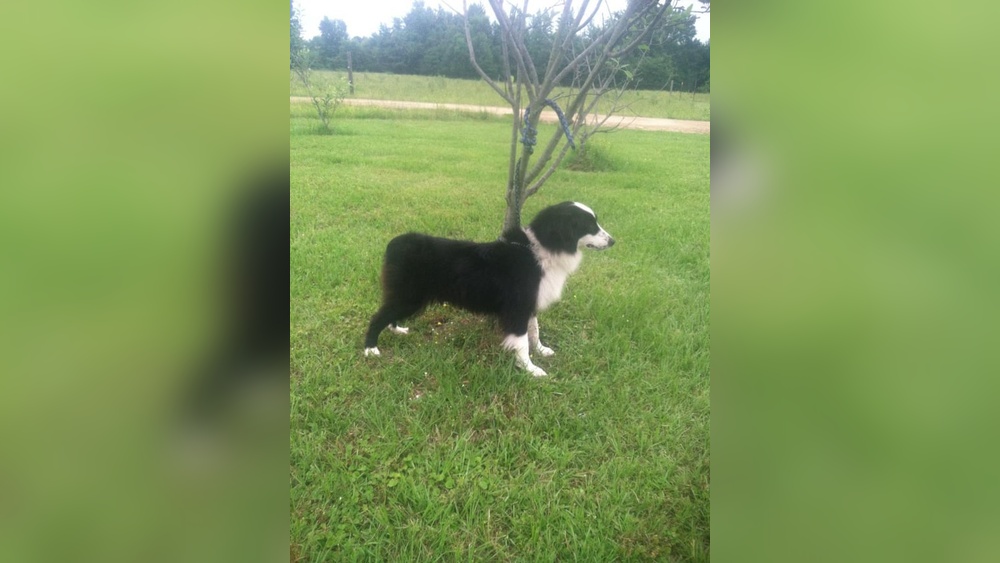
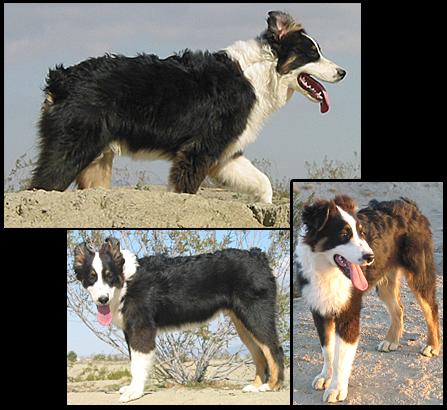
A docked tail Border Collie has a short or barely visible tail. The tail may end in a small stump, not a long brush. Docked tails usually measure just a few inches. The rest of the dog’s body looks typical for the breed. Coat patterns and ear shapes stay the same. The tail’s movement is limited compared to a full tail. This physical change is the main sign of docking.
Behavioral Differences
Behavior changes are subtle but can appear in docked Border Collies. These dogs may wag their tails less expressively. Tail signals used for communication might be reduced. Some dogs rely more on body language and sounds. The dog’s energy and intelligence remain strong. Docking does not affect their herding skills or alertness. Owners should watch for alternative ways the dog shows feelings.
Credit: www.reddit.com
Making The Decision For Your Border Collie
Making the decision to dock your Border Collie’s tail is important and personal. It affects your dog’s appearance and health. Think about your dog’s lifestyle and needs. Some owners choose docking for work reasons, while others prefer natural tails. Understanding the facts helps you decide what is best for your pet.
Consulting Veterinarians
Talk to a veterinarian before deciding. They know the health effects and risks involved. A vet can explain the procedure and recovery process. Ask about pain management and possible complications. A professional opinion gives you clear facts to consider.
Weighing Pros And Cons
List the benefits and drawbacks of tail docking. Benefits might include fewer injuries during work or play. Drawbacks can include pain and loss of communication signals for dogs. Think about your dog’s daily activities and environment. Balance the reasons carefully to make an informed choice.

Credit: www.reddit.com
Frequently Asked Questions
Why Are Border Collie Tails Docked?
Border Collie tails are docked mainly for working purposes. Docking prevents tail injuries during herding. It also reduces the risk of infections. Some owners prefer docking for traditional or aesthetic reasons. However, practices vary by country and breed standards.
Is Tail Docking Painful For Border Collies?
Tail docking causes short-term pain as it involves nerve endings. Puppies feel discomfort during and after the procedure. Proper pain management and quick healing minimize long-term effects. Many vets now recommend avoiding unnecessary docking for animal welfare.
Are Docked Tails Necessary For Border Collies?
Docked tails are not always necessary. Modern animal welfare views discourage routine docking. Working dogs may benefit from docking to prevent injuries. Pet Border Collies without docking live healthy, happy lives. Always check local laws and breed standards.
How Does Tail Docking Affect Border Collie Behavior?
Tail docking can impact communication since dogs use tails to express emotions. Some Border Collies may show less expressive body language. However, most adapt well without behavioral issues. Owners should observe and support their dog’s social needs.
Conclusion
Tail docking in Border Collies sparks many opinions and feelings. Some see it as tradition or safety, while others worry about the dog’s health and comfort. Knowing the reasons behind docking helps make the best choice for your dog. Each Border Collie deserves care and respect, docked tail or not.
Think about what fits your dog’s life and well-being. After all, a happy and healthy dog matters the most.