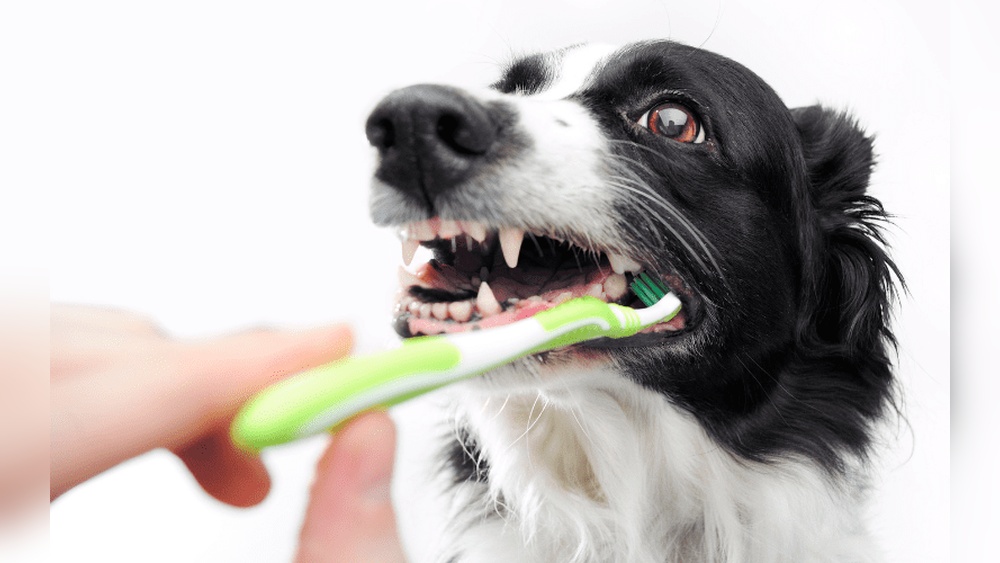
When it comes to your Border Collie’s health, you might focus on their energy and training—but what about their teeth and gums? Healthy teeth and gums are key to your dog’s happiness and overall well-being.
Ignoring oral care can lead to pain, bad breath, and serious health problems that affect your furry friend’s quality of life. You’ll discover simple, effective ways to keep your Border Collie’s mouth clean and healthy. By the end, you’ll feel confident protecting your dog’s smile and boosting their long-term health.
Keep reading to learn how small daily habits can make a big difference for your loyal companion.
Border Collie Dental Anatomy
The dental anatomy of a Border Collie plays a vital role in its overall health. Strong teeth and healthy gums help these active dogs eat, chew, and stay comfortable. Understanding their dental structure helps owners provide better care. This section explains the key parts of Border Collie teeth and gums.
Types Of Teeth
Border Collies have several types of teeth. Incisors are the small teeth at the front. They help with nibbling and grooming. Canines are sharp and pointed, used for grabbing and tearing food. Premolars and molars are larger and flat. They grind and crush food to aid digestion. Each tooth has a specific function important for the dog’s daily needs.
Gum Structure
The gums support and protect the teeth. Healthy gums are pink and firm. They cover the jawbone and hold teeth in place. Gum tissue acts as a barrier against bacteria. It also helps with healing and repair. Poor gum health can lead to infections and tooth loss. Regular care keeps gums strong and prevents problems.
Oral Health Basics
Good oral health starts with daily care. Brushing your Border Collie’s teeth removes plaque and food particles. Dental chews and toys also help clean teeth naturally. Regular vet check-ups catch problems early. Watch for bad breath, red gums, or loose teeth. These signs may indicate dental issues. Healthy teeth and gums improve your dog’s comfort and lifespan.
Common Dental Issues
Border Collies need good oral health just like people. Dental problems can cause pain and other health issues. Recognizing common dental issues helps you care for your dog better. Early care keeps their teeth and gums healthy.
Plaque And Tartar Build-up
Plaque is a sticky film of bacteria on teeth. It forms after eating and can harden into tartar. Tartar is tough to remove without a vet’s help. It causes bad breath and can harm the gums.
Gum Disease Symptoms
Gum disease starts with red, swollen gums. Your dog may bleed when chewing or brushing. Bad breath often signals gum problems. If untreated, gums pull away from teeth, causing pain and infection.
Tooth Decay And Loss
Tooth decay happens when bacteria damage the tooth surface. It can cause holes and infections. Decayed teeth may hurt your dog while eating. Tooth loss occurs if decay or gum disease worsens.
Daily Oral Care Tips
Daily oral care keeps your Border Collie’s teeth and gums healthy. It helps prevent bad breath, plaque, and gum disease. Simple habits every day make a big difference. Start with easy steps to keep your dog’s mouth clean and fresh.
Brushing Techniques
Use a soft-bristled toothbrush made for dogs. Brush gently in small circles. Focus on the gum line and back teeth. Brush for about two minutes each time. Aim to brush your Border Collie’s teeth every day. This removes plaque and stops tartar build-up.
Choosing The Right Toothpaste
Pick toothpaste made specifically for dogs. Human toothpaste can harm your dog’s stomach. Dog toothpaste comes in flavors your pet will like. It also fights bacteria and freshens breath. Use a small amount and replace it often.
Safe Chewing Options
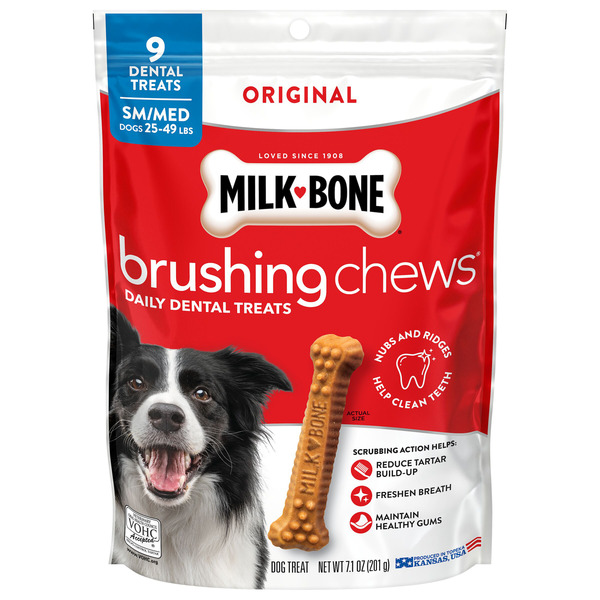
Offer safe chew toys and treats. Chewing helps clean teeth naturally. Avoid hard bones or objects that can break teeth. Choose dental chews approved by vets. These support healthy gums and reduce plaque. Supervise your dog while chewing for safety.

Credit: stories.tamu.edu
Diet And Oral Health
Diet plays a big role in keeping your Border Collie’s teeth and gums healthy. Good food helps fight plaque and keeps breath fresh. Poor diet can cause tooth decay and gum problems. Choosing the right foods supports strong teeth and clean gums. Feeding habits also affect oral health over time.
Foods That Promote Healthy Teeth
Crunchy vegetables like carrots and celery clean teeth naturally. They scrape off soft plaque and reduce bacteria. Dry kibble also helps by rubbing teeth during chewing. Some dog treats contain ingredients to freshen breath and protect enamel. Including these foods supports strong teeth and healthy gums.
Avoiding Harmful Treats
Sugary or sticky treats stick to teeth and cause decay. Avoid giving sweets or human snacks to your dog. Hard bones or objects can crack teeth or hurt gums. Stay away from treats with artificial colors or chemicals. Safe treats protect your dog’s mouth and prevent pain.
Supplements For Gum Care
Certain supplements support gum health and reduce inflammation. Look for products with omega-3 fatty acids or vitamin C. These help repair gum tissue and fight infections. Dental chews with added enzymes also help break down plaque. Always check with your vet before starting supplements.
Professional Dental Care
Professional dental care is essential for your Border Collie’s oral health. Regular visits to the vet help keep teeth and gums strong. Early care prevents serious problems and pain. Trusting experts ensures thorough cleaning and proper checks. Your dog’s smile stays bright and healthy with expert help.
When To See The Vet
Visit the vet if your dog shows bad breath or red gums. Notice any bleeding, swelling, or difficulty eating. These signs mean dental issues need attention. Regular vet visits help catch problems early. Don’t wait for pain to become severe.
Dental Cleaning Procedures
Professional cleaning removes plaque and tartar safely. The vet uses special tools to clean above and below the gum line. Your dog will be under light anesthesia for comfort. Cleaning helps prevent gum disease and tooth loss. It keeps your dog’s mouth fresh and healthy.
Oral Health Check-ups
Routine oral exams detect problems before they worsen. The vet checks teeth, gums, and tongue carefully. Early detection means easier treatment and less pain. Schedule check-ups every 6 to 12 months. Consistent care supports your Border Collie’s long-term health.
Credit: www.cub.com
Preventing Oral Health Problems
Preventing oral health problems in Border Collies is key to their overall well-being. Healthy teeth and gums help your dog eat well and avoid pain. Regular care can stop serious issues before they start. Simple steps taken early can keep your dog’s mouth fresh and strong.
Regular Home Inspections
Check your Border Collie’s mouth often. Look at the teeth and gums for any changes. Healthy gums should be pink, not red or swollen. Teeth should be clean without heavy tartar buildup. Use a gentle touch and speak softly to keep your dog calm. Early spotting of problems leads to faster care.
Signs Of Oral Discomfort
Notice if your dog has bad breath or drools more than usual. Watch for difficulty chewing or dropping food. Pawing at the mouth or reluctance to eat are red flags. Swollen or bleeding gums also show discomfort. Detecting these signs early helps avoid pain and costly treatments.
Long-term Care Strategies
Brush your Border Collie’s teeth regularly using dog-safe toothpaste. Provide dental chews to reduce plaque and tartar buildup. Schedule regular vet check-ups focused on oral health. Keep their diet balanced to support strong teeth and gums. Consistent care builds a lifetime of healthy smiles.

Credit: www.akcpetinsurance.com
Frequently Asked Questions
How Often Should I Brush My Border Collie’s Teeth?
You should brush your Border Collie’s teeth at least 2-3 times weekly. Regular brushing prevents plaque buildup and gum disease. Use a dog-specific toothbrush and toothpaste for best results. Consistent care ensures better oral health and fresher breath for your pet.
What Are Common Signs Of Gum Disease In Border Collies?
Common signs include red, swollen gums, bad breath, and difficulty eating. You may notice bleeding while brushing or pawing at the mouth. Early detection helps prevent serious dental problems and ensures timely veterinary care for your Border Collie.
Can Diet Affect My Border Collie’s Oral Health?
Yes, a balanced diet supports healthy teeth and gums. Avoid sugary or sticky foods that promote plaque buildup. Providing dental chews and dry kibble can help reduce tartar. Proper nutrition plays a key role in maintaining your dog’s oral hygiene.
When Should I Schedule Professional Dental Cleanings?
Schedule cleanings annually or as recommended by your vet. Professional cleanings remove plaque and tartar beyond home care. Early dental visits help detect issues before they worsen. Regular veterinary dental care ensures your Border Collie’s teeth and gums stay healthy.
Conclusion
Healthy teeth and gums keep your Border Collie happy and strong. Regular brushing helps stop plaque and bad breath. Check their mouth often for signs of pain or redness. Good oral care can prevent serious health problems later. Give your dog dental treats and chew toys to support cleaning.
Visiting the vet for check-ups keeps their mouth in top shape. Small daily steps make a big difference in your dog’s life. Keep their smile bright and their tail wagging. Easy habits, healthy dog!