
Can Dogs Get Sick of Their Food? What Border Collie Owners Should Know

Border Collies are often intensely food-motivated, which makes it especially noticeable when they suddenly lose interest in a meal. That can leave owners wondering whether the dog is bored, picky, stressed, or genuinely unwell.
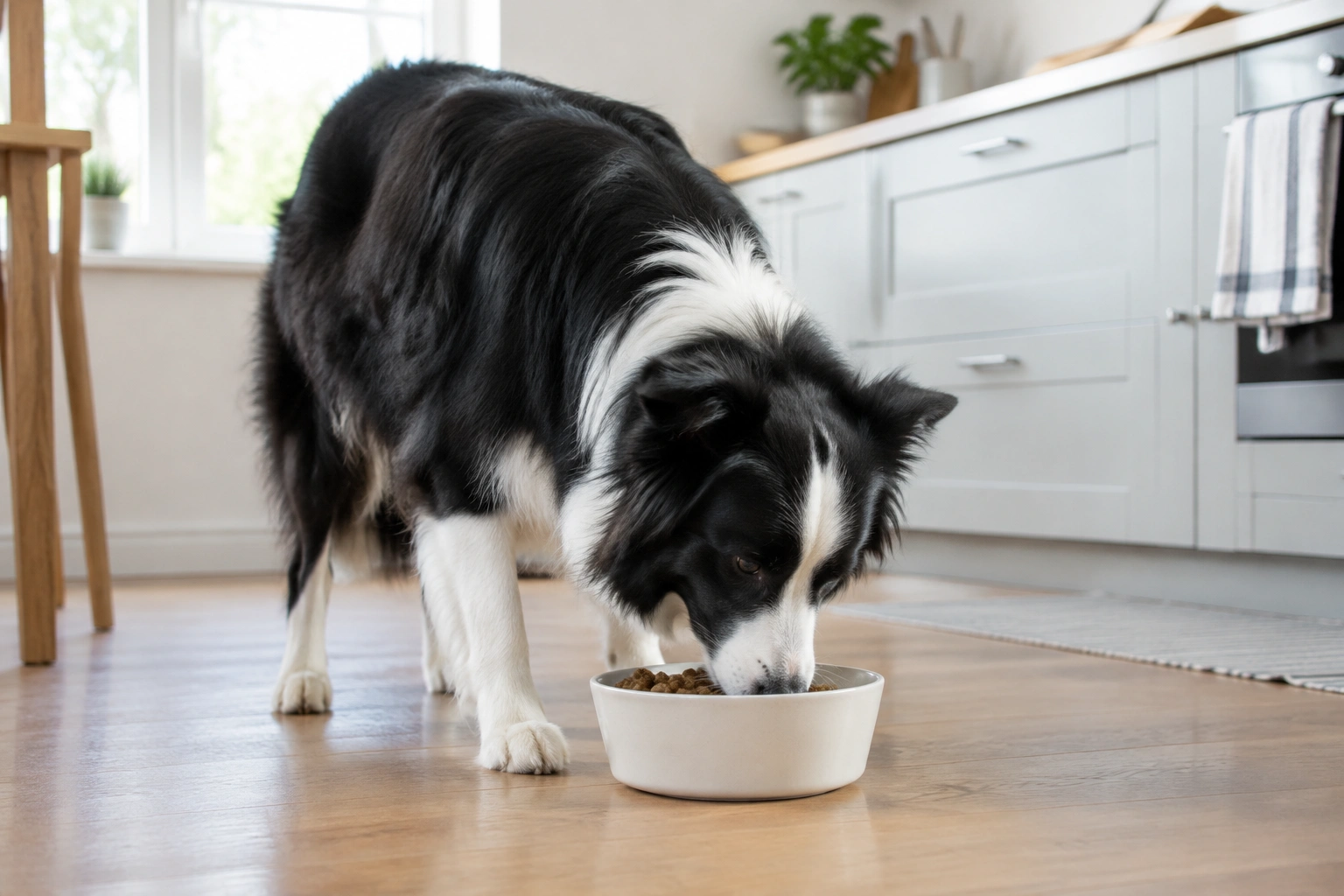
The short answer is yes, dogs can lose enthusiasm for the same food over time. But in practice, a dog “getting sick of” food is only one possible explanation. Appetite changes are just as often caused by nausea, dental pain, stress, routine disruption, or illness. That is why the safest response is not to assume boredom first.
If your dog is only a little less excited about dinner, you may be dealing with a preference issue. If the change is sudden, repeated, or paired with other symptoms, treat it as a health question until a vet says otherwise.
Can Dogs Get Sick of Their Food?
Dogs can lose interest in the smell, flavor, and texture of food they have eaten for a long time. The AKC notes that some dogs may seem bored with the same food, and that older or poorly stored food can lose appeal. Treats can seem more exciting because they bring different textures and stronger smells.
That said, “boredom” is not the default explanation for a dog refusing meals. Appetite is sensitive. A dog that seems tired of food may actually be reacting to something else:
- a stale bag or storage problem
- a mild stomach upset
- stress from a schedule change
- dental discomfort
- pain or illness
A useful rule: if the dog still eats eagerly when you add toppers, hand-feed, or offer something more aromatic, the issue may be palatability or routine. If the dog refuses even high-value food, the concern shifts toward nausea, pain, or illness.
Boredom vs. Food Aversion vs. Illness: What’s Actually Going On?
This is the decision framework I use with owners: look at onset, body language, and the rest of the day, not just the empty bowl.
1) Simple boredom or preference change
This tends to be gradual. The dog still acts normal, still wants treats, and still eats eventually, just with less enthusiasm.
2) Food aversion
This often happens after a bad association. A dog that felt nauseous after a meal may start avoiding that food, even if the food itself is not the cause. The dog may sniff and walk away, or eat only when very hungry.
3) Medical appetite loss
This is the one that matters most. The Kennel Club explains that being off food can be one of the first signs a dog is ill, especially when the change is sudden. Causes can include tooth pain, stomach bugs, pancreatitis, cancer, pain, or problems involving the heart, lungs, liver, or pancreas.
Here is a practical comparison:
| Possible cause | Typical onset | Other signs you may see | Best next step |
|---|---|---|---|
| Boredom / preference | Gradual | Eats treats, acts normal, waits for toppers | Review routine, freshness, feeding setup |
| Stress / routine change | Often after a disruption | Pacing, clinginess, hiding, altered sleep | Reduce stressors, keep schedule steady |
| Nausea / GI upset | Sudden or after a food change | Lip licking, drooling, vomiting, diarrhea | Stop guessing and monitor closely; vet if it persists |
| Dental pain | Gradual or sudden | Chewing on one side, dropping food, bad breath | Vet exam, especially if chewing looks awkward |
| More serious illness | Often sudden | Lethargy, pain, weight loss, vomiting, diarrhea | Call a veterinarian promptly |
The key distinction is this: boredom does not usually make a dog look unwell. Illness often does.
How Long Can a Healthy Dog Skip Meals Before You Worry?
A healthy adult dog can occasionally skip one meal and still be fine, especially if the dog is otherwise bright, energetic, and drinking normally. That is not unusual.
This “one missed meal” guideline is not universal. Puppies, senior dogs, small dogs, and dogs with conditions like diabetes or other chronic medical risks may need faster veterinary attention.
The concern rises when the refusal is repeated or out of character.
Use this simple threshold:
- One missed meal in a generally healthy adult dog: watch closely, but don’t panic if the dog is otherwise normal.
- Two missed meals in a row: start treating it as a problem worth investigating.
- Any sudden refusal plus other symptoms: contact a vet sooner.
For a Border Collie, context matters. A dog that usually eats with enthusiasm and suddenly skips breakfast after years of normal appetite deserves more attention than a naturally slow eater who occasionally leaves kibble behind.
If your dog is still active, drinking, and interested in walks, you may have a short window to observe. If the dog is quiet, nauseous, or painful, the clock matters less than the symptom pattern. And if the dog also refuses water, seems weak, or shows signs of dehydration, seek veterinary care promptly.
Red Flags That Point to a Medical Problem, Not Pickiness
These are the signs that move appetite loss out of the “maybe bored” category:
- vomiting
- diarrhea
- lethargy or unusual quietness
- obvious pain or stiffness
- weight loss
- bad breath, drooling, or pawing at the mouth
- chewing on one side only
- repeated sniffing and walking away from food
- drinking more or less than usual
- sudden change in appetite, especially in a dog that normally eats well
Dental disease deserves particular attention because eating can become uncomfortable long before a dog stops trying to act normal. If your dog takes food, drops it, chews slowly, or favors one side of the mouth, don’t assume fussiness.
If the appetite loss comes with vomiting or diarrhea, a food ingredient may not agree with the dog, but that still does not prove boredom. It may reflect GI upset, intolerance, or another problem that needs veterinary guidance.
Why Dogs Stop Wanting Food: Common Behavioral and Environmental Causes
Not every appetite change is medical. Dogs are sensitive to context, and Border Collies are especially tuned in to routine.
Stress and routine changes
Travel, visitors, house moves, a new work schedule, noisy construction, or even a changed feeding time can reduce appetite. Some dogs eat less when they feel uncertain, then return to normal once life settles.
Too many extras
If a dog learns that refusing kibble leads to toppers, table scraps, or a different food, the bowl becomes a negotiation. The dog may not be “stubborn”; it may simply be waiting for the better reward.
Inconsistent feeding patterns
Free-feeding one week, scheduled meals the next, and random treats throughout the day can make appetite harder to read. A consistent routine gives you cleaner information. If the dog stops eating in a stable routine, that change is easier to trust.
Stale or less appealing food
Food can lose aroma over time, especially if the bag is not sealed properly. That can matter because smell strongly influences canine interest in meals.
A practical test: if the dog eats the same kibble more readily when it is fresh, slightly warmed, or mixed with a small amount of wet food, the issue may be palatability rather than a true refusal.
Should You Change the Food or Keep Feeding the Same Diet?
This is where owners often make the wrong move too quickly.
Keeping the same food has a real advantage: digestive stability. If the dog’s stomach is sensitive, frequent changes can create diarrhea or vomiting. That makes the original problem harder to read.
Changing the food can help if:
– the food is stale or poorly stored
– the dog seems genuinely bored but otherwise healthy
– the current food repeatedly triggers loose stool or vomiting
– your vet recommends a different diet for a medical reason
Do not change food first if:
– the refusal was sudden
– the dog is lethargic or painful
– there is vomiting, diarrhea, or weight loss
– the dog is refusing even favorite foods
In those cases, appetite loss is a symptom, not a preference problem.
A good rule is to ask: “Am I trying to make the meal more interesting, or am I trying to solve a health issue?” Those require different responses.
How to Switch Foods Safely Without Triggering GI Upset
If you do decide to change food, do it gradually unless your veterinarian tells you otherwise. Sudden changes can trigger GI upset even when the new food is perfectly fine.
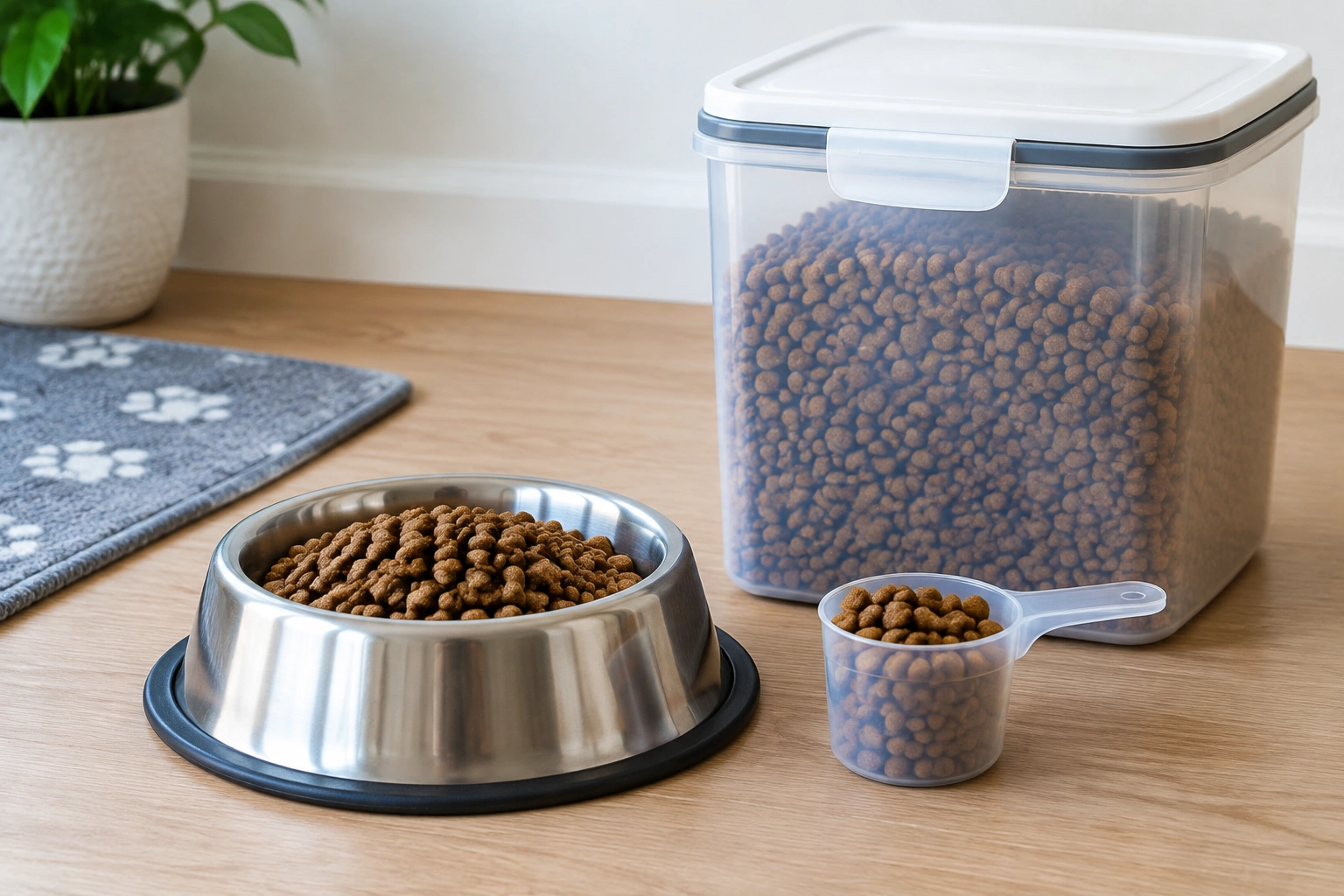
A steady transition usually works best over several days:
– mix a small amount of the new food into the old food
– increase the new food slowly
– watch stool quality and appetite during the change
The reason is simple: the gut likes predictability. Abrupt changes can overwhelm a dog’s digestive system and make it look like the new food “doesn’t agree” with the dog when the problem was actually the speed of the switch.
If your dog already has a sensitive stomach, keep the transition even more conservative. One food change at a time gives you a clean read.
Ways to Improve Meal Interest Without Creating a Picky Eater
You can make food more appealing without turning dinner into a daily performance.
Keep meal times predictable
Offer food at set times, then remove it after a reasonable window if the dog does not eat. That teaches the dog that meals are routine, not a buffet that changes based on mood.
Protect freshness
Store food sealed, cool, and dry. If the food smells flat to you, it probably smells flat to your dog.
Use toppers sparingly
A small topper can help with a temporary appetite dip, but frequent add-ons can train the dog to wait for upgrades. If you use toppers, keep them limited and temporary rather than adding them at every meal. For example, a teaspoon or two of plain canned dog food or warm water mixed into the bowl can be enough for a short stretch, but it should not become the default.
Reduce competition with treats
If the dog gets a lot of training treats, especially close to mealtime, the main bowl may simply be less interesting. This is common in highly food-driven dogs.
Try a modest texture change
Some dogs prefer a bit of wet food mixed in, while others do better with the crunch of dry food. The goal is not novelty for its own sake. The goal is a meal the dog will eat reliably without needing constant novelty.
For more on mouth comfort and dental warning signs, see our guide on how often dogs should get their teeth cleaned.
Border Collies and Other High-Drive Dogs: Special Considerations
Border Collies can be intensely motivated by food, but that does not make them immune to appetite loss. In fact, their usual enthusiasm can make a problem stand out faster.
A Border Collie that normally eats instantly and then suddenly refuses breakfast is not “being dramatic.” That is a meaningful change. Because these dogs are often active, owners sometimes assume they are too busy or distracted to eat. Sometimes that is true. But if the dog is also quieter than usual, less sharp, or less interested in work, the issue may be physical rather than behavioral.
High-drive dogs can also mask discomfort well. A dog may still want to chase a ball, but hesitate over food because chewing hurts or the stomach feels off. Do not use play drive as proof that everything is fine.
When to See a Veterinarian or Certified Trainer
For appetite problems, the veterinarian comes first when health is in question. A certified trainer can help later if the dog is healthy but has learned picky eating habits.
See a veterinarian promptly if:
– the dog suddenly stops eating
– refusal lasts more than a meal or two
– vomiting or diarrhea is present
– you notice lethargy, pain, weight loss, or drooling
– chewing looks uncomfortable
– the dog refuses food and water, or seems weak
– you notice signs of dehydration
If the dog is healthy but has become selective, a trainer can help you clean up mealtime routines so the dog stops holding out for extras.
If you are considering raw food because your dog seems bored, talk to your vet first. The CDC advises speaking with a veterinarian before feeding raw food, and the FDA reports that raw pet food can be contaminated with disease-causing bacteria. That is a general food-safety concern, especially for young pets and dogs with weakened immune systems or other health conditions.
If you want to understand broader dental timing and how mouth discomfort can affect eating, our article on how often dogs should get their teeth cleaned is a useful next step.
FAQ: Can Dogs Get Sick of Their Food?
Can dogs really get bored of the same food?
Yes, some dogs do lose interest in the same smell, flavor, and texture over time. But boredom is only one possibility, and it should not be your first assumption if the change is sudden.
Is my dog picky or sick?
Picky eating is usually gradual and the dog still seems normal otherwise. Illness-related appetite loss is more likely to be sudden and paired with signs like vomiting, diarrhea, lethargy, pain, or chewing changes.
How long can a healthy dog go without eating?
One missed meal can happen in a generally healthy adult dog. Two missed meals in a row, or any refusal with other symptoms, is enough reason to pay close attention and consider a vet call. Puppies, seniors, and dogs with medical conditions need faster attention.
Should I switch dog foods if my dog seems bored?
Maybe, but only if the dog is otherwise well and the food itself seems stale or unappealing. If the refusal is sudden or comes with illness signs, don’t use a food switch to mask a medical issue.
Do toppers help?
They can, especially for temporary appetite dips. The trade-off is that frequent toppers can create a dog that waits for extras instead of eating the base diet.
Can stress make a dog stop eating?
Yes. Travel, schedule changes, new environments, and household disruption can all reduce appetite. If the dog returns to normal once the routine settles, stress was likely part of it.
When should I call the vet?
Call sooner if the appetite change is sudden, persistent, or paired with vomiting, diarrhea, lethargy, pain, bad breath, weight loss, refusal of water, or signs of dehydration.
Are Border Collies more likely to do this?
Not necessarily more likely, but their high food motivation makes appetite changes easier to notice. A sudden shift in a usually eager eater should always get your attention.
