
Do Dogs Know They Are Loved? What Border Collie Owners Should Understand

If you live with a Border Collie, you already know the bond can feel intense. They notice everything: your tone, your timing, your habits, and your mood. So the real question is not whether dogs can sense connection. It is whether they understand that the care, structure, and affection you give them mean safety and belonging.
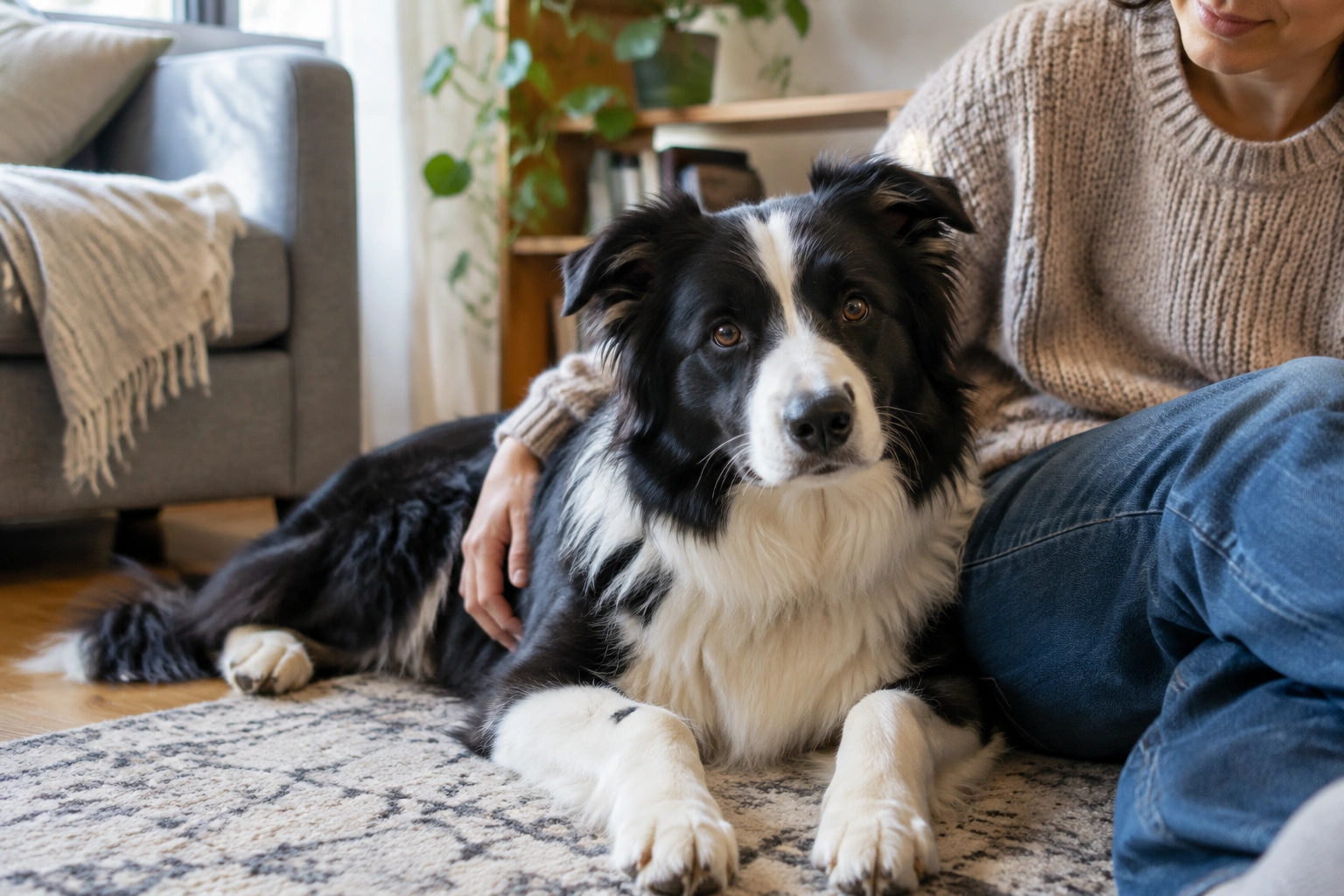
The short answer is yes, in a dog’s way.
Dogs may not understand “love” as humans do, with all the language and self-awareness that word carries. But they can recognize consistent care, emotional safety, and attachment. They learn who makes good things happen, who feels predictable, and who helps them feel secure. That is close to what most owners mean when they ask, do dogs know they are loved?
For Border Collies especially, that bond often shows up fast and clearly. These dogs are sensitive, observant, and highly tuned to their people. They do not just notice affection; they notice whether it is calm, reliable, and worth trusting.
Do Dogs Know They Are Loved? The Short Answer
Dogs likely do not “think” about love the same way people do. They are not sitting around translating affection into a human emotional story. But they do form strong social bonds with humans, and those bonds are built from repeated experiences: comfort, safety, reward, touch, play, and routine.
That matters because a dog does not need to understand the word love to feel its effects.
A dog that gets gentle handling, predictable meals, fair training, and regular interaction learns, over time, that you are a safe part of its world. That is why a dog may relax when you enter the room, follow you without panic, or settle beside you after a walk. Those are not abstract thoughts. They are behavioral signs of trust.
One useful way to frame it is this: human love is a feeling and a concept; canine attachment is a relationship built through experience.
How Dogs Perceive Human Affection
Dogs read the world differently from us. They rely heavily on body language, tone of voice, routine, and the emotional pattern around them. A cheerful “good dog” means more when it arrives in a calm, familiar rhythm than when it is shouted across the room. A hand on the chest means more when the dog chooses the contact than when it is forced.
Research and everyday observation both suggest that dogs are highly attuned to human cues such as facial expressions, voice tone, and posture. That fits what many owners see every day: dogs often respond to the whole package, not just one signal. A relaxed posture, soft voice, and predictable behavior can communicate safety more clearly than long cuddles or excited praise.
There is also some scientific discussion of oxytocin, a hormone involved in bonding in mammals. Rather than treating it as a simple “love chemical,” it is safer to say that calm, positive interaction between dogs and humans may support bonding in ways that involve both behavior and biology. You do not need to chase a chemical explanation to use the lesson. Slow, positive, low-pressure interaction tends to help dogs feel connected.
For a Border Collie, this can matter even more. Many are quick to notice tension. If your voice changes sharply or your body becomes hurried and inconsistent, they may register that as meaningful. They often respond best when affection is paired with clarity.
What a Secure Bond Looks Like in Real Dog Behavior
A secure bond is not just a dog that wants to be near you. It is a dog that can be near you and also cope when you are not immediately available.
Look for these practical signs:
- The dog chooses to stay close, but can also relax at a distance.
- Body posture softens during petting instead of stiffening.
- The dog greets you with interest, then settles rather than spiraling into panic.
- It checks in with you during walks or play, but does not seem frantic.
- It accepts handling without constantly trying to escape or freeze.
A dog leaning into gentle petting, softening its body, and staying nearby after calm interaction is usually a better sign of trust than a dog that demands constant contact. The first dog is saying, “This feels good.” The second may be saying, “Do not leave me alone with my feelings.”
That distinction matters.
A Border Collie that follows you from room to room but can settle when you sit down, work, or leave briefly is often showing attachment in a healthy way. That is different from distress. A dog that cannot relax unless it is physically touching you may be telling a different story.
How to Show Love in Ways Dogs Actually Understand
The best affection is the kind your dog actively enjoys. Not all dogs want the same thing, and not every kind of closeness feels comforting.
Use this decision rule: if the dog seeks the interaction, relaxes into it, and stays physically loose, it probably likes it. If it turns away, stiffens, licks its lips, or leaves, the style of affection needs adjusting.
Here is what usually communicates care well:
1. Predictable routines
Routine is not glamorous, but it is one of the strongest ways to make a dog feel secure. Meals, walks, training, and rest that happen in a fairly stable pattern reduce uncertainty. Dogs do not need a rigid military schedule, but they do benefit from knowing what comes next.
2. Calm praise
Praise works best when it marks behavior the dog understands. A quiet “yes” or “good” during the exact moment of desired behavior is often more useful than a flood of excited noise. Border Collies in particular often respond well to crisp, well-timed feedback.
3. Positive reinforcement
Reward-based training tells your dog that paying attention to you is worthwhile. It is one of the clearest ways to build trust because it makes you predictable. You become the source of fair outcomes, not random corrections.
4. Play with structure
Fetch, tug, and herding-style games can all strengthen the bond if they are controlled and mutually enjoyable. The goal is not just to tire the dog out. It is to create a shared rhythm where the dog learns that engagement with you is rewarding.
5. Touch the dog wants
Some dogs love chest scratches. Others prefer a brief shoulder rub or a calm hand resting nearby. Many tolerate hugs but do not enjoy them. Let the dog choose the type and length of contact.
If you want a simple rule: give more of what the dog asks for, and less of what it politely avoids.
When Affection Helps vs. When It Feels Overwhelming
Affection is not automatically soothing. In some dogs, especially sensitive ones, too much closeness can create pressure.
Signs affection may be too intense include:
- turning the head away
- lip licking
- yawning when not tired
- stiffening under your hand
- tucked tail
- moving away after contact
- frozen posture during hugging or face-to-face closeness
These are not proof that your dog dislikes you. They are clues that the current style of affection is uncomfortable.
The trade-off is straightforward: the more physically intense the affection, the more likely it is to overwhelm a dog that values space or control. A calm side-by-side presence often works better than face-to-face hugging. Many dogs would rather lie near you than be pinned against you.
That is especially worth remembering with Border Collies. Their sensitivity can make them deeply affectionate, but also more easily overstimulated by emotional intensity, constant handling, or chaotic attention.
Healthy Attachment or Separation Anxiety?
This is one of the most important distinctions to make.
Healthy attachment means your dog enjoys your company, looks to you for guidance, and settles when the situation calls for it. Separation anxiety means your dog struggles to cope when you are absent.
Healthy attachment may look like:
- following you from room to room, then lying down
- greeting you warmly without panic
- resting alone for periods of time
- staying calm when you step out briefly
Separation anxiety may look like:
- distress when you prepare to leave
- excessive vocalizing
- destructive behavior only when alone
- inability to settle after departure
- panic-level reactions to your absence
A dog can be deeply bonded and still be emotionally stable when apart. That is the goal. Bonding should create confidence, not dependence.
If your dog seems glued to you, ask one practical question: can it relax when you are out of sight? If the answer is no, you may be dealing with anxiety rather than affection.
Do Border Collies Bond Differently?
Often, yes, in ways that owners notice quickly.
Border Collies are usually highly responsive to their people. They tend to watch closely, learn fast, and care a great deal about patterns. That makes them excellent companions for owners who value communication, but it also means they can be more sensitive to inconsistency.
Three traits matter here:
Sensitivity
Many Border Collies react strongly to tone, timing, and household tension. They often do better with calm, clear handling than with emotional swings.
Work drive
These dogs usually feel best when their brains and bodies have a job. A bored Border Collie may cling, pace, or invent jobs you did not ask for. Sometimes what looks like neediness is really under-stimulation.
Responsiveness to structure
A Border Collie often bonds strongly through training, routines, and shared tasks. That does not mean it wants less affection. It means affection often works best when it is tied to clarity and purpose.
So yes, Border Collies may bond intensely. But intensity is not the same as emotional health. The best bond is steady, not frantic.
Practical Ways to Strengthen Trust and Emotional Security
If you want your dog to feel loved in the way dogs understand love, focus on consistency more than intensity.
Build a reliable daily pattern
Keep meals, walks, potty breaks, and rest periods reasonably predictable. Even small routines help. A dog that knows what happens next spends less energy worrying.
Use training as connection, not just correction
Short, positive sessions teach the dog that interaction with you is safe and rewarding. For a Border Collie, five focused minutes can do more for the relationship than twenty scattered minutes of attention.
Match affection to the dog’s preference
Some dogs want physical closeness. Others want proximity without pressure. Watch how the dog initiates contact, and follow that lead.
Reward calm behavior
Do not only engage when the dog is excited. Quietly reinforce settling, lying down, and relaxed checking-in. That teaches emotional stability.
Give the dog a job
This does not have to be formal herding work. Scent games, obedience practice, place work, and structured fetch can all help a Border Collie feel useful and connected.
Respect recovery time
A dog that is always on with you is not necessarily bonded well. It may be overstimulated. Build in pauses where nothing is demanded.
For readers who want more on behavior that can look like bonding but actually signals a different issue, our guide on whether dogs can be allergic to other dogs is useful for separating discomfort from behavior problems, and our article on what’s normal when dogs are in heat can help you spot when restlessness is physical rather than emotional.
When to See a Veterinarian or Certified Trainer
Some dogs need more than better affection habits.
Consider professional help if your dog:
- panics when left alone
- cannot settle even after exercise and training
- guards you from others in a tense or aggressive way
- shows repeated stress signals during normal affection
- becomes destructive, vocal, or frantic during departures
- seems unable to relax unless constantly touching you
A veterinarian can rule out pain or medical issues that sometimes change behavior. A certified trainer or behavior professional can help if the issue is anxiety, overattachment, or poor coping skills. Do not wait until the pattern gets worse.
The earlier you address distress, the easier it is to help the dog feel secure again.
FAQs
Do dogs know they are loved even if I am not cuddly?
Yes, often they do. Dogs can read consistency, tone, routine, and behavior. A calm, reliable owner can communicate care very effectively without constant hugging.
Can dogs feel love the way humans do?
Not exactly. Dogs form attachment and security bonds, but human love includes layers of reflection, language, and self-awareness that dogs do not appear to experience in the same way. Even so, dogs can clearly recognize care, affection, and safety.
What are the clearest signs my dog feels safe with me?
Relaxed body language, choosing to stay nearby without panic, easy recovery after separation, and accepting touch or handling without stress are strong signs.
Is it possible to love my dog too much?
The problem is usually not too much love. It is too much pressure. If affection becomes constant, intense, or hard for the dog to escape, it can feel overwhelming.
Are Border Collies more attached than other breeds?
Many Border Collies are highly responsive and people-focused, but individual temperament matters more than breed label alone. Some are very cuddly; others prefer working interaction over physical affection.
How do I know if my dog has separation anxiety instead of normal attachment?
Look at what happens when you leave. Calm resting, temporary alertness, and easy settling are normal. Panic, vocalizing, destruction, and inability to relax suggest anxiety.
Final Takeaway
So, do dogs know they are loved? In the human sense, probably not. In the dog sense, very often yes.
They know when life with you feels safe, predictable, fair, and rewarding. They know when your presence brings comfort instead of pressure. And for many Border Collies, that understanding is built less through grand displays and more through quiet consistency, good timing, and daily trust.
Dogs experience attachment and security differently from humans, but they can still clearly recognize care and affection. If you want your dog to feel loved, do not aim for the biggest gesture. Aim for the clearest one.
