
How Long Does Dog Dental Cleaning Take? A Practical Timeline for Dog Owners

If you’re booking a dental cleaning for your dog, the first question is usually the simplest one: how much of your day will this actually take?
The short answer is that a routine professional dog dental cleaning is often a same-day procedure, but the total clinic time is usually much longer than the time your dog spends under anesthesia. In many cases, the visit can involve a morning drop-off and afternoon pickup, though timing varies by clinic and case complexity. If the vet finds heavy tartar, gum disease, or teeth that need removal, the visit can stretch longer.
How Long a Dog Dental Cleaning Usually Takes
A routine dental cleaning can be fairly efficient, but “efficient” does not mean “quick in and out.”
In practical terms, most of the time is spent on:
– pre-anesthetic checks,
– anesthesia setup,
– dental X-rays,
– scaling and polishing,
– charting,
– monitoring during recovery.
The actual cleaning portion may not take as long as owners expect, but the full process is built around safety and completeness. That is why a dental appointment often takes most of the day, even when the dog goes home the same afternoon.
If the case is simple, the dog may be under anesthesia for a relatively limited period. If the mouth is more complicated, the procedure can take much longer because the vet has to work tooth by tooth and decide whether any teeth are beyond saving.
Drop-Off to Pickup: The Full Vet Visit Timeline
The biggest misunderstanding owners have is confusing procedure time with hospital time.
A typical day may look something like this:
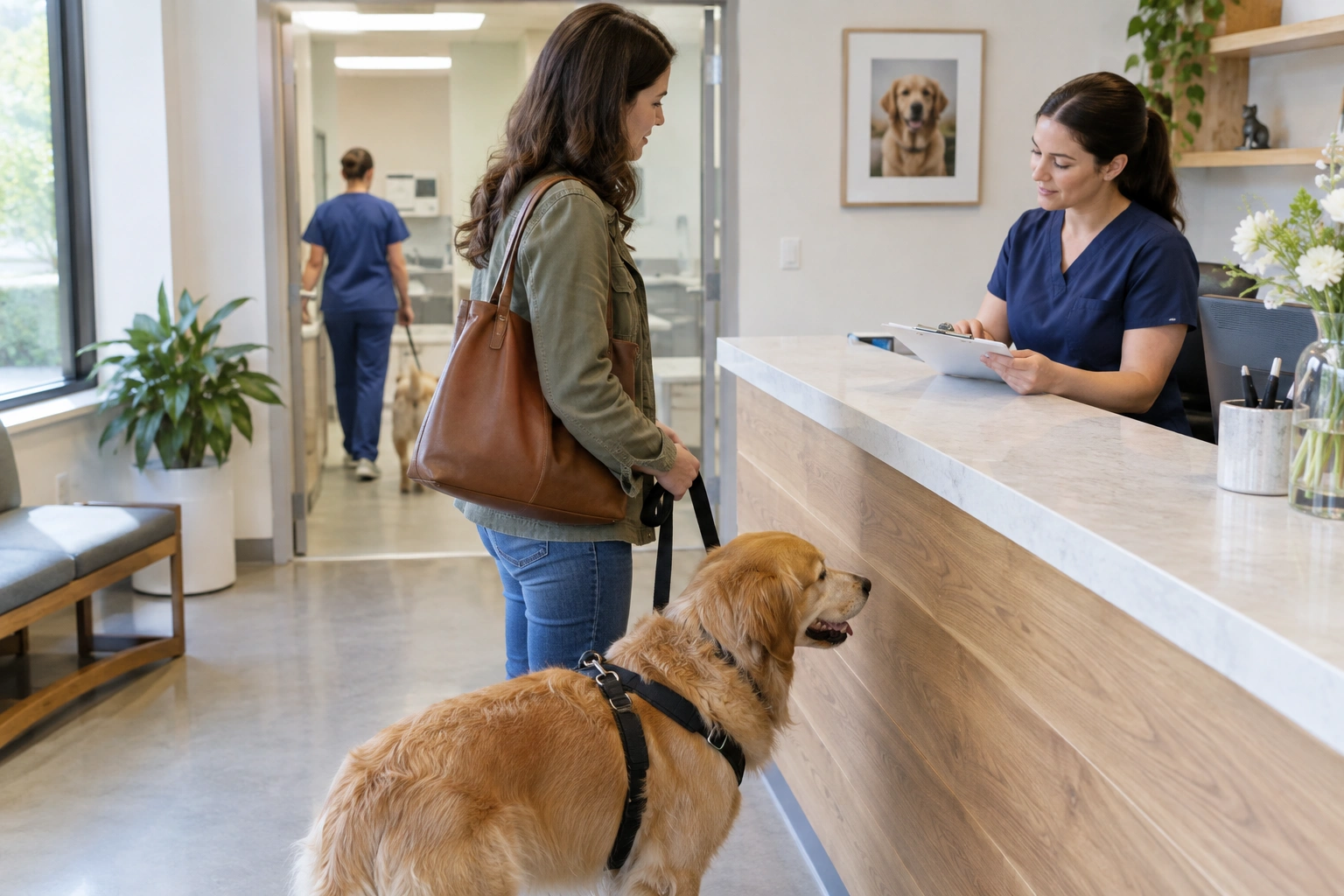
1. Drop-off and check-in
You arrive in the morning, sign consent forms, and review the plan. The clinic may confirm fasting instructions and ask about medications or recent illness.
2. Pre-anesthetic exam and bloodwork
Many clinics recommend a physical exam before anesthesia, and pre-anesthetic bloodwork may be advised depending on age, health, and medical history. This step helps the veterinarian decide whether it is safe to proceed and whether any adjustments are needed.
If bloodwork reveals a concern, the vet may postpone the procedure. That can be frustrating, but it is often the right call.
3. Anesthesia and dental work
Once the dog is anesthetized and monitored, the vet performs the oral exam, dental X-rays, cleaning, and any treatment needed.
4. Recovery monitoring
After the procedure, the dog wakes up under supervision. The team watches for comfort, alertness, and stable vital signs before discharge.
5. Pickup and home instructions
You usually get a review of what was found, whether any teeth were removed, what pain relief is needed, and how to feed your dog that evening.
So if you are asking, “How long does a dog dental cleaning take from start to finish?” the honest answer is: plan for a full day unless your clinic tells you otherwise.
What Happens During a Professional Dog Dental Cleaning
A thorough dental cleaning is more than removing visible yellow buildup.
Here is where the time goes:
Oral exam
The vet examines the mouth carefully, looking for loose teeth, gum recession, broken teeth, swelling, and pockets around the teeth.
Dental X-rays
This is one of the biggest differences between a real veterinary dental cleaning and a surface-level clean. X-rays help the vet see problems hidden under the gums, including root disease, bone loss, and teeth that may need extraction.
Scaling
Scaling removes plaque and tartar from above and below the gumline. The below-the-gumline work is especially important because that is where periodontal disease develops.
Polishing
After scaling, the teeth are polished to smooth the enamel. That makes it harder for plaque to cling to the surface again right away.
Charting and treatment planning
The vet records what was found tooth by tooth. If something looks suspicious, that gets noted for follow-up or treatment.
This is why a professional cleaning takes longer than many people expect. It is not just a cosmetic service; it is a medical procedure.
For a broader look at canine teeth and why dental care matters, you may also find this practical guide to how many teeth dogs have useful.
What Makes the Procedure Shorter or Longer
A dog with a healthy mouth and only mild tartar will usually move through the process faster than a dog with advanced dental disease.
The main factors are:
Amount of tartar and plaque
Heavy buildup takes longer to remove, especially if it has been sitting for a long time.
Gum disease
Periodontal disease adds time because the vet has to assess each tooth more carefully, and the tissues may be inflamed or infected.
Number of teeth involved
A mouth with one problem tooth is very different from a mouth with multiple loose or damaged teeth.
Need for dental X-rays
X-rays are valuable, but they add time to the appointment. They are especially important when the vet suspects hidden disease.
Cooperation before anesthesia
Some dogs need a little more pre-op handling time because of anxiety, age, or medical complexity.
Medical concerns
Older dogs or dogs with heart, kidney, or endocrine disease may need extra caution, more monitoring, or additional workup before anesthesia.
A useful way to think about it is this: the healthier the mouth, the more likely the appointment is to stay on the routine end of the timeline. The more diseased the mouth, the more the vet has to investigate and treat.
How Extractions Change the Appointment and Recovery
Extractions are the biggest reason a dental cleaning takes longer.
A routine prophylactic cleaning is mostly about cleaning and assessment. Once teeth need removal, the visit becomes a treatment procedure. That means:
– more anesthesia time,
– more charting,
– more pain management,
– more discharge instructions,
– sometimes a longer recovery period before pickup.
A single extraction may not change the day dramatically, but multiple extractions can add a meaningful amount of time. The vet may need to take additional X-rays, suture the gum tissue, and make sure bleeding is controlled before the dog wakes up.
The trade-off is simple: extractions make the appointment longer, but they may also remove a painful source of infection or inflammation. If a tooth cannot be saved, leaving it in place usually creates more trouble later.
Dogs that need extractions are also more likely to go home with clearer feeding restrictions and more detailed aftercare instructions.
Why Anesthesia Is Usually Required
This is the part many owners ask about most.
For a proper dental cleaning, anesthesia is usually required because it lets the vet:
– examine the whole mouth safely,
– clean below the gumline,
– take dental X-rays,
– treat painful areas without stressing the dog,
– work thoroughly and accurately.
Anesthesia-free cleaning may sound faster, but it is not the same thing. It generally cannot provide the same level of exam, cleaning, or diagnostic detail. That is why professional veterinary dental care is usually done under anesthesia: it is about completeness and safety, not convenience.
For more general veterinary guidance on dental care and oral disease, the American Veterinary Medical Association and VCA Hospitals both have helpful owner resources.
What to Expect Before the Appointment
Preparation can affect timing more than owners realize.
Your clinic may ask for:
– fasting before anesthesia,
– a review of current medications,
– pre-anesthetic bloodwork,
– a recent exam if your dog has not been seen in a while.
Fasting is commonly used because it reduces the risk of vomiting around anesthesia. Your vet will tell you exactly when to stop food and whether water is allowed.
If bloodwork is recommended, it may be done ahead of time or on the day of the procedure. The purpose is to look for problems that could change the anesthesia plan. If the results are concerning, the vet may delay the dental cleaning until the issue is addressed.
That can be inconvenient, but it is often the safer option. A delayed procedure is better than pushing ahead with anesthesia when the dog needs more evaluation first.
What Recovery Looks Like After Pickup
Most dogs go home the same day, but they are not usually back to normal immediately.
In the first 24 hours, expect:
– grogginess or quiet behavior,
– a smaller appetite,
– some drooling if the mouth is sore,
– a need for pain medication if extractions were performed,
– close supervision at home.
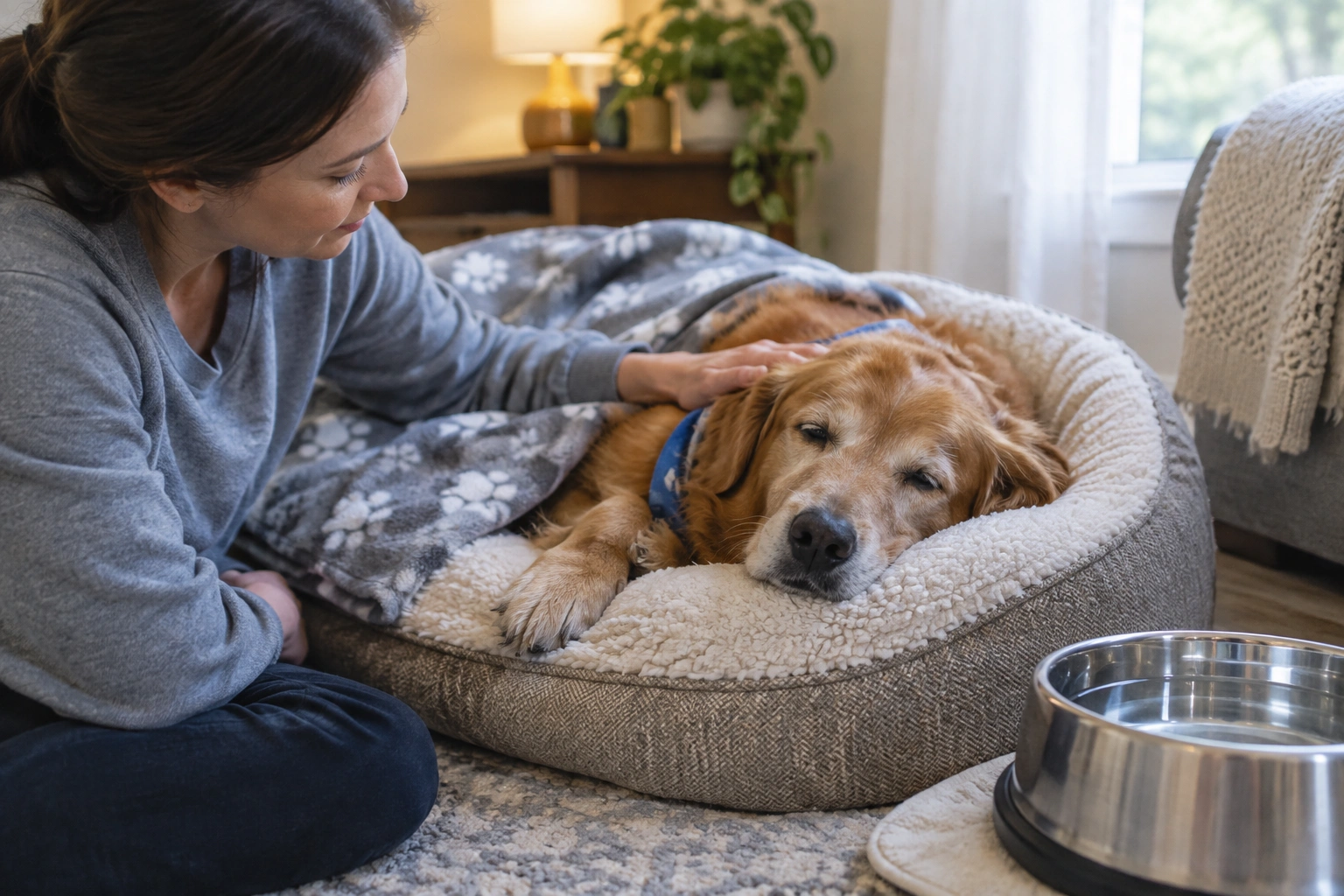
Many dogs are interested in food later that day, but the vet may recommend a softer meal or a modified feeding plan if teeth were removed. Follow the discharge instructions exactly, especially if your dog had extractions or significant periodontal disease.
Call the vet if you notice:
– repeated vomiting,
– heavy or ongoing bleeding,
– severe swelling,
– refusal to eat beyond the expected window,
– extreme lethargy that does not improve,
– signs of obvious pain that are not controlled.
A dog should be a little sleepy after anesthesia. A dog that seems to be getting worse instead of gradually improving needs a phone call.
When a General Vet Is Enough vs When to See a Veterinary Dentist
Not every dog needs a specialist, but some do.
A general veterinarian is often a good fit when:
– the dental disease appears mild to moderate,
– the cleaning is likely routine,
– only a small number of teeth may need attention,
– the dog is otherwise medically stable.
A veterinary dentist is worth considering when:
– the mouth looks severely diseased,
– multiple extractions are likely,
– the dog has complicated root or jaw issues,
– there is a history of repeated dental problems,
– your vet recommends advanced care.
The practical decision rule is this: if the case seems simple, a general vet may be enough; if the mouth is likely to need extensive treatment, a veterinary dentist can be the better choice. That may change the timeline, but it can also improve the quality of care in a complex case.
For breed owners who like to compare notes and plan ahead, the American Kennel Club’s dog health resources can also be a helpful starting point for broader care context.
Quick Comparison: Routine Cleaning vs Cleaning With Extractions
| Type of procedure | Total clinic time | Time under anesthesia | Recovery/discharge | Best fit |
|---|---|---|---|---|
| Routine cleaning | Usually same-day, often most of the day | Shorter to moderate | Same-day pickup is common | Mild tartar, limited disease |
| Cleaning with extractions | Often longer and less predictable | Longer | Pickup may still be same-day, but monitoring is more involved | Loose, infected, or painful teeth |
| Complex dental case | Can take the whole day or require referral | Often longer | May need more detailed aftercare | Advanced periodontal disease or multiple problem teeth |
This table is only a planning tool. Your vet’s estimate matters more than any general rule, because every mouth is different.
A Simple Way to Plan Your Day
If you are scheduling a dog dental cleaning, block off the day as if your dog will be at the clinic from morning to afternoon. Arrange transport so you are not rushing pickup. If your dog is older, has health issues, or may need extractions, assume the appointment could run longer.
That kind of buffer is useful for you and safer for your dog. A dental visit is one of those appointments where the best outcome usually comes from allowing the team enough time to do the work properly.
When to See a Veterinarian
Book the dental appointment sooner if you notice bad breath, visible tartar, bleeding gums, pawing at the mouth, dropping food, or chewing on one side. Those signs often mean the dog is already uncomfortable.
If your dog is anxious about handling or vet visits, let your clinic know ahead of time so they can suggest ways to make the appointment smoother.
FAQs
How long does a dog dental cleaning take from start to finish?
Most owners should plan for a same-day clinic visit that takes most of the day. The exact time depends on the dog’s mouth, whether X-rays are needed, and whether extractions are required.
How long is a dog under anesthesia for dental cleaning?
That varies by case. A straightforward cleaning is usually shorter than a cleaning that includes X-rays, charting, and extractions. Your vet can give a better estimate after the oral exam.
Can a dog eat after a dental cleaning?
Often yes, but follow the discharge instructions. If your dog had extractions, the vet may recommend softer food or a temporary feeding change.
Does gum disease make the cleaning take longer?
Yes. Gum disease usually means more detailed cleaning, more careful assessment, and sometimes extra treatment such as tooth removal.
Is a dental cleaning ever an overnight stay?
Sometimes, but many routine cleanings are same-day procedures. More complex cases, medical concerns, or extensive extractions may require longer monitoring.
What should I ask the vet before scheduling?
Ask whether your dog needs pre-anesthetic bloodwork, whether X-rays are included, whether extractions are likely, and whether the clinic expects same-day discharge.
Is anesthesia-free cleaning the same as a real cleaning?
No. It generally does not provide the same level of cleaning or examination, especially below the gumline and around the roots of the teeth.
How do I know if my dog needs a specialist?
If the mouth looks severely diseased, multiple teeth may need removal, or your vet is concerned about complicated dental issues, a veterinary dentist may be the better choice.
