
What Causes Yeast in Dogs’ Ears? A Practical Guide for Border Collie Owners

Yeast in a dog’s ear is usually not the real problem. It is the result of an ear environment that has changed enough for Malassezia yeast to multiply beyond normal levels.
That distinction matters. If you only treat the smell or the discharge, the ear may calm down for a while and then flare up again. Recurrent ear yeast usually means something else is driving the cycle: allergies, moisture, inflammation, wax buildup, or a structural issue that makes the ear harder to keep dry and healthy.
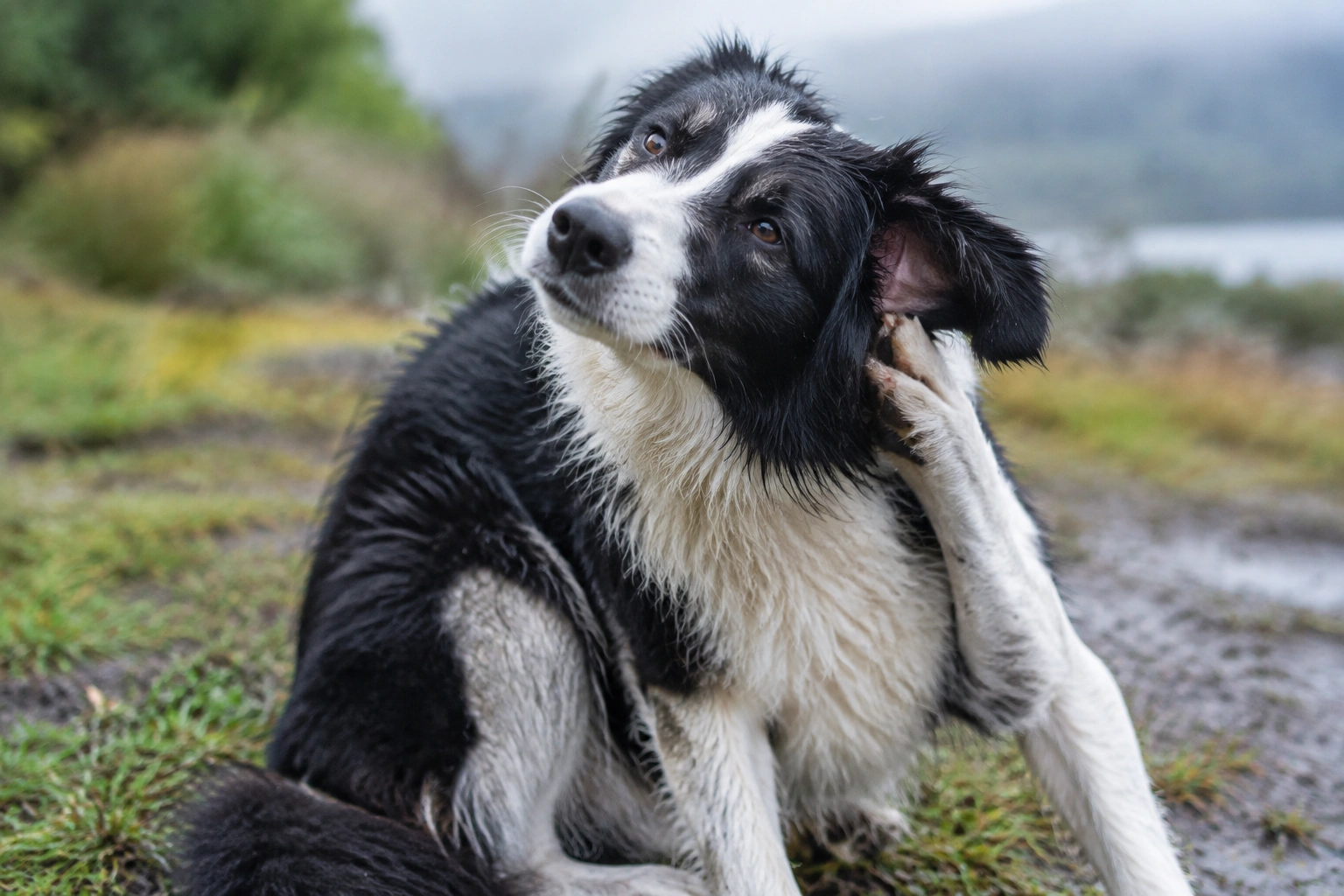
Border Collies are not the classic “floppy-eared” breed people think of first, but they are active dogs. That means more time outdoors, more bathing or rinsing after mud and swimming, and more chances for irritation to build up unnoticed. If your dog keeps shaking his head, scratching at one ear, or developing a musty odor after wet weather, it is worth looking beyond the yeast itself.
What yeast in a dog’s ear actually is
A small amount of yeast can live on a dog’s skin and in the ear canal without causing trouble. Problems start when the ear canal becomes warm, moist, inflamed, or packed with debris. That gives yeast the kind of environment it prefers.
In most cases, the yeast involved is Malassezia, a organism commonly associated with dog skin and ear problems. The ear canal is a closed, sensitive space, so once inflammation starts, it can become a self-feeding loop:
- inflammation changes the ear environment
- wax and discharge increase
- yeast grows more easily
- the ear becomes itchier and more irritated
- the dog scratches or shakes, which adds more inflammation
That is why a yeast ear infection is usually called otitis externa when the outer ear canal is involved. The yeast is part of the picture, but the canal itself is what is inflamed.
The main causes and risk factors behind yeast ear infections
Allergies are one of the biggest drivers
If a dog keeps getting yeast in the ears, allergies are often part of the story. That may include environmental allergies, food-related sensitivities, or other skin disease that keeps the ears inflamed.
Here is the practical reason: an allergic ear is not just itchy. It is often red, swollen, and waxy, which creates a better environment for yeast. The infection may clear with treatment, but if the allergy remains active, the ear may flare again.
A useful clue is pattern. If the ears worsen during pollen season, after hikes through brush, or alongside paw licking and belly scratching, allergy management deserves attention.
Moisture can tip the balance
Water alone does not “cause” yeast, but moisture can make the ear canal more yeast-friendly. Swimming, frequent bathing, humid weather, or even a dog that does not dry well after exercise can all contribute.
This is especially relevant for dogs that:
- swim often
- get bathed regularly
- live in humid climates
- have lots of hair around the ear opening
- already have ear inflammation
A damp ear is not always an infected ear, but a damp, itchy ear is a common setup for trouble.
Wax buildup and poor ventilation matter
Some dogs naturally produce more wax. Others have ear canals that do not ventilate as well. If debris sits in the canal, it can trap moisture and feed irritation.
This is one reason overcleaning is not automatically the answer. Wiping away obvious debris can help in the right situation, but aggressive cleaning can also irritate already inflamed tissue and make the cycle worse.
Ear anatomy can increase risk
Dogs with narrow ear canals, heavy ear hair, or ears that trap warmth are often more prone to ear problems. Floppy ears are a common risk factor because they can reduce airflow, but ear shape is only one part of the equation.
A dog with upright ears can still get yeast if allergies, moisture, or inflammation are present. A dog with floppy ears may never have a problem if the ears stay healthy and dry. Anatomy raises risk; it does not decide the outcome.
Chronic skin disease and other health issues can contribute
Recurring yeast ear infections sometimes point to a larger health issue. Allergies are common, but endocrine disease, immune problems, or chronic skin inflammation can also make the ears easier for yeast to colonize.
If the same ear keeps relapsing, or both ears are affected again and again, the visible infection is often just the surface layer of a deeper issue.
How to recognize a yeast ear infection
The most common signs include:
- a musty, sweet, or “yeasty” odor
- scratching at the ear
- head shaking
- redness inside the ear flap or canal
- greasy brown or tan debris
- waxy discharge
- discomfort when the ear is touched
Some dogs become visibly miserable. Others just seem a little off, shake their head a few times a day, or avoid having the ear handled.
The catch is that these signs are suggestive, not definitive. Bacterial infections can look similar. Ear mites can also cause intense itching and debris. That is why odor and discharge are clues, not a diagnosis.
A practical rule: if the ear smells bad and your dog is scratching more than usual, do not assume it is “just wax.” That is the point where a closer look is usually worthwhile.
Yeast vs. bacterial ear infection vs. ear mites
Here is a simple comparison to help you think through the most common look-alikes.
| Problem | Common clues | What it often feels like | Why it matters |
|---|---|---|---|
| Yeast ear infection | Musty odor, greasy brown debris, redness, itchiness | Often itchy and uncomfortable, sometimes moderately painful | Usually needs antifungal treatment and attention to the trigger |
| Bacterial ear infection | Strong odor, more discharge, swelling, pain, sometimes pus-like material | Can be more painful and inflamed | Often needs different medication than yeast |
| Ear mites | Very intense itching, dark debris, head shaking, possible spread to other pets | Usually very irritating | Requires a different diagnosis and treatment approach |
The important takeaway is not that you can diagnose the exact cause at home. It is that the treatment changes depending on the cause. A product that helps yeast may do little for mites, and a mite treatment will not solve a bacterial infection.

When home care is reasonable and when a vet visit is needed
Home care may be reasonable if all of these are true
- the ear is only mildly irritated
- your dog is comfortable when you touch the ear
- there is no severe swelling, bleeding, or head tilt
- the problem is not recurring every few weeks
- a veterinarian has already ruled out a ruptured eardrum or another serious issue
In that situation, careful cleaning with a dog-safe ear cleaner may help remove debris and reduce moisture. That is especially true for dogs who are prone to mild wax buildup after swimming or bathing.
Do not clean at home if the ear seems severely painful or the canal is badly swollen
If your dog has intense pain, marked swelling, a sudden head tilt, balance problems, or you suspect a ruptured eardrum, do not flush or clean the ear at home. Those situations need prompt veterinary attention, and home cleaning can make things worse or be unsafe.
A veterinarian should examine the ear if any of these apply
- the ear is painful
- there is strong swelling or a lot of discharge
- your dog keeps shaking his head
- the problem is one-sided and persistent
- the infection keeps coming back
- your dog seems off balance, has a head tilt, or seems unusually quiet
- the ear is bleeding or smells severely foul
If the ear is very painful or the dog seems unsteady, do not keep cleaning at home. That can make things worse and may delay proper treatment.
How veterinarians confirm the cause and treat yeast ears
A veterinarian will usually look inside the ear with an otoscope and may take a sample for cytology. That means checking the debris under a microscope to see whether yeast, bacteria, or both are present.
That step matters because the visible symptoms do not always match the cause. A dog can have yeast and bacteria together, or mites, or inflammation that has become secondary to something else.
If the problem is recurrent or only affects one ear, the veterinarian may also look for foreign material, a polyp, or another structural cause that is keeping the canal irritated.
Treatment often includes:
- cleaning the ear with a veterinary-recommended solution
- topical antifungal medication
- anti-inflammatory medication if the ear is very irritated
- sometimes additional treatment if bacteria are also present
- management of the underlying trigger, such as allergies
If the infection keeps returning, the long-term fix usually depends less on “stronger drops” and more on identifying what keeps setting the ear off in the first place.
For a broader look at yeast issues beyond the ear canal, you may also find this practical guide to dog yeast infections useful.
Safe at-home ear care: what helps and what can make it worse
If your vet has said the ear is safe to clean at home, use a dog-specific, vet-recommended ear cleaner for mild cases and follow the label or your vet’s instructions. The goal is gentle cleaning, not scrubbing.
Helpful habits:
- apply the cleaner as directed
- massage the base of the ear gently
- let your dog shake out the loosened debris
- wipe only the visible outer area with gauze or cotton
- dry the ear after swimming or bathing if your vet says that is appropriate
What can make things worse:
- cotton swabs pushed into the canal
- alcohol or hydrogen peroxide
- essential oils
- human ear products
- cleaning a very painful ear without veterinary guidance
Those products can irritate tissue, and some are unsafe if the eardrum is damaged. If the ear seems deeply painful, stop and let the vet examine it.
A useful comparison is this: at-home cleaning is best for mild, uncomplicated maintenance. Veterinary treatment is better when the ear is inflamed, painful, recurrent, or not responding.
If you want a more general explanation of dog yeast issues and treatment choices, this guide to getting rid of yeast infections in dogs covers the broader picture.
How to prevent yeast ear infections from coming back
Prevention is mostly about reducing the conditions yeast likes.
Keep ears drier after water exposure
If your dog swims or gets bathed often, dry the outer ear area afterward and use only a vet-approved cleaner if your veterinarian recommends it. The point is not to “sterilize” the ear. It is to avoid leaving moisture trapped in the canal.
Manage allergies early
If your dog has seasonal itching, recurring paw licking, or repeated ear flare-ups, ask your vet whether allergy workup or treatment makes sense. Recurrent ear yeast is often a symptom of an underlying allergy pattern, not a standalone ear problem.
Watch for early warning signs
A small odor or a little extra scratching is easier to manage than a full-blown infection. If you know your dog’s normal ear scent and appearance, you are more likely to spot change early.
Don’t overclean
This is the trade-off many owners miss. Cleaning can help remove debris and excess moisture, but cleaning too often can irritate the canal and strip away the ear’s normal protective balance.
If your dog is prone to ear issues, ask your vet what frequency makes sense rather than guessing. Some dogs need routine maintenance; others do better with less frequent intervention.
Special considerations for recurring or breed-prone cases
Recurring yeast ear infections are the point where you should think less about “What cleaner should I buy?” and more about “Why does this keep happening?”
That is especially true if:
- the infections happen every few months
- one ear always seems to be the problem
- your dog has seasonal itchiness or skin flare-ups
- your dog swims often or lives in a humid climate
- the ear improves with treatment but quickly relapses
Border Collies are active, outdoorsy dogs, so they may be exposed to moisture, pollen, dirt, and plant debris more often than couch-potato dogs. That does not mean they are destined for ear infections. It means small problems can build quietly if you never check the ears after wet outings or allergy seasons.
If your dog’s ear problems keep returning, the goal is not just to clear the current infection. It is to find the pattern that keeps reopening the door for yeast.
For a deeper dive into the broader causes of ear yeast problems, see why dogs get yeast infections in their ears.
When to see a veterinarian or certified trainer
For ear problems, a veterinarian is the right professional. A certified trainer is not the right person to diagnose or treat ear disease.
See a veterinarian promptly if your dog has:
- pain when the ear is touched
- repeated head shaking
- one-sided symptoms that do not improve
- a head tilt or balance problems
- bleeding, pus, or severe odor
- frequent recurrence after treatment
If the issue is not an ear infection but your dog is suddenly head shy, restless, or reactive when the ears are handled, a certified trainer can help with cooperative care later. But only after the medical problem is addressed.
FAQ
Can I tell yeast from bacteria just by smell?
Not reliably. A musty odor can suggest yeast, but bacteria and mixed infections can also smell bad. Cytology at the vet is the more dependable way to sort it out.
Should I clean my dog’s ears if I suspect yeast?
Only if the ear is mild, your dog is comfortable, and your vet has said cleaning is appropriate. If the ear is painful or very inflamed, cleaning can make it worse.
Do recurring ear infections mean my dog has allergies?
Not always, but allergies are a common underlying cause. If the ear keeps coming back, a vet should look for the trigger instead of treating each flare as a one-off.
Are floppy ears the main reason dogs get yeast infections?
They are a risk factor, not the only cause. Moisture, allergies, wax buildup, and chronic inflammation matter just as much.
When is an ear infection an emergency?
Seek prompt veterinary care if your dog has a head tilt, balance problems, severe pain, bleeding, or sudden worsening swelling. Those signs can mean something more serious than a simple yeast flare.
Can yeast ear infections clear on their own?
Sometimes mild irritation settles, but true infections often need treatment. Waiting too long can let inflammation build and make the ear harder to treat.
What if the infection keeps coming back?
That usually means the underlying trigger has not been solved. Allergies, moisture exposure, chronic skin disease, and sometimes foreign material or another structural issue are common places to look first.
What should I do tonight if my dog’s ear smells bad?
If the ear is painful, swollen, or your dog is shaking his head constantly, book a vet visit. If it is only mildly dirty and your vet has previously approved home cleaning, use a dog-safe cleaner and monitor closely.
