
When Is a Small Dog Considered a Senior? A Practical Age Guide

If you own a small dog, the short answer is this: most small dogs are considered seniors somewhere around 10 to 12 years old. That’s a useful rule of thumb, not a hard line. Some small dogs age a little earlier, some later, and health matters just as much as age.
A healthy 10-year-old toy or small-breed dog may still look and act surprisingly youthful. Another small dog of the same age might already be slowing down, gaining weight, or showing dental and joint changes. In practice, senior status is less about a birthday and more about whether your dog is entering a life stage where preventive care should get more deliberate.
For a quick comparison, small dogs usually become seniors later than medium, large, and giant breeds. That difference is real and important, because it affects when you should start screening, adjusting diet, and watching for subtle age-related changes.
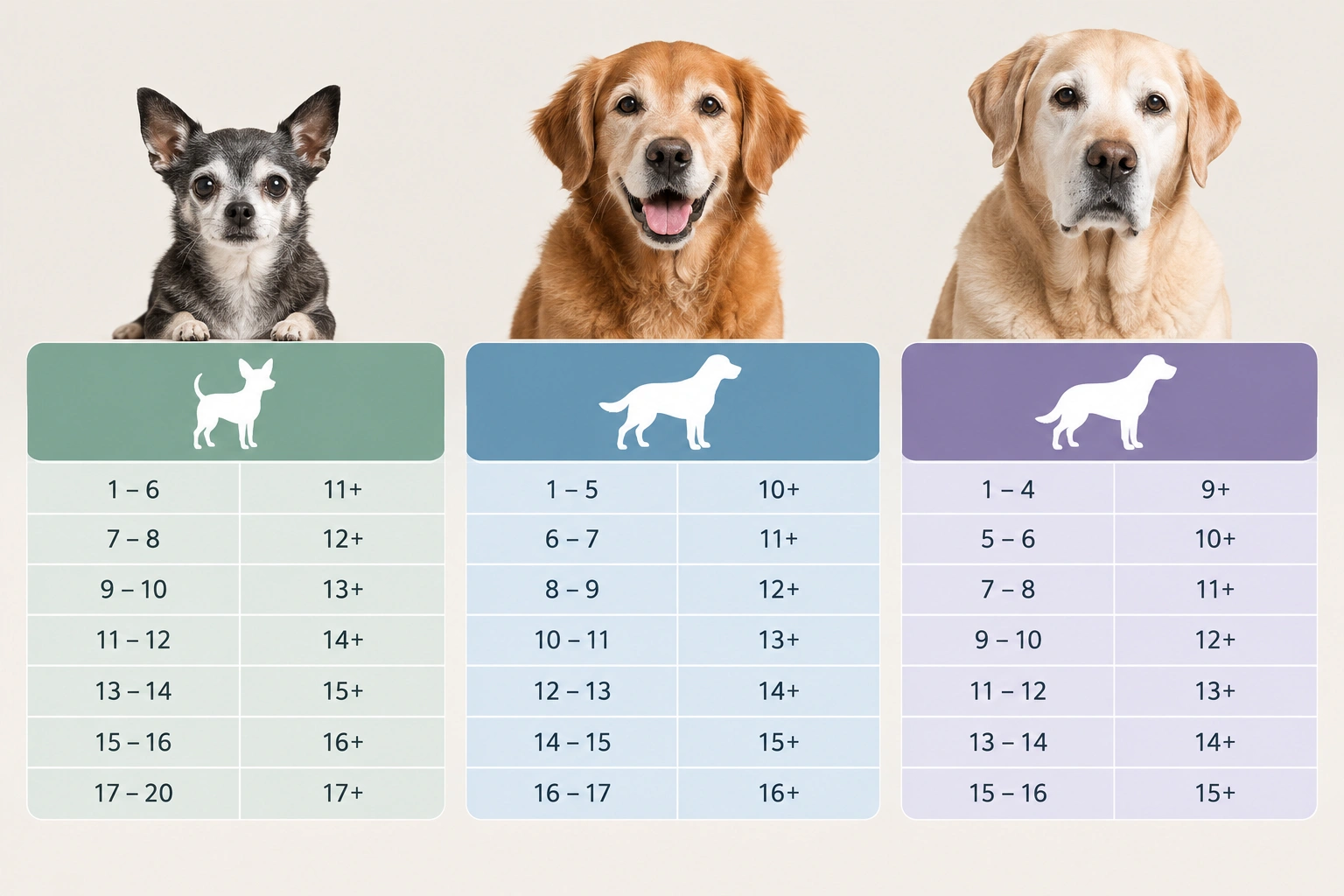
| Dog size | Typical senior age range | What that means in practice |
|---|---|---|
| Small dogs | 10–12 years | Often still active, but should begin senior screening and closer monitoring |
| Medium dogs | 8–9 years | Senior care usually starts earlier than many owners expect |
| Large and giant dogs | 6–8 years | Senior status can begin much sooner because they age faster |
If you want a broader age guide for dogs by size, you may also find our related article useful: When Is a Dog Considered Senior? A Practical Guide for Border Collie Owners.
Why Senior Age Varies by Size, Breed, and Health
The main reason small dogs are considered seniors later is that size influences aging rate. Smaller dogs generally age more slowly than large-breed dogs, which is why a 12-year-old small dog and a 12-year-old large dog often do not belong in the same life stage.
That said, size is only the starting point. Breed matters too. Some small breeds may reach senior status earlier than the general small-dog range, but the exact cutoff can vary by source, veterinarian, and the individual dog’s health. For example, the Cavalier King Charles Spaniel is often cited as an earlier-aging breed, but your vet may use a different threshold based on the dog’s condition.
Health and body condition can shift the timeline as well. A small dog that is overweight, has dental disease, chronic pain, or another ongoing condition may need senior-style care before the “official” senior age. On the other hand, a lean, well-conditioned, active small dog may not need that label until later.
The most practical way to think about it is this: age tells you when to pay attention; health tells you how closely to pay attention.
Adult, Mature, and Senior: How to Tell the Life Stages Apart
Many owners use “adult” and “senior” as if there are only two stages, but there’s a useful middle ground: mature.
Adult
An adult small dog is generally past the rapid-growth stage and is usually in stable physical condition. Energy, appetite, and recovery tend to be predictable. Most healthy adult dogs still handle normal exercise and routine changes without much issue.
Mature
A mature dog is not necessarily old, but the first signs of aging may start to appear. You might notice slightly slower recovery after hard play, a bit more stiffness after naps, or a change in weight if food and exercise haven’t been adjusted.
Senior
A senior dog is more likely to show clear age-related changes, or at least to need more preventive monitoring. This can include reduced stamina, dental disease, changes in hearing or vision, or more noticeable shifts in sleep and behavior.
A simple decision rule helps here: if your small dog is near the 10-year mark and you’re seeing subtle changes in movement, appetite, or energy, treat that as a signal to begin senior care even if the dog still seems “young at heart.”
Signs Your Small Dog Is Entering the Senior Years
Not every aging sign is dramatic. In fact, the earliest clues are often easy to miss because they look like personality changes or normal slowing down.
Physical signs to watch
- Stiffness after resting
- Slower rising from a bed or couch
- Less enthusiasm for long walks or stairs
- Weight gain from reduced activity, or weight loss from illness
- More tartar, bad breath, or trouble chewing
- Duller coat or more skin changes
- Sleeping more than usual
Behavioral signs to watch
- Needing more time to warm up to activity
- Restlessness at night
- Confusion in familiar spaces
- Reduced interest in toys or training games
- Irritability when touched, especially around the back, hips, or mouth
One useful real-world example: a 9-year-old 12-pound dog that still runs to the door but takes longer to get moving after naps may not look “old,” yet that stiffness is enough to justify senior screening. This is exactly the stage when early intervention is more valuable than waiting for obvious decline.
If your dog seems energetic but is quietly changing in these small ways, don’t dismiss it. Aging often shows up in recovery time before it shows up in obvious weakness.
What a Senior Wellness Exam Should Include
A senior wellness exam is not about assuming something is wrong. It’s about catching problems early enough to manage them well.
At minimum, ask your vet to look closely at:
- Body condition score and weight trend
This helps determine whether your dog is too thin, too heavy, or stable at a healthy weight. - Dental health
Dental disease is common in older small dogs and can affect comfort, appetite, and overall health. - Joint and mobility assessment
Your vet can check for stiffness, pain, and range-of-motion changes that owners may miss at home. - Heart and lung exam
Small dogs can hide disease well, so subtle changes matter. - Vision and hearing
Many owners notice these changes only after the dog is already compensating. - Basic lab screening if recommended
Bloodwork and urine testing can reveal issues before symptoms become obvious.
The value of this exam is not just in finding disease. It also gives you a baseline. If your dog’s weight, bloodwork, or mobility changes later, you have something to compare against.
For general guidance on senior dog care and health monitoring, the ASPCA and VCA Hospitals both offer helpful veterinary education resources.
Should You Switch to a Senior Diet?
Not automatically. Age alone is not enough to justify a food change.
The better question is: does your dog’s current food still match body condition, activity level, and health status? Body condition score, muscle condition, and any health issues should guide food choice more than age alone.
A senior diet may make sense if:
- Your dog is gaining weight and becoming less active
- Your dog is losing muscle or struggling to maintain weight
- Your vet wants a diet with different calorie, protein, or mineral levels
- Your dog has a health issue that benefits from a more targeted formula
You may not need to switch yet if:
- Your dog is maintaining a healthy body condition score
- Energy and muscle tone are still good
- Your dog is thriving on the current diet
- Your vet sees no reason to change
When you review a diet, look beyond calories, protein, and minerals. It also helps to ask about calorie density, digestibility, and whether the formula supports weight management or muscle maintenance. This is where owners sometimes make a mistake by switching too quickly. A senior label on the bag does not guarantee it’s the best choice for your dog. Some older small dogs do better staying on a well-balanced adult diet, especially if they are lean and active.
A practical example: a 10-year-old small dog that has gained a few pounds and is less active after walks may benefit from a diet review. The goal is not “senior food” by default; the goal is weight control, muscle maintenance, and steady energy.
Exercise, Mobility, and Home Comfort Adjustments
Aging dogs usually need better movement management, not less movement overall.
Keep activity regular
Short, consistent walks are often better than occasional long outings. Regular movement helps maintain joint mobility and keeps weight under control. The trade-off is simple: too much rest can make stiffness worse, while too much intensity can aggravate sore joints.
Reduce strain, not motion
If your dog is slowing down, consider:
– Shorter walks more often
– Fewer jumping opportunities
– Slower warm-ups before play
– More sniffing time and less forced pace
– Puzzle feeding to add low-impact mental work
– Shorter training sessions to keep learning fun without overdoing it
– Swimming, if your vet says it’s appropriate and your dog enjoys it
Make the home easier to move through
Small changes can matter a lot:
– Use non-slip mats on slick floors
– Add a ramp or steps for furniture if your dog still uses it
– Place beds in warm, draft-free spots
– Keep food and water easy to reach
– Raise bowls only if your vet recommends it for comfort
For many small dogs, the biggest mobility win is not a supplement or a dramatic routine change. It’s reducing the daily friction that makes sore joints work harder than they need to.
If you’re unsure whether your dog is just slowing down or actually uncomfortable, watch for hesitation before stairs, reluctance to jump, or stiffness after sleep. Those are often more useful than waiting for limping.
When to Call the Veterinarian About Aging Changes
Some changes are normal. Others deserve a veterinary visit sooner rather than later.
Call your vet if you notice:
– Sudden or ongoing appetite loss
– Weight loss or weight gain that isn’t explained by food changes
– Increased thirst or urination
– Coughing, labored breathing, or reduced stamina
– Limping, lameness, or persistent stiffness
– Pain when touched or picked up
– Confusion, disorientation, or sleep-wake changes
– Bad breath, drooling, or trouble chewing
– A clear drop in energy that lasts more than a few days
The key distinction is between gradual aging and a change that feels new, progressive, or out of proportion. A dog that is “just getting old” may actually be dealing with arthritis, dental pain, thyroid disease, or another treatable issue.
If you’re ever debating whether a symptom is worth a call, err on the side of checking. Small dogs often compensate well, which means owners can underestimate how much discomfort they’re carrying.
Common Mistakes Owners Make With Senior Small Dogs
The most common mistakes are usually not dramatic—they’re practical oversights.
Waiting for obvious decline
By the time a dog is clearly slowing down, there may already be a problem that would have been easier to manage earlier. Senior screening is more useful before the dog looks obviously old.
Cutting exercise too much
Less activity can sound kind, but it often leads to stiffness and weight gain. The better approach is to keep movement regular and adjust the intensity.

Changing food without checking body condition
A senior label does not replace a weight check or a conversation with your vet. Two small dogs of the same age may need very different diets.
Ignoring dental changes
Dental disease can affect eating, behavior, and comfort long before an owner sees a major problem. Small dogs are especially prone to this being overlooked.
Assuming a bright, active dog is not senior
Some older dogs stay mentally sharp and physically lively well into their senior years. That doesn’t mean preventive care should wait.
Senior Small Dog Care Decision Checklist
Use this quick checklist if you’re trying to decide what to do next:
- Is your small dog around 10 to 12 years old?
- Is your dog a breed known to age a bit earlier?
- Have you noticed stiffness, slower recovery, or less stamina?
- Has weight changed, even slightly?
- Are there dental issues, bad breath, or chewing changes?
- Has thirst, appetite, sleep, or behavior shifted?
- Has it been a while since the last wellness exam?
- Would a body condition score and senior screening help you get a clearer picture?
If you checked more than one item, it’s time to treat your dog as a senior candidate, even if they still seem energetic. That usually means a veterinary exam, a food review, and a closer look at exercise and comfort at home.
When to See a Veterinarian or Certified Trainer
For age-related issues, the veterinarian comes first. If your dog is showing pain, stiffness, confusion, appetite changes, or other medical signs, get a vet assessment before changing diet, adding supplements, or assuming it’s “just old age.”
A certified trainer can also help if aging is affecting behavior in ways that are not medical—such as reduced confidence on stairs, hesitation in new places, or changes in routine tolerance. In senior dogs, behavior and health often overlap, so the best results usually come from addressing both sides carefully.
For more age-related guidance, you may also want to read our related Border Collie Hub articles on how old is a dog considered a senior and how old is a dog to be considered senior.
The bottom line is simple: most small dogs enter senior years around 10 to 12, but the smartest owners watch the dog, not just the calendar. Senior care works best when it starts early, stays practical, and focuses on what helps your dog move, eat, rest, and feel comfortable today.
