
Why Are My Dog’s Eyes So Watery? Causes, Red Flags, and What to Do Next

Watery eyes are one of those symptoms that can look minor right up until they are not. A dog may simply have a little clear teariness after a windy walk, or the same symptom may be the first sign of a corneal scratch, blocked tear duct, infection, or something stuck in the eye.
For Border Collie owners, the temptation is to shrug off mild teariness as “just how the eyes are.” That is a mistake worth avoiding. Some tearing is normal. Persistent watering, one-sided watering, colored discharge, or any sign of discomfort deserves a closer look.
A quick way to think about it: normal tearing is usually mild, brief, and not paired with redness or pain, while abnormal watery eyes keep coming back, affect one eye more than the other, or show up with squinting, redness, or discharge.
The practical question is not just “why are my dogs eyes so watery?” It is: is this a short-lived irritation I can clean and watch, or is this a problem that needs a vet today?
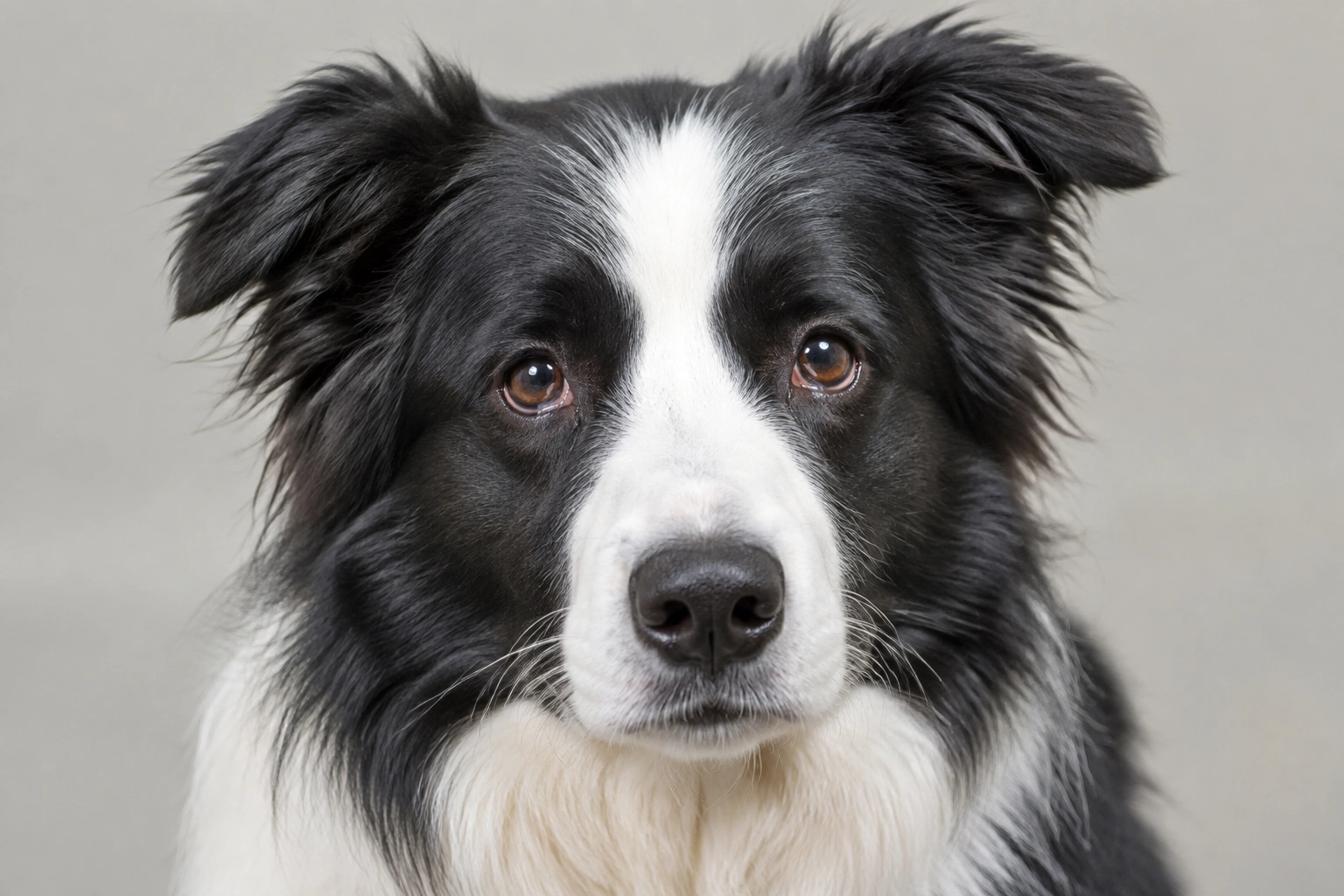
What watery eyes in dogs can mean
Tears have a job. They help keep the eye surface healthy, support the cornea in a general way, and wash away debris. Normally, tears drain through tiny ducts near the inner corner of the eye. When a dog produces too many tears, or when drainage is blocked, those tears spill onto the face instead of draining away.
That spillover has a name: epiphora. It simply means watery eyes caused by excess tear production or poor tear drainage.
A little moisture is not automatically a problem. Dogs can have a small amount of clear eye discharge, especially after waking up. But watery eyes become more concerning when the discharge keeps returning, one eye is much wetter than the other, or the eye looks irritated.
For Border Collies, this distinction matters when there is no redness or pain. Mild tear staining or a slightly damp inner eye corner can be normal, but ongoing overflow, crusting, or changes in the eye itself are more suggestive of a problem than normal moisture.
Here is the quickest rule I use when sorting through eye complaints:
– Clear, mild, short-lived tearing with a comfortable dog is often less urgent.
– Watery eyes plus redness, squinting, pawing, cloudiness, or thick discharge should be treated as a real eye problem until a vet says otherwise.
Common causes of watery eyes in dogs
Watery eyes are a symptom, not a diagnosis. The cause can be as simple as dust or as serious as a corneal ulcer.
Environmental irritation
Wind, dust, smoke, grass seed debris, shampoo residue, or even a bit of dirt can irritate the eye surface and trigger extra tearing. This is especially plausible if the watering started after a walk, a bath, or time in a dusty area.
The clue here is timing. If your dog was fine, then came back from a windy hike with both eyes teary but otherwise comfortable, irritation is a strong possibility.
Allergies
Allergies can cause watery eyes, and they often affect both eyes. You may also notice sneezing, itchy skin, or seasonal flare-ups. Allergy-related watering often comes and goes with exposure, which makes it feel less dramatic than an injury but more annoying over time.
The trade-off with allergies is that the eyes may look “not too bad” while still being chronically irritated. If the tearing keeps returning, that pattern matters.
Foreign body or debris
A blade of grass, dust particle, or small seed can lodge under the eyelid or on the eye surface. This often causes one eye to water more than the other, and the dog may blink a lot, squint, or paw at the face.
This is one of the situations where waiting can backfire. The more the dog rubs, the more likely the eye surface gets scratched.
Blocked tear ducts
If the tear drainage pathway is narrowed or blocked, tears can overflow even if the eye itself is not inflamed. That is why some dogs seem to “cry” without obvious redness or pain.
Blocked drainage is one reason chronic tearing can become a long-term nuisance. The moisture may stain the fur and keep the skin under the eye damp.
Conjunctivitis and infection
Conjunctivitis means inflammation of the tissues around the eye. It can be caused by infection, irritation, or other underlying problems. In these cases, watery eyes may be paired with redness, swelling, or thicker discharge.
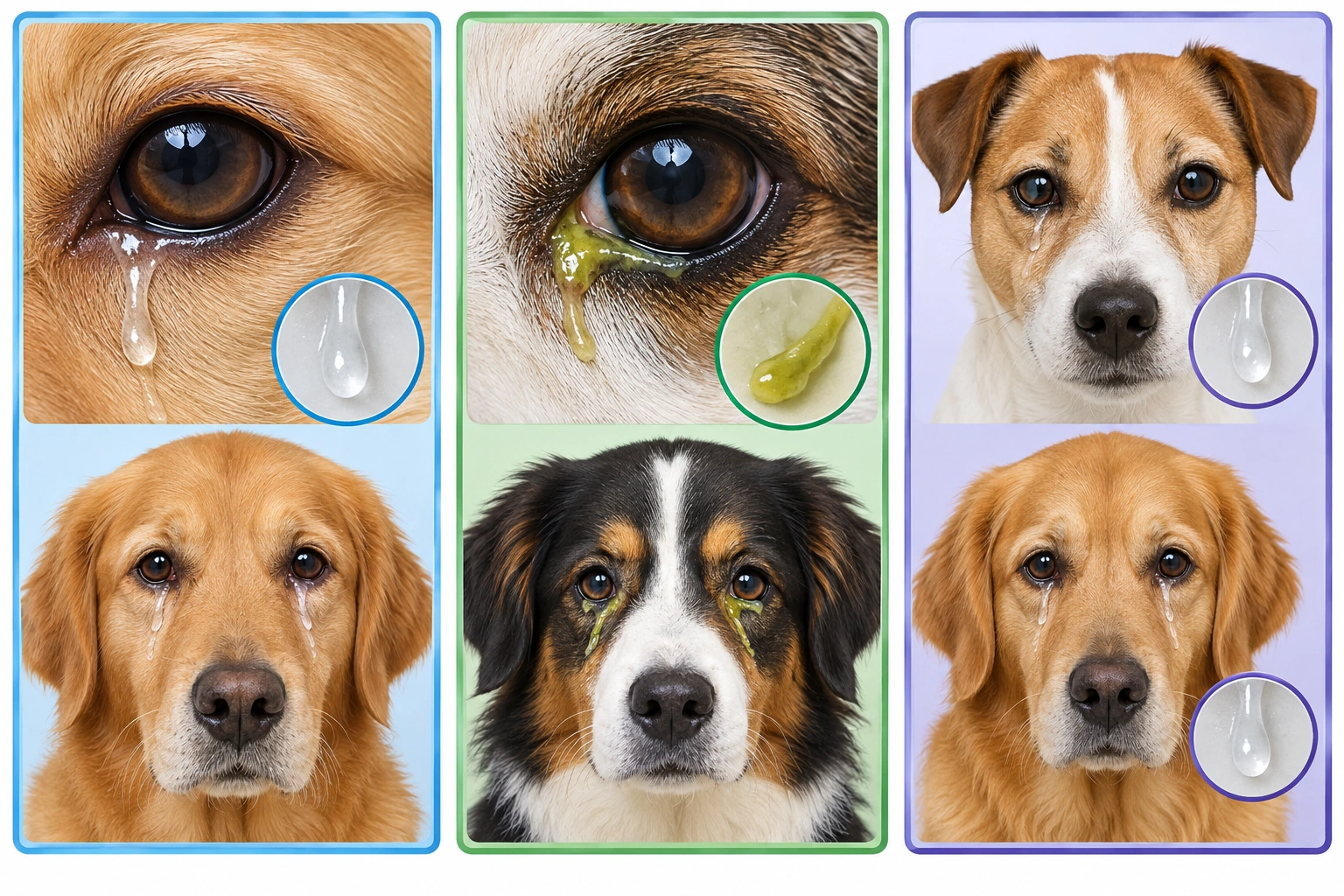
Discharge color matters here. Clear discharge is less concerning than yellow or green discharge, which can suggest infection or more significant inflammation.
Corneal scratches or ulcers
A scratch on the cornea, the clear front surface of the eye, can cause watering, squinting, and obvious discomfort. A corneal ulcer is a deeper injury and is more serious.
If a dog is keeping one eye closed, blinking hard, or avoiding light, I would not treat that as simple teariness. Pain changes the picture.
Eyelid and eyelash problems
Some eyelid abnormalities, including distichiasis, can irritate the eye because eyelashes grow where they normally should not. That constant rubbing can lead to chronic watering.
These cases are easy to miss at home because the eye may look only mildly wet while the underlying irritation keeps going.
For a broader overview of teariness patterns, you may also find our guide on why dogs’ eyes get watery useful.
How the pattern of tearing changes the diagnosis
The pattern often tells you more than the fact that the eye is watery.
| Pattern | More likely possibilities | What to watch for | Urgency |
|---|---|---|---|
| Both eyes watery, clear discharge, dog otherwise normal | Allergies, wind, dust, mild irritation | Sneezing, seasonal pattern, recent exposure | Usually monitor briefly |
| One eye watery, sudden onset | Foreign body, scratch, ulcer, local irritation | Squinting, pawing, redness, blinking | Vet soon; urgent if painful |
| Thick yellow or green discharge | Infection, conjunctivitis, significant inflammation | Crusting, redness, swelling | Vet visit recommended |
| Bloody discharge or trauma | Injury, ulcer, more serious eye damage | Pain, cloudiness, bleeding | Urgent care |
| Chronic wetness under one or both eyes | Tear duct problem, eyelid issue, chronic irritation | Staining, odor, skin irritation | Vet exam if persistent |
A useful shortcut: both eyes often points more toward irritation or allergies, while one eye raises suspicion for a foreign body, scratch, or drainage problem. That is not a rule, but it is a good decision filter.
What the discharge color and thickness can mean
Clear watery discharge is usually the least alarming form of eye discharge. It can happen with mild irritation, allergies, or simple over-tearing.
Thicker discharge changes the picture:
– Yellow or green discharge can point toward infection or more significant inflammation.
– Crusty discharge may build up after sleep, especially if the eye has been watering overnight.
– Bloody discharge is not something to brush off, particularly if there was any trauma.
– Sticky goop or mucus can happen when tears mix with oil, dead cells, or dust.
The key is not to diagnose from color alone. Color plus behavior matters more. A dog with clear tears and no discomfort is different from a dog with yellow discharge, redness, and repeated pawing.
Warning signs that mean a vet visit is needed
Some signs move watery eyes from “watch it” to “get help.”
Seek veterinary care if you see:
– squinting or keeping the eye closed
– pawing or rubbing at the eye
– redness of the eye or eyelids
– swelling around the eye
– cloudiness on the eye surface
– sensitivity to light
– visible pain
– bleeding
– sudden change in vision or clumsiness
– discharge that is thick, yellow, green, or worsening
These are not cosmetic issues. They suggest the eye is irritated, injured, or inflamed enough that home cleaning alone is unlikely to solve it.
One practical warning: a dog that keeps rubbing a painful eye can turn a small scratch into a bigger problem. That is why a cone or other vet-recommended barrier may be part of the solution once you are under veterinary guidance.
What you can safely do at home
If the tearing is mild, clear, and your dog seems comfortable, you can do a few safe things while you monitor.
Gently clean the area
Use a clean, soft cloth or gauze moistened with pet-safe saline or plain lukewarm water. Wipe away from the eye, using one gentle pass and a fresh part of the cloth each time.
Do not scrub. The skin around the eye gets irritated easily, and aggressive wiping can make a mild issue look worse.
Stop the rubbing cycle
If your dog is pawing at the eye, prevent further rubbing while you assess the situation. Even a brief period of rubbing can worsen irritation.
Watch the pattern for 24 hours
If the eye watering happened after a windy walk, dusty yard time, or a bath, and it settles quickly with no redness or squinting, monitoring is reasonable. If it persists, changes color, or your dog becomes uncomfortable, that is your cue to call the vet.
Avoid common mistakes
Do not use human eye drops, steroid drops, or random home remedies unless a vet has told you to. Some products can make corneal injuries worse or hide the symptoms you need to see.
Also avoid trying to pull out anything that looks embedded. If an object is stuck in the eye, that is a veterinary job.
When watery eyes become urgent
Same-day or emergency care is the right call when watery eyes are paired with pain, cloudiness, swelling, bleeding, or sudden vision changes. One-sided symptoms after possible trauma also deserve faster attention.
A good rule is this: if your dog looks uncomfortable, treat the eye as urgent. Eyes can go from “a little watery” to “needs treatment now” faster than many owners expect.
This is especially true after:
– running through tall grass
– being hit in the face
– rough play
– a bath or shampoo incident
– visible foreign material near the eye
If you are unsure whether the eye is painful, assume it might be until a vet checks it. That is the safer trade-off.
What a vet may check during an eye exam
If the problem persists or looks serious, a vet may perform an ophthalmic exam to look for irritation, injury, infection, eyelid problems, or blocked drainage.
Depending on the findings, the exam may include checking the cornea, eyelids, tear drainage, and the surrounding tissues. In clinic, vets often use simple tests such as fluorescein staining to look for scratches or a tear drainage check if a blocked duct is suspected.
The point is to identify whether the issue is surface irritation, structural, infectious, or traumatic.
If the cause turns out to be allergies, infection, or a blocked tear duct, the next step may be targeted treatment such as medication, eye cleaning, or further evaluation of drainage. The exact plan depends on what the exam shows.
That distinction matters because watery eyes can look similar from the outside while needing very different treatment. A blocked tear duct, a foreign body, and a corneal ulcer can all cause tearing, but they are not handled the same way.
Are Border Collies more prone to watery eyes?
Border Collies are not the breed most people think of first when watery eyes come up, but that does not make the symptom harmless. Active dogs spend time in wind, grass, dust, and brush, which can all irritate the eyes.
The bigger risk for Border Collie owners is assuming teariness is “just normal” because the dog is outdoors a lot or has always had slightly moist eyes. Persistent or changing symptoms still deserve a proper look.
Some breeds are more prone to watery eyes than others, especially brachycephalic breeds like pugs, Shih Tzus, and cocker spaniels, but any dog can develop epiphora. Chronic moisture can also lead to skin irritation, infection, odor, and reddish-brown staining on the fur.
That staining is often explained by tear pigments called porphyrins, though it is best thought of as a common explanation for tear staining rather than a single cause in every dog. It is more noticeable in lighter coats, but the stain itself is a clue, not the diagnosis.
If you want a broader veterinary overview of chronic tearing, VCA Hospitals and AKC’s dog health resources are both helpful starting points.
When to monitor versus when to call the vet
Use this simple decision rule:
- Monitor at home for a short time if the discharge is clear, mild, both eyes are affected, and your dog is acting normal with no redness or squinting.
- Call the vet soon if the tearing persists, keeps coming back, becomes thicker or colored, or is linked to redness, pawing, or light sensitivity.
- Seek urgent care if the eye looks painful, cloudy, swollen, bloody, or suddenly different, or if only one eye is suddenly affected after possible trauma.
If the eye problem is changing quickly, do not wait for it to “see if it clears.” Eye issues are one of those problems where timing matters.
Frequently asked questions
Is clear watery discharge always normal?
No. Clear discharge is often less concerning than yellow or green discharge, but it can still happen with allergies, foreign bodies, blocked tear drainage, or corneal irritation.
Why is only one eye watery?
One-sided tearing more often suggests a foreign body, scratch, blocked tear duct, or local irritation. It is worth paying attention to whether the eye is also red, painful, or being rubbed.
Can I just wipe my dog’s eye and watch it?
Yes, if the tearing is mild, clear, and your dog is comfortable. If it does not improve quickly or any warning signs appear, that approach is not enough.
Do watery eyes cause staining?
They can. Chronic moisture can stain the fur reddish-brown, especially on lighter coats, and the damp skin can become irritated or develop odor over time.
Should I wait if my dog is squinting but still eating?
No. Eating normally does not rule out eye pain. Squinting is one of the clearest signs that the eye needs veterinary attention.
If you are dealing with repeated teariness, it may help to compare this article with our related guide on why dogs’ eyes weep.