
How Long Can a Dog Survive Without Food and Water? A Practical Guide for Dog Owners

If your dog has stopped eating or drinking, the first thing to know is this: not drinking is the bigger emergency. A dog can sometimes miss a meal or even go a short period without food and still be okay, but going without water becomes dangerous much faster and can turn serious quickly, especially in warm weather or if the dog is already unwell.
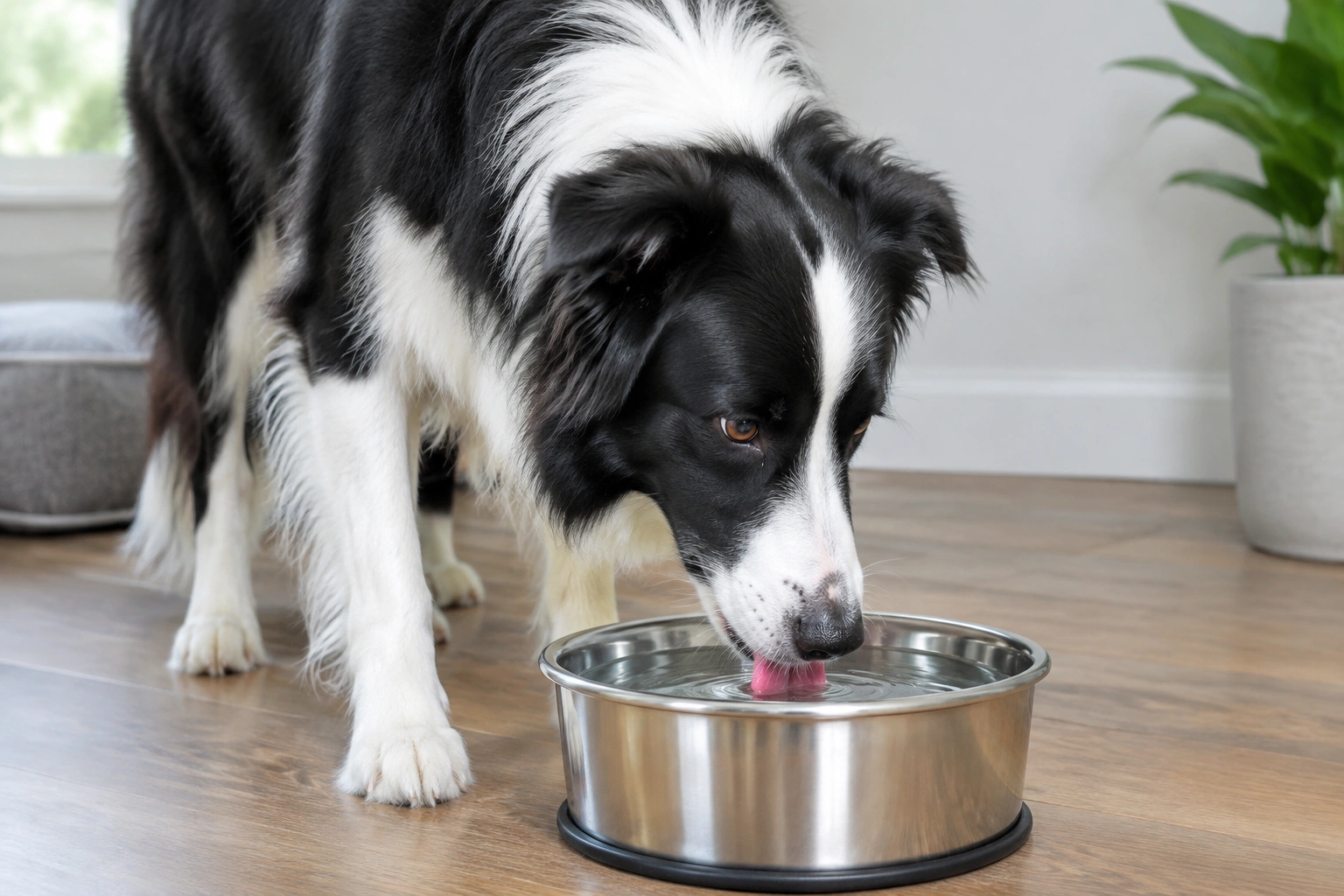
As a practical rule, a dog that has stopped drinking, cannot keep water down, or is showing lethargy, vomiting, diarrhea, dry gums, heavy panting, or collapse needs urgent veterinary attention today. If your dog has only skipped food but is still drinking, bright, and acting normally, the situation may be less urgent — but it still deserves close watching.
Quick answer: food vs. water, and what matters most
If you want the shortest possible answer, here it is:
- Without water: concern can become urgent within hours, and it should not be ignored for long.
- Without food: a healthy adult dog may go longer than without water, but appetite loss still needs attention if it lasts or comes with other symptoms.
- Without both food and water: the timeline shortens dramatically, and the situation can become life-threatening quickly.
The key distinction is simple: food can usually wait longer than water. A dog may skip a meal because of stress, a change in routine, or mild stomach upset. But if the dog is refusing water, the body loses its ability to regulate temperature, circulation, and organ function properly.
For a broader dog-care reference on related warning signs, Border Collie owners may also find our guide on how long a dog can be left alone useful, because isolation, stress, and missed meals sometimes overlap.
Why water loss becomes dangerous faster than food loss
Water is not just “something dogs drink.” It is part of nearly every critical body process. Dogs need fluid to maintain blood volume, move nutrients, regulate temperature, and keep organs working efficiently. When water intake drops, the body starts conserving fluid, and that conservation comes at a cost.
Dehydration can lead to:
– thicker blood and poorer circulation
– electrolyte imbalance
– reduced kidney function
– weakness and mental dullness
– higher body temperature, especially if the dog is panting
That last point matters a lot for active breeds. Border Collies, for example, can be so focused on work, play, or exercise that they keep going even when they are already losing too much fluid. If a dog is active outdoors, panting heavily, and not drinking normally, the risk climbs quickly.
Food deprivation is different. The body can draw on stored energy for a while, so a brief period without food is usually less immediately dangerous than a period without water. But “less immediate” does not mean harmless. If appetite loss continues, the cause may be illness rather than simple pickiness.
How long can a dog survive without water?
There is no safe universal timer for water deprivation. The real answer depends on the dog’s age, health, temperature, activity level, and whether there are other losses such as vomiting or diarrhea.
A practical owner-facing rule is this:
- A few hours without drinking can be concerning if the dog is hot, active, vomiting, or already sick.
- About 12 hours without water is a point where you should be paying close attention and contacting your vet if the dog still will not drink.
- A full day without water is an emergency-level concern in many cases, especially for puppies, senior dogs, or dogs that are ill, weak, or losing fluid from vomiting or diarrhea.
The timeline shortens when:
– the weather is hot
– the dog is panting heavily
– the dog is vomiting or has diarrhea
– the dog is very young or older
– the dog has kidney disease, diabetes, fever, or another illness
– the dog cannot keep water down
A dog that is still drinking small amounts and otherwise acting normal is in a different category from one that is refusing water entirely. But if drinking stops, or the dog looks weak, the situation should be treated as urgent.
How long can a dog survive without food?
Dogs can usually go longer without food than without water, but that does not mean you should ignore a dog that suddenly stops eating. A missed meal can happen. A full day or more of refusing food, especially if the dog is also quieter than usual, is a reason to pay attention.
Short-term food refusal can happen with:
– stress or routine change
– mild nausea
– a recent diet change
– a hot day
– minor stomach upset
More concerning is a dog that:
– refuses food and water
– vomits
– has diarrhea
– seems weak or withdrawn
– has pain, fever, or bloating
– keeps skipping meals
If your dog is not eating but still drinking normally, that is usually less urgent than refusing both. Still, if appetite does not return soon or the dog seems “off,” call your vet. Appetite loss is often the first visible sign of an underlying problem.
No food vs. no water: which is more dangerous?
No water is more dangerous, faster. That is the decision point most owners need.
Here’s the practical comparison:
| Situation | Typical urgency | Why it matters |
|---|---|---|
| Missed one meal, still drinking, normal energy | Lower urgency, monitor closely | May be stress or mild stomach upset |
| Refusing food but drinking normally | Moderate concern | Can still signal illness if it continues |
| Refusing water but still eating a little | High urgency | Dehydration can build quickly |
| Refusing both food and water | Emergency concern | Risk rises quickly, especially with weakness or vomiting |
The trade-off is straightforward: a dog can sometimes be watched briefly for food refusal, but water refusal should not be treated casually. If the dog is also lethargic, panting heavily, or vomiting, skip the “wait and see” approach and call a veterinarian.
Warning signs of dehydration, weakness, and medical emergency
These are the signs that tell you the timeline is no longer comfortable to monitor at home:
- dry or tacky gums
- sunken eyes
- low energy or reluctance to stand
- weakness
- heavy panting without obvious cause
- vomiting
- diarrhea
- collapse
- confusion or unusual behavior
- refusal to swallow
- very dark urine or no urination
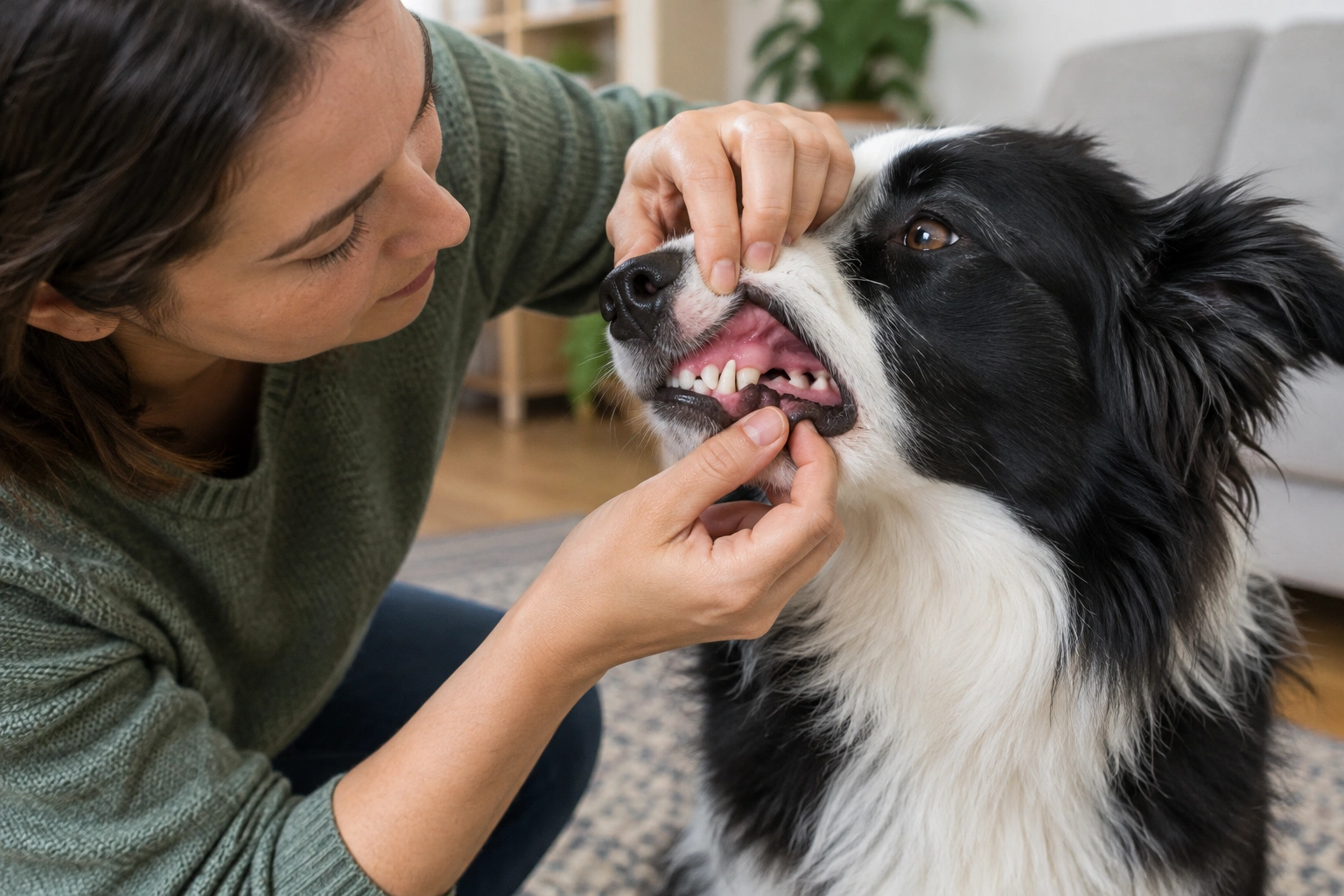
A useful home check is to look at your dog’s gums. Healthy gums are usually moist. Dry, sticky gums suggest dehydration, especially if paired with other symptoms. Sunken eyes and a dull, weak posture are also red flags.
If your dog seems faint, cannot stand properly, or collapses, do not wait for the problem to “pass.” That is emergency territory.
Risk factors that shorten the timeline
Some dogs have less margin for error than others.
Puppies
Puppies dehydrate faster because they are smaller and have less reserve. If a puppy has diarrhea, vomiting, or refuses water, that is much more urgent than the same behavior in a healthy adult dog.
Senior dogs
Older dogs may already have kidney, heart, or metabolic issues that make fluid loss more dangerous. They may also hide illness better than younger dogs, which can delay care.
Small dogs
Small dogs can lose fluid balance more quickly because their bodies have less total reserve. A small dog that seems “just a little off” can worsen sooner than an owner expects.
Active dogs, including Border Collies
A Border Collie that has been running, training, herding, hiking, or playing hard can be at higher risk of fluid loss from panting than a calmer dog. If the dog is still driven and focused, you may not notice the problem until it is already advanced.
Hot weather
Heat makes dehydration much more likely. A dog that would be stable in cool weather can decline faster outdoors on a warm day, especially if there is no shade or the dog is still active.
Underlying illness
Kidney disease, diabetes, fever, gastrointestinal illness, pain, and infection can all affect thirst and appetite. In these cases, the refusal to eat or drink is often a symptom, not the whole problem.
What to do in the first hour if your dog refuses food or water
Your goal in the first hour is to gather useful information without making the problem worse.
Offer water, but do not force it
Place fresh water within easy reach. If your dog is interested, let them take small sips. You can also try a different bowl or a quieter location if stress may be part of the issue.
Do not force large amounts of water into a weak, vomiting, or disoriented dog. That can lead to aspiration or more vomiting.
Offer wet food or a familiar bland option only if the dog seems stable and is not vomiting
If your dog is alert, not bloated, and has only mild appetite loss, offering wet food can sometimes help because it adds moisture and is easier to eat. A short period of bland food may also be reasonable after vomiting or diarrhea has settled and your vet has not warned you to withhold food.
Do not offer food at all if your dog is:
– vomiting repeatedly
– bloated or has a distended abdomen
– severely lethargic
– painful
– unable to keep water down
– suspected of having an obstruction
In those situations, food can make things worse, and your priority should be veterinary advice rather than feeding.
Watch for the pattern, not just the symptom
A single missed meal is less concerning than a dog that is also:
– drinking less
– panting more
– hiding
– shaky
– nauseated
– having diarrhea
– acting painful
Don’t delay if the dog is getting weaker
If the dog is not improving, is refusing water, or cannot keep even small sips down, it is time to call a vet.
For a related practical feeding resource, see our guide on what can I feed my dog instead of dog food, especially if you need a short-term option once your vet says eating is appropriate.
When to call an emergency vet immediately
Call an emergency veterinarian now if your dog:
– has not drunk water and seems weak
– is vomiting repeatedly
– has diarrhea and is getting lethargic
– has dry gums and sunken eyes
– collapses or cannot stand normally
– is panting heavily and seems overheated
– cannot keep water down
– seems confused, disoriented, or unresponsive
– is a puppy, senior, or medically fragile dog and has stopped drinking
– has gone a full day without water, even if the symptoms seem mild
If you suspect heatstroke, treat it as an emergency. Heat-related illness and dehydration often overlap, and waiting can make the outcome much worse.
When in doubt, use this rule: if the dog is not drinking and is not acting normal, don’t wait until morning.
Common medical causes of sudden loss of appetite or thirst
A dog that stops eating or drinking may be dealing with more than simple fussiness. Common causes include:
- gastrointestinal upset
- pain
- fever
- infection
- kidney problems
- diabetes
- dental disease or mouth pain
- obstruction
- pancreatitis
- heat-related illness
This is why appetite loss becomes more serious when it is paired with a change in behavior. A dog that is quiet, weak, or nauseated is telling you the issue may be medical, not behavioral.
What veterinary treatment may involve
A vet will usually start by checking hydration status, temperature, gums, abdomen, and overall condition. Depending on what they find, treatment may include:
- physical examination
- bloodwork
- urine testing
- anti-nausea medication
- fluids by mouth, under the skin, or intravenously
- treatment for the underlying cause
IV fluids are often used when dehydration is significant or the dog cannot drink safely. The point is not just to replace water; it is to restore circulation and support organ function before things progress to shock or more serious complications.
Prompt treatment can help limit complications, depending on how dehydrated the dog is and what caused the problem.
The bottom line for Border Collie owners
If your Border Collie has skipped food but is still drinking, bright, and acting normally, you may have a short window to monitor closely. If the dog has stopped drinking, is vomiting, has diarrhea, or looks tired or weak, treat it as urgent.
Water refusal is the bigger red flag. Food refusal can sometimes wait briefly. A dog that is not drinking normally and is showing any illness signs should be seen by a veterinarian without delay.
If you are unsure, trust the combination of symptoms, not just the clock. A dog that is quiet, dry, and not drinking is telling you enough.
Frequently Asked Questions
Can a dog go a day without water?
A healthy dog may appear okay for a short time, but waiting a day without water is risky and not something to test. If your dog is refusing water now, watch closely and contact a vet if it continues or other symptoms appear.
Is it okay to force my dog to drink?
No. Forcing water can cause vomiting or aspiration, especially if the dog is weak, nauseated, or not swallowing normally. Offer water calmly and seek veterinary help if the dog refuses or cannot keep it down.
My dog skipped one meal. Should I panic?
Not necessarily. If your dog is otherwise normal and still drinking, one missed meal can be temporary. The concern rises if the dog misses multiple meals, stops drinking, or shows vomiting, diarrhea, lethargy, or pain.
Does hot weather make this more dangerous?
Yes. Heat increases fluid loss and can make dehydration develop faster, especially in active dogs. Heavy panting plus reduced drinking is a combination that deserves prompt attention.
Could stress be the reason my dog isn’t eating?
Yes, stress can reduce appetite. But stress should not be assumed if the dog is also refusing water, vomiting, weak, or acting unusual. Those signs point more toward illness or dehydration than simple nerves.
When should I see a veterinarian right away?
See a veterinarian immediately if your dog is not drinking, cannot keep water down, is weak, collapses, has dry gums, heavy panting, vomiting, diarrhea, or seems mentally dull or disoriented.
Are puppies and senior dogs at higher risk?
Yes. Puppies can dehydrate quickly, and senior dogs often have less reserve or underlying disease. Both groups deserve faster assessment when eating or drinking changes.
Can illness cause both food and water refusal?
Absolutely. Kidney disease, infection, pain, gastrointestinal illness, and heat-related problems can all affect appetite and thirst. That is why sudden refusal to eat or drink should not be treated as simple pickiness.
What if my dog is drinking but not eating?
That is usually less urgent than refusing both, but it still needs monitoring. If the appetite loss lasts, or your dog seems unwell in any other way, call your vet.
What will the vet likely do?
Expect an exam, possible bloodwork, and treatment based on the cause. If dehydration is significant, the vet may recommend fluids, often intravenously, to stabilize your dog safely.
Helpful veterinary references
For more general pet-health guidance, the ASPCA and VCA Hospitals both provide useful owner-focused information on dehydration, appetite loss, and when to seek care. The AKC also publishes practical dog-health guidance for owners.
