
Should You Take Out a Dog’s Eye Boogers? A Practical Guide for Border Collie Owners

If the discharge is small, dry, and your dog’s eye looks normal, yes — you can usually remove it gently. If the eye is red, swollen, painful, cloudy, or producing thick yellow-green discharge, don’t treat it like simple “eye boogers.” That’s the point where cleaning at home can become the wrong move, because the real problem may be irritation, infection, a scratch, or something stuck under the lid.
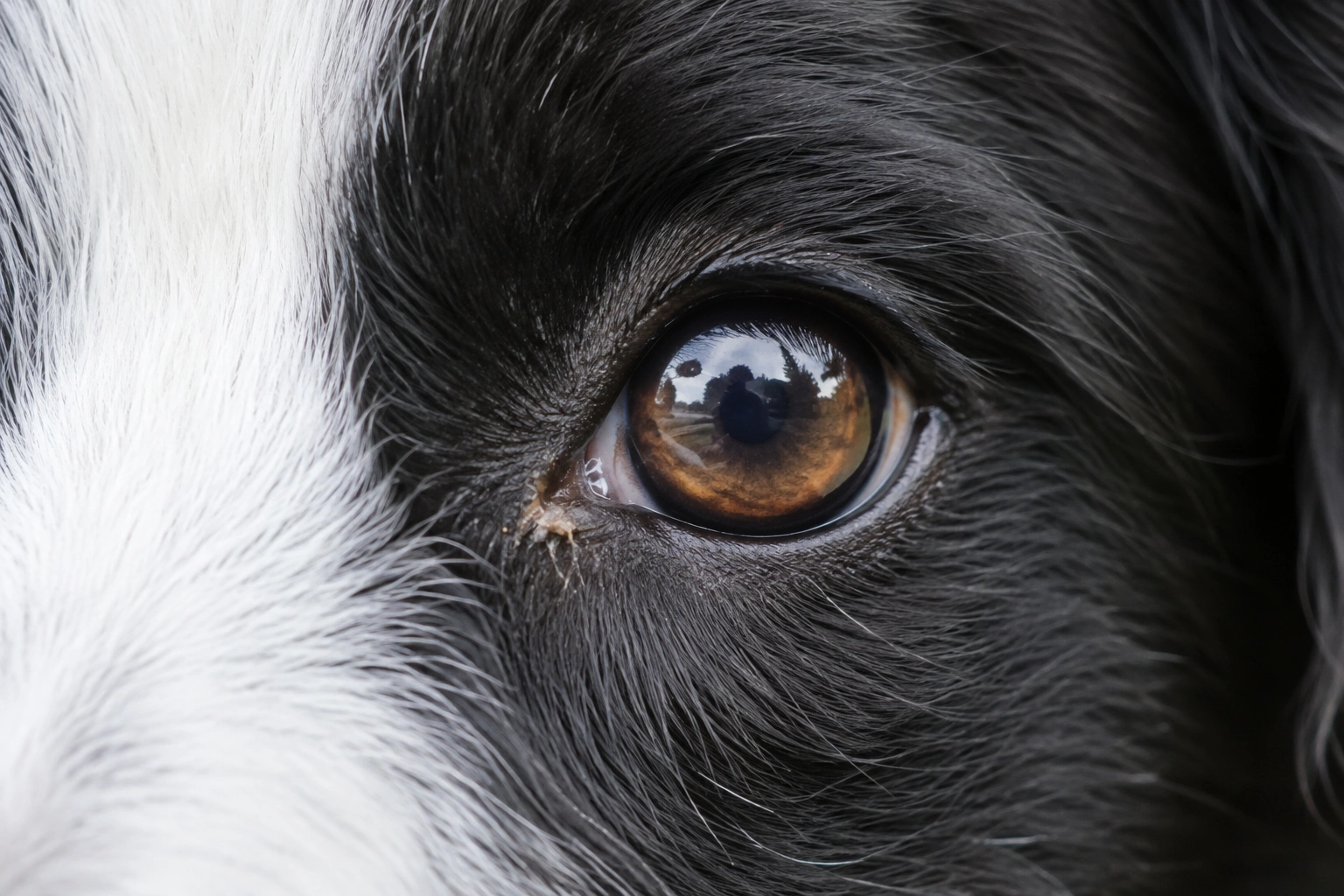
For Border Collie owners, this comes up often. These dogs are active, outdoorsy, and quick to pick up dust, pollen, grass seeds, and windblown debris. A little crust in the morning is often just dried tears. But a change in color, amount, or behavior around the eye is your clue to slow down and assess what’s actually happening.
Should You Remove Dog Eye Boogers?
Yes — if they’re mild, dry, and the eye looks normal. No — if the eye looks irritated or the discharge is thick, colored, or keeps coming back.
A tiny amount of light brown crust in the inner corner of the eye is commonly seen in the morning, right after a dog wakes up. That kind of discharge is usually easy to wipe away and the eye should look clear and comfortable afterward. A practical veterinary benchmark is that the eye should stay open, comfortable, and free of ongoing discharge for the rest of the day.
The reason for the caution is simple: eye discharge is a symptom, not a diagnosis. If you wipe away crust from an irritated eye without noticing the redness, swelling, or squinting underneath, you may miss the real issue.
A good rule of thumb
- Okay to gently clean: small, dry crust; clear or light brown; no redness; dog acts normal
- Leave it alone and monitor: mild discharge but the eye looks a little irritated and the crust is not bothering the dog
- Call the vet: thick yellow or green discharge, blood, swelling, squinting, pawing, cloudiness, or a sticky eye that keeps returning
That approach keeps you from overreacting to normal debris while still catching the cases that need treatment.
What Normal Eye Discharge Looks Like vs. Concerning Discharge
This is the decision point most owners need. Color, texture, and behavior around the eye matter more than the fact that discharge exists at all.
| What you see | More likely meaning | What to do |
|---|---|---|
| Small amount of light brown or clear crust, usually in the morning | Often normal dried tears and debris | Gently clean if needed |
| Dry discharge in both eyes, dog otherwise normal | Mild routine tear buildup or environmental debris | Monitor and clean as needed |
| Thick yellow or green discharge | Possible infection or significant irritation | Book a vet visit |
| Redness, swelling, squinting, blinking, pawing, or light sensitivity | Eye discomfort or injury | See a veterinarian promptly |
| One eye only, especially after running outdoors | Foreign body, scratch, or local irritation | Don’t keep wiping; get the eye checked |
| Cloudy eye or obvious pain | More serious problem | Prompt veterinary care |
A useful clue is symmetry. Mild routine discharge often shows up in both eyes. If only one eye is affected, think more carefully about injury, debris, or a blocked tear duct.
Why Dogs Get Eye Boogers in the First Place
Eye boogers are usually a mix of tears, mucus, dead skin cells, and debris that naturally collect in the corner of the eye. In other words, the eye is constantly cleaning itself, and some of that material ends up as crust.
Common reasons include:
- Normal tear drainage: tears carry away small particles and dry into crust
- Dust, wind, and pollen: especially after outdoor activity
- Mild irritation: from grass, dirt, or a bit of debris
- Allergies: often paired with watery eyes or itchiness
- Tear duct issues: tears may not drain normally
- Infection or inflammation: more likely when discharge becomes thick, colored, or persistent
- A scratch or foreign body: often one eye, with squinting or pawing
For Border Collies, the outdoor factor matters. A dog that spends time running through brush or working in wind and dust may come in with a little crust that is simply environmental. That is very different from discharge that appears without an obvious trigger and keeps coming back.
If you want a deeper breakdown of the “what color means what” question, our guide on what causes eye drainage in dogs goes into the common patterns in more detail. For green discharge specifically, see why dogs get green eye boogers.
How to Safely Clean a Dog’s Eyes at Home
If the discharge is mild and the eye looks comfortable, the goal is to soften the crust and wipe it away without touching the eyeball.
A safe step-by-step method
-
Wash your hands first.
You don’t want to add dirt or bacteria to an already sensitive area. -
Use a clean, soft material.
A warm, damp washcloth, cotton ball, or dog-safe eye wipe can work. The key is softness. -
Soften the crust before wiping.
Hold the damp cloth gently against the area for a few seconds. If the discharge is stuck, let the moisture do the work instead of rubbing harder. -
Wipe outward, not across the eyeball.
Clean the corner and the fur around the eye, staying away from direct contact with the eye itself. -
Use a fresh part of the cloth for each wipe.
That keeps you from spreading debris back into the area. -
Stop if the dog flinches, squints, or pulls away.
That can mean the eye is tender, and tenderness changes the plan.
If the crust is stubborn, do not pick at it with a fingernail or scrape at it dry. That’s how a simple cleanup turns into irritation.
What to Use and What to Avoid Around Dog Eyes
The safest cleaning method is the one that removes debris without introducing harsh ingredients or friction.
Sterile saline vs. plain water vs. dog-safe wipes
| Option | Best use | Trade-off |
|---|---|---|
| Sterile saline | Gentle rinsing or softening debris, especially if you clean the eye area more than occasionally | Very safe and preferred for repeated cleaning because it’s designed for sensitive tissue, but you still need a clean cloth or cotton pad to wipe |
| Plain water | Occasional simple cleanup when you do not have saline available | Fine for a one-time surface wipe, but less ideal for repeated eye-area cleaning because it is not sterile |
| Dog-safe eye wipes | Convenient routine cleaning, especially for frequent minor crust | Useful, but choose products made specifically for dogs |
Sterile saline is often the most conservative choice because it is designed for rinsing sensitive tissue. Plain water can be acceptable for simple cleanup when you’re in a pinch, but it does not have the same sterility. Dog-safe wipes are convenient when your dog gets minor debris often, but only if they are truly made for pets and used as directed.
Avoid these near the eye
- Dry tissue or rough paper towels
- Fingernails or picking at stuck crust
- Soap, shampoo, or household cleaners
- Human eye drops unless your veterinarian prescribed them
- Wipes made for people unless your vet specifically says they are safe
- Cotton fibers that shed into the eye
The big risk is not just irritation. It’s also leaving behind tiny fibers or chemicals that keep the eye inflamed.
When Eye Boogers Mean It’s Time to Call the Vet
This is where owners should be decisive. Some eye discharge is normal. Some is a warning sign.
Book a veterinary visit if you notice:
- Thick yellow or green discharge
- Redness or swelling
- Squinting, blinking, or keeping the eye partly closed
- Pawing or rubbing at the eye
- Cloudiness
- A bad smell
- One eye much worse than the other
- A sudden change after running through brush, tall grass, or debris
- A sticky eye nearly glued shut that keeps coming back
- Signs of pain or light sensitivity
Color plus discomfort is much more concerning than crust alone.
When it’s more urgent
Seek prompt care if the eye looks injured, if your dog suddenly won’t open it, or if the problem started right after a possible scratch or foreign body exposure. A corneal scratch can look small from the outside and still be very painful.
Border Collies and Other Active Dogs: Why Outdoor Debris Matters
Border Collies are not delicate, indoor-only dogs. They run hard, turn fast, and spend time in wind, grass, dust, and brush. That lifestyle raises the odds of simple debris ending up in the corners of the eyes.
That doesn’t mean you should dismiss every crusty eye as “just dirt.”
Here’s the useful distinction:
- Expected: a small amount of dry crust after outdoor activity, both eyes clear otherwise, dog comfortable
- Not expected: repeated one-sided discharge, redness, squinting, or a dog that keeps rubbing the face after coming in from the field
A Border Collie that comes home from a windy hike with a little dry brown crust in both inner eye corners is a very different case from a dog that suddenly develops one red, watery, painful eye after charging through brush.
If your dog is regularly outdoors, it’s reasonable to keep a soft cloth or dog-safe wipe in your grooming kit and check the eyes after active days. That small habit catches debris before it hardens into crust, and it also makes it easier to notice when the discharge changes.
Common Mistakes That Make Eye Problems Worse
Most problems with eye cleaning come from trying too hard.
The mistakes I’d avoid
- Rubbing a dry crust off
- Pulling hard on stuck discharge
- Cleaning the eyeball instead of the fur around it
- Using harsh or scented products
- Ignoring redness because the gunk “doesn’t look that bad”
- Assuming every tear stain is harmless
- Waiting too long when symptoms are getting worse
The biggest practical mistake is confusing appearance with comfort. A dog can have a small amount of discharge and still be fine, or have a very messy eye that is actually only mildly irritated. What matters is whether the eye itself looks calm.
Another common error is overcleaning. If you wipe the same area repeatedly throughout the day, you can irritate the skin around the eye and make the area more reactive.
A Simple Decision Rule for Home Care vs. Veterinary Care
Use this quick triage framework:
Clean at home if:
- The discharge is small, dry, and light brown or clear
- Both eyes look normal
- Your dog is not squinting, pawing, or rubbing
- The crust wipes away easily with a warm, damp cloth or dog-safe wipe
Monitor closely if:
- The discharge is a little more frequent than usual
- Your dog has been in wind, dust, grass, or pollen
- There is no redness, pain, swelling, or cloudiness
- The eye stays comfortable after cleaning
See a veterinarian if:
- The discharge is thick, yellow, or green
- The eye is red, swollen, cloudy, or painful
- The problem is mainly in one eye
- Your dog is squinting, blinking a lot, or pawing at the face
- The discharge keeps returning or gets worse instead of better
That rule keeps the decision practical: mild and comfortable can be cleaned; painful or changing needs a vet.
When to See a Veterinarian
For eye discharge, a veterinarian is the right professional. See your vet if you suspect infection, a scratch, a foreign body, or if the discharge is persistent or worsening. If your dog is resisting eye cleaning because of fear or handling sensitivity, that can be addressed later with careful handling support once the eye is medically cleared.
FAQs
Should I remove my dog’s eye boogers every day?
Not necessarily. If there’s only a small amount and the eyes look clear, you can clean as needed. The goal is comfort and hygiene, not chasing every tiny crust.
Can I use my fingers to pull eye boogers off?
I wouldn’t. Fingers are too easy to use too roughly, and nails can scratch the skin or eye area. A damp cloth, cotton ball, or dog-safe wipe is safer.
Is clear eye discharge normal in dogs?
A small amount can be. Clear discharge becomes more concerning when it’s frequent, one-sided, or paired with redness, squinting, or pawing.
Why does my Border Collie keep getting crusty eyes?
Often it’s environmental debris from wind, dust, grass, or pollen. If it’s happening often, or the discharge changes color or texture, it’s worth a vet visit to rule out irritation, allergies, or a tear drainage issue.
Can eye boogers affect my dog’s vision?
Mild crust usually does not. But if the discharge is part of a more serious untreated problem, inflammation or infection can affect vision over time.
What if the discharge is stuck to the eyelashes?
Soften it first with a warm, damp cloth or saline. If it still won’t release easily, don’t force it. That’s when the eye may need a veterinary look.
Are dog eye wipes better than water?
They can be more convenient for regular cleanup, but only if they’re made for dogs and used gently. For many owners, sterile saline plus a soft cloth is the simplest conservative option.
How often should I clean my dog’s eyes?
Only as often as needed. Frequent wiping when there is no discharge can irritate the area. If you feel like you need to clean the eyes every day, ask your vet why the discharge is happening so often.
For more practical context on discharge patterns, you may also find our guide to eye drainage in dogs helpful, especially if you’re trying to separate routine crust from a true eye problem.