

If you have a Border Collie, you know they are smart and full of energy. Training your Border Collie can be a rewarding experience, but it can also feel overwhelming.
You might wonder where to start or how to keep your dog focused. This guide will give you clear, simple steps to train your Border Collie effectively. By the end, you’ll have the tools to build a strong bond and enjoy a well-behaved, happy dog.
Ready to unlock your Border Collie’s full potential? Let’s dive in.
Credit: kdfoundation.org
Choosing The Right Training Approach
Choosing the right training approach for your Border Collie is key to success. Each dog has a unique personality and learns differently. Finding the method that suits your dog’s needs helps build trust. It also makes training more effective and fun. Your Border Collie will respond better and learn faster.
Understanding your dog’s behavior and energy levels guides your training style. Border Collies are smart and active, so they need mental and physical challenges. A good training approach balances commands, play, and rest. This keeps your dog happy and eager to learn.
Positive Reinforcement Techniques
Positive reinforcement means rewarding your dog for good behavior. Use treats, praise, or toys as rewards. This encourages your Border Collie to repeat the action. Avoid punishment or harsh corrections. They can cause fear and slow learning. Rewards create a positive learning environment. Your dog will associate training with fun and success.
Consistency And Patience
Be consistent with commands and routines. Use the same words and gestures each time. This helps your dog understand what you want. Patience is important. Training takes time and practice. Avoid rushing or getting frustrated. Your Border Collie will learn step by step. Regular short sessions work better than long, tiring ones.
Avoiding Common Training Mistakes
Do not expect instant results. Training is a gradual process. Avoid confusing your dog with mixed signals. Use clear and simple commands. Do not punish mistakes. Instead, guide your dog back to the correct behavior. Avoid skipping training days. Consistency keeps progress steady. Stay calm and positive during every session.
Essential Commands For Border Collies
Training your Border Collie with essential commands builds a strong bond and good behavior. These commands make daily life easier and keep your dog safe. Border Collies are smart and eager to learn, so start early and be consistent.
Sit, Stay, And Come
Teaching “Sit” helps your dog stay calm and focused. It is the first step for many other commands. “Stay” keeps your Border Collie in place until you say otherwise. It prevents them from running off or getting into trouble. “Come” is important for safety. It brings your dog back to you quickly in any situation.
Heel And Loose Leash Walking
“Heel” means your dog walks close to your side. It stops pulling and makes walks pleasant. Loose leash walking is a skill where the leash stays slack. Your dog learns to walk without tension. This training makes walks more enjoyable for both of you.
Advanced Commands For Mental Stimulation
Border Collies need more than basic commands. Advanced commands keep their minds busy and prevent boredom. Teach tricks like “Spin,” “Fetch,” or “Find it.” These tasks challenge their brain and improve focus. Mental exercise is as important as physical exercise for Border Collies.
Socializing Your Border Collie
Socializing your Border Collie helps them grow into a happy, confident dog. It teaches them how to behave around people, animals, and new places. Early socialization is very important. It reduces fear and prevents bad habits.
Introducing New Environments
Take your Border Collie to different places often. Parks, streets, and quiet nature spots work well. Let them explore at their own pace. Watch their body language to see if they feel safe. New environments build their confidence and curiosity.
Meeting Other Dogs And People
Arrange gentle meetings with calm dogs. Use friends or neighbors who have friendly pets. Keep meetings short and positive. Let your Border Collie greet new people too. Praise them when they stay calm and friendly. These experiences teach good social skills.
Handling Fear And Anxiety
Stay calm if your dog seems scared. Do not force them into situations they dislike. Use treats and soft words to comfort them. Slowly increase exposure to new things over time. Patience helps your Border Collie feel safe and secure.
Exercise And Mental Stimulation
Border Collies are smart and full of energy. They need both exercise and mental challenges. This helps them stay happy and healthy. Without enough activity, they may get bored or restless. Training with exercise and brain games makes a big difference in their behavior.
Daily Physical Activities
Border Collies need at least one hour of exercise every day. Running, walking, and playing fetch work well. These activities burn energy and keep muscles strong. Try to vary the exercises to keep your dog interested. A tired Border Collie is a well-behaved dog.
Puzzle Toys And Brain Games
These toys challenge your dog’s mind. Puzzle toys hide treats inside. Your dog has to solve the puzzle to get the treat. Brain games like scent trails or hide-and-seek are fun too. Mental tasks help reduce anxiety and improve focus. They make training easier and more effective.
Agility Training Basics
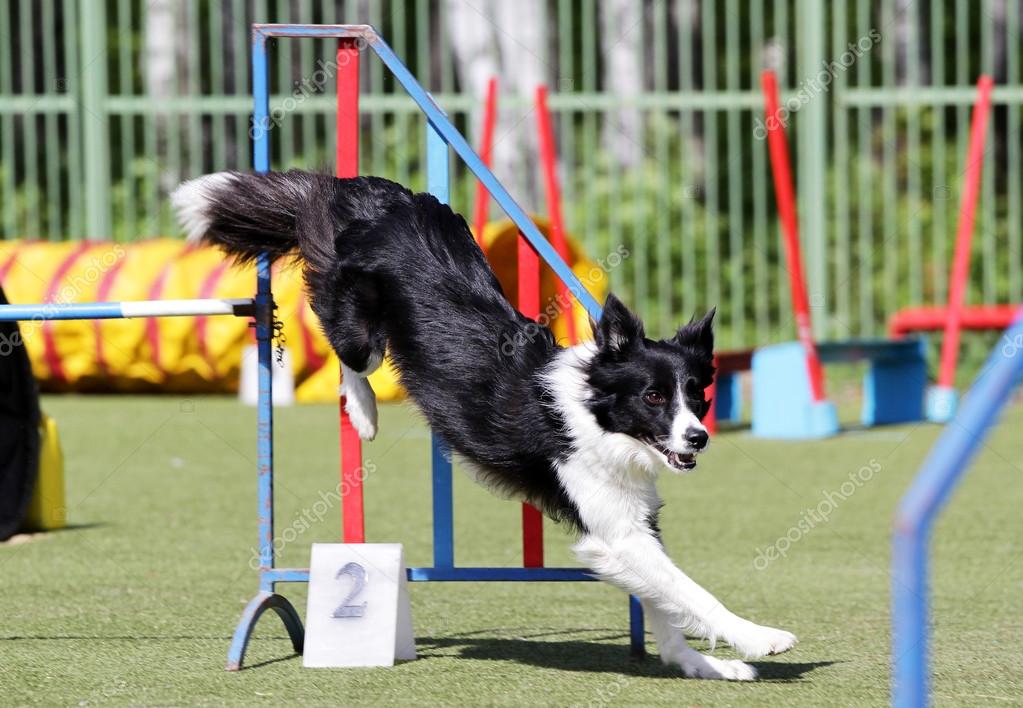
Agility training uses obstacles like tunnels and jumps. It improves your dog’s speed and coordination. Start with simple courses and short sessions. Use treats and praise to encourage your dog. Agility training builds confidence and strengthens your bond. It also provides both physical and mental exercise.
Dealing With Behavioral Issues
Training a Border Collie can bring many challenges, especially when dealing with behavioral issues. These dogs are very smart and active, so they sometimes show unwanted behaviors. Understanding how to manage these problems is key to a happy dog and owner.
Behavioral issues like barking, chewing, digging, and separation anxiety can disrupt daily life. Each problem needs a clear plan and patience. Let’s explore how to handle these common behaviors effectively.
Managing Excessive Barking
Border Collies bark to communicate, but too much can be a problem. Identify what triggers the barking. It could be strangers, boredom, or excitement. Use calm commands to stop barking. Reward quiet behavior with treats or praise. Provide enough exercise to reduce energy. A tired dog barks less. Avoid yelling as it may increase barking.
Addressing Chewing And Digging
Chewing and digging are natural but can damage your home. Offer plenty of toys to chew on. Redirect chewing from furniture to toys. For digging, create a designated digging area. Praise your dog for using this spot. Exercise helps reduce these behaviors. A tired Border Collie chews and digs less. Watch for stress signs that cause chewing.
Preventing Separation Anxiety
Border Collies can feel upset when left alone. Separation anxiety causes barking, chewing, and accidents. Start with short separations and increase time slowly. Create a safe space with toys and water. Avoid long goodbyes to keep calm. Use a consistent routine to reduce stress. Consider calming aids or a vet visit if anxiety is severe.

Credit: www.youtube.com
Tools And Resources For Training
Training a Border Collie requires the right tools and resources. These help you teach your dog effectively and keep the process fun. Good equipment, useful books, and knowing when to ask for help all play a role in success.
Choosing The Right Training Equipment
Start with a comfortable collar or harness. It should fit well and not hurt your dog. A sturdy leash around 6 feet long works best for control. Treat bags keep rewards handy during training sessions. Clickers help mark good behavior clearly and quickly. Toys can motivate your dog and make learning fun. Avoid harsh tools like prong collars or shock devices. Positive tools lead to better results and trust.
Recommended Books And Online Courses
Books written by dog trainers offer step-by-step guidance. Look for ones focused on Border Collies or herding breeds. Online courses let you learn at your own pace. Choose courses with video demonstrations and clear instructions. Free videos on trusted websites can also help. Keep notes on what works for your dog. Learning consistently improves training skills and your bond.
When To Seek Professional Help
Some problems need expert advice. If your dog shows aggression or fear, get help early. Trainers can teach you techniques to handle tough situations. Puppy classes build social skills and obedience. Professional guidance ensures safety for you and your dog. Don’t wait too long to ask for help. Early support makes training easier and more effective.
Credit: usserviceanimals.org
Frequently Asked Questions
How Long Does It Take To Train A Border Collie?
Training a Border Collie typically takes 6 to 12 months of consistent effort. Early socialization and basic commands can be taught within weeks. Advanced skills and obedience require ongoing practice. Patience and regular sessions improve results and strengthen your bond.
What Is The Best Age To Start Training?
The ideal age to start training a Border Collie is 8 weeks old. Early training helps establish good behavior and social skills. Puppies learn quickly and adapt well to routines. Starting young prevents future behavioral problems.
How Often Should I Train My Border Collie?
Daily training sessions of 10 to 20 minutes are best for Border Collies. Short, frequent sessions keep them engaged without causing fatigue. Consistency helps reinforce commands and improves learning speed. Avoid overtraining to prevent boredom.
What Training Methods Work Best For Border Collies?
Positive reinforcement, such as treats and praise, works best for Border Collies. They respond well to rewards and clear commands. Avoid harsh punishments, as it may harm trust. Use interactive and mentally stimulating exercises for effective training.
Conclusion
Training your Border Collie takes patience and love. Consistency helps your dog learn faster. Keep sessions short and fun to hold attention. Reward good behavior with treats and praise. Practice daily for best results. Remember, every dog learns at its own pace.
Enjoy the process and build a strong bond. Your Border Collie will thrive with your care. Training creates a happy, well-behaved companion. Start today and see the difference grow.
