
Stop Border Collie Separation Anxiety: Proven Tips to Calm Your Dog

Does your Border Collie get anxious the moment you leave the room? You’re not alone.
Separation anxiety in Border Collies can turn peaceful homes into stressful places—for both you and your dog. But what if you could change that? Imagine coming back to a calm, happy pup instead of a stressed, destructive one. You’ll discover simple, effective ways to stop your Border Collie’s separation anxiety for good.
Keep reading, because your dog’s well-being—and your peace of mind—are about to improve.
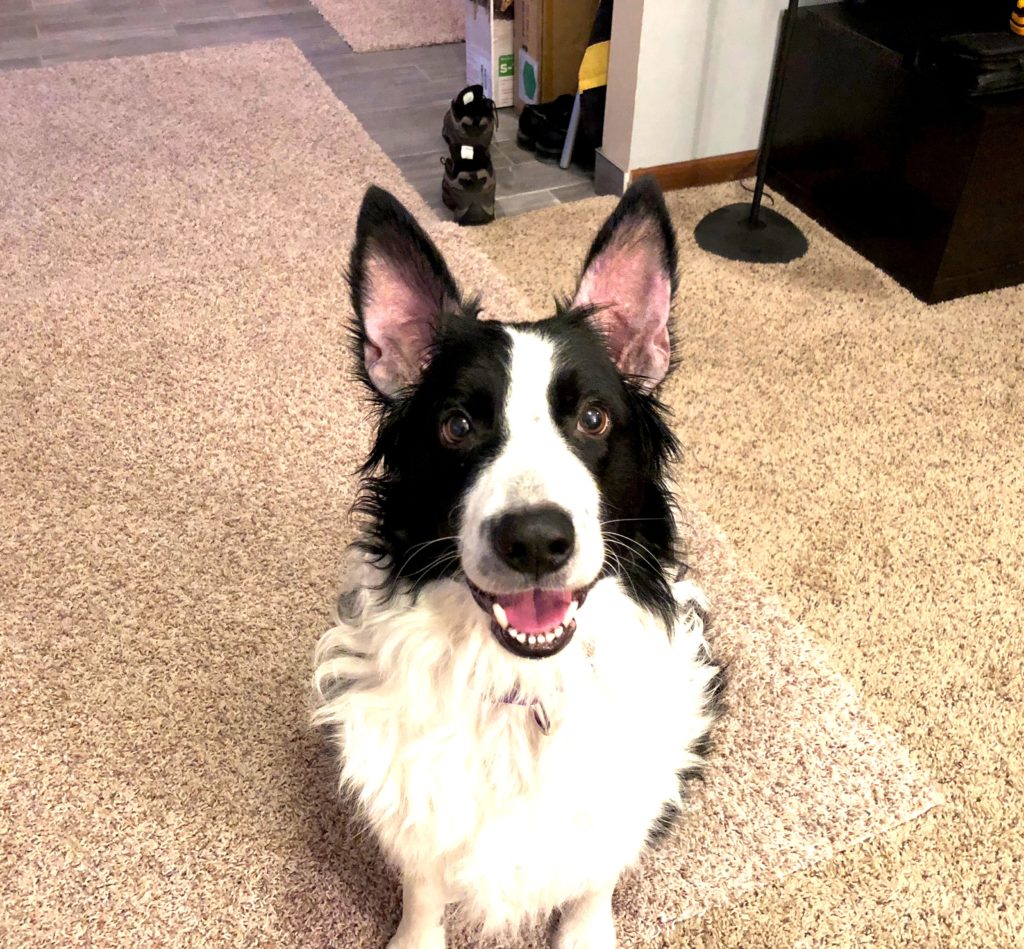
Credit: www.doggoneproblems.com
Causes Of Separation Anxiety
Separation anxiety in Border Collies occurs when they feel stressed or scared being alone. This condition can cause distress and lead to unwanted behaviors. Understanding what causes separation anxiety is key to helping your dog feel calm and safe.
Several factors can trigger anxiety in Border Collies. These dogs are smart and social, so changes in routine or environment may upset them. Identifying the root causes helps to prevent or reduce anxiety episodes.
Common Triggers In Border Collies
Sudden changes in daily routine can upset a Border Collie. Moving to a new home or changing family schedules may cause stress. Leaving your dog alone for longer than usual is another trigger. Lack of exercise or mental stimulation can also increase anxiety levels. Border Collies need constant activity and attention to stay happy.
Behavioral Signs To Watch For
Look for signs like barking, whining, or howling when your dog is alone. Destructive chewing or scratching near doors and windows is common. Some dogs may try to escape or pace around the house. Loss of appetite or excessive drooling can also signal anxiety. Recognizing these behaviors early helps you take action quickly.
Training Techniques To Reduce Anxiety
Training can help reduce separation anxiety in Border Collies. It takes time and patience. The goal is to make your dog feel safe and calm when alone. Using the right techniques can ease their stress. Two effective methods are gradual desensitization and positive reinforcement.
Gradual Desensitization
Gradual desensitization means slowly getting your dog used to being alone. Start with very short separations. Leave your dog alone for just a few seconds at first. Then, slowly increase the time you are away. This helps your dog learn that being alone is okay. Avoid long absences early on. Watch your dog’s reactions closely. If your dog shows signs of stress, go back to shorter times. Repeat the process daily. Over time, your dog will feel less anxious.
Positive Reinforcement Strategies
Positive reinforcement rewards good behavior. Give your dog treats or praise when they stay calm. Use a calm voice to make your dog feel safe. Reward your dog right after you return home. This links your return with something nice. Avoid punishing your dog for anxiety. Punishment can increase fear and stress. Create a special toy or treat your dog gets only when alone. This makes alone time more pleasant. Keep training sessions short and consistent for best results.
Creating A Safe Space
Creating a safe space helps your Border Collie feel calm and secure. This space becomes their retreat during times of stress or separation. A well-prepared area reduces anxiety and builds confidence.
Focus on comfort and calmness. Your dog should want to spend time there. The environment must be inviting and soothing.
Comfort Items And Toys
Choose soft bedding to make the space cozy. A favorite blanket or pillow adds warmth and comfort. Comfort items carry your scent, which helps your dog feel safe.
Toys keep your Border Collie busy and distracted. Chew toys or puzzle toys challenge their mind. Rotate toys often to keep their interest alive.
Designing A Calm Environment
Keep the space quiet and free from loud noises. Use soft lighting instead of bright bulbs. A calm environment helps lower stress levels.
Place the space in a low-traffic area. Avoid spots near doors or windows where noises come in. This helps your dog relax and feel secure.

Credit: www.reddit.com
Exercise And Mental Stimulation
Exercise and mental stimulation play a key role in stopping Border Collie separation anxiety. These dogs have high energy and sharp minds. Without enough activity, they may feel bored or stressed. This can lead to destructive behavior or excessive barking. Giving your Border Collie both physical and mental challenges helps them stay calm and happy.
Regular exercise burns off extra energy. It also improves mood and focus. Mental tasks keep their brain busy and reduce feelings of loneliness. Combining both types of stimulation helps your dog feel secure even when you are away.
Daily Physical Activities
Daily exercise helps control anxiety in Border Collies. Long walks or runs use up their energy. Playing fetch or frisbee encourages active movement. These activities build muscle and release calming endorphins. Try to exercise your dog at least one hour each day. Consistent routines make dogs feel safe and reduce stress. Avoid very intense sessions before leaving your dog alone. Gentle exercise calms nerves better.
Interactive Games And Puzzles
Interactive games keep Border Collies mentally sharp. Puzzle toys challenge their problem-solving skills. Hide treats inside toys to motivate your dog. These tasks distract them from feeling lonely or anxious. Training sessions with commands or tricks also improve focus. Rotate toys and puzzles to keep interest high. Mental games tire the mind, just like physical activity tires the body. This balance helps reduce separation anxiety effectively.
Use Of Calming Aids
Separation anxiety in Border Collies can cause stress for both the dog and owner. Calming aids help reduce this anxiety. They create a soothing environment and ease nervousness. These aids support your dog during alone time and help build calm behavior. Using calming aids is a gentle way to comfort your Border Collie and improve their well-being.
Natural Remedies
Natural remedies use safe ingredients to calm your dog. Lavender and chamomile scents work well. These scents relax the mind and body. Giving your dog a warm bath with calming herbs may help. Herbal supplements like valerian root can soothe anxiety. Always check with a vet before trying new remedies. These options are gentle and support your dog naturally.
Professional Products And Tools
Professional products target anxiety with proven results. Calming collars release soothing pheromones that comfort dogs. Anxiety wraps apply gentle pressure, mimicking a hug. These wraps help lower heart rates and stress. Audio or music therapy designed for dogs can reduce tension. Consult your vet to choose the best product. These tools assist in creating a calm space for your Border Collie.
When To Seek Professional Help
Knowing when to seek professional help for your Border Collie’s separation anxiety is important. Some signs show the anxiety is severe and needs expert care. Early help can improve your dog’s well-being and your peace of mind.
Signs Of Severe Anxiety
Severe anxiety shows in many ways. Your dog may bark or howl nonstop. They might chew doors, windows, or furniture badly. Some dogs try to escape, causing injuries. Loss of appetite or vomiting can happen too. These signs mean your dog feels very stressed. It is not just normal nervousness anymore.
Choosing A Behaviorist Or Trainer
Pick a professional with experience in dog anxiety. A certified animal behaviorist knows how to handle complex cases. Trainers with positive methods help reduce fear without pain. Ask about their success with separation anxiety. Find someone who explains clearly and answers your questions. The right expert guides you and your dog carefully.
Credit: www.doggoneproblems.com
Frequently Asked Questions
What Are Common Signs Of Border Collie Separation Anxiety?
Common signs include excessive barking, destructive behavior, pacing, and house soiling. Your dog may also drool or try to escape when left alone. Recognizing these signs early helps you address the anxiety effectively and improve your pet’s well-being.
How Can I Prevent Separation Anxiety In My Border Collie?
Prevent separation anxiety by gradually increasing alone time, providing toys, and maintaining a consistent routine. Positive reinforcement when your dog stays calm alone is essential. Early training and mental stimulation reduce anxiety and help your Border Collie feel secure.
What Role Does Exercise Play In Reducing Separation Anxiety?
Exercise helps burn off excess energy, reducing anxiety and restlessness. Border Collies need physical and mental activity daily. A tired dog is less likely to feel anxious and more likely to relax when left alone.
Can Crate Training Help With Border Collie Separation Anxiety?
Yes, crate training creates a safe, comfortable space for your dog. It helps build positive associations with being alone. Introduce the crate gradually and use treats to make it inviting, reducing anxiety over time.
Conclusion
Helping your Border Collie feel calm alone takes time and care. Start small and be patient each day. Use toys, treats, and gentle training to build trust. Watch for signs of stress and adjust your approach. A happy dog is a relaxed dog.
Your efforts will pay off with a calmer, confident pet. Keep love and consistency at the heart of your plan. Together, you can reduce separation anxiety and enjoy peaceful moments apart.