
Border Collie Food Transition Diarrhea: What’s Normal, What’s Not, and What to Do Next

Border Collies can be energetic, food-motivated, and surprisingly sensitive when their diet changes. Because they are often active and very food-driven, owners may notice diet changes quickly — and it can be easy to miss overfeeding, extra treats, or a richer formula until the stool changes. If your dog develops loose stool or diarrhea after a food switch, the first question is usually simple: did the new food trigger it, or is something else going on?
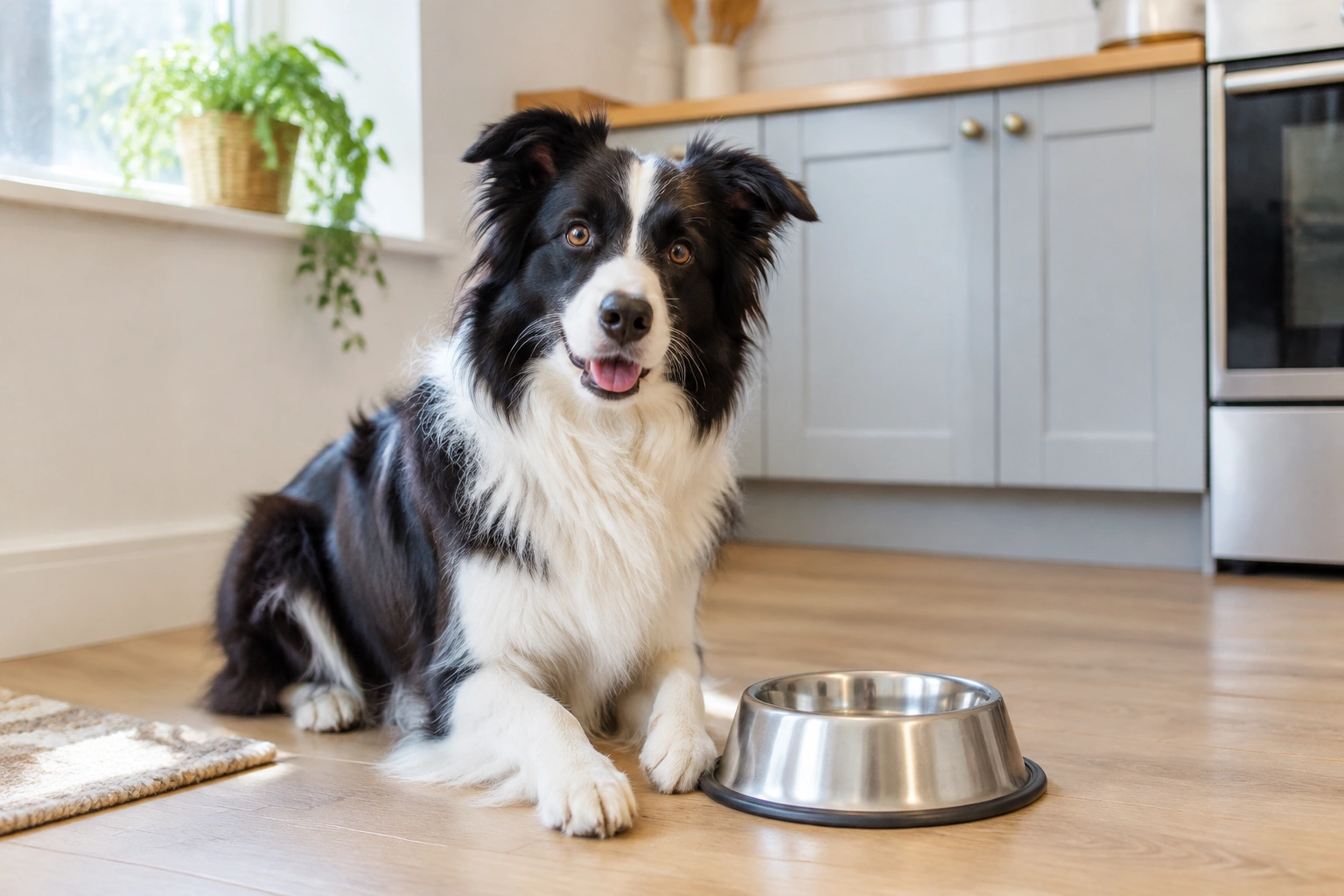
In many cases, the answer is “the transition was too fast” or “too many variables changed at once.” But persistent diarrhea is not something to shrug off, especially if your Border Collie is also vomiting, acting tired, or refusing water. The goal is not to guess. It’s to narrow the cause, protect hydration, and decide whether to slow the switch, pause it, or call the vet.
Why Border Collies Can Get Diarrhea After a Food Change
A diet change can upset any dog’s gut. Border Collies are not proven to be uniquely prone to transition diarrhea, but many owners do describe them as having sensitive stomachs. In practice, the breed’s activity level and appetite can make feeding mistakes more obvious: a richer formula, a sudden calorie jump, or a new treat routine can show up quickly in the stool.
The most common reason is simple: the digestive system needs time to adjust to a different protein, fat level, fiber level, or ingredient mix. Even if both foods are “good” foods, they are not the same food. A bowl that looks identical in size can also deliver very different calories. PetMD notes that you should not assume the same amount works across brands because caloric values vary.
Other common triggers during a food switch include:
- changing the main food too quickly
- introducing new treats, chews, toppers, or table scraps at the same time
- moving to a richer or higher-fat diet
- overfeeding during the transition
- switching between formulas with very different ingredients
That last point matters more than many owners expect. A dog may do fine on one chicken-based food and struggle with another because the fat level, fiber content, or overall digestibility is different.
Is It Normal or Concerning? How Long Transition Diarrhea Should Last
A little soft stool during a transition can happen. Watery diarrhea, repeated accidents, or symptoms that keep worsening are a different category.
A practical rule:
- Mild soft stool for a day or two after a food switch can be a temporary adjustment.
- Diarrhea that is watery, keeps worsening, or does not improve quickly after you slow or pause the switch is a sign to contact your vet.
- Diarrhea with vomiting, lethargy, blood, pain, or dehydration should be treated as urgent.
A useful way to judge it is by trend, not just by one bowel movement. If the stool is slightly softer on day 2 but improves by day 3 or 4, that usually points to a manageable transition issue. If it becomes looser each day, or your dog starts refusing food, the switch is not going smoothly.
The puppy study on abrupt vs gradual diet change found that the abrupt-change group had a higher mean fecal score, higher soft stool rate, and higher diarrhea rate during the transition period than the gradual-transition group. That does not prove every Border Collie will react the same way, but it does support the practical advice most veterinarians give: gradual changes are easier on the gut. Study on abrupt vs gradual dietary transition in puppies
How to Transition Your Border Collie’s Food Safely
If your dog has a sensitive stomach, a 7- to 10-day transition is usually more forgiving than a same-day switch. Some dogs need even longer, especially if they’ve had previous digestive upset.
A simple schedule:
- Days 1–3: 75% old food, 25% new food
- Days 4–6: 50% old food, 50% new food
- Days 7–9: 25% old food, 75% new food
- Day 10: 100% new food
If your Border Collie is especially sensitive, stretch each step longer instead of pushing forward on a calendar. There is no prize for finishing fast.
A few practical rules make the transition smoother:
- Measure by weight or a consistent cup, not by eye.
- Keep treats and chews unchanged during the switch.
- Feed the same number of meals each day.
- Do not add toppers “to help the dog like the new food.” That often muddies the water.
If stool softens at one step, stay there longer. If diarrhea appears, the switch is moving too fast for that dog. If it becomes watery or starts to worsen, stop advancing the transition and go back to the last ratio that was tolerated, or pause the new food altogether.
What to Do Right Away If Diarrhea Starts
If loose stool shows up during the change, the first move is usually to pause the transition rather than pushing through it.
A practical reset looks like this:
- go back to the last ratio that was tolerated, or
- return to the old food for a few days if the diarrhea is clearly more than mild soft stool
If the diarrhea is watery or is getting worse, do not keep trying to advance the new food. Pause the switch and contact your vet if it does not improve quickly or if any red flags appear.
Next, check the basics:
- Is your dog drinking?
- Is energy normal?
- Is there vomiting?
- Is there blood or black stool?
- Did anything else change besides the food?
If your Border Collie is otherwise bright, drinking, and only mildly upset, a short reset plus closer monitoring may be enough. If the dog seems unwell, do not keep experimenting at home.
Bland Diet and Digestive Support Options During a Diarrhea Episode
For short-term diarrhea, a bland diet is often used to reduce digestive workload. One veterinary hospital recommends boiled white meat chicken with the skin and fat removed, combined with boiled long grain white rice in a 2-to-1 rice-to-meat ratio. That ratio is a common veterinary suggestion, but it is not the only acceptable option, and your vet may recommend something different based on your dog’s needs. Another common approach is a commercial gastrointestinal diet, which can be easier to use because it is nutritionally complete.

Here’s the trade-off:
- Bland home-cooked food is usually easy to find and simple on the stomach, but it is temporary and not balanced for long-term feeding.
- Commercial gastrointestinal diets are more complete and often more convenient, but they cost more and may not be in every pantry.
If you use a bland diet, keep portions small and feed several small meals instead of one large meal. Use it only as a short-term bridge — generally a few days, not a long-term plan. If the stool is not clearly improving within that window, or diarrhea returns when you try to move back to regular food, the problem may be more than a simple transition upset.
Some owners also use probiotics or psyllium during a digestive upset. Those may help some dogs, but they are not a substitute for veterinary care if the diarrhea is severe, persistent, or paired with other symptoms. Guide Dogs for the Blind advises against fasting puppies with diarrhea and against giving Pepto Bismol or Imodium. That caution is sensible for many dogs, especially without veterinary direction.
How Treats, Chews, Toppers, and Table Scraps Can Sabotage a Food Transition
A food switch is only as clean as the rest of the diet.
If you change kibble but also start a new training treat, a different chew, or a richer topper, you no longer know what caused the diarrhea. That is one reason owners sometimes blame the new food when the real issue is the extra “little” foods.
Use this troubleshooting checklist:
- Did you start new treats in the same week?
- Did someone give table scraps?
- Did you add a bone, chew, or dental stick?
- Did you change supplements, oils, or probiotics at the same time?
- Did the dog raid another pet’s food?
If the answer to any of those is yes, simplify the diet for several days. During a transition, boring is useful. The fewer variables you have, the easier it is to spot the trigger.
Food Intolerance vs Food Allergy vs Something Else
Recurring diarrhea after food changes can mean a few different things.
Food intolerance usually means the dog does not handle a certain ingredient or formula well. It often shows up as loose stool, gas, or mild digestive upset.
Food allergy is an immune reaction and can involve skin signs such as itching, ear problems, or recurring infections along with digestive issues.
A dog that gets diarrhea every time a certain ingredient is introduced may have an intolerance, but that pattern alone does not prove an allergy. If the problem happens with multiple foods, especially if symptoms include vomiting, weight loss, or poor appetite, the issue may be broader than food choice.
Also consider non-food causes. A Border Collie can have diarrhea that coincidentally appears after a food switch but is actually due to parasites, infection, stress, or another medical problem. If the timing is unclear, or the diarrhea does not improve when you pause the transition, do not keep assuming it’s just the kibble.
When to Ask Your Veterinarian
Call your vet sooner rather than later if any of these apply:
- diarrhea is watery or frequent
- there is blood, mucus, or black/tarry stool
- your dog vomits more than once
- your Border Collie is lethargic, painful, or won’t eat
- drinking drops off or dehydration is possible
- symptoms last beyond a short transition window
- diarrhea returns every time you try to change foods
- your dog is a puppy, senior, or has another health condition
Dehydration is the main thing to watch at home. Repeated loose stools can deplete fluids faster than many owners realize, especially in an active dog. If your dog seems weak, has dry gums, or cannot keep water down, treat it as urgent.
How to Choose a Better-Tolerated Food for a Sensitive Border Collie
If your dog repeatedly gets diarrhea during food changes, the next food choice matters.
Look for a formula that is:
- complete and balanced for the correct life stage
- moderate in fat rather than rich
- easy to digest
- not overloaded with extras
- simple enough that you can identify the main protein and carb sources
Some Border Collies do better on a sensitive-stomach formula or a single-protein diet, especially when repeated loose stools make it hard to tell what is causing the problem. Others do best on a veterinary gastrointestinal diet for a period of time, particularly if the gut needs to settle before another switch.
The main decision point is not “grain-free or not” or “premium or not.” It’s whether the food is digestible for your individual dog and whether you can transition to it without triggering another flare-up.
If you want a broader guide to choosing a diet, see our Border Collie food recommendations and our feeding chart by age, weight, and activity for context on how much your dog may actually need. If you’re adjusting portions at the same time, our practical feeding guide by body weight can help you avoid accidental overfeeding.
How to Prevent Food-Transition Diarrhea Next Time
The safest prevention habits are usually the simplest:
- change only one food variable at a time
- use a slow transition, not a one-day swap
- keep treats consistent during the change
- measure meals carefully
- watch stool quality daily, not weekly
- pause the switch early if loose stool appears
If your Border Collie has a history of digestive sensitivity, plan future diet changes around a longer transition window from the start. That one choice prevents a lot of guesswork.
Quick Decision Guide
Use this as a fast filter:
| Situation | Best next step |
|---|---|
| Mild soft stool, dog otherwise normal | Slow the transition and monitor |
| True diarrhea after a fast switch | Pause the new food and reset |
| Diarrhea that is watery or worsening | Pause the switch and contact the vet if it does not improve quickly or if red flags appear |
| Diarrhea plus vomiting or lethargy | Call the vet |
| Repeated diarrhea every time food changes | Consider intolerance, allergy, or another medical issue |
| Diarrhea after new treats/chews too | Remove extras and simplify the diet |
FAQs
How long should I wait before worrying about diarrhea after a food change?
If it is only mild soft stool and your dog is otherwise normal, watch it closely for a short period. If diarrhea continues, worsens, becomes watery, or comes with other symptoms, it is no longer a routine transition issue.
Should I stop the new food if diarrhea starts?
If the stool is clearly loose or watery, pausing the transition is usually the safer move. If it is only slightly softer than normal, you may be able to slow down instead of stopping completely.
Can probiotics help?
They may help some dogs, especially during a short digestive reset. They are not a fix for severe diarrhea, and they should not delay a vet visit when red flags are present.
Is chicken and rice always the best bland diet?
It is a common short-term option, but not the only one. A commercial gastrointestinal diet can be a better choice if you want something more complete and easier to portion consistently.
Why does my dog get diarrhea every time I change food?
That pattern suggests your Border Collie may be sensitive to rapid changes, certain ingredients, or both. If it happens repeatedly, ask your vet about a more structured diet plan and whether a sensitive-stomach or veterinary GI food makes sense.
Can treats cause the problem instead of the kibble?
Absolutely. New treats, chews, toppers, and scraps can trigger or prolong diarrhea, especially during a transition. Keep the rest of the diet steady so you can identify the real cause.
How long does it take for stool to normalize after a switch?
That varies by dog and by how quickly the change was made. Some dogs settle within a few days; others need a longer transition. If things are not improving, the food may not be a good fit.
A Border Collie with diarrhea after a food change is usually dealing with a manageable digestive mismatch, not a mystery. The job is to slow the variables down, protect hydration, and decide whether the new food deserves another try or a clean stop.
