
How to Take Care of Animals: A Practical Guide for New Pet Owners

Caring for an animal is a system: food, water, shelter, hygiene, exercise, training, preventive vet care, and daily observation. If one part slips, the rest usually follows. Good animal care is less like a checklist you finish once and more like a routine you repeat every day.
For Border Collie owners, this matters even more. A Border Collie can look “fine” while quietly becoming under-exercised, under-stimulated, or frustrated. That same pattern shows up with many pets: the animal eats, sleeps, and survives, but does not truly thrive. The goal is to notice what the animal needs before problems build.
What Animal Care Actually Means
At the most basic level, animal care means meeting an animal’s physical and behavioral needs consistently. That includes:
- appropriate food and clean water
- safe shelter and a clean living space
- enough exercise and mental activity
- grooming and hygiene
- training and household rules
- preventive veterinary care
- protection from parasites and hazards
- daily observation for signs of stress or illness
The Ross Vet guide makes the point that taking care of animals is more than filling a bowl, walking a dog, or scooping a litter box. That is the right mindset. Those tasks matter, but they are only part of the job. Ross Vet’s animal care overview is a useful reminder that responsible care is broader than one routine.
A helpful way to think about it: if the animal depends on you for it, it belongs in your care plan. That includes the obvious things, like meals, and the easy-to-miss things, like boredom, escape risks, and early signs of pain.
A simple daily care checklist
For most pets, the daily basics are similar:
- check fresh water
- feed the right amount at the right time
- clean up waste or dirty bedding
- give exercise or active play
- do a quick hands-on health check
- spend a few minutes on training or enrichment
- notice changes in appetite, energy, hiding, or elimination
How this looks by species:
– Dogs: usually need structured exercise, bathroom breaks, and more active training
– Cats: usually need litter-box cleaning, quiet enrichment, climbing or hiding options, and less direct handling
– Other common pets: rabbits, birds, and small mammals often need very specific housing, sanitation, and diet routines, so their care may be more specialized than a beginner expects
Start With the Animal’s Species, Age, and Energy Level
Not all animals need the same care. A puppy is not a senior dog. A high-energy Border Collie is not a couch-potato breed. A cat, rabbit, fish, or bird will have different housing, feeding, and enrichment needs again. If you use one generic routine for every animal, something important will be missed.
Use these three filters before deciding on a care plan:
Species
Different species need different environments, diets, and handling. A dog needs structured exercise and training. A cat needs vertical space, litter-box hygiene, and quieter environmental enrichment. Small pets and birds often need very specific housing and sanitation routines.
Age
Young animals usually need more supervision, more frequent meals, and more training. Older animals may need gentler exercise, more bedding support, and closer monitoring for pain or mobility changes.
Energy level and temperament
A calm adult dog may be content with moderate daily walks and a little play. A Border Collie usually needs more. If you do not account for energy level, you may mistake boredom for “bad behavior.”
Here is a practical comparison:
| Animal type / life stage | Care focus | Common mistake |
|---|---|---|
| Puppy or kitten | Frequent supervision, house training, safe chewing, routine | Expecting adult-level self-control |
| Adult low-energy pet | Consistent meals, moderate exercise, basic enrichment | Underestimating mental boredom |
| Border Collie or similar high-energy dog | Daily physical work plus training and problem-solving | Giving only a walk and assuming that is enough |
| Senior pet | Comfort, mobility support, vet monitoring | Assuming slow changes are “just aging” |
The decision rule is simple: if the animal is restless, destructive, or hard to settle, do not only correct the behavior. Recheck whether the care routine is meeting the animal’s actual needs.
Build the Daily Care Routine
A good routine prevents most beginner mistakes. It also makes it easier to notice when something is off.
For a dog, a practical day often looks like this:
- Morning bathroom break and water check
- Meal at a consistent time
- Exercise or walk
- Short training or enrichment session
- Rest in a safe space
- Another bathroom break
- Evening meal, if fed twice daily
- Calm time, then final bathroom break before bed
For cats and other indoor pets, the details change, but the pattern stays the same: food, water, hygiene, activity, rest, and observation.
Consistency matters because it helps you spot changes. If a dog who normally eats eagerly suddenly ignores breakfast, that is useful information. If a cat that usually uses the litter box begins avoiding it, that is not a minor inconvenience; it may be a health or stress issue.
Food and Water: How to Feed Responsibly
Food should match the animal’s species, age, size, and health status. A growing puppy, an adult dog, and a senior dog should not all eat the same way. The same is true for cats and other pets. If you are unsure, ask your veterinarian for a feeding plan based on the animal in front of you, not a guess from the bag.
Feeding frequency and portions
Most adult dogs do well on a consistent twice-daily feeding routine, but some animals need different schedules. Puppies often need more frequent meals. Portion size should be based on the pet’s body condition, activity level, and the food’s calorie density, not just cup measurements.
A practical way to choose food is to look for a diet that is appropriate for the species and life stage, then confirm with your veterinarian if the animal has special needs. For example, a puppy, adult, and senior pet should not all be fed the same formula by default. If the animal has a medical condition, the diet choice may need to be more specific.
A common mistake is feeding too much because the animal acts hungry. Another is changing food too quickly. If you need to switch diets, transition gradually over several days unless your veterinarian tells you otherwise.
Dry food vs. wet food
Dry food is often easier to store and measure. Wet food can increase palatability and moisture intake. Neither is automatically better for every animal. The better choice depends on the pet’s health, preference, dental status, and your ability to feed consistently.
If your Border Collie is highly active, the main question is not “wet or dry?” but “Is this diet appropriate for age, workload, and body condition?” A dog that is lean and energetic may be doing fine, but energy alone does not rule out a health issue. A dog that is gaining weight or losing condition needs a plan change.
Body condition and portion adjustments
The easiest beginner check is body condition, not just appetite. You should be able to feel ribs without pressing hard, but they should not stick out sharply. If the waist disappears or the belly starts to round out, portions may be too large. If ribs, spine, or hip bones become too visible, the animal may need more food or a vet check.
Adjust portions gradually and recheck body condition over time. If you are unsure whether the pet is at a healthy weight, ask your veterinarian to show you what to look for.
Water
Clean water should be available throughout the day. Refresh it often enough that it stays clean and appealing. If the bowl is slimy, dusty, or visibly dirty, clean it immediately. Reduced drinking, sudden increased drinking, or refusal to drink can all signal a problem.
Safe Shelter and Home Setup
A safe home setup reduces stress and prevents accidents. The goal is not luxury; it is security, comfort, and predictability.
Every animal needs:
– a clean resting area
– protection from extreme heat, cold, and drafts
– a living space free from toxic foods, chemicals, cords, and sharp objects
– a setup that prevents escape or injury
For dogs, the choice often comes down to crate versus open-space setup.
Crate setup
A crate can help with house training, rest, and safety when used correctly. It is useful when the dog needs a predictable den-like space or when you cannot supervise closely. But a crate is not a substitute for exercise, training, or long periods of confinement.
Open-space setup
An open resting area may suit a calm, well-trained adult dog that can settle safely in the home. The trade-off is that it requires better proofing of the environment. If the dog chews, raids counters, or cannot settle, open access may create more problems than it solves.
For a Border Collie, the home should also include a way to practice calmness. A high-energy dog that never learns to rest indoors often becomes harder to live with, not easier.
How to help a dog with itchy ears is a useful related read if your dog is scratching, shaking its head, or showing ear discomfort. Ear irritation often starts small but can become a bigger issue if ignored.
Exercise and Mental Stimulation
Exercise is not optional, but physical movement alone is not enough for many dogs. Mental work matters because it gives the brain a job. That is especially true for Border Collies, which were bred to think, respond, and work closely with people.
A useful rule: if the dog is physically tired but still restless, the routine probably needs more mental work, not just more miles.
What counts as mental stimulation?
- short training sessions
- food puzzles
- scent games
- structured fetch with rules
- learning new cues
- calm problem-solving tasks
Match activity to the animal
Young animals need shorter, safer bursts of activity. Senior pets may need gentler movement with more rest. Dogs recovering from illness or injury may need reduced exercise and veterinary guidance.
Do not confuse “more exercise” with “better care.” Too much activity can cause soreness, overstimulation, or injury. The better question is whether the animal ends the day settled, comfortable, and able to rest.
Grooming and Hygiene Basics
Grooming is partly about appearance, but mostly about health and comfort. It is also one of the easiest ways to catch problems early.
Basic tasks include:
– brushing
– bathing as needed
– nail trimming
– ear checks
– tooth care
– cleaning bedding, bowls, litter areas, or habitat surfaces
For dogs with thick coats, regular brushing helps remove loose hair and lets you spot skin irritation, tangles, or parasites. Nail trimming matters because overly long nails can affect movement and posture. Dental care matters because mouth problems often develop quietly.
If grooming becomes difficult because of coat type, behavior, or physical condition, professional grooming can help. The trade-off is cost and scheduling, but the benefit is fewer mats, fewer skin issues, and less stress for both of you.
For dental care, if you want a deeper practical timeline for cleaning and recovery, see how long dog dental cleaning takes.
Training and Behavior Management
Basic training is part of care because it keeps the animal safe and makes daily life manageable. You do not need advanced obedience to begin, but you do need a few non-negotiables.
Focus on:
– leash manners
– coming when called in safe settings
– settling on a bed or mat
– house rules around furniture, counters, and doors
– polite handling for grooming and vet visits
For a Border Collie, structure matters. These dogs often do better when the day includes clear expectations. If the dog is constantly inventing its own job, that usually means the household has not provided enough direction.
Behavior management should support care, not replace it. If a dog is barking, pacing, herding children, or chewing furniture, ask what need is going unmet. Often the answer is not “more punishment.” It is more structure, more exercise, or more enrichment.
Preventive Veterinary Care and Parasite Protection
Preventive care is the part of animal ownership that catches problems early. It includes wellness exams, vaccinations, parasite prevention, and dental monitoring. Your veterinarian should help set the schedule based on the species, age, lifestyle, and local risks.
The Humane World for Animals resource notes that proper animal care includes veterinary care, and it may also offer general guidance on finding help if cost is a concern. That is worth knowing before an emergency forces a rushed decision. Humane World’s animal care resources can help you think through that planning.
Parasite prevention matters because fleas, ticks, worms, and similar problems can affect comfort and health long before they become obvious. Do not wait until you see a problem to ask about prevention.
When to See a Veterinarian or Certified Trainer
Home care has limits. If the animal shows clear illness or pain, do not keep “watching it” for too long.
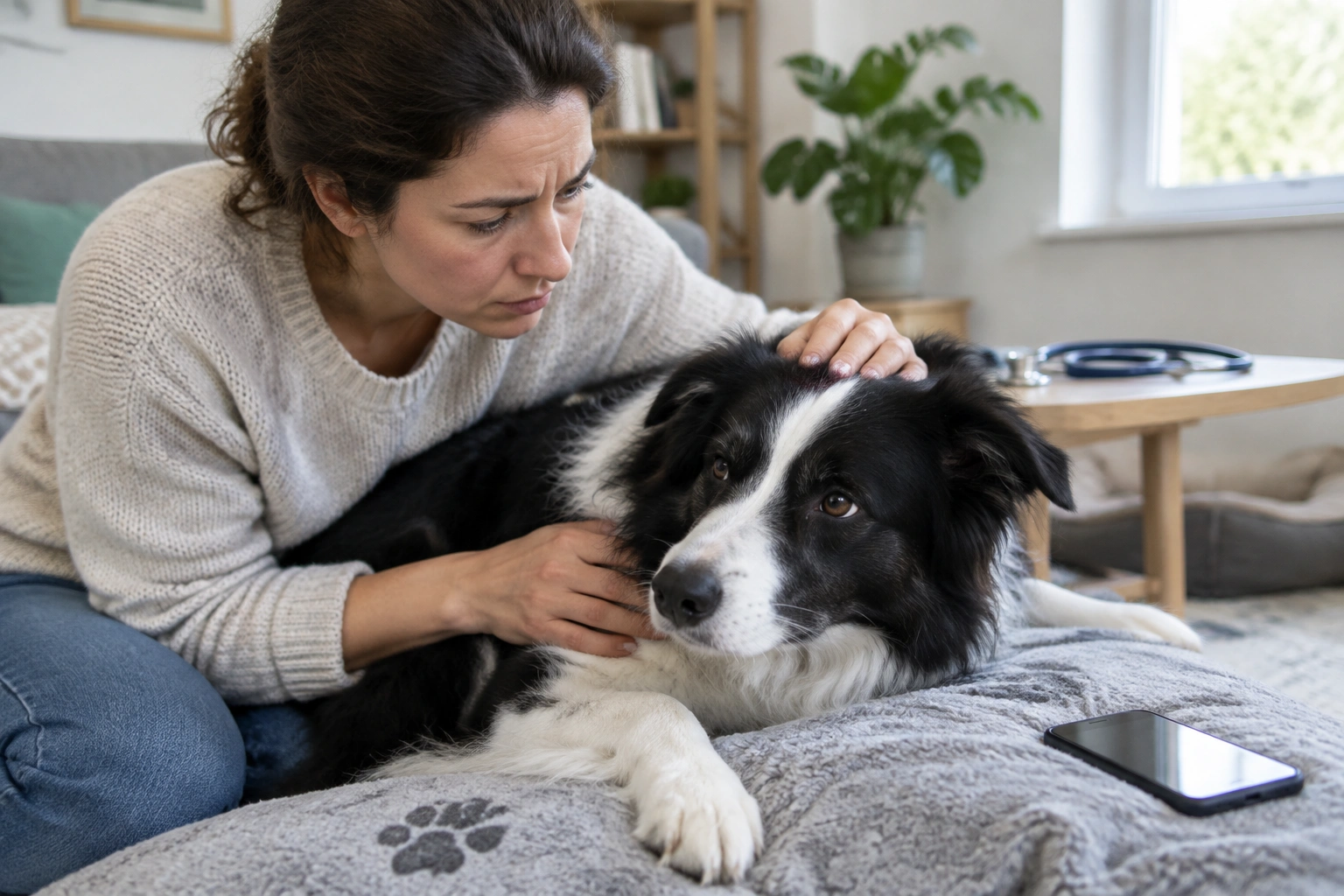
Same-day or urgent vet symptoms
Call a veterinarian promptly, and seek urgent care if needed, for:
– trouble breathing
– collapse
– seizures
– a bloated abdomen
– repeated vomiting or diarrhea, especially if severe or with blood
– blood in vomit, stool, or urine
– not eating or drinking at all
– obvious pain, severe limping, or inability to stand
– sudden severe lethargy
– major trauma or possible poisoning
Routine vet-visit symptoms
These usually still need attention, but they may be able to wait for a scheduled appointment:
– mild appetite changes that last more than a day
– gradual weight gain or loss
– occasional scratching or ear odor
– ongoing bad breath
– mild stiffness or slowing down
– repeated but not severe behavior changes
– litter box changes or house-soiling that are not emergencies
If you are unsure, err on the side of calling. A brief phone conversation with the clinic can help you decide whether the situation needs same-day care.
Stress can also look like illness, and beginners often miss the difference. Hiding, reduced appetite, and changes in elimination can happen with stress, pain, or disease. If the change is sudden, severe, or paired with vomiting, diarrhea, breathing trouble, or obvious discomfort, treat it as a health concern first.
For handling around children and household hygiene, the CDC advises teaching children to wash their hands right after playing with animals or anything in the animal’s environment, including cages, beds, and food or water dishes. It also advises not letting children kiss pets or put their hands or other objects in their mouths after handling animals. You can read more on the CDC’s healthy pets and people guidance.
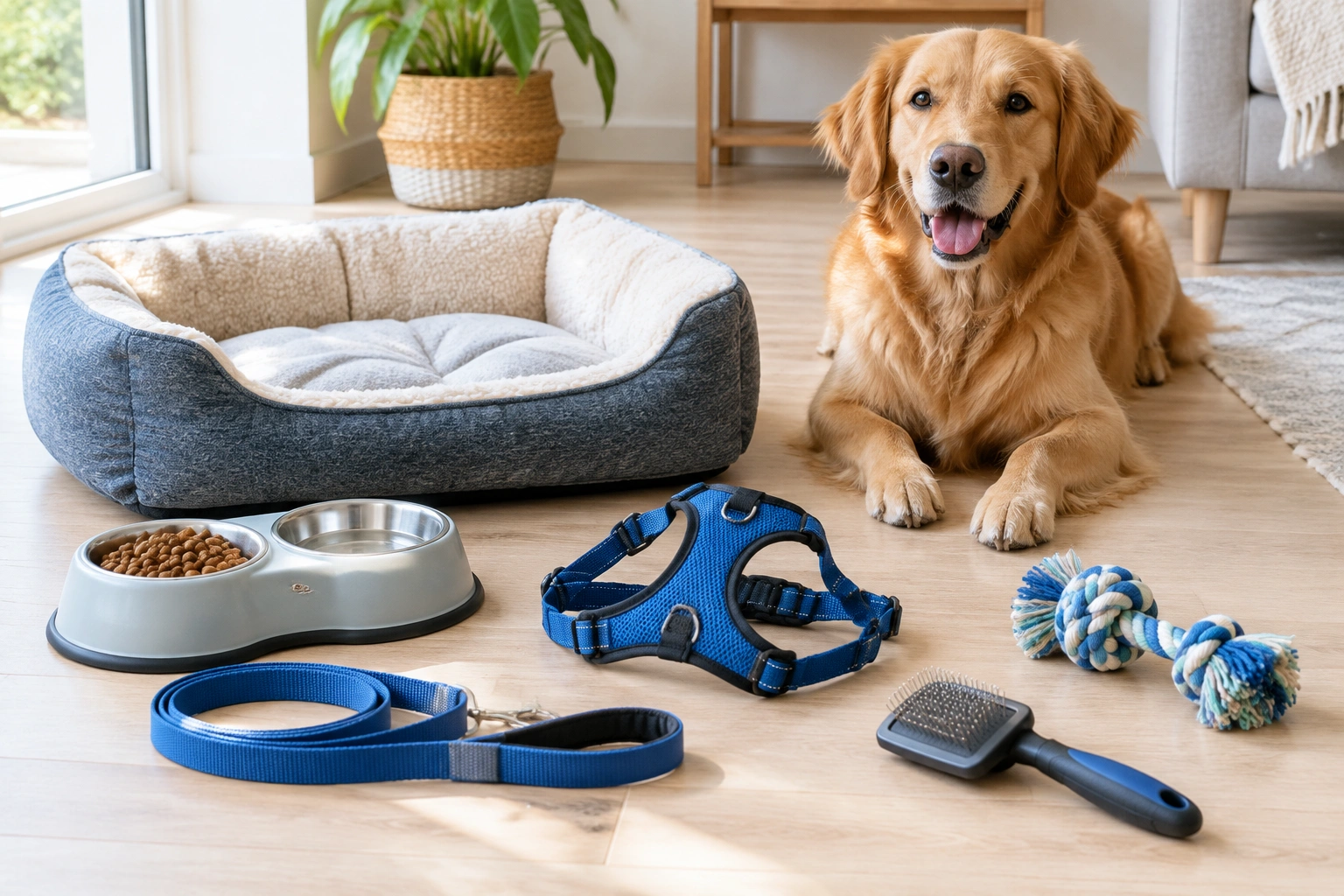
What to Buy Before Bringing an Animal Home
Before adoption or purchase, get the basics in place. This avoids last-minute improvising and makes the first week much calmer.
Essential starter items for a dog
- food recommended for the pet’s age and size
- food and water bowls
- leash
- collar or harness with ID
- bed or crate
- grooming tools
- waste bags
- cleaning supplies safe for pets
- toys or enrichment items
- vet contact information
Helpful but optional depending on the dog
- puzzle feeders
- extra bedding
- travel crate
- grooming table or tools for heavy coats
- gates or exercise pens
If you are deciding between a collar and harness, choose the one that gives you the best control without causing discomfort. For many dogs, a harness is easier on the neck during walks, especially if the dog pulls or is still learning leash manners.
Time, Cost, and Long-Term Responsibility
Animal care is a daily commitment, not a weekend project. The time load depends on species, age, and energy level, but the basic responsibilities never disappear.
Plan for:
– daily feeding and water checks
– exercise and bathroom breaks
– cleaning
– training and supervision
– grooming
– vet visits and preventive care
– replacement of worn supplies
The cost side is just as real. Food, parasite prevention, routine vet care, grooming, training tools, and emergency care all add up. If you are deciding whether you can take on an animal, do not only ask whether you can afford the first month. Ask whether you can support the animal for years.
That question matters most with active dogs like Border Collies. Their needs do not shrink because your schedule gets busy.
Common Beginner Mistakes to Avoid
The most common mistakes are usually not dramatic. They are small gaps that repeat.
1. Treating every animal like the same animal
A one-size-fits-all routine causes problems fast. Match care to species, age, and energy level.
2. Underestimating exercise and enrichment
A dog that is bored is not “bad” in a vacuum. It is often under-stimulated.
3. Skipping preventive care
Waiting for symptoms to become obvious can make problems harder and more expensive to manage.
4. Ignoring changes in appetite, energy, or behavior
These are often the earliest warning signs.
5. Buying supplies without a real routine
A crate, bed, and toys help only if the daily plan supports them.
6. Assuming “natural” or home care can replace professional help
Some issues need a vet, not guesswork.
FAQ
How do I know if my pet is healthy day to day?
Look for steady appetite, normal drinking, regular elimination, a clean coat or body condition for the species, and behavior that is typical for that animal. A sudden change matters more than one odd day.
How do I tell stress from illness?
Stress can cause hiding, appetite changes, or elimination changes, but illness can cause the same signs. If the change is sudden, severe, or comes with vomiting, diarrhea, breathing trouble, pain, or collapse, treat it as a medical issue first.
Are dogs and cats cared for the same way?
No. Dogs usually need more structured exercise, training, and bathroom breaks. Cats usually need litter-box care, quieter enrichment, and more environmental control indoors. Both need food, water, hygiene, and vet care.
When should I call the vet right away?
Call right away for breathing trouble, collapse, seizures, severe pain, bloated abdomen, blood in vomit or stool, or repeated vomiting/diarrhea with weakness or dehydration concerns.
Final Thoughts
The best animal care is steady, not fancy. Feed consistently. Keep water clean. Build a safe home. Exercise the body and the brain. Groom often enough to catch problems early. Use training to support daily life. And know which changes can wait and which need same-day attention.
If you are caring for a Border Collie, remember that this breed usually needs more structure, more activity, and more mental work than many owners expect. For other pets, the same principle applies in a different form: learn the species, watch the daily routine, and adjust before small problems become bigger ones.
