
Why Your Dog Has Eye Boogers Every Day: What’s Normal, What Isn’t, and What to Do

If you keep wiping crust from your dog’s eyes and wondering whether it’s harmless or a sign of trouble, the answer usually comes down to pattern.
A tiny amount of clear or light brown discharge can be normal, especially after sleep. But when the same dog has eye boogers every day, you need to ask a few practical questions:
- Is it always in the morning, or all day?
- Is it clear and small, or thick, yellow, green, or sticky?
- Is it in one eye or both?
- Are the eyes red, swollen, squinty, or painful?
That combination tells you far more than the phrase “eye boogers” ever will.
Dogs naturally make tears to keep the eyes moist and clean. Those tears can mix with dust, oil, mucus, and other debris, then dry into crusts in the corners of the eyes. A small amount is common. But daily discharge that is new, worsening, or paired with irritation deserves attention.
For Border Collie owners, this matters because active dogs spend a lot of time outdoors, where wind, dust, grass seeds, and pollen can irritate the eyes. A dog that works, runs, or plays hard may simply collect more debris. Still, recurring discharge should not be dismissed just because the dog seems otherwise fine.
Is It Normal for a Dog to Have Eye Boogers Every Day?
Sometimes, yes. But “every day” is not the same as “normal.”
A little crust in the morning can be part of normal tear drainage. Hill’s Pet notes that a small amount of light brown crust is often seen after sleep, and the eyes should be clear the rest of the day. That is the key distinction: occasional morning buildup is different from persistent discharge.
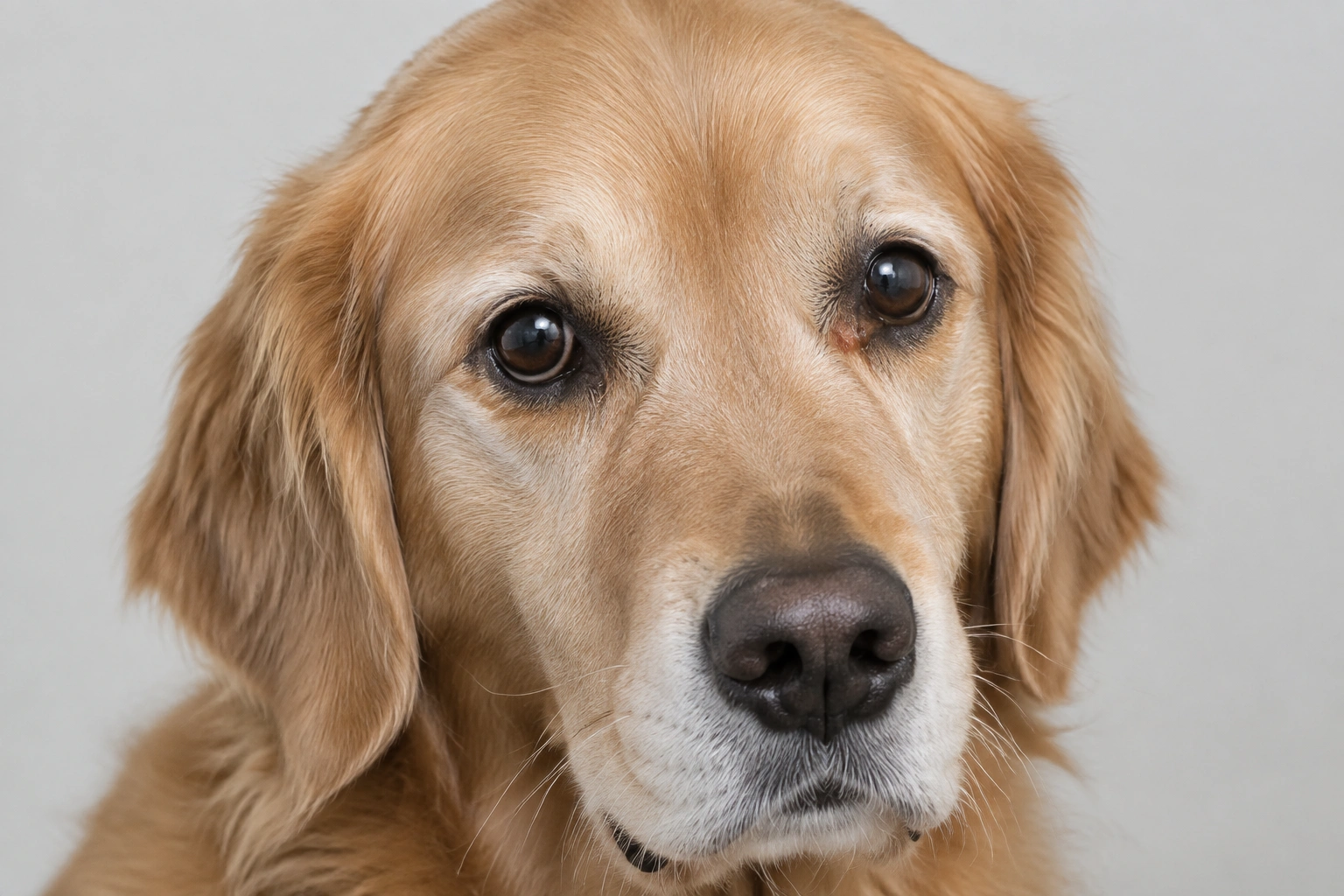
A useful rule of thumb:
- More likely normal: tiny crusts, clear or light brown, mostly after naps or overnight, with no redness or discomfort
- More likely a problem: discharge that returns throughout the day, gets thicker, changes color, or comes with squinting, redness, or pawing at the eye
Frequency alone does not diagnose the cause. A dog may have daily discharge because of harmless tear drainage, but the same pattern can also show up with allergies, dry eye, infection, blocked tear ducts, or eyelid problems. That is why the surrounding signs matter.
If the discharge has been the same for months and the eyes look comfortable, it may be a chronic but mild issue. If it’s a new change, or one eye suddenly starts producing more than the other, treat that as a clue rather than a nuisance.
What Different Eye Discharge Colors and Textures Mean
Color and texture are the quickest way to sort “probably mild” from “needs attention.”
| Discharge type | What it may suggest | How concerned to be |
|---|---|---|
| Clear, watery | Mild irritation, allergies, tear overflow, or normal tears | Low to moderate if temporary |
| White or light gray | Dryness, mild irritation, or mucus mixed with tears | Low to moderate |
| Light brown crust | Normal dried tears, especially after sleep | Usually low if small and stable |
| Yellow | Infection or significant inflammation | Moderate to high |
| Green | Strong concern for infection | High |
| Thick, sticky, gooey | Inflammation, infection, or tear drainage issue | Moderate to high |
| Bloody or rust-colored | Trauma, severe irritation, or another eye problem | High |
| One eye only, persistent | Scratch, foreign body, tear duct issue, eyelid problem | Moderate to high |
Color is only a clue, not a diagnosis: clear or watery discharge can show up early in infection or with corneal irritation, and yellow or green discharge is not exclusively caused by infection.
Yellow or green discharge is the biggest color warning sign because it often points toward infection. Thick discharge also matters because it usually means the eye is reacting to something more than simple dust.
Watery discharge is trickier. It can happen with allergies, but it can also happen when the eye is trying to flush out an irritant or when tears are not draining properly. So a watery eye is not automatically “safe”; it depends on the rest of the picture.
If you want a deeper breakdown of green discharge specifically, this guide on green eye boogers in dogs is worth reading next.
Common Reasons Dogs Get Daily Eye Boogers
Daily discharge usually comes from one of a handful of causes. The challenge is that several of them look similar at first.
Allergies and environmental irritation
This is one of the most common reasons dogs get watery, recurring discharge. Pollen, dust, grass, smoke, and even wind can irritate the eyes. When allergies are involved, you often see:
- watery eyes
- mild redness
- rubbing or face-pawing
- symptoms that flare seasonally or after outdoor exposure
Allergy-related discharge is often bilateral, meaning both eyes are affected. That does not prove allergies, but it makes them more likely than a scratch or foreign body in one eye.
The trade-off here is simple: mild allergy irritation can often be managed with cleaning and environmental control, but you should not assume allergies if the discharge turns yellow or green, or if the dog seems painful.
Dust, debris, and outdoor exposure
A dog that runs in dry grass, dirt, or windy conditions may simply collect more material in the eyes. This is especially believable in active dogs that spend long periods outdoors.
The discharge may be:
– clear or lightly colored
– crusty after rest
– worse after a walk, hike, or play session
If the eyes look comfortable and the discharge is small, this may be a maintenance issue rather than a medical one. But if debris keeps returning despite cleaning, something is still irritating the eye.
Dry eye, also called keratoconjunctivitis sicca
Dry eye happens when the eyes do not make enough tears. That sounds backward, but it often causes more discharge, not less, because the eye surface becomes irritated and the body responds with mucus.
Clues that point toward dry eye:
– thick, sticky discharge
– recurring redness
– dull or uncomfortable-looking eyes
– discharge that keeps coming back even after cleaning
Dry eye is not something to manage casually at home for long. It usually needs a veterinarian’s diagnosis and treatment plan.
Conjunctivitis
Conjunctivitis means inflammation of the tissue around the eye. It can come from infection, irritation, allergies, or other causes.
Common signs:
– red or pink eyes
– discharge that may be watery, thick, yellow, or green
– squinting or blinking more than usual
– rubbing the face
The important point is that conjunctivitis is a description of inflammation, not a final answer. The underlying cause still has to be identified.
Blocked tear ducts or poor tear drainage
Tears normally drain through small ducts near the inner corner of the eye. If those ducts are blocked or not working well, tears spill over and stain the fur below the eye.
You may see:
– constant wetness under one or both eyes
– tear stains
– discharge that seems more like overflow than infection
– repeated moisture in the same spot
This often becomes a chronic management issue rather than a one-time fix.
Corneal irritation or a scratch
A corneal scratch can happen from grass, dust, a paw, a stick, or rough play. This is more urgent than simple tear staining because the eye surface itself is injured.
Warning signs:
– sudden squinting
– pawing at one eye
– tearing from one eye
– sensitivity to light
– obvious discomfort
If the dog is acting like the eye hurts, do not treat it as routine discharge.
Eyelid or eyelash problems
Some dogs have eyelid shapes, lash positions, or hair growth patterns that rub the eye. That ongoing friction can cause daily discharge and repeated irritation.
This tends to look like:
– one eye worse than the other
– recurring redness
– discharge that never fully resolves
– signs that the eye is being mechanically irritated
These problems often need a vet exam because home cleaning will not fix the underlying rubbing.
How Breed Anatomy and Sensitivity Can Contribute
Breed matters, but not in a simplistic “this breed always has eye problems” way.
Border Collies are mentioned here because many are active, outdoor dogs with alert faces and frequent exposure to wind, dust, grass, and pollen. That practical lifestyle can make mild eye discharge more noticeable, especially if debris collects after exercise or time in the field.
Some dogs are also naturally more sensitive to wind, grass, and seasonal allergens. Others have tear drainage that is just a little less efficient, so the same amount of tear production leaves more visible crust.
The practical takeaway is this: if your Border Collie gets daily eye boogers, don’t jump straight to “breed problem.” First ask whether the pattern fits exposure, allergies, or irritation. If it does not, or if the issue is one-sided and persistent, look harder for a medical cause.
How to Tell Normal Discharge from a Problem
Use this checklist before deciding what to do next.
More likely normal
- small amount of clear or light brown crust
- mostly after sleep
- both eyes similar
- eyes are open, clear, and comfortable
- no redness, swelling, or squinting
More likely a problem
- discharge is getting thicker or more frequent
- color shifts to yellow or green
- one eye is much worse than the other
- the dog is rubbing, pawing, or squinting
- the eye looks red, swollen, cloudy, or painful
- the dog avoids light or seems bothered by bright rooms
- the discharge keeps returning soon after cleaning
A good decision rule: if the discharge is only a cleaning issue, the eye should look and act normal between wipe-downs. If it doesn’t, you’re dealing with more than debris.
When Daily Eye Boogers Mean You Should See a Vet
Book a veterinary visit if the discharge is daily and persistent, especially if it is changing over time. That’s true even when the dog is otherwise acting normal, because chronic discharge can reflect dry eye, drainage problems, or low-grade inflammation that won’t resolve on its own.
Make the visit more urgent if you see:
– yellow or green discharge
– squinting
– cloudiness
– marked redness
– swelling around the eye
– obvious pain
– blood in the discharge
– sudden onset after a scratch, run-in with a stick, or rough play
– possible vision changes
If the eye is painful, cloudy, or suddenly different, don’t wait to “see if it clears.” Corneal problems can worsen quickly.
For general owner guidance on eye discharge and when to call a vet, the VCA Hospitals pet health library is a solid reference point, and Hill’s Pet gives a useful practical rule: the eyes should be clear, open, and free of discharge the rest of the day.
How to Safely Clean Your Dog’s Eyes at Home
If the discharge is mild and the eye itself looks comfortable, gentle cleaning is reasonable.
Use:
– sterile saline solution
– clean gauze or a soft, lint-free pad
– fresh cotton for each eye if needed
How to do it:
1. Moisten the gauze or pad with sterile saline only.
2. Hold it against the crust for a few seconds to soften it.
3. Wipe gently away from the eye, not across the eyeball.
4. Use a fresh pad if there’s more discharge.
5. Clean both eyes separately if both are affected.
The goal is to loosen the crust, not scrub the eye clean.
A practical routine is once or twice daily for mild recurring buildup, but only if the eye remains comfortable. If you need to clean it repeatedly throughout the day, that’s a sign the underlying issue needs attention.
Do not use human eye drops or contact lens solutions unless your veterinarian specifically approves them.
For a simple home-care reference, the ASPCA has general pet care guidance, and the AKC also offers useful owner-facing advice on basic grooming and health maintenance.
What Not to Do When Your Dog Has Eye Discharge
Some common mistakes make the problem worse.
Avoid:
– human eye drops unless a vet specifically tells you to use them
– peroxide, alcohol, or scented wipes
– rough paper towels or tissues that shed fibers
– rubbing hard at stuck crusts
– trying to peel material off the eyeball itself
– waiting too long when the discharge turns yellow, green, or thick
If something seems stuck to the eye surface, stop and call the vet. Pulling at it can turn a mild irritation into a corneal injury.
How to Reduce Recurring Eye Boogers
Prevention depends on the cause, but a few steps help in many mild cases.
- Wipe the eyes after outdoor play if your dog is prone to debris buildup.
- Keep facial hair trimmed if it drags into the eyes.
- Reduce dust where your dog sleeps.
- Rinse off pollen after heavy outdoor exposure if your dog seems seasonal.
- Watch for patterns: windy days, mowing, dusty trails, or long grass often explain flare-ups.
- Keep bedding clean so the dog is not sleeping face-first in dust and dander.
The trade-off is consistency versus irritation. Cleaning too aggressively can irritate the eye, but ignoring recurring buildup can let inflammation continue. Gentle, regular maintenance is the middle ground.
If the discharge seems tied to seasonal exposure, that points toward environmental management. If it never really improves, the cause is probably more than dirt.
When Recurring Eye Discharge Suggests a Chronic Condition
Daily discharge that never truly goes away is different from occasional morning crust.
That pattern can suggest:
– dry eye
– blocked tear drainage
– eyelid or eyelash abnormalities
– chronic allergies
– low-grade conjunctivitis
The clue is not just frequency. It’s the fact that the eye never quite returns to normal.
If you wipe the discharge every morning and it is back by afternoon, or if the same eye keeps staining and watering for weeks, that is no longer a simple hygiene issue. It’s time for a veterinary exam, even if your dog seems cheerful.
Bottom Line
A dog having eye boogers every day is not automatically a crisis, but it is also not something to ignore indefinitely.
Small, light crusts after sleep can be normal. Daily discharge that is thick, colored, one-sided, or paired with redness, pain, squinting, or swelling needs a closer look. Clean mild buildup gently with sterile saline only, avoid harsh products, and watch the pattern. If the eyes are uncomfortable or the discharge keeps returning, let a veterinarian sort out the cause.
FAQ
Is it normal for dogs to have eye boogers in the morning?
Yes, a small amount of light brown crust after sleep is often normal. The eyes should usually look clear and comfortable the rest of the day.
What color eye discharge is most concerning?
Yellow and green discharge are the biggest red flags because they can point to infection or significant inflammation.
Can allergies cause daily eye boogers?
Yes. Allergies often cause watery discharge, mild redness, and rubbing, especially when both eyes are affected.
Should I wipe my dog’s eyes every day?
If the discharge is mild and the eyes are otherwise normal, gentle daily cleaning with saline and soft gauze is reasonable. If you’re cleaning constantly, the cause needs a vet check.
When is eye discharge an emergency?
Treat it as urgent if your dog is squinting, in pain, has a cloudy eye, has swelling, or suddenly develops yellow, green, bloody, or one-sided discharge.
Could my Border Collie be more prone to it?
Border Collies may pick up more debris because they are active and outdoors a lot. That can increase mild discharge, but persistent eye boogers still deserve attention if the pattern changes.
How long should I wait before seeing a vet?
If the discharge is new, worsening, colored, or paired with redness or discomfort, don’t wait long. If it’s been recurring daily for a while, schedule an exam even if it seems mild.
What if only one eye has discharge?
One-sided discharge is more suspicious for a scratch, foreign body, tear duct issue, or eyelid problem than simple environmental irritation.
Does tear staining mean something is wrong?
Not always, but tear staining often means the eye is staying moist too often or tears are not draining well. It’s worth monitoring if it keeps happening.
Can I use human eye drops?
Not unless your veterinarian specifically tells you to. Some human products can irritate a dog’s eyes or mask a more serious problem.
