

Quick Answer
A waterless bath can safely freshen a healthy Border Collie between full baths when you use a dog-specific no-rinse product. It works best for light dirt, mild odor, dusty paws, and quick cleanup, but it cannot replace proper Border Collie bathing and double-coat care when the coat is muddy, oily, contaminated, or deeply dirty.
Quick Waterless Bath Steps
- Brush first: Remove loose undercoat, dried debris, and tangles before applying anything.
- Check the skin: Stop if you find redness, sores, unusual odor, or painful areas.
- Apply lightly: Use a dog-specific waterless shampoo according to its label.
- Work it through: Massage or wipe the product through the outer coat without soaking the undercoat.
- Towel and brush: Remove loosened dirt, let the coat dry, then brush thoroughly.
- Use a real bath when needed: Heavy mud, chemicals, sticky material, or persistent odor needs more complete cleaning.
A waterless bath for a Border Collie is one of my favorite shortcuts after a dusty walk or a light outdoor mess. These dogs can find dirt even when the yard looks spotless.
The trick is knowing what a no-rinse bath can accomplish. In this 2026 guide, I’ll show you how I use waterless grooming without compromising a Border Collie’s dense double coat.
In This Guide
- What Is a Waterless Bath for a Border Collie?
- When Should You Use a Waterless Bath?
- How Do You Choose a Waterless Shampoo?
- How Do You Give a Border Collie a Waterless Bath?
- Waterless Bath vs Full Bath: Which Is Better?
- How Does Waterless Grooming Affect the Double Coat?
- When Should You Avoid a Waterless Bath?
- Frequently Asked Questions
- Final Takeaway
What Is a Waterless Bath for a Border Collie?
A Border Collie waterless bath is a cleaning method that uses a dog-safe product without fully wetting and rinsing the coat. Products may come as foams, sprays, wipes, or no-rinse liquids.
Think of it as coat maintenance between traditional baths. It removes some surface dirt and odor but does not deeply wash the skin and undercoat.
Why Border Collies need a little extra thought
Border Collies have both an outer coat and a softer undercoat. The American Kennel Club’s Border Collie breed information describes both rough and smooth varieties as having dense, weather-resistant double coats.
That structure matters. Spraying too much product onto the surface can leave residue hidden deeper in the coat.
- Rough Border Collies: Longer feathering can hold dirt, product, and tangles.
- Smooth Border Collies: Shorter hair makes cleanup easier, but the dog still has an undercoat.
- Heavy shedders: Loose undercoat should be brushed out before waterless shampoo is applied.
I never treat dry shampoo as permission to skip brushing. For this breed, the brush often does more useful cleaning than the spray itself.
When Should You Use a Waterless Bath?
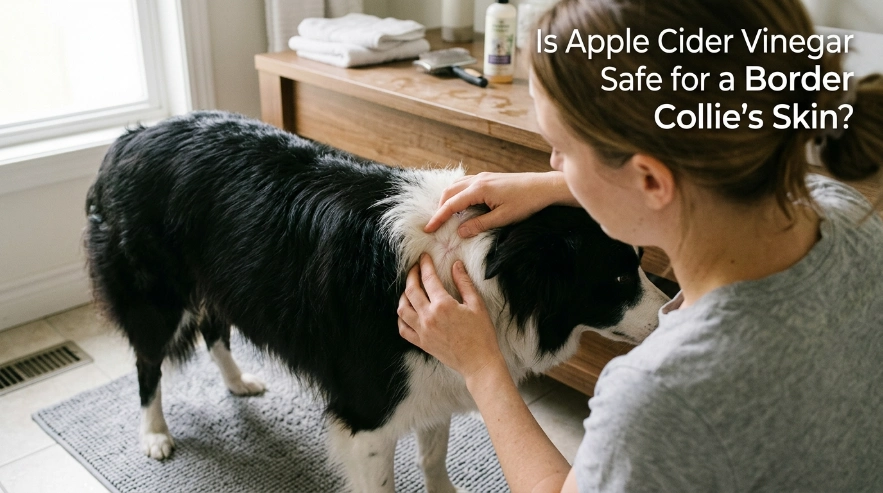
Use a waterless bath when your Border Collie needs a light cleanup but does not need water worked through the entire coat. It is most useful for small, everyday messes.
My own rule is simple: if brushing and a damp towel almost solve the problem, waterless shampoo may finish the job.
Good situations for a no-rinse cleanup
- Dusty coat: Useful after dry trails, fields, or training grounds.
- Mild doggy odor: Helps freshen a healthy coat between baths.
- Dirty legs: Convenient after a walk on slightly damp ground.
- Light belly grime: Helpful when the underside picked up surface dirt.
- Travel: Practical when a proper bathing setup is unavailable.
- Cold weather: Can avoid completely soaking the coat for a minor cleanup.
- Bath training: May help some young dogs become comfortable with grooming and handling.
The ASPCA’s dog grooming guidance emphasizes that bathing needs vary with lifestyle and coat condition. That is a better approach than washing automatically on a rigid calendar.
When spot-cleaning is enough
You may not need shampoo at all. I often start with a damp microfiber towel on paws, legs, the chest, or belly.
Once dry dirt loosens, brushing may finish the cleanup. Using less product also means less residue to remove later.
How Do You Choose a Waterless Shampoo for a Border Collie?
Choose a product made specifically for dogs and intended to remain on the coat without normal rinsing. Read its instructions before assuming every “dry shampoo” works the same way.
I favor simple formulas over heavy perfume. A strong fragrance can hide odor without addressing why the dog smells unusual.
What I look for on the label
- Dog-specific formula: Avoid routine use of human shampoos or human dry shampoos.
- No-rinse directions: The manufacturer should clearly say rinsing is unnecessary.
- Simple application: Foams and controlled sprays make it easier to avoid over-saturating thick coat.
- Mild fragrance: I prefer subtle or fragrance-free options for sensitive dogs.
- Clear warnings: Check instructions regarding eyes, mouth, ears, damaged skin, and ingestion.
VCA’s canine coat-care guidance recommends shampoos formulated for dogs rather than human products. Canine skin differs from ours, so sharing bathroom products is a poor routine.
What about sensitive skin?
Do not assume “natural,” “gentle,” or “hypoallergenic” guarantees that a product suits your dog. Individual dogs can react differently to ingredients.
If your Border Collie has a history of itching or allergies, follow a more cautious Border Collie allergy bathing routine and ask your veterinarian about appropriate products.
Vet note: Persistent itching, redness, scaling, sores, unusual odor, or hair loss needs veterinary assessment rather than repeated deodorizing.
How Do You Give a Border Collie a Waterless Bath?
Brush first, apply a small amount of product, work it through the dirty outer coat, towel away loosened grime, then brush again after drying. The goal is controlled cleaning, not saturating the dog.
1. Inspect the skin and coat
Run your hands over your Border Collie before applying anything. Look beneath the hair rather than judging the coat from the surface.
Check these areas closely:
- Behind the ears
- Under the collar or harness
- Armpits
- Belly
- Groin
- Rear feathering
- Base of the tail
- Between the toes
2. Brush before adding product
Remove dried mud, loose hair, seeds, and obvious tangles first. Applying liquid over debris can turn an easy brushing job into a sticky one.
During shedding periods, spend extra time on loose undercoat. Never force a brush through a knot.
3. Test a small area
Follow the product label and apply a small amount first. This is especially sensible when using a product for the first time.
Avoid the eyes, mouth, inside the ears, and any broken or irritated skin unless a veterinarian directs otherwise.
4. Apply only where needed
I rarely coat the entire dog for one muddy leg. Targeted application reduces unnecessary product buildup.
For sprays, spraying onto a cloth first can provide more control around smaller areas. For foam, place a modest amount in your hand before working it into the coat.
5. Massage with the direction of the coat
Use your fingers to distribute the cleanser gently. Avoid hard circular scrubbing through rough-coat feathering because friction encourages tangles.
Keep the undercoat from becoming unnecessarily wet. This is supposed to be a waterless cleanup.
6. Remove loosened dirt
Follow the manufacturer’s directions for towel removal or drying. A clean microfiber towel works well for lifting grime from the surface.
Switch to a fresh section of towel as it gets dirty. Otherwise, you simply spread debris to another part of the coat.
7. Let the coat dry, then brush again
Once the coat is dry enough for comfortable grooming, brush gently. A final comb check helps find hidden tangles in rough-coated dogs.
My guide to the best brush after a Border Collie bath explains how different tools behave in dense coat.
Section Takeaway: A waterless bath should be a light grooming session, not a full bath without the rinse. Brush first, use minimal product, target dirty areas, and finish by checking the coat again.
Waterless Bath vs Full Bath: Which Is Better?
Neither method is universally better. A waterless bath wins for minor surface messes, while a full bath wins when dirt or contaminants need to be physically washed away.
| Situation | Waterless Bath | Full Bath |
|---|---|---|
| Light dust | Excellent choice | Usually unnecessary |
| Mild normal coat odor | Useful temporarily | Useful if deeper cleaning is due |
| Heavy mud | Poor choice | Better choice |
| Sticky or oily substance | Usually inadequate | Usually needed |
| Quick travel cleanup | Very convenient | May be impractical |
| Suspected skin disease | Ask your vet first | Follow veterinary instructions |
| Chemical contamination | Not appropriate | Seek product-specific or veterinary advice |
PetMD’s dog bathing guidance emphasizes fully wetting the coat, using pet-safe shampoo, and thoroughly rinsing during a traditional bath. Those steps matter when surface cleaning cannot remove the problem.
If your Border Collie is severely matted or difficult to handle safely, a professional Border Collie bathing session may make more sense than struggling at home.
How Does Waterless Grooming Affect a Border Collie’s Double Coat?
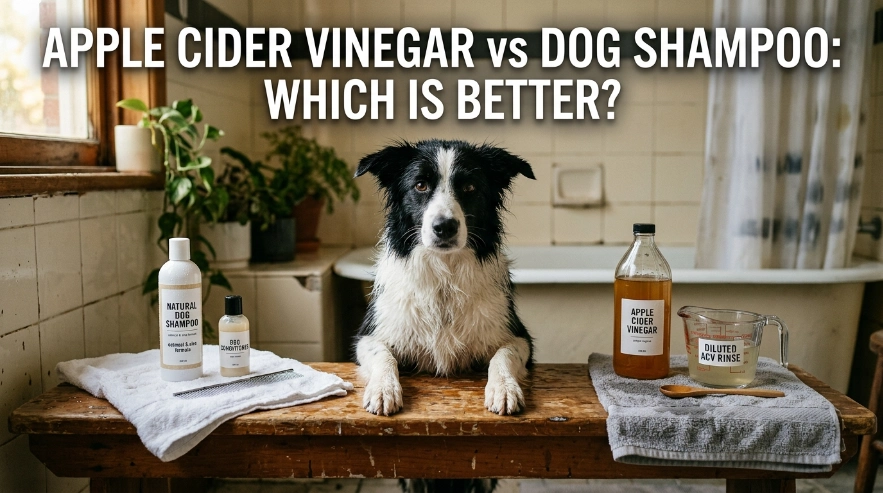
A properly used waterless product should leave the double coat clean, separated, and easy to brush. Too much product can instead make the hair tacky or heavy.
That is why I pay more attention to the finished texture than the fragrance. A Border Collie does not need to smell like perfume to be clean.
Rough coat vs smooth coat
Rough Border Collies need more attention around their feathering. Product can collect behind the ears, along the chest, and around the hindquarters.
Smooth Border Collies are easier to inspect visually. However, their shorter outer coat still sits over a dense undercoat.
- Rough coat: Use smaller amounts and comb longer feathering after drying.
- Smooth coat: Brush loose undercoat thoroughly before application.
- Either coat: Stop if the finished hair feels coated, sticky, or difficult to separate.
Preventing tangles after cleaning
Friction causes many post-grooming tangles. Avoid aggressively rubbing longer hair with a towel.
Blot or wipe with the direction of hair growth instead. If matting is a recurring problem, use my guide to preventing Border Collie matting after bathing as your finishing routine.
When Should You Avoid a Waterless Bath?
Skip waterless shampoo when the coat needs true rinsing or when the skin looks unhealthy. Fresh fragrance should never become a substitute for finding the cause of an unusual smell.
Use a full cleanup instead when you find:
- Heavy mud: Thick dirt needs water and physical removal.
- Grease or oil: Surface wiping may leave significant residue behind.
- Unknown chemicals: Contact a veterinarian or poison-control resource for appropriate decontamination advice.
- Feces or substantial urine contamination: Thorough cleaning is more appropriate.
- Dense product buildup: Adding another leave-on product may worsen residue.
- Strong recurring odor: Skin, ears, mouth, anal glands, or another health issue may be involved.
Skin problems need a different plan
Redness, open sores, pustules, crusting, significant dandruff, hair loss, or pain are not normal grooming problems. Applying another cosmetic cleanser can obscure what is happening.
Likewise, persistent licking or scratching deserves attention. Your veterinarian may want to examine the skin before recommending bathing products.
Vet note: If your Border Collie develops swelling, hives, breathing difficulty, severe discomfort, or a sudden reaction after a grooming product, seek veterinary care promptly.
Frequently Asked Questions
Can I give my Border Collie a waterless bath instead of a regular bath?
You can use a waterless bath between full baths for light dirt and mild odor. It should not permanently replace traditional bathing because heavy grime, oily material, contaminants, and deep coat buildup sometimes need water, shampoo, and thorough rinsing.
How often can I use waterless shampoo on a Border Collie?
There is no universal schedule because formulas and dogs differ. Follow the product label and use it only when needed rather than automatically every day. If frequent cleaning becomes necessary, ask why your dog’s coat gets dirty or smelly so quickly.
Can I use human dry shampoo on my Border Collie?
I would not use human dry shampoo as routine canine grooming. Choose a product clearly formulated and labeled for dogs. Ingredients, fragrances, powders, and application instructions intended for human hair may not be appropriate for canine skin or normal licking behavior.
Do I need to brush before using waterless dog shampoo?
Yes. Brushing removes loose hair, dry dirt, seeds, and tangles before moisture or grooming product reaches the coat. This is especially useful for Border Collies because loose undercoat and longer feathering can trap debris beneath the visible outer coat.
Can I use waterless shampoo on a Border Collie puppy?
Only use products whose labels say they are suitable for your puppy’s age. For tiny messes, a warm damp cloth may be enough. Early grooming should focus on short, calm handling sessions rather than covering the puppy with unnecessary products.
Will a waterless bath stop my Border Collie from smelling?
It may reduce mild normal coat odor temporarily. Strong, sour, yeasty, fishy, or rapidly returning odor can signal a problem that deodorizing will not fix. Check the skin, ears, mouth, paws, and rear area, then contact your veterinarian if the odor persists.
Are waterless baths good during winter?
They can be convenient during cold weather when only a small area needs cleaning. Your Border Collie avoids becoming completely soaked, but you should still make sure any dampened coat dries properly and that the dog remains comfortably warm.
Final Takeaway
A waterless bath for a Border Collie works best as a between-bath grooming tool. I use it for dust, small dirty areas, mild odor, travel, and other situations where a full wash would be excessive.
The dense double coat changes how I use it. I brush first, apply as little product as necessary, avoid irritated skin, and brush the coat again after it dries.
- Choose a product specifically made for dogs.
- Use it for light surface cleaning rather than deep washing.
- Brush loose undercoat and tangles before applying it.
- Target dirty areas instead of automatically covering the whole dog.
- Avoid heavy residue on rough-coat feathering.
- Use a traditional bath when the coat needs thorough rinsing.
- Ask your veterinarian about persistent odor, itching, redness, or sores.
The best waterless bath is the one that solves a small grooming problem without creating another one. Your Border Collie’s finished coat should feel clean, dry, loose, comfortable, and easy to brush—not sticky, perfumed, or coated with leftover product.