
How to Treat a Dog Eye Infection Safely: What to Do, What to Avoid, and When to Call the Vet

A dog eye problem can look simple at first and still turn serious fast. Redness, discharge, blinking, swelling, or pawing at the eye can point to an infection, but they can also come from a scratch, a foreign body, dry eye, or allergy. That distinction matters because the wrong home treatment can delay care or make the eye worse.
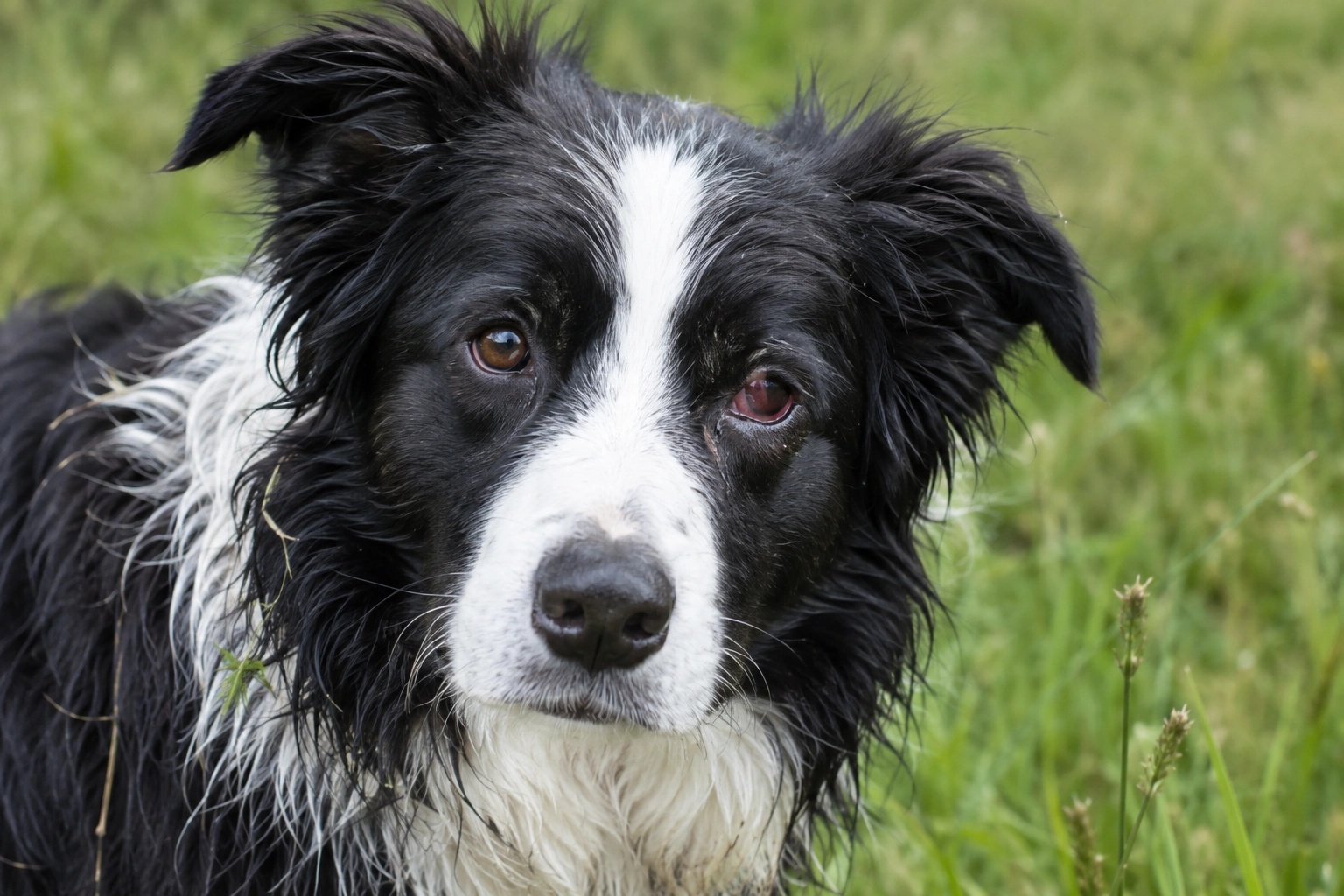
If your dog is squinting, rubbing, or holding one eye closed, treat that as more than a cosmetic issue. Eyes do not give you much margin for guesswork. The goal is to calm the area safely, stop self-trauma, and get the right diagnosis before you reach for any medication.
How to Tell If Your Dog’s Eye Problem Is Likely an Infection
The most common pattern is redness plus discharge plus discomfort. A dog with conjunctivitis or another eye infection may have watery tearing, thick yellow or green discharge, swollen eyelids, squinting, blinking more than usual, or pawing at the eye. Some dogs also become light-sensitive and prefer a dark room.
The problem is that these signs overlap with several non-infectious issues. A windy walk, a blade of grass, a scratch from brush, or dry eye can all create redness and discharge. Allergies can also cause watery eyes and mild redness, but they usually affect both eyes and often come with itching elsewhere, like the face or paws. A single painful eye that is closed or half-closed is more concerning for injury, a foreign body, or a corneal ulcer than for a simple allergy.
Here’s a quick triage table to help you sort the most common possibilities:
| Likely cause | Common clues | What it suggests |
|---|---|---|
| Allergy or irritation | Both eyes, watery discharge, mild redness, itchiness, dog otherwise acting normal | Often less urgent, but still worth monitoring if it persists |
| Infection | Redness, discharge that may be yellow/green, swelling, discomfort in one or both eyes | Vet evaluation is usually needed to confirm the cause |
| Foreign body or scratch | One eye, squinting, pawing, sudden onset after outdoor activity, rubbing after grass/brush exposure | More concerning for corneal damage or something trapped under the lid |
| Emergency eye pain | Eye held shut, cloudiness, marked redness, obvious pain, swelling, sudden vision changes | Needs prompt veterinary care |
Here’s the practical rule I use:
– Both eyes, watery discharge, mild itchiness, dog otherwise normal → allergy or irritation is more likely.
– One eye, squinting, pain, thicker discharge, rubbing → infection, scratch, foreign body, or corneal damage becomes more likely.
– Cloudiness, marked redness, swelling, or the eye is shut → treat it as urgent.
If you want a broader look at redness causes, this guide on why your dog’s eye is red helps you separate common lookalikes before you decide what to do next.
When a Dog Eye Problem Is an Emergency
Some eye problems can wait for a regular appointment later in the day. Others should not wait at all.
Seek urgent veterinary care if you see any of these:
– the eye is kept closed
– the surface looks cloudy, blue, or white
– there is obvious pain or intense squinting
– the eyelids or tissues around the eye are swollen
– there was trauma, like running through brush, a scratch, or a collision
– your dog seems to have sudden vision changes
– the pupil size looks uneven, or the eye looks abnormal in shape
– the eye is getting worse over hours, not better
Cloudiness especially matters because it can mean the cornea is involved. That can be a corneal ulcer, keratitis, or uveitis, and those conditions need prompt treatment to protect vision.
If you are unsure whether it is urgent, ask yourself one question: Is this just discharge, or is the dog acting like the eye hurts? Pain changes the timeline.
Safe First Aid You Can Do at Home Before the Vet Visit
Home care should be simple and low-risk. The goal is to remove loose debris, keep the eye area clean, and stop your dog from rubbing.
Use sterile saline, not random fluids
A sterile saline rinse can help flush out irritants and loosen discharge. Use it gently. If you’re wiping the area, a clean cloth or gauze pad soaked in saline is safer than anything rough or scented. Wipe from the inner corner outward so you are not dragging debris back toward the tear duct area.
Clean the discharge without touching the eyeball
If crust has built up, soften it first with saline or clean lukewarm water on gauze. Wipe around the eye, not across the eyeball itself. A warm, not hot, moistened washcloth can help clean the fur and skin around the eye, but do not press on the eye.
Stop rubbing immediately
If your dog is pawing at the eye or rubbing face-first on the carpet, put on an Elizabethan collar if you have one. That single step can prevent a scratch from becoming a corneal ulcer. It is one of the most useful temporary tools you can use while waiting for the vet.
Keep the environment clean
Dust, grass seed, smoke, and cleaning sprays can all irritate an already inflamed eye. Keep your dog out of dusty rooms and avoid letting them run through brush, sand, or tall grass until the eye is checked.
For a more step-by-step home approach, this article on safe first aid for dog eye infections expands on what you can do without crossing into risky territory.
What Not to Put in a Dog’s Eye
This is where well-meaning owners often make the problem worse.
Do not use:
– human eye drops unless your veterinarian specifically told you to
– leftover antibiotic drops from a past illness
– peroxide
– essential oils
– herbal rinses or homemade mixtures
– steroid drops that were prescribed for another pet or another condition
The reason is simple: eye problems are not all the same. A steroid drop may help certain inflammatory conditions, but it can be dangerous if the dog actually has a corneal ulcer or some types of infection. Leftover antibiotics can also be the wrong drug, the wrong strength, or the wrong treatment entirely.
If you need a practical benchmark, use this: if the product was not prescribed for this exact eye problem, do not put it in the eye.
Why Dog Eye Infections Happen and What Else Can Look Similar
An eye infection is often not the starting problem. It may be the result of something else irritating or damaging the eye first.
Common causes and lookalikes include:
– Bacterial infection: often more discharge, redness, and irritation
– Viral infection: can look similar to bacterial conjunctivitis
– Allergic conjunctivitis: usually watery, often both eyes, with itchiness
– Foreign body: grass seed, dust, or a bit of debris trapped under the lid
– Corneal ulcer: a scratch or erosion on the surface of the eye
– Keratitis: inflammation of the cornea
– Uveitis: inflammation deeper inside the eye
– Dry eye: not enough tear production, leading to sticky discharge and irritation
– Blocked tear ducts: tears overflow and collect around the eye
That list is why diagnosis matters. A dog with a scratch and a dog with allergy can both look “red and goopy,” but they do not need the same treatment. A dog with dry eye may need tear support rather than antibiotics alone. A dog with a corneal ulcer may need urgent treatment that protects the cornea and relieves pain.
For a helpful look at discharge color and what it can mean, see green eye discharge in dogs. Color alone does not diagnose the problem, but it can help you decide how quickly to act.
What Veterinarians Commonly Do to Diagnose and Treat the Problem
A vet visit usually starts with a close eye exam and questions about when the signs began, whether the dog was outdoors, and whether there was any trauma. Depending on what they see, they may also use a fluorescein stain to check for a corneal ulcer, tear testing to look for dry eye, or eye pressure checks if uveitis or glaucoma is a concern.
From there, treatment depends on the cause.
Common veterinary treatments may include:
– topical antibiotic eye drops or ointment
– antifungal or antiviral medication when indicated
– anti-inflammatory medication
– pain relief
– eyewash or flushing to remove irritants
– oral medication in some cases
– surgery in more serious or complicated cases
Many canine eye infections are managed on an outpatient basis, so hospitalization is often not needed. That said, “outpatient” does not mean “minor.” It simply means many dogs can be treated at home after the exam, with follow-up as needed.
If the problem turns out to be bacterial, the vet may prescribe antibiotics. But antibiotics are not helpful for every eye problem, and they should be used when a bacterial infection is suspected or confirmed. If allergies are the cause, treatment may look very different and may include anti-inflammatory or antihistamine-based care. If the eye is dry, artificial tears may help, but a veterinarian-prescribed tear stimulant is often needed to improve natural tear production.
For general veterinary context on eye infection treatment options, the American Kennel Club’s eye infection guidance is a useful reference point for owners.
How Long Treatment Usually Takes and What Recovery Should Look Like
Recovery depends on the cause and how deep the problem goes. A mild irritation or uncomplicated conjunctivitis may improve quickly once the right treatment starts, but a corneal ulcer, dry eye, or deeper inflammation can take longer and may need repeated rechecks.
A good sign is that the dog becomes more comfortable first. You should usually see less squinting, less rubbing, and reduced discharge before the eye looks completely normal. If the eye is still painful, the discharge is increasing, or the redness is worsening, the treatment plan may need to change.
Do not stop prescribed medication early just because the eye looks better. Eye conditions often improve on the surface before the underlying problem is fully resolved. That is one reason follow-up matters.
How to Stop Your Dog From Rubbing or Re-Injuring the Eye
Rubbing is a small behavior with big consequences here. A dog that paws once or twice can scratch the cornea, and then you are dealing with a more serious eye injury on top of the original issue.
The simplest protection is a cone collar. Use it if your dog is persistent, restless, or trying to rub the eye after cleaning. Some dogs tolerate the cone poorly at first, but that short-term discomfort is usually better than a worsening eye injury.
You can also reduce triggers:
– keep the dog indoors during dusty, windy weather
– avoid brushy walks until the eye is stable
– trim long hair around the eye if it is irritating the area
– keep bedding clean and free of debris
How to Prevent Future Eye Problems
Prevention is mostly about reducing irritation and catching small problems early.
For Border Collies and other active dogs, that often means being a little more careful after outdoor exercise. Check the eyes after runs through tall grass, hedges, or dusty trails. If one eye looks “off,” don’t wait for the next day to see whether it fixes itself.
A few habits help:
– wipe away discharge early rather than letting it crust
– keep the face and eye area clean
– avoid letting your dog run through obvious debris
– schedule a vet visit if redness keeps returning
– pay attention to dry, sticky eyes, which can point to tear problems
Recurring eye issues are worth investigating. Repeated “minor” flare-ups can signal an underlying problem such as dry eye, blocked tear ducts, eyelid irritation, or an eye shape issue that keeps trapping debris.
When You Can Monitor Briefly Versus When You Should Call the Vet Now
Use this decision rule:
You may monitor briefly if:
- the discharge is mild and watery
- both eyes are affected similarly
- your dog is comfortable, eating, and acting normally
- the eye improves after gentle saline cleaning
- there is no squinting, cloudiness, or swelling
Call the vet the same day if:
- discharge is thick, yellow, or green
- redness is persistent
- one eye is clearly worse than the other
- your dog is pawing at the eye
- the eye keeps getting worse instead of better
Go urgently if:
- the eye is closed
- there is cloudiness or sudden color change
- there was trauma or a possible scratch
- your dog seems in pain
- vision may be affected
If you remember nothing else, remember this: a little discharge is not the same as a painful eye. Pain, cloudiness, and a closed eye move the problem into urgent territory.
Frequently Asked Questions
Can a dog eye infection go away on its own?
Sometimes mild irritation can settle, but a true infection or corneal problem should not be relied on to self-resolve. The risk is that the real issue is not infection at all.
Can I use saline every day?
Sterile saline is useful for gentle rinsing, but it is not a cure. It is a comfort and cleaning measure while you wait for diagnosis or follow-up.
Are human eye drops ever safe?
Not as a general rule. Some can sting, some are the wrong medication, and some can be harmful in the wrong condition.
Why does my dog keep rubbing one eye?
That usually means discomfort, not just annoyance. A foreign body, scratch, ulcer, or infection could be present.
Should I wait until morning if the eye looks bad at night?
If the eye is closed, cloudy, very red, swollen, or painful, waiting can be a bad trade-off. Those are the cases where urgent care is safer.
The cleanest path is usually the simplest one: rinse gently with sterile saline, prevent rubbing, and get the eye examined if the signs are more than mild or if they are not clearly improving fast.
